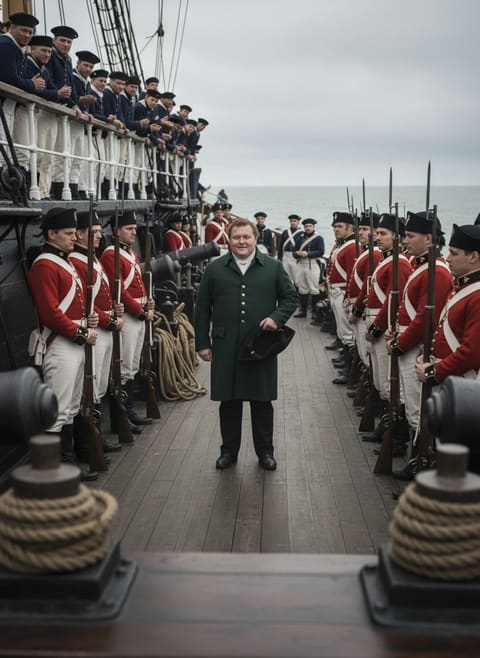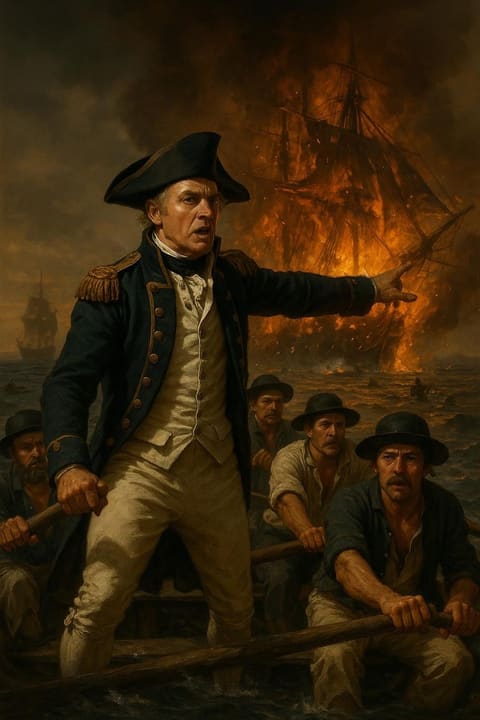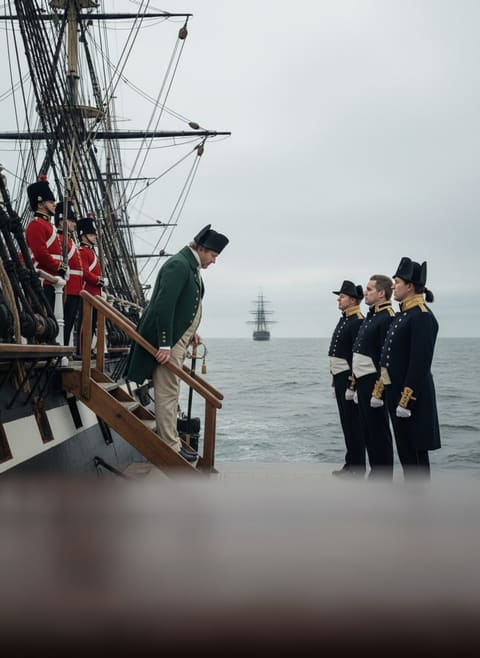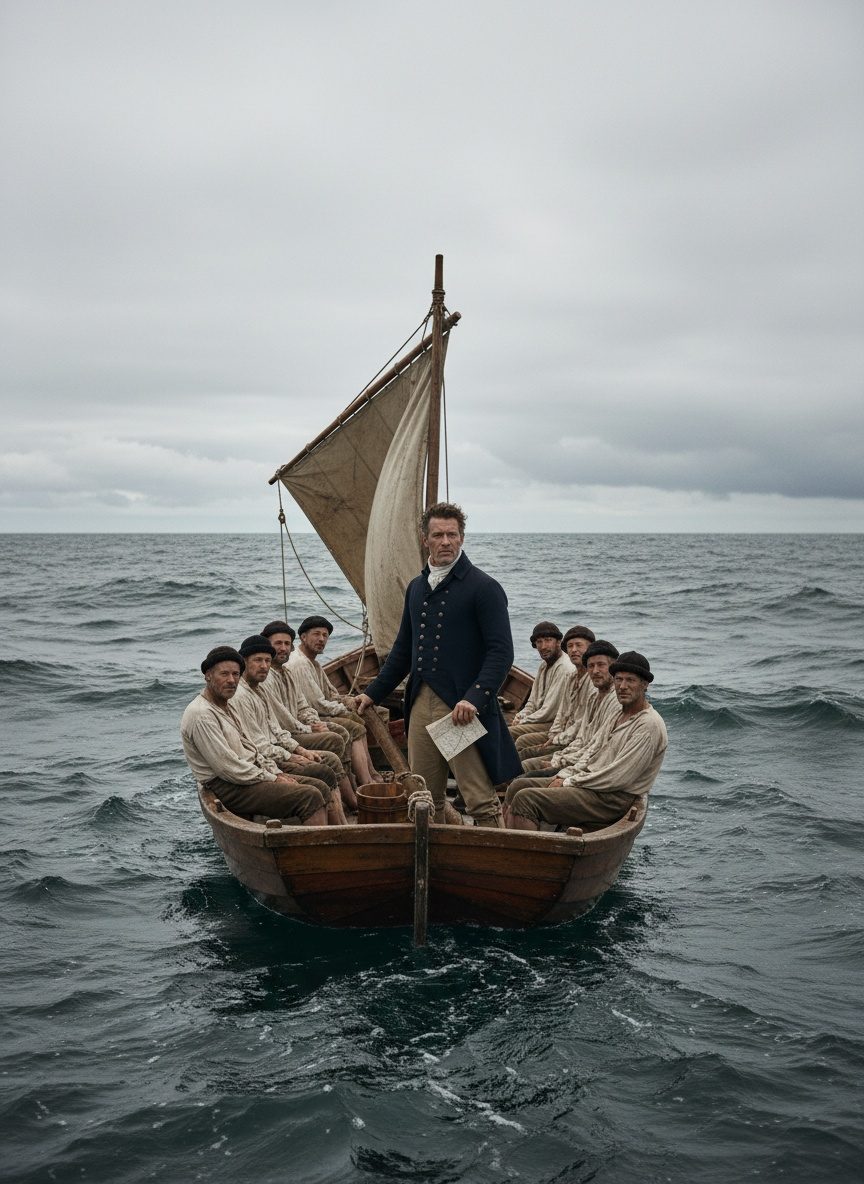
The Pacific Ocean stretched endlessly, a shimmering expanse of blue beneath the unrelenting sun. On this April day in 1789, the stillness of water and the open sky gave no indication of their perilous plight. Here, with nothing but the call of distant sea birds and the creaking wood of their little craft, history was quietly being carved. The fragile lifeline of humanity on this vast ocean was William Bligh and his band of 18, set adrift in an open boat no more than twenty feet long, testing the limits of survival and seamanship.
The tale of the Mutiny on the Bounty is well-remembered: it was born from a thirst for freedom and adventure, a challenging of command amidst the humid heat of the South Pacific. Yet, what unfolded after Bligh and his loyalists were cast adrift captures an oft-overlooked ode to human resilience and navigational prowess. Abandoned without maps or a substantial supply of food, Bligh faced a seemingly insurmountable task. But armed with a sextant and an indomitable spirit, he resolved to lead his men across 3,618 nautical miles to safety.
The journey began under the tropical sun, where each man was allotted a mere morsel of sustenance: a fraction of a breadfruit, which ironically had been the subject of their voyage. A few survival items had been granted by the mutineers — not out of compassion but out of presuming their impossibility to live long. Only 150 pounds of bread and significant water to ration, adhering to a fiercely meager diet proved essential. Bligh’s focus sharpened on steering his men through the uncharted perils, scavenging the few edible fish when caught, the catch slick and silver, a fleeting bounty from the depths below.
Nighttime offered the only reprieve from the heat, the darkness blanketing them as stars wheeled overhead, a celestial map that Bligh would come to depend upon. His ability to read this limitless sky was nothing short of mastery, a forgotten art that knew no bounds of latitude or longitude. Each constellation served as a faithful beacon, their twinkle unchanged by human desire or fear. This ethereal connection between man and nature, once so common, was Bligh’s secret weapon. His calculations, made with the simplicity of a sextant and sheer intuition, guided them amidst an ocean so immense it could have swallowed a hundred navies without trace.
The men faced nearly constant squalls and the lash of the waves, the inclement weather sculpting their faces with salt and sun. Yet, the perils from within proved equally fearsome — hunger gnawed at their strength, and the shadows of doubt dangled over their resolve like specters. Discipline was their backbone. Bligh demanded nightly prayers and strict adherence to his ration schedules. Even so, as leader, he shared in every hardship, cementing an unspoken contract of shared fate between them all. It was his resilience that staved off despair, writing in his journal with unwavering resolve, a practice that underscored his commitment to returning alive.
Read next: The Day a One-Eyed Admiral Sailed Into the Line of Fire
The journey's apex, however, erupted quite literally at the sight of the Great Barrier Reef, a moment of awe tempered by acute danger as they threaded between coral gardens that could shred their boat to flinders with a single misstep. Through expert maneuvering and sheer fortune, the H.M.S. Bounty's launch emerged unscathed, testament to a connection between man and vessel that proved unbreakable. This passage opened the way to civilization, first reconnecting them with the island of Timor, a land that lay waiting like a haven in their memories, promising reprieve and resetting their course from doom to salvation.
They reached Timor after a harrowing 47 days at sea, during which Bligh had not only navigated through treacherous waters but also through the storm each man battled internally. The sight of land was as much a victory over the cosmos as it was over themselves, and momentarily, the world seemed smaller, bound together by their indomitable voyage. Their survival, thought to be an impossibility staged against the backdrop of the great unknown, began to echo throughout nautical history.
The tale of William Bligh’s feat does more than recount a story of survival and navigation. It sings of an unyielding belief that discipline, skill, and unbreakable spirit can steer humanity through the most barren seas. His journey defies every expectation of tragedy, revealing instead a triumph as vast as the ocean currents that carried them forth. As readers on this tale in today's fast-moving world, we are reassured that against overwhelming odds, humanity continues to thread paths across empty oceans, our resolve sometimes our only existing map.