November 29, 1781. The Atlantic grumbled under the weight of an unforgiving sky.
The Unspeakable Order
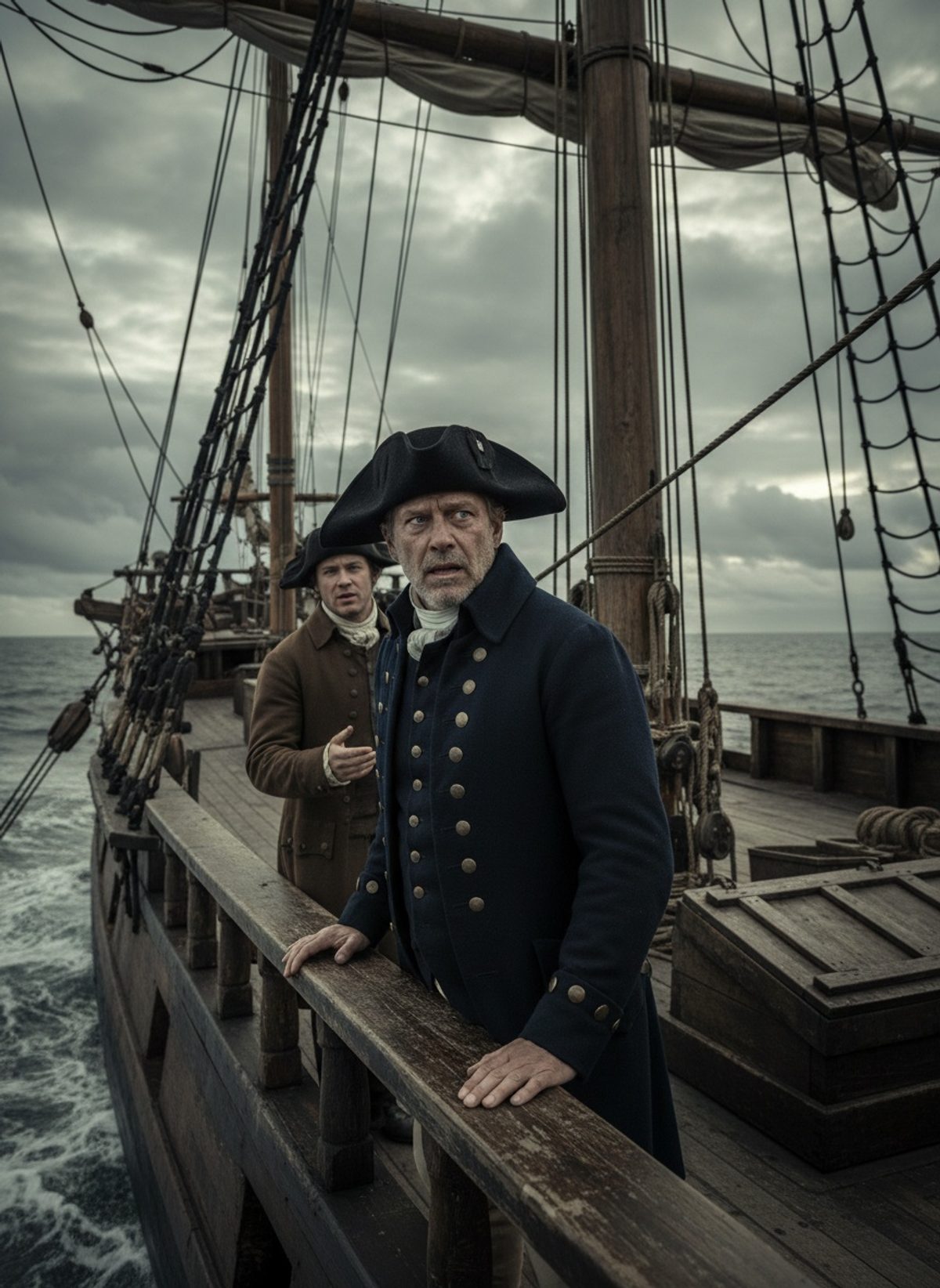
The Zong, a British slave ship, lurched despondently through the Atlantic waters, a floating paradox of familial maritime history and human misery. Over the weeks, the ship had become a site of desperation, with every wave signaling the waning hope of making port intact. Supplies ran dangerously low, a grim realization gnawing at the sanity of those onboard. To the captain, an unbearable decision loomed: to jettison part of his inhuman cargo—133 enslaved Africans—into the unrelenting sea.
The decision was presented as ruthless pragmatism. Claims of running out of drinkable water were whispered between the crew, yet a different truth weighed heavily in the stifling air. The captain believed that if water scarcity proved fatal, the loss could imperil the profits they would claim from the insurance company. But if slaves were discarded, like cruel commodities overboard, that loss could be recouped under maritime insurance laws, which regarded enslaved people as chattel.
Amid this moral abyss, an unmistakable call to conscience emerged from one officer, who refused to partake in the grotesque decree. This unnamed hero stood in defiance, his moral compass resisting the atrocious tide of profit and inhumanity. His eyes, witnesses to the appalling cascade of bodies disappearing beneath the waves, communicated a tale at odds with the version inscribed in the ship's logs.
Read next: The Day Britain Rowed Napoleon to the Edge of the World
The words he penned would become a silent salvo, with ink more potent than any cannonball. As the Zong surged toward Liverpool, this crucial testimony floated with the wind, destined not to dissipate but to ignite change.
The Truth Reaches Shore
Back in England, the grim reality born from that fateful voyage began to seep into the consciousness of a nation unknowingly edging toward a reckoning. The testimony of the officer who had documented the horrors onboard reached the ears and eyes of those willing to reckon with the burgeoning moral calamity of slave trading. It was a time when the business of human bondage was woven into the fabric of British economic prosperity. But puncturing this tapestry was now the story from the depths of the Atlantic.
The horror of the Zong massacre resonated with abolitionists like Granville Sharp, a fierce advocate for the abolition of slavery, who recognized the crucial importance of this testimony. Sharp, speaking out in a land encumbered by the weight of conscience, understood the compelling evidence as powerful shrapnel to rend the veil of ignorance held by those who profited from the slave trade. The tale of the Zong was not a mere account of lost profit but an immortalization of a grievous wound to humanity's soul.
As news of the massacre's appalling details spread, it stirred something among the British populace that previously lay dormant—a discordant recognition that shattered the moral complacency of an empire. The operation of justice seemed bloated and slow, yet the persistence of voices calling for change began to shift the political winds across the Atlantic. Ink and parchment transformed into formidable tools of protest, with public outrage fomented by pamphlets, speeches, and gatherings that challenged eyes long turned blind to the harrowing cruelty of slavery.
The Ripples of Change
The legacy of the Zong massacre surpassed the bounds of its bloody ledger, extending into the annals of history as a catalyst for the churning tides of abolition. While the British legal system initially demurred at delivering justice through criminal proceedings, the seeds of reform sewn by the case's publicity started to sprout in unexpected places. Abolitionist movements gained momentum, with momentum driven by an awakened public consciousness slowly eradicating the roots of slavery's pervasive hold.
The officer's courage to document, to stand steadfast in opposition, offered a beacon amid the fog of greed and immorality. In a world where individuals were traded openly, his resistance provided humanity a compass pointing toward compassion and change. His narrative sustained what would become an indelible accusation against the mechanisms of oppression and the societal apathy that permitted it.
In the heart of the British Empire, the question of morals versus profit battled in the public arena, and the Zong testified undying witness. The outcry catalyzed debates across dinner tables and in the halls of government, with activists and common citizens alike refusing to let the ocean swallow this injustice into forgotten history.
The wounds of the past demand vigilant remembrance, for the ghosts of those sacrificed to the sea remind us that history is an unfinished dialogue between our past and our present. Even today, the narrative of the Zong echoes powerfully across time, urging us not just to remember but to continually challenge the boundaries of our humanity.