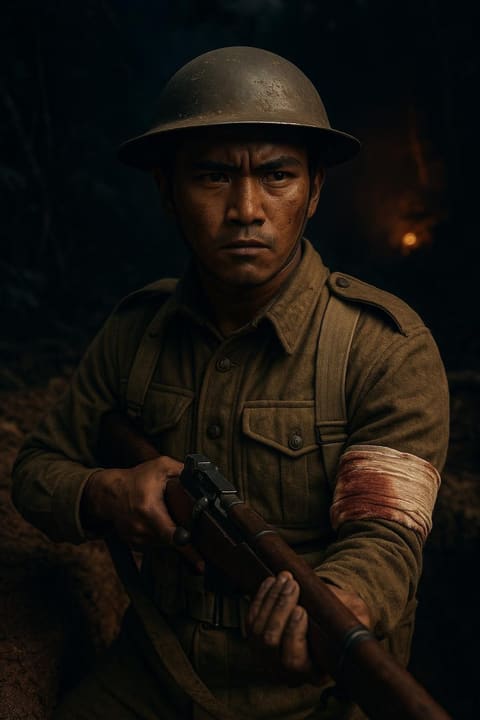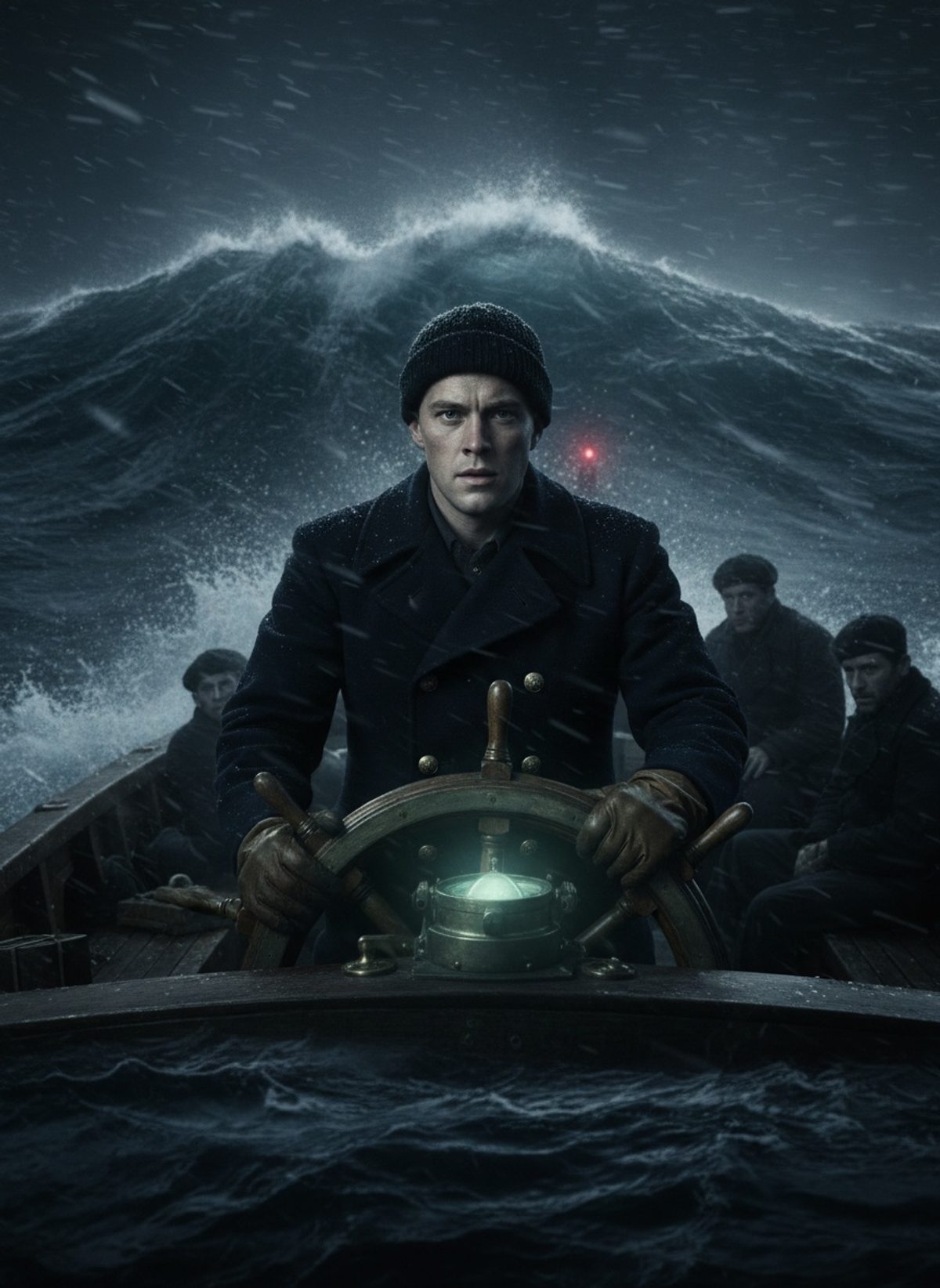
He was twenty-four years old. Bernie Webber had never been in command of a rescue mission before that fateful night.
The Storm That Split Steel
February 18, 1952, dawned dark and threatening over New England. A nor'easter, one of those monstrous storms that lash the northeastern United States with almost malevolent fury, had descended. Along the Cape Cod coast, waves as tall as houses pummeled ships and shore alike. Among those braving the treacherous sea that day was the SS Pendleton, a T2 tanker carrying oil whose steel hull would soon crumple under the relentless pressure.
As the storm's fury reached its zenith, the Pendleton found itself caught in a battle no ship could win. At approximately 5:50 PM, the unthinkable happened: the vessel split in two. Desperate radio signals crackled through the ether, barely audible over the snarling wind. Although the commanding officers and radio operations were in the bow section, which vanished beneath the waves before the Coast Guard could even respond, the stern stayed afloat, housing over thirty crewmen clinging to life amid the chaos.
Against All Odds: The Unsung Heroes
Far from the shocking spectacle at sea, four Coast Guardsmen prepared to do what seemed impossible. Bernie Webber, a boatswain's mate first class, was rudely awakened from a short respite — the storm had kept the team alert and exhausted. Given orders to find the severed remains of the Pendleton and its crew, Webber was to take the CG 36500, a 36-foot wooden lifeboat, into the maw of obscurity and danger.
Read next: Lincoln Chose the Sword. His Reach Did the Rest.
Under usual conditions, the CG 36500 was rated to hold twelve people, already a testament to the grit and spirit required to navigate such a vessel. However, the task was immeasurable — locate the stricken tanker in heaving black seas with a lifeboat devoid of radar or sophisticated navigation tools. The heart of the matter was trust: trust in their vessel, in each other, and most importantly, in Webber's innate ability to guide them home.
Into the Maelstrom: A Night of Desperate Courage
The wind was an unending howl, the ocean a creature of wrathful might as the CG 36500 left the relative safety of the Chatham Lifeboat Station. Within minutes, Webber and his crewmates, Andrew Fitzgerald, Richard Livesey, and Ervin Maske, were engulfed in waves towering sixty feet high — green walls of icy water that threatened to swallow them whole. The numbing cold stung their faces, the salt like needles through soaked clothing.
Visibility was virtually non-existent; snow and spray reduced the world to shades of dark grey. The waves tore at the little lifeboat, and soon after launching, a breaker smashed the compass overboard. Now, with nothing but instinct and a heartfelt bond of unity, Webber steered into the abyss guided by local knowledge of the sea and faith in finding what they could not see.
Miraculously, the stern of the Pendleton loomed out of the gloom, a mutilated silhouette against the heaving Atlantic panorama. Against the odds, Webber maneuvered the lifeboat alongside the towering wreck, their risks multiplying as the immense tanker threatened to crash down upon them at any moment.
Read next: He Played the Fool in a POW Camp. He Remembered Everything.
The Rescue That Defied Reason
Amid a scene painted by chaos and clamor, the Pendleton's crew faced their saviors. Communication proved minimal; gestures sufficed as the sound of the storm silenced speech. One by one, sailors leapt from the tanker onto the CG 36500. Webber's order to abandon their makeshift sanctuary must have felt like surrendering to the sea. Yet, each leap was a calculated gamble towards salvation.
Incredible as the mission had already become, a further twist lay in its conclusion. The lifeboat's capacity was twelve, but Webber and his mates pulled thirty-two men from the watery jaws of death. With thirty-six souls aboard and the boat nearly swamped, Webber turned toward home, guided only by a single red harbor light barely flickering through the storm.
Against every expectation, they reached the safety of Chatham Harbor. Wet, frozen, and incredulous, the rescued men disembarked to a stunned reception. To compress so many within the narrowest strip of hope seemed almost beyond belief, yet here they were — a defiance of disaster etched into history through courage and camaraderie.
In those impossible hours, Bernie Webber and his crew embodied more than survival; they articulated the very essence of human endurance. Their story, forged from ferocity and perseverance against a vast and unyielding ocean, illuminates how the boundaries of possibility are often self-imposed. It's not just a tale of numbers or records but a reminder of the profound impact of bravery and collective resolve. More than seven decades later, it echoes through time, urging us to consider what might be achieved when we confront the unknown with courage and unshakeable faith in one another.