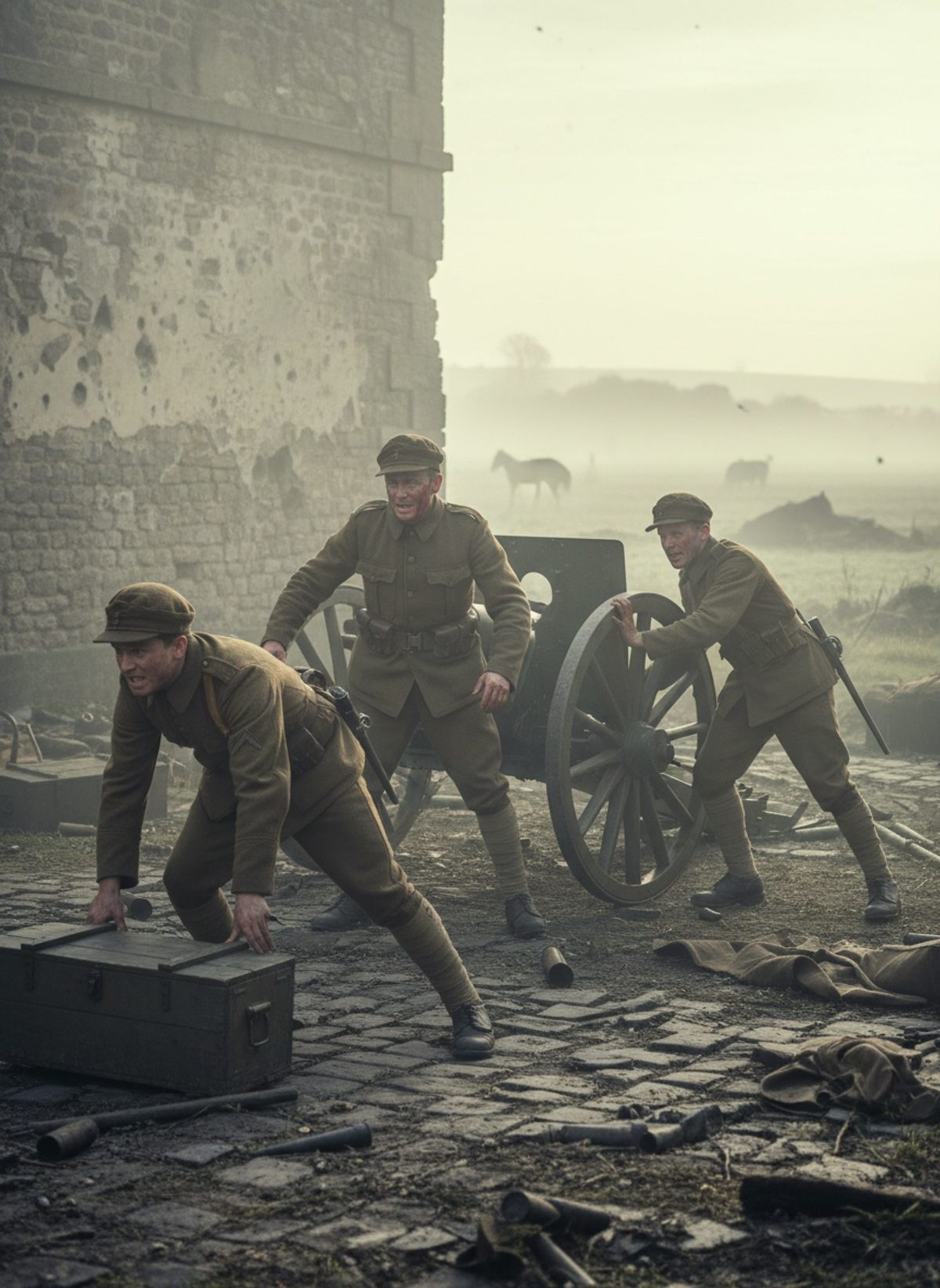
He was not British, and yet he became one of the Empire's most celebrated warriors. His journey began with a handful of lies.
Born in Belgium with a fierce desire to serve, our protagonist had to overcome more than just physical obstacles to fulfill his aspirations. The Boer War beckoned, a time when youths burned with nationalistic zeal. However, the unyielding hammer of regulations stood between him and his ambition—he was too young, not British by birth, and legally barred from seeing combat. The solution was simple yet audacious: a falsified identity, a decade added to his age. Cloaked in this fiction, he managed to enlist, setting the stage for an epic, if grueling, adventure.
That burgeoning soldierhood was marked by valor sewn with pain. On the scorched battlefields of the Boer War, facing sun-bleached rifles and the grit of the African veldt, destiny started carving its etchings into his youthful frame. Each conflict participated in might be seen as a soul-staining event, yet for him, they were rites of passage. His foolhardy courage, first suspected as recklessness, soon solidified into something legend-worthy.
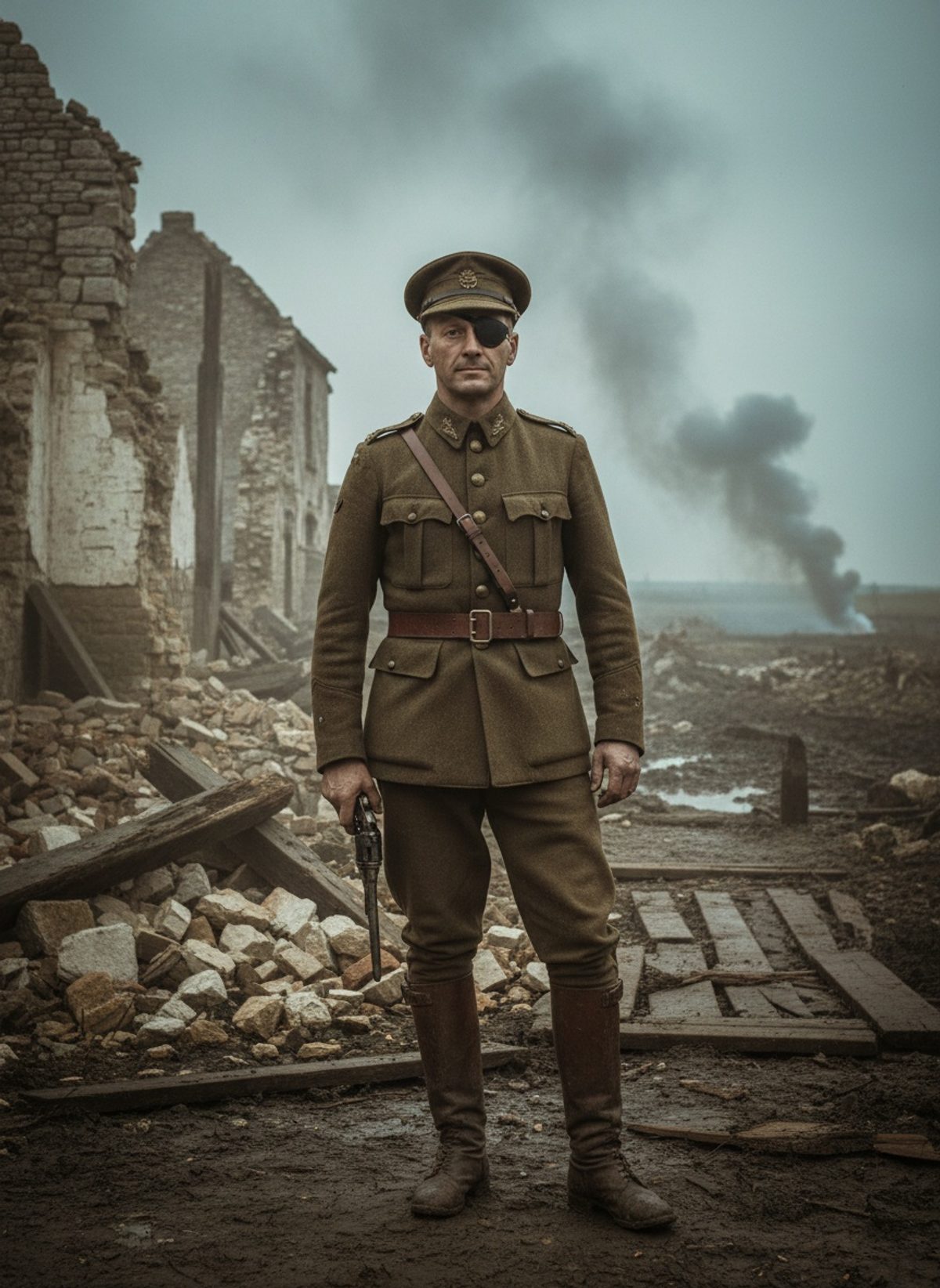
The wounds, inevitable in his trade, came with a harsh tutor's lesson. He met lead repeatedly—seven times, to be exact. Each injury might have spelled an end for others, but they seemed mere inconveniences for him. Indeed, the calamitous loss of an eye and a hand became part of his looming mythos. Yet, it was his actions following a doctor’s refusal to amputate his fingers, opting to wrench them off himself, that painted him not merely as brave but fearlessly resilient. Such is the metal of those willing to wrest their destiny from the hands of fate.
Read next: The Day a British Padre Walked Into the Wire for His Men
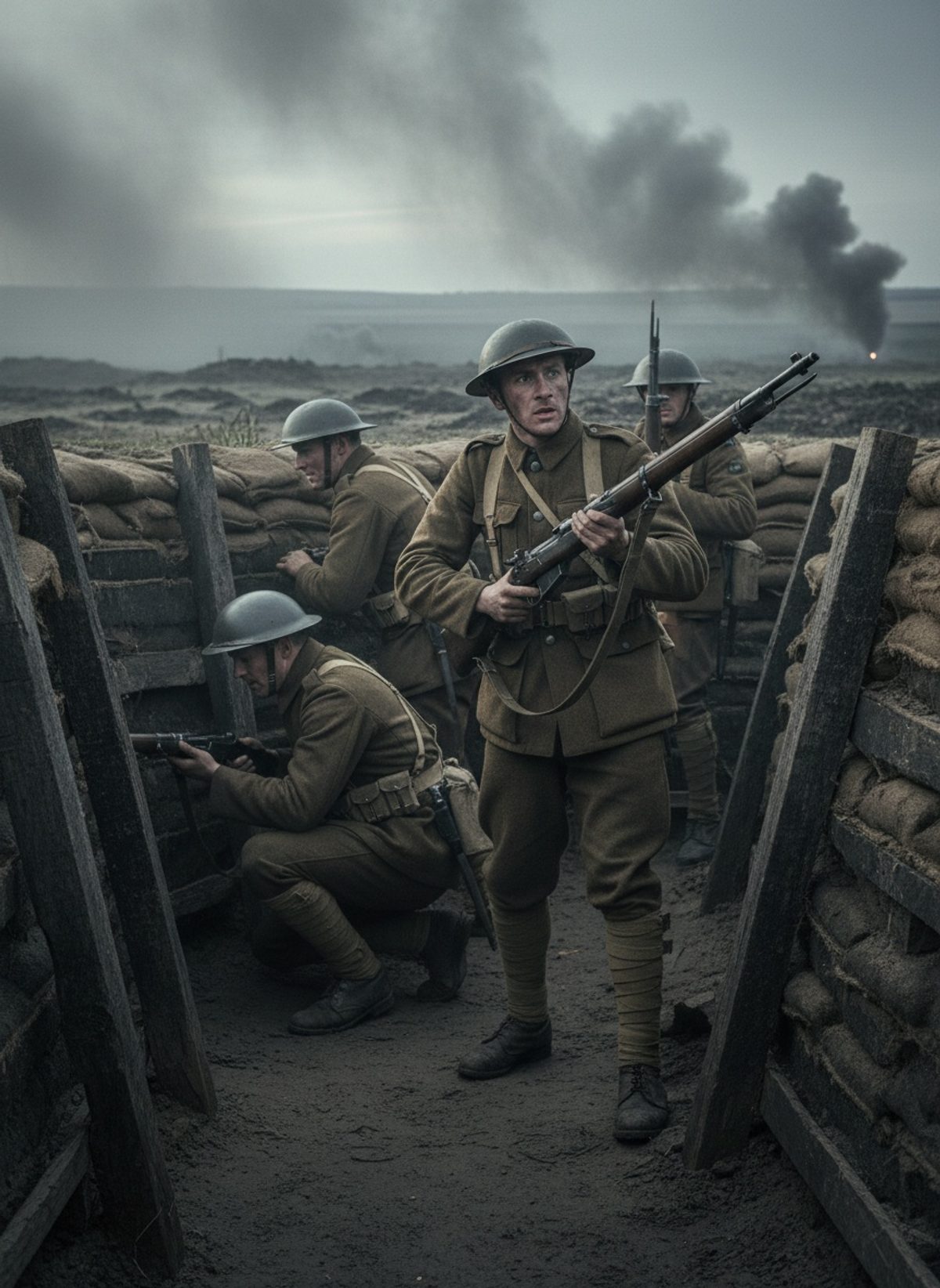
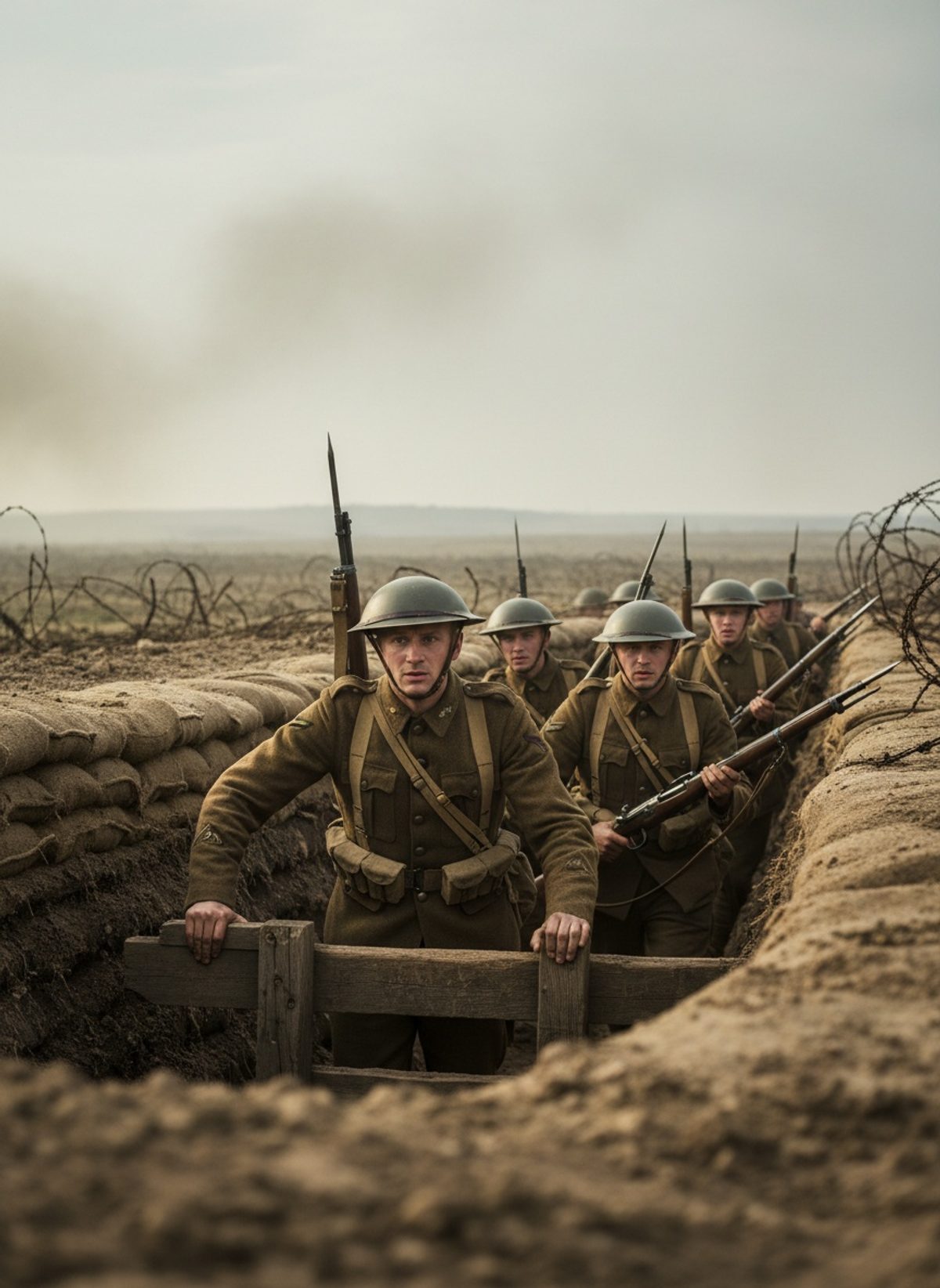
If his wartime tale had merely been about survival, that would have been remarkable enough. But it was the thick of World War I, in the mud-slicked trenches of the Somme, that etched his name into the annals of military renown. The Victoria Cross, the most esteemed of British military decorations, found a deserving recipient in a Belgian of unyielding fortitude and strategic brilliance. Here was a man whose actions would have sounded unbelievable, were they not extensively chronicled.
Despite being repeatedly maimed, he remained steadfast in his horrors. World War I was a baptism by gunfire, unyielding and terror-stricken. Yet, upon reflection, he could declare, perhaps incredulously, 'Frankly, I had enjoyed the war.' This statement was not a testament of disturbing bloodthirst but of fulfillment found amongst chaos. For him, war was a backdrop against which mettle could be tested and proven.
As decades turned, the clamor of war drums beat once more. When World War II erupted, previous wounds did little to deter him from rejoining the fray. If anything, they gilded his resolve. Though age might have sometime tempered his stride, it never dimmed his spirit. Europe was once again to be the stage of his relentless courage, determination a perpetual flicker, persistent and enduring.
But what makes his story more impressive, and somehow haunting, is not the sheer number of battles he braved, nor the somber list of wounds borne. It is that his wars, despite the horror and bloodshed, never fully consumed him. A singular combatant, his life painted with the oils of war, seemed strangely at peace with the violence, and possibly because of it.
The end of his journey was fittingly paradoxical. One would expect him to depart amidst the thunder of artillery, yet he slipped away quietly, in serene County Cork at the venerable age of eighty-three. Not on a battlefield, but in the gentle embrace of pastoral Ireland, he concluded life's tumultuous chapter—his own fierce odyssey engraved into history.
The tale of this one-eyed, one-handed, yet indomitable soldier reveals as much about the human spirit as it does about the man himself. In every step, in every wound, there is a lesson about resilience, identity, and the complex nature of duty. He is a figure who stands outside the textbook versions of heroes—compelling us to confront our own perspectives on bravery, nationality, and the quixotic allure of conflict. A legend now largely obscured by time, yet undiminished in its power to provoke awe and introspection.