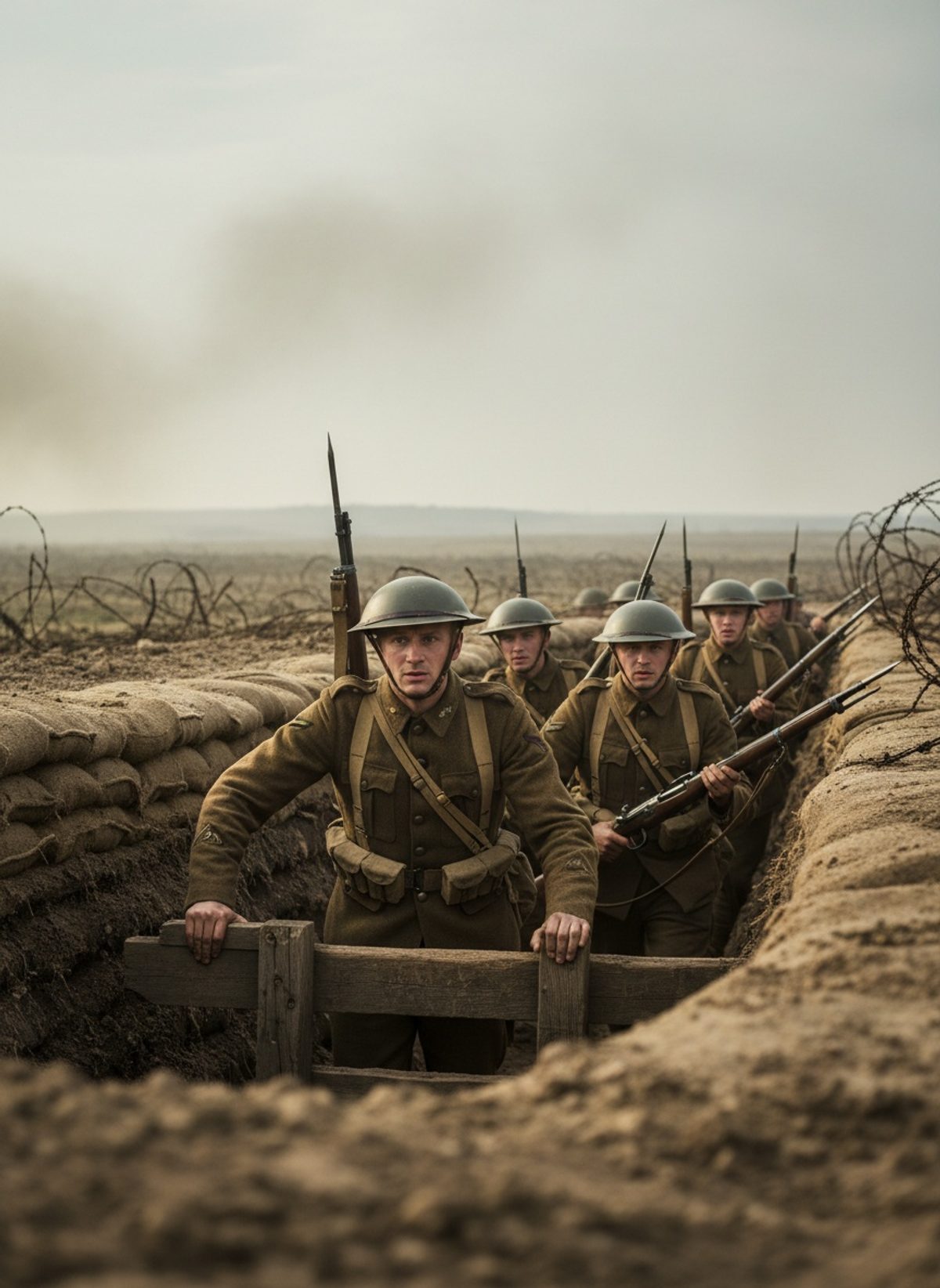
Boots sank into the mud as the chill of dawn still clung to the air. The eerie silence that followed the thunder of artillery was abruptly shattered — a shrill whistle pierced the haze, its penetrating call echoing along eighteen miles of frontline trenches. In one synchronized movement, a mass of khaki-clad men, 120,000 strong, rose as one. The climb from the relative safety of their dugouts into the open seemed interminable, each soldier silhouetted against a sky that offered only a distant promise of salvation.
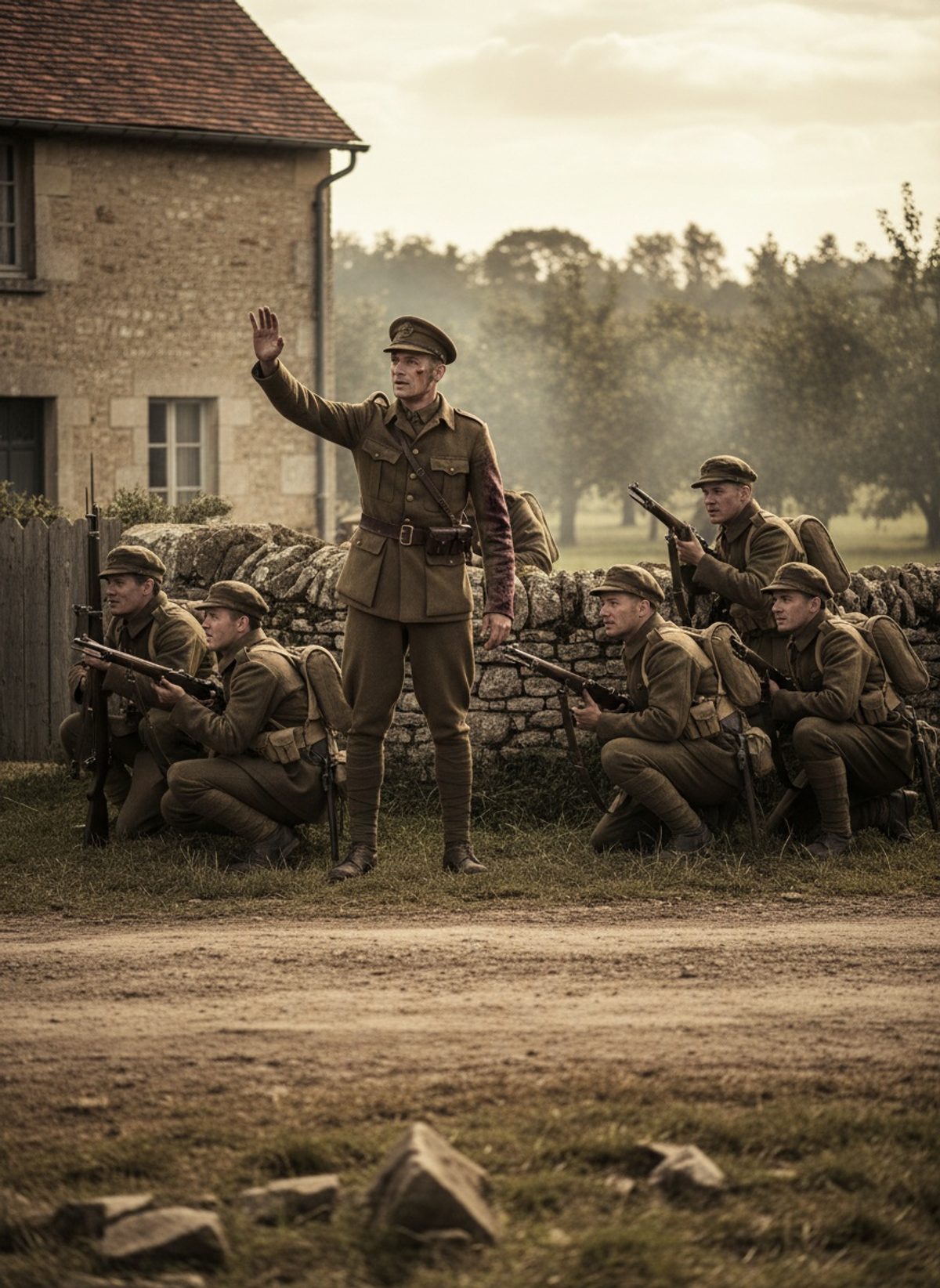
The Battle of the Somme had begun. But this was not the glorious charge depicted in recruitment posters. As the British infantry trudged forward, packed tight in their ranks, the reality of war unveiled itself with a brutality unmatched by any training. The ground was a landscape deformed by craters, barbed wire snarling from the earth like the shattered bones of some prehistoric beast. In seconds, the German machine guns opened up, a relentless staccato that mowed down men before they could take ten paces.
Behind this slaughter was a strategy as old as warfare itself: attrition. The generals intended to overload the formidable German defenses with sheer numbers, believing that superior manpower and firepower would unseat even the most entrenched positions. For seven days preceding the attack, an ordeal of bombardment battered the enemy lines. Yet the deep German fortifications survived largely intact, a fact cruelly revealed only after the British soldiers left their trenches.
The river Somme itself wound sluggishly through the vale, an indifferent witness to the butchery unfolding alongside its banks. Once pastoral and serene, the valley was now a vision from hell; smoke hung in the air like some malevolent spirit seeking to conceal the horrors below. Each step forward was another man falling, another voice silenced amidst the cacophony of steel on flesh. Many soldiers were mere boys, their vanguard bravado crumbling against the grim face of industrial warfare.
Read next: The Kitchen That Kept a Village Fed Through the Blitz
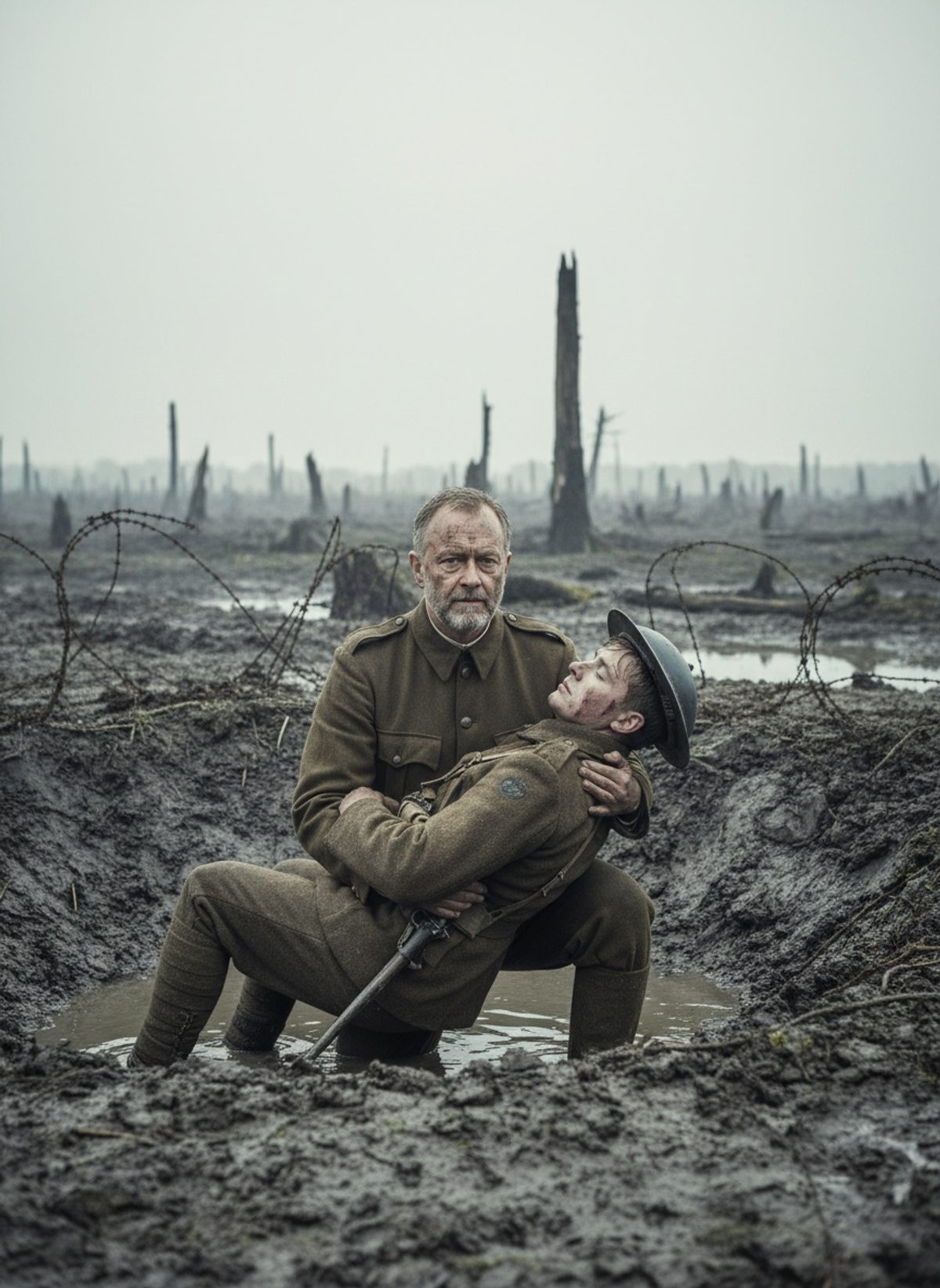
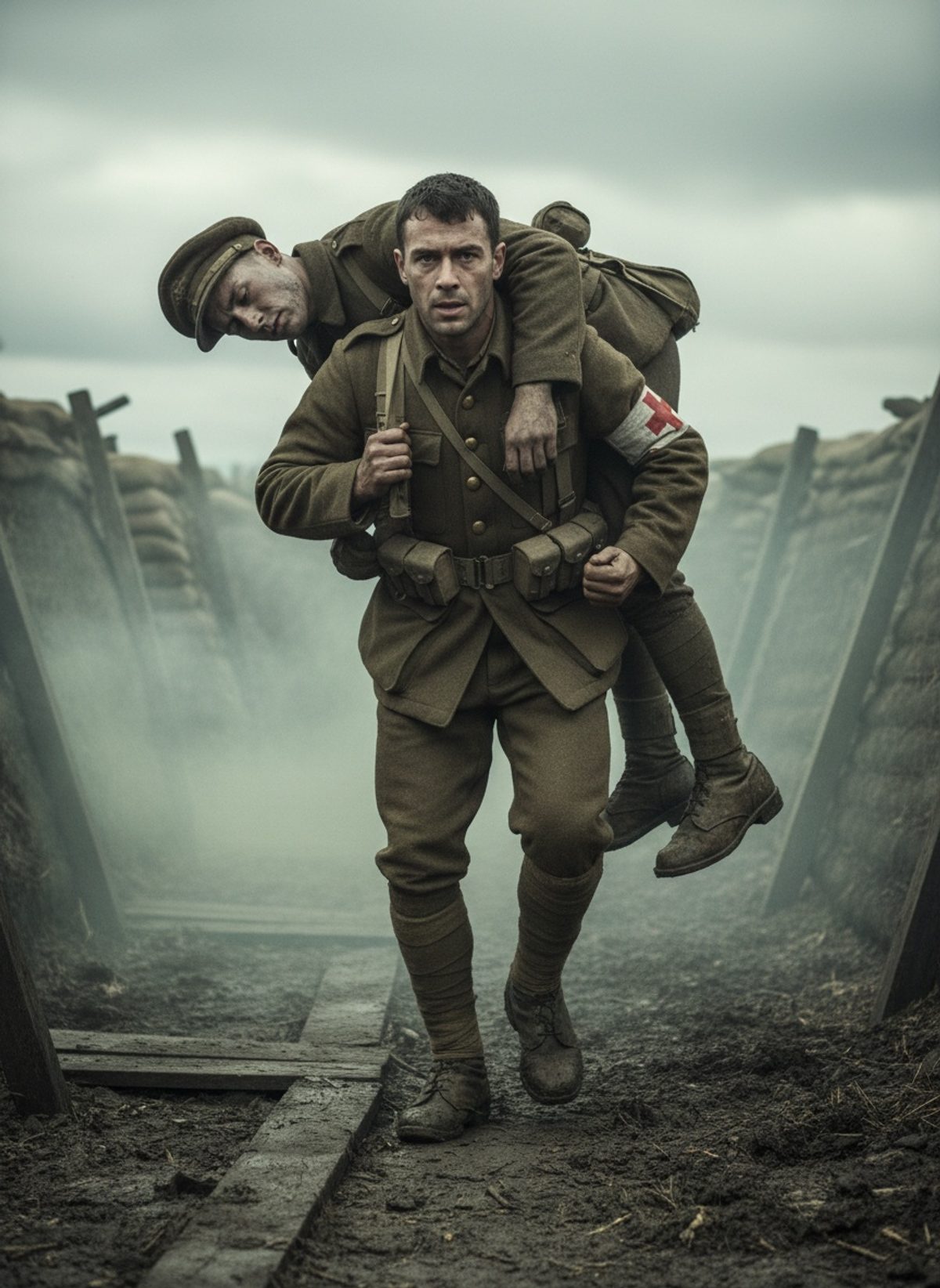
Some clung to life in the quagmires, their cries mingling with the groans of the dying. Others, mercifully unconscious, lay in heaps like discarded dolls. Field medics worked feverishly amidst the chaos to salvage what humanity they could, pulling men from the mud under the scornful eye of an unremitting enemy fire. The cost was catastrophic; by nightfall, the casualty figures reached beyond comprehension — of the British attackers, 57,470 were dead, wounded, or missing. Nearly 20,000 lay permanently still, their stories forever untold.
This bloodiest day in British military history did not merely add a chapter to the annals of World War One; it transformed the nature of warfare itself. Military strategists revised texts and tactics, grappling with lessons taught by the grim professor of the Somme. Old strategies conceived at the gas-lit tables of a bygone era faltered before innovations in wartime technology. Machines now ruled over men, reshaping the battlefield into a place where courage served only to heighten the tragic ledger of loss.
Even amidst such ruinous defeat, seeds of the future were sown. The Somme saw the introduction of a novel engine of war — the tank. Though few in number and often immobilized by the same cloying mud that trapped men, they harbored the potential to break the deadlock of trench warfare. The tank’s appearance on 15 September 1916, as part of a later phase of the battle, hinted at the mechanized age to follow: a time when steel and oil, not flesh and bone, would determine the outcome of conflicts.
For those who survived July 1st and the ensuing months, memories lingered long after the guns fell silent. The scarred terrain of the Somme, marked by countless graves, became hallowed ground. Relatives journeyed to these fields, seeking solace and closure where none would ever suffice. The battlefield itself was transformed into a vast cemetery, where townships of white stone crosses rose amid the red poppies that stubbornly bloomed each year, defiantly beautiful above the scars of war.
The lessons of that day echo still, vital in a world all too quick to forget its past. The horror of July 1st remains: a stark reminder of the cost of human conflict. It is a lesson that technologies may change, nations may struggle, and victories may turn pyrrhic, yet the value of human life is redefined with every bullet spent. Should we listen to the whispers of those lost voices, we may find a guidepost that sets us on the path not only to remember, but to understand and to learn, ensuring that such a blood-soaked day never dawns again. In their silence, they offer not just a past to be studied, but a future to be hewn anew.