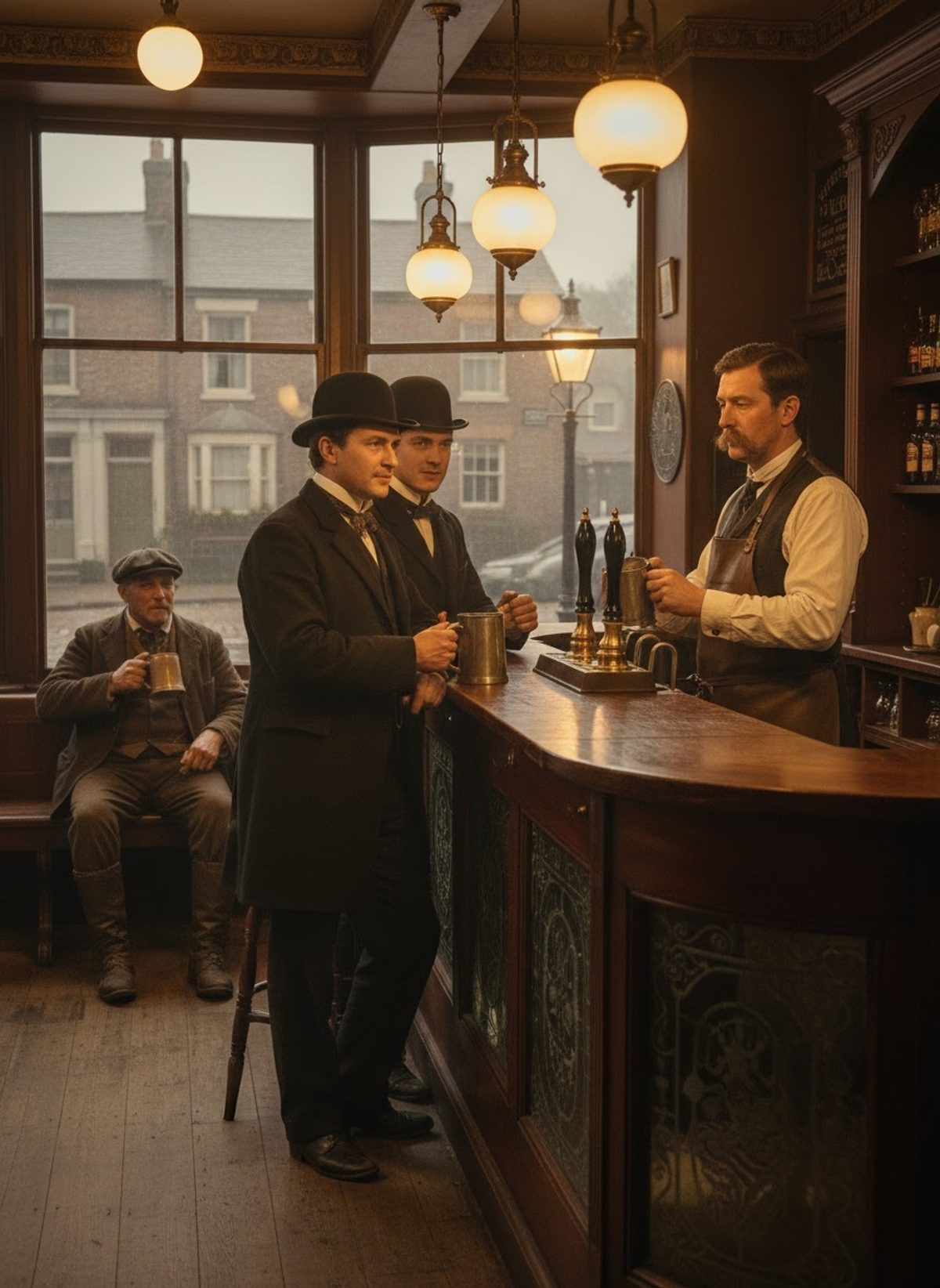
The clatter of mugs and the hum of conversation filled the air inside the White Horse, a bustling pub nestled in the heart of Victorian London. Thick smoke swirled around the room as a sea of top hats and bonnets bobbed in tight clusters.
It was a scene of vibrant chaos, a testimony to the pub’s central role in the fabric of 19th-century British life. As the night wore on, the temperature rose, fueled by laughter and the sharp tang of beer. It was here, in places like this, that a monumental cultural battle was brewing.
The Drinking Dilemma
In the 1870s, pubs had become an inescapable part of British existence, with one for every 168 people. These establishments were more than just drinking holes; they were social epicenters where the boundaries of class and politics blurred over frothy pints. However, the overwhelming proliferation of pubs was symptomatic of a deeper societal crisis: Britain's escalating drinking problem.
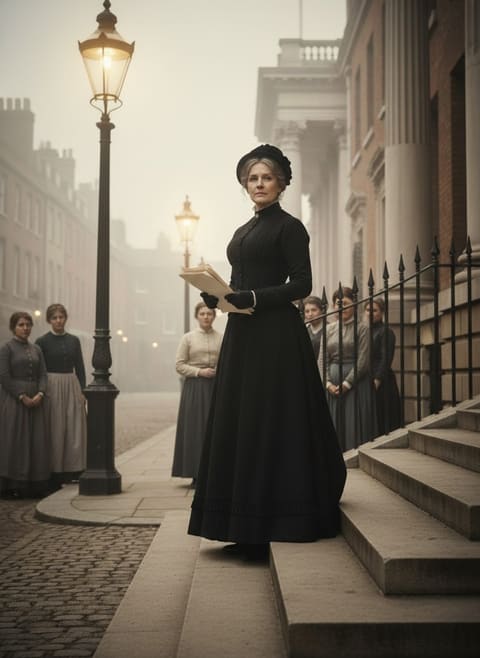
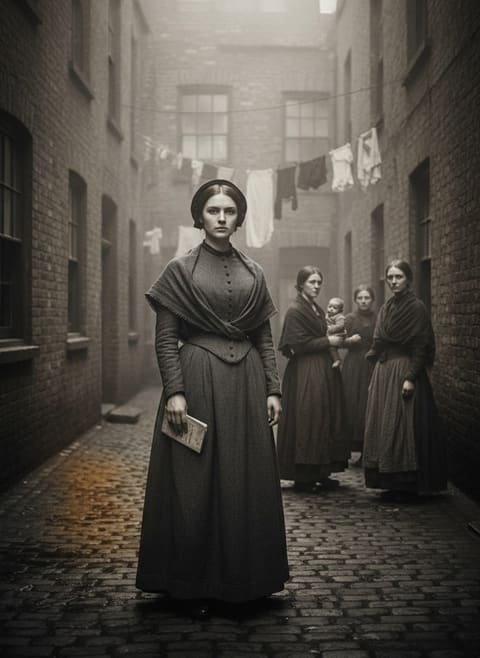
This surge in alcohol consumption was alarming politicians and moral reformers alike. They saw the pub as a symbol of the country’s moral decay, where workers squandered their wages and families suffered. The cultural clash was palpable on the streets where such towering monoliths of merriment confronted the sweeping moral reforms advocated by the temperance movement.
Read next: The Palace of Glass That Burned to Ash in a Single Night
With public drunkenness becoming a common sight, social reformers demanded change. Efforts to curb this national indulgence ignited tensions and set the stage for a political firestorm that threatened to fracture one of Britain’s most powerful parties.
A Government on the Brink
The battle took center stage within the halls of Parliament, where William Gladstone’s Liberal government attempted to rein in the thriving pub trade with restrictive legislation in 1871. Licensing laws proposed tighter controls on the opening hours of pubs, igniting a fierce backlash. The decision to tackle the "demon drink" went beyond the bottle, revealing deep rifts within the nation’s political landscape.
The proposal was met with ferocity by an unexpectedly robust foe: the pub trade. By the 1870s, this industry had grown to become one of the most formidable lobbying forces in Parliament. It wielded significant economic power and had the ears of many who saw the pub as an essential part of British culture rather than a vice to be vanquished.
As debate raged, the Liberal Party found itself teetering on the brink of collapse. Publicans rallied masses in protest, and newspapers brimmed with stinging critiques of the proposed legislation, painting it as elitist and detached from everyday life. This was not simply a law but a battle for the soul of England, leaving a political party perilously divided.
The Electoral Consequence
In the wake of public outcry, Gladstone faced an uphill battle in the 1874 election. Despite his efforts to focus on broader liberal reforms, the backlash over drinking laws haunted his campaign. Many historians suggest that it was this one issue, above all others, that cost him the election. The will of the people, it seemed, flowed more strongly towards preserving the liberty of the pub than bowing to the yoke of regulation.
The electoral defeat spoke volumes about the role of alcohol in Victorian society—it wasn't merely a drink but an entrenched tradition. Pubs provided much-needed respite from the rigors of industrial life, a place where communities met—not just workers but their families too. For many, the notion of reducing access seemed an affront to personal freedom and identity.
Read next: The Printer Who Built a Cathedral Facade in Glazed Tiles
Thus, this political misstep echoed as a reminder of the public’s deep-seated loyalty to the pub, even when it clashed head-on with calls for societal betterment. The British pub, it appeared, was not a problem to be solved but a fixture to be acknowledged, celebrated, and, perhaps, handled with greater care and understanding.
A Modern Legacy
Though Gladstone's efforts in 1871 failed to achieve their intended restriction, the seeds of change had been sown in the public conscience. Over the decades, these tensions paved the way for moderated licensing laws and a tempered approach to public drinking. Just as the pubs of Victorian England shaped social norms, the fierce debate over their future shaped modern Britain’s approach to alcohol regulation.
Fast forward a century, and the echoes of this historic struggle reverberate still. The British pub remains an enduring icon of cultural heritage. While the number of pubs has dramatically decreased, their spirit thrives as centers of social interaction, sustaining the vibrant discussions and connections that once defined their Victorian predecessors.
The story of the White Horse and its counterparts serves as a stark reminder of the enduring battle between liberty and regulation. It’s a tale that speaks to the power of public spaces and how they mold and are molded by society. As we sip our pints today, it's worth pondering how these lessons from history thread their way through time. Who knew a simple night at the pub would leave such a lasting mark on Britain's national identity?