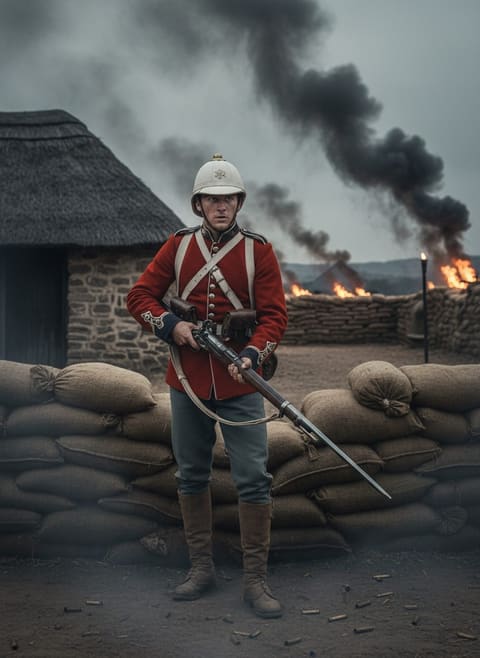
He was an army corporal with a tarnished name. Left behind, yet he became the last man standing.
The Prelude to Catastrophe
The First Anglo-Afghan War was born not in the minds of soldiers but within the smoke-filled parlors of Britain's political elite. Afghanistan, a place of strategic allure rather than intrinsic interest, became a pawn in the Great Game – the fierce imperial rivalry between Britain and Russia. In 1838, the powers that be decreed the necessity of an armed intervention to prop up the British-installed puppet ruler, Shuja Shah Durrani, in Kabul. Sixteen thousand troops, a mix of British and Indian sepoys, marched from the plains of India into the snowy passes of the Hindu Kush, brimming with the confidence of empire.
Yet, as they trudged into Afghanistan's heart, the army found itself met not with flowers but an unyielding resistance from the Afghan populace. A fragile calm lingered initially. The fate of the expedition began to unravel, however, when restless Afghan tribes orchestrated a relentless guerilla campaign against the occupying forces. Supplies dwindled, morale plummeted, and what was initially a mission of strength turned into a nightmarish quagmire.
A Perilous Retreat
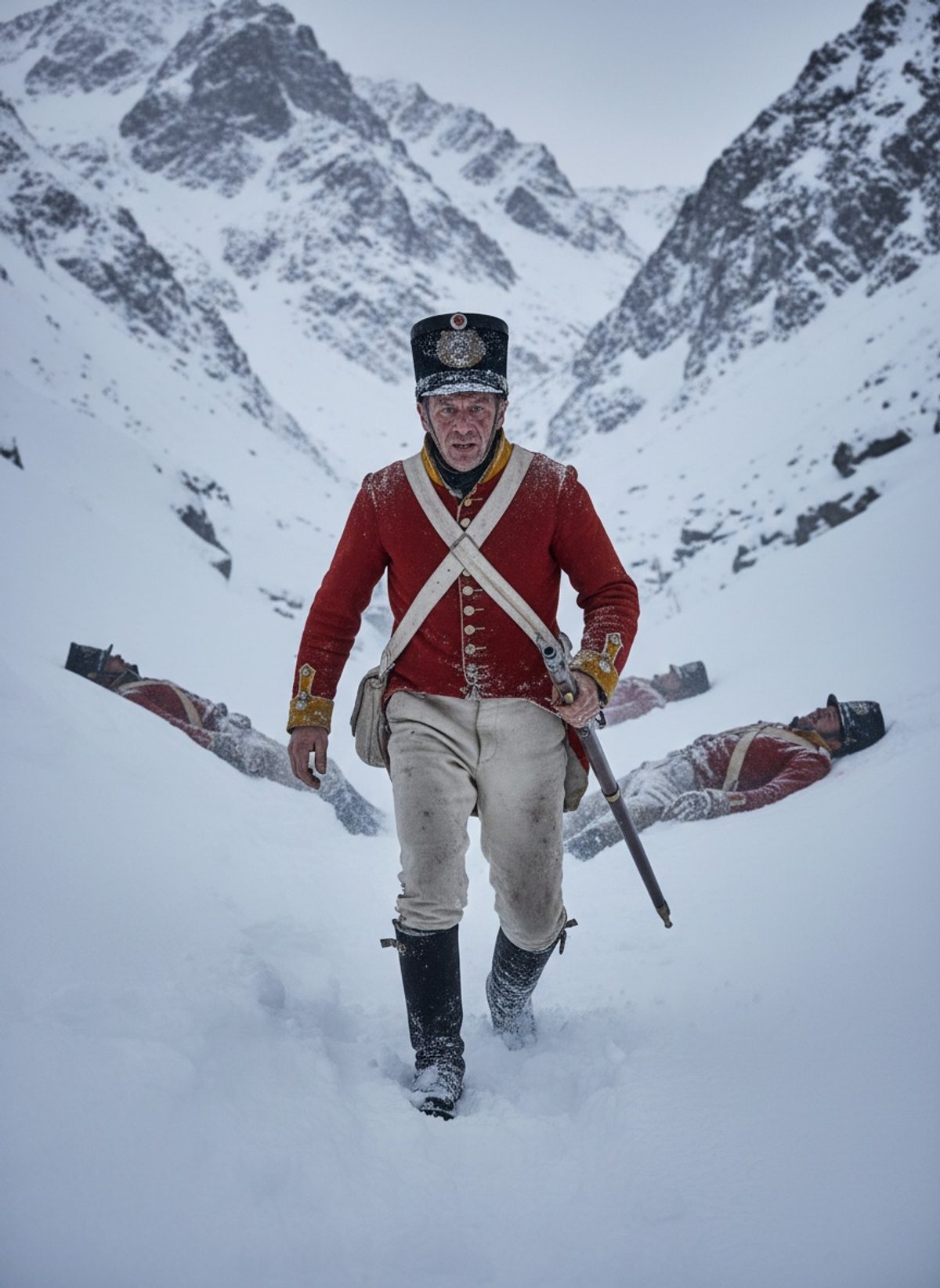
January 1842 marked the beginning of a disastrous retreat from Kabul, a decision forced upon the British by the dire circumstances they could no longer control. The men, frostbitten and starving, followed General William Elphinstone into the treacherous Khyber Pass. The severe winter did not discriminate, claiming lives from both the lowly sepoys and the lofty officers alike. From the icy cliffs loomed baleful tribal snipers, ever ready to strike, reducing the columns of men to smaller and smaller bands.
Read next: He Was 58, Dying, and He Still Led the Charge
As desperation set in, systemic failures revealed themselves. Orders from the leadership were confused; often the chain of command seemed nonexistent. Through it all, a faceless corporal of no notable rank or lineage carried on as best he could, witnessing the slow unraveling of the army he had sworn to serve. The silence of the frozen nights was sporadically interrupted by screams and musket fire, a dreadful symphony of death echoing throughout the narrow passes.
Survival at a Cost
Of the myriad that began the march, only one exhausted, frostbitten soul rode into the British garrison at Jalalabad. That man was Dr. William Brydon, often remembered as the lone survivor. But history tends to overshadow the lesser figures, figures like the elusive corporal who, against all odds, emerged as resilient as the landscape itself. In fact, some stragglers and prisoners did survive in various ways, but they became invisible in the grand narrative dictated by the more influential.
In the aftermath, British authority recoiled at the ignominy of their defeat. The generals, despite orchestrating a catastrophic blunder, emerged relatively unscathed, their careers intact and even buoyed by a measured return to military orthodoxy in subsequent years. Their reputations were polished through the lens of empire, forgiven or merely forgotten in time. But fate was not so kind to the rank-and-file survivors.
Read next: He Stepped Forward in Lucknow and Offered His Life
The quiet corporal, whose real story vanished into obscurity, bore the consequences of collective failure. He returned to a society that refused accountability from those in power, leaving the burden on those without voice. His tale and those like his remind us of the inequitable distribution of blame, where tangible consequences were reserved for the bottom of the hierarchy.
Lessons Hidden in Snow
The sad tale of the retreat from Kabul serves as a harrowing chapter barely acknowledged in the annals of popular history. The underlying forces at play, the political whims that propelled armies into a foreign abyss, resonate with alarming clarity even today. An empire's desires were met with untold losses, yet lessons went largely unheeded, often vanishing beneath the shimmering blanket of contemporary fixes and forgotten echoes.
It becomes vital to remember—whether in India's dusty barracks or the frozen expanses of Afghan passes—that history often elevates the notable while silently entrapping the ordinary in shadows. The story of an unnamed corporal, obscured despite his endurance, is more than history; it is a mirror reflecting the cold truths about power, oversight, and culpability. These events do not merely linger as haunting memories but as important reminders that real change often comes from acknowledging the footnotes of history, the lives of those who walk on without accolades or lamentation.