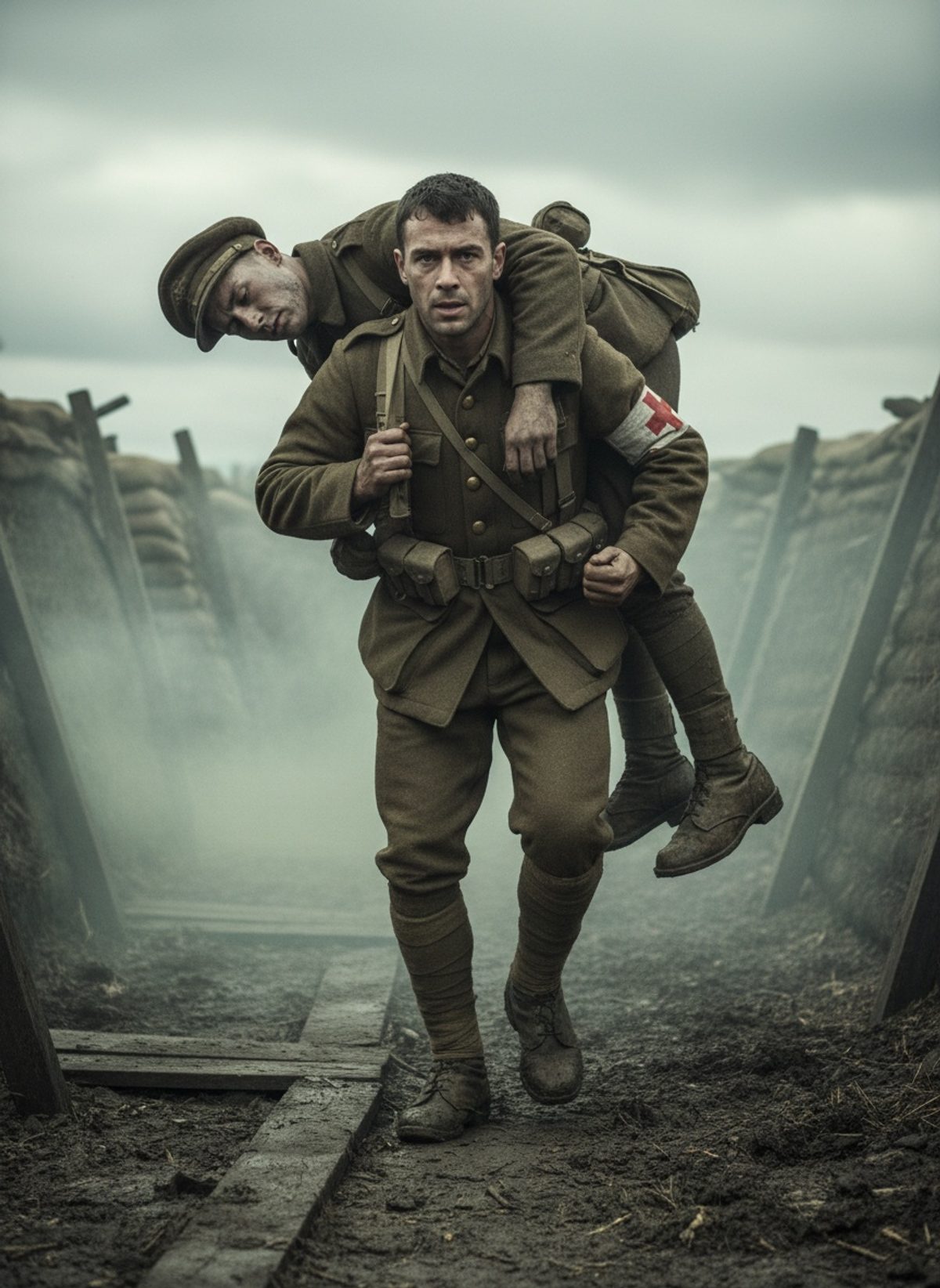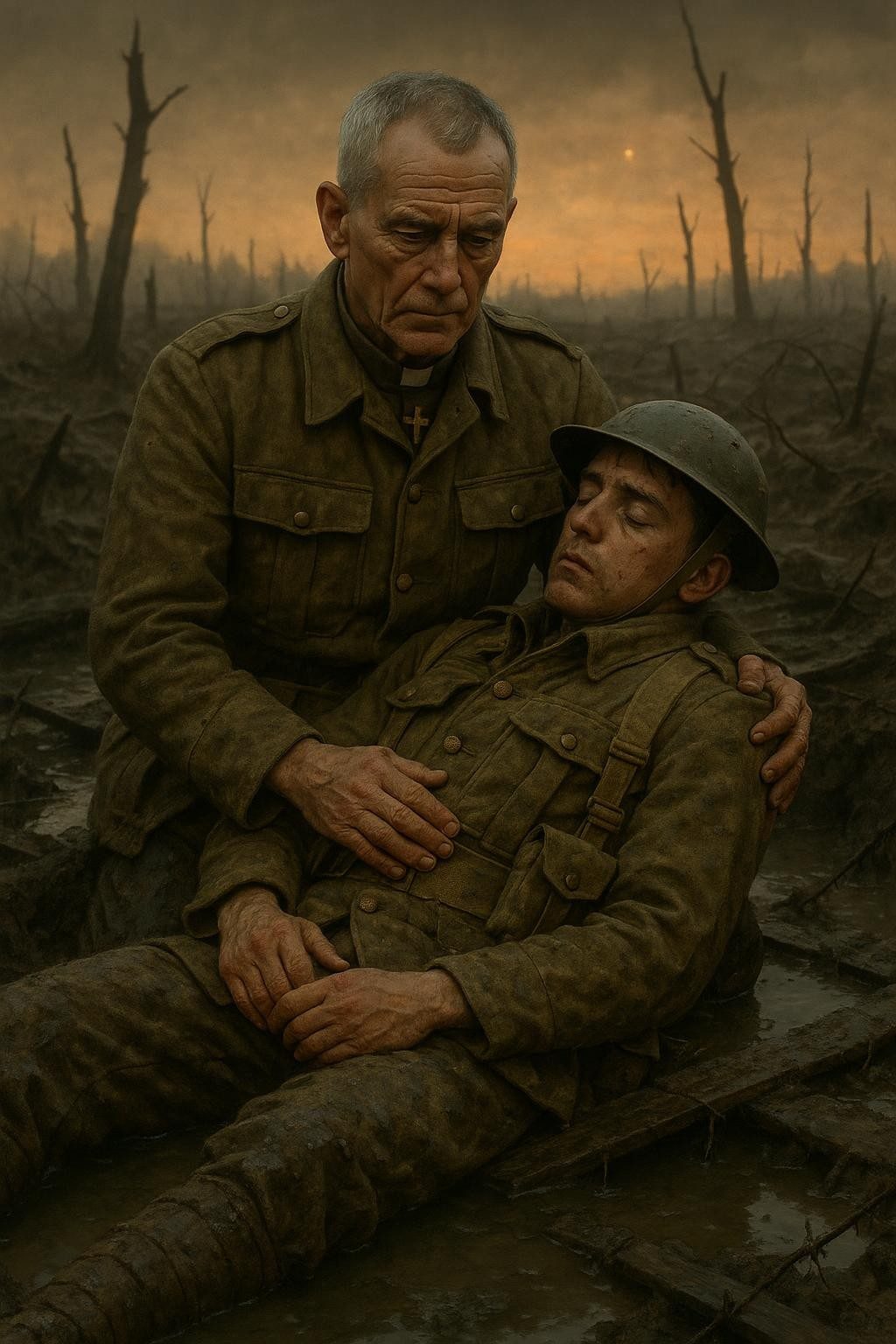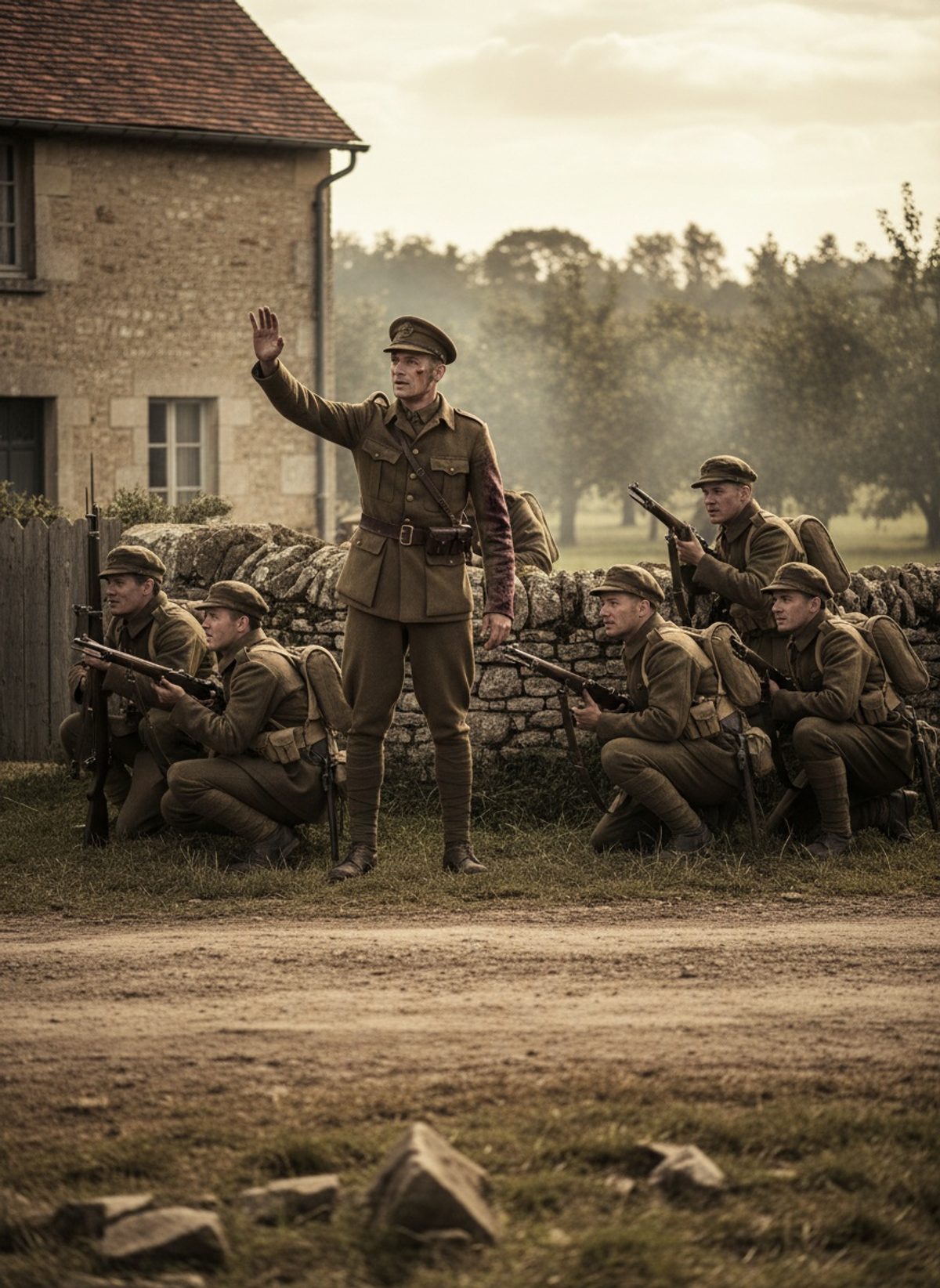
The air was thick with smoke and the acrid smell of gunpowder. The ground vibrated under the relentless barrage of artillery, and the ear-splitting staccato of machine guns was punctuated by the cries of wounded men. There, amidst the chaos, 800 Irishmen clung to a crossroads on a foreign field in August 1914. As the sun dipped below the horizon, they readied themselves for another wave of grim-faced German soldiers surging towards them — five thousand strong and intent on breaking through.
The Desperate Retreat
In the frantic early days of World War I, the British Expeditionary Force (BEF) found itself a fragile thread, stretching tenuously across the war-torn fields of Belgium. Ordered to halt what would come to be known as the "Great Retreat," these forces moved back across the landscape, making heart-stopping withdrawals in the face of the advancing German juggernaut. Yet, for one battalion of Irish troops, retreat was not on the cards. Instead, their fate was sealed by an order devoid of optimism but heavy with necessity: hold the crossroads.
To comprehend the desperation of that order, it's crucial to understand the strategic context. The BEF, along with French forces, had initially advanced into Belgium, expecting a swift encounter with their adversaries. However, the German Schlieffen Plan — a strategy of encircling Paris by sweeping through Belgium — soon revealed itself as a formidable, fast-moving threat. The Allies found themselves outmaneuvered, their lines bending dangerously. Every hour gained by the Irish at that crossroads was an opportunity for the main body to escape, to regroup, and to live to fight another day.
The Stand of the 800
As dawn broke over the horizon, the order to hold was clear. The 800 Irish soldiers fortified their position under the command of resolute officers who understood that their task would inevitably become a sacrificial one. Subtle channels backed up with sandbags offered scant protection against the overwhelming odds. They knew their role was not to survive, but to slow down the advancing enemy to buy precious time.
Read next: The Day a British Nurse Walked Into a Firing Squad
When the full force of the German corps hit in waves, the Irish greeted them with fierce resistance. Armed primarily with rifles, supported by a handful of machine guns positioned at strategic intervals, they exploited the landscape to their advantage. Despite the odds, the Irishmen fought valiantly, repelling assault after assault. The staccato of gunfire and the sharp cracks of grenades filled the air, making it nearly impossible to distinguish one hour from the next. As the sun climbed high overhead, exhaustion set in, yet the Irish soldiers held their ground, sustained by a resolute courage that transcended fear.
Heroes Left Behind
The sun was beginning to set when a brutal truth dawned on the beleaguered defenders: their sacrifice was complete. After 14 hours of fighting, they had secured the time needed for the retreating army to reach safety. A silence descended as the final echoes of conflict faded, the battlefield cloaked in a deathly quiet broken only by sporadic cries carried by the wind.
In their wake, 127 Irish soldiers lay dead, heroes fallen where they stood. Their stand on this nondescript crossroads on Belgian soil had ensured the survival of those who continued what had become one of the longest and most arduous retreats in military history. Their legacy, almost invisible to many at the time, was etched in the silence that now haunted their once thunderous battlefield.
The Unseen Legacy
These 800 Irishmen may have been left behind — not by choice, but by circumstance. They remain largely unknown in the grand tapestry of World War I narratives, eclipsed by larger battles and broader strategies. Yet their story offers a sobering reminder of the personal sacrifices underpinning every strategic decision in war. It speaks to the bonds of duty and the profound sense of loyalty to one’s comrades and mission.
Even as the history books focus on the major generals and grand strategies, it is stories like these that fill the margins with whispers of courage and sacrifice. The 800 at the crossroads were more than just soldiers; they were lifelines for an army on the edge of collapse, underscoring the quiet heroism that can turn the tides of history. Their story, though a silent chapter, should echo through time as a testament to valor, reminding us of the ghosts who stand watch over every hard-won victory. These legends, far from forgotten, nestle in the stories we share — if only we remember to tell them.