They expected to walk — not run, not charge, just walk. More astonishing yet, they were told the German lines would be all but obliterated by the time this treacherous march began. Yet by 7:31 am on that fateful July day, mere seconds into the Battle of the Somme, it was painfully clear just how wide the chasm was between planning and reality on the Western Front.
By the early hours of 1 July 1916, the British Expeditionary Force had spent a week battering the German front lines with a relentless artillery bombardment. Nearly 1.7 million shells were hurled towards enemy fortifications with the aim of decimating the German defences, notably their barbed wire obstacles. Command had assured the men that little would stand in their way after this earth-shattering prelude — an assumption that would very soon prove tragic.
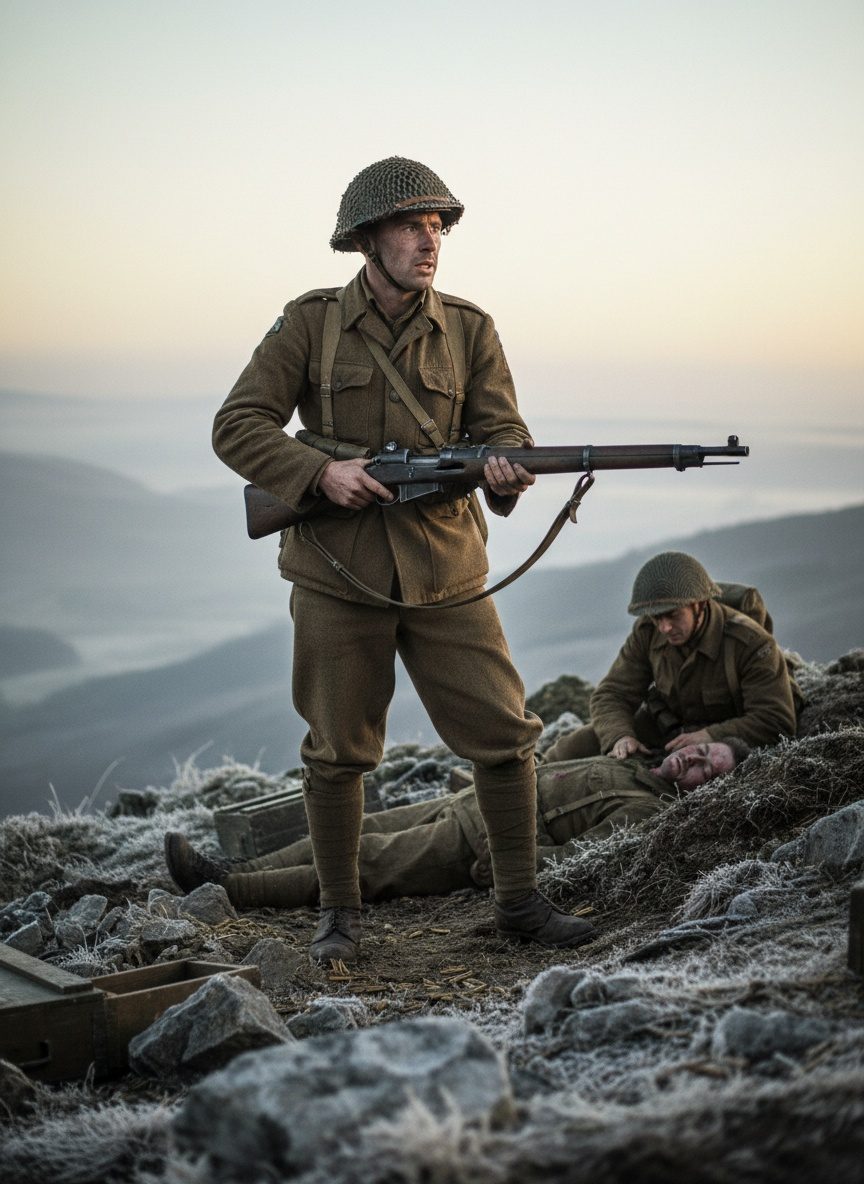
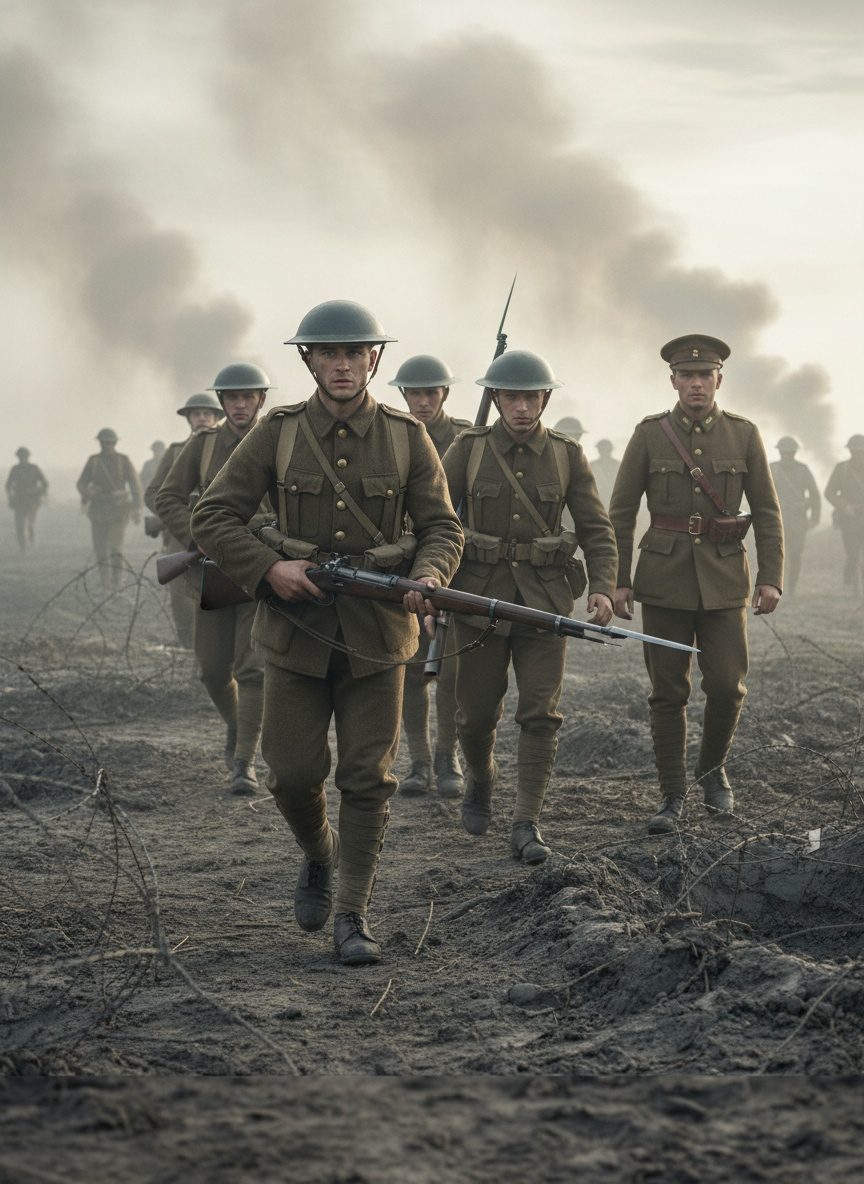
Zero hour was 7:30 am. The whistle blew, and the signal to climb out of their trenches came not as an order to heroically surge forth, but as a call to calmly advance, laden with the weight of full packs. Across an 18-mile stretch, young soldiers — many forming 'Pals' battalions made up of men from the same neighborhoods, schools, or places of work — lifted themselves over the parapet into a nightmare of chaos and horror. Almost immediately, they were met with a hellish panorama.
Instead of obliterated lines, German machine guns remained intact and fiercely operational. They opened fire with merciless precision; crisscrossing fields of fire targeted the waves of khaki-clad men trudging towards their lines. The sight was gut-wrenching, like water breaking on rocks, yet they pressed forward. The irony and tragedy were apparent too late. What should have been a shock to German troops, who the artillery had attempted albeit unsuccessfully to neutralize, was instead a monstrous parade as British soldiers became targets on a treadmill of death.
Read next: The Night a Teenage Gunner Held the Bridge at Arnhem
In the hours that unfolded, villages with tranquil-sounding names such as Serre, Thiepval, and Gommecourt became synonymous with sacrifice and catastrophe. Amidst this hulled-out tableau, stories of individual heroism emerged. Tales of battalions that advanced shouting, singing, and cheering epitomized a poignant blend of bravery and naivety. These men, many of them consisting of whole communities, were wiped out in minutes.
The statistics defy comprehension: around 57,470 British casualties by nightfall, almost 20,000 of whom lay dead. The sheer scale of the loss marked it as the bloodiest day in the history of the British Army. It was a day so devastating that British command had been reluctant to foresee — and one devastatingly overlooked in its preparation.
Yet, the story does not end with the horror graphs of statistics and the positioning of troops. It is the tenacity sewn deep into the fabric of the human spirit that deserves illumination. What went unnoticed amid the carnage and despair was this: despite the catastrophic losses, the line did not break. Men held their positions; they persevered where lesser spirits would have faltered. That gambit of steadfastness, priced in blood, drew a psychological line in the bucolic fields of France.
While military historians debate endlessly about failures in planning, intelligence, and execution, what remains incontrovertible is the testimony to commitment etched into the unyielding ground of the Somme. Many men went over the top proud to answer the call, albeit under false expectations. Even when faced with apocalypse, their resolve did not wane. So-called duty entered a different dimension under fire, transcending textbook definitions to become an enduring testament to human grit.
One must not forget the seasoned understatement with which many veterans later recalled the day. In memoirs and interviews, their testimonies humanize the numbers. A number so colossal, so heart-wrenching that it risks becoming an abstract. But these were fathers, brothers, and sons. They were friends and childhood companions placed on a chessboard of attrition, unceremoniously swept away in the tide of war.
The battlefields today are serene fields interrupted by gravestones, whispering the events few textbooks dare to tell in their stark honesty. As you walk the preserved trenches and stop beneath the towering oak trees — themselves survivors of the gunfire and shelling — a perilous acknowledgment takes root. Each white cross represents an unfulfilled life, an interrupted story, and a sacrifice we continue to reckon with.
Understanding the Battle of the Somme isn't about reliving the past's bloody pages but rather what specks of fortitude they have given to our tapestry. It is about finding meaning in the chaos and deaths that seem both intersectional and omnipresent throughout time. For in the morning 57,470 men fell, the story of Britain did not fracture; it fortified across the unending reach of its lineage.
The First of July isn't merely a story of military protocol gone awry; it is a somber meditation on how we recognize valor, learn from missteps, and nurture the resilience that suddenly seems attainable only when faced with the utmost dread. Let us not shy away from examining why they ascended from the trenches into known peril and remember why they did not step back, even as fate unfolded with cruel clarity.