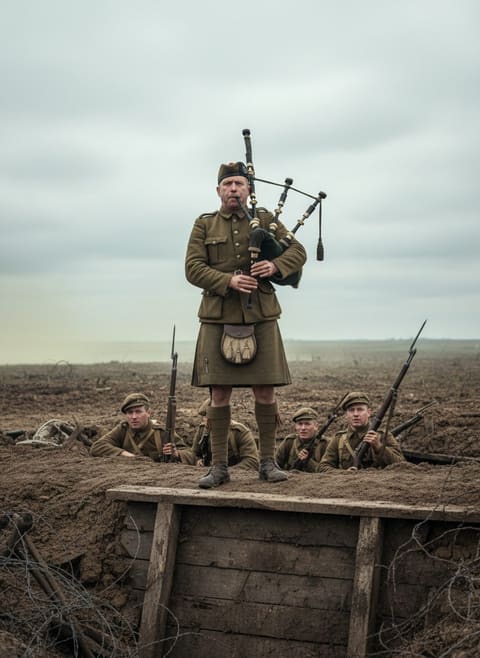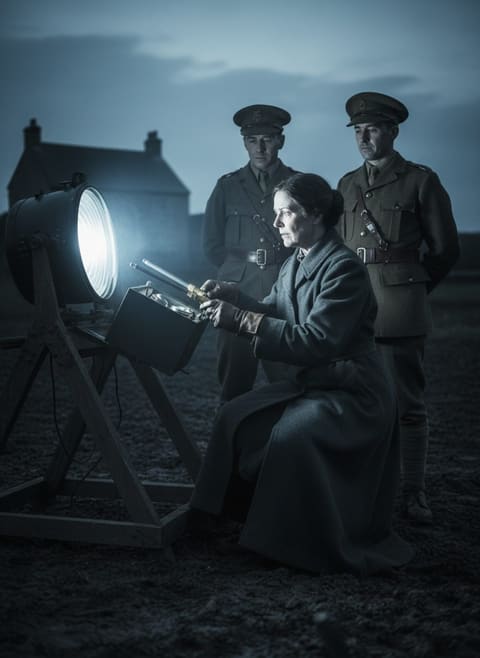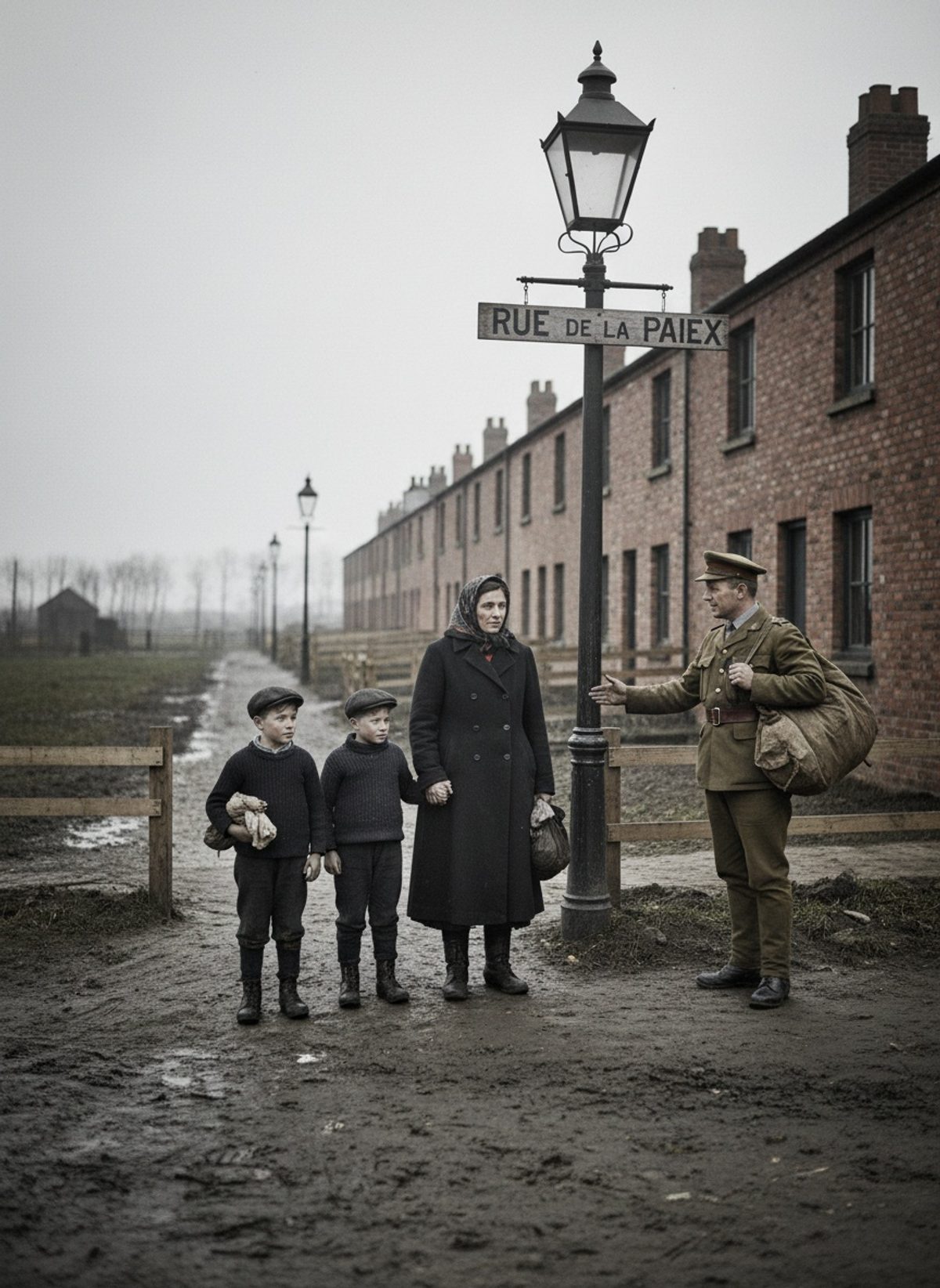
Belgium has never had a town in the English countryside. For a few short years during the First World War, it did.
The Deluge Across the Channel
In August 1914, the sweeping advance of German troops across Belgium unfolded with brutal momentum, leaving a swath of chaos in its wake. The resulting tide of humanity spilling into Britain was unprecedented; an influx of approximately 250,000 Belgian refugees had crossed the channel seeking shelter. Britain, unprepared yet resolute, opened its arms wide to its beleaguered neighbor, hosting what was to become the largest refugee movement in its history.
As Belgian families were welcomed into English homes, a more colossal undertaking was quietly initiated amid the picturesque countryside of Surrey. This was not merely a temporary sanctuary, but rather the creation of a mini Belgium — a place where Belgian culture, language, and law would hold sway on British soil.
The Belgian Haven: Origins of Birtley
On the outskirts of Surrey, a unique collaboration between the British and Belgian governments gave birth to "Elisabethville," a fully-fledged Belgian enclave. Named after the beloved Belgian Queen Elisabeth, this town was designed to accommodate thousands of displaced Belgian workers and their families. Shadowed by the war raging across the Channel, these men were instrumental in supporting Britain's wartime efforts, employed in the manufacture of munitions crucial to the Allies.
Read next: He Was 58, Dying, and He Still Led the Charge
But this was not an ordinary British munitions factory. With autonomy granted by the British government, the town ran according to Belgian customs and laws. From its inception, everything from policing to school curriculums faithfully replicated Belgian life. Street signs were in French or Flemish, and the town resonated with the sounds of home — markets bustling with familiar goods and churches echoing prayers in native tongues.
The Fabric of Community
Life in Elisabethville thrived with a vibrancy that belied the town’s provisional nature. Residents struck a resilient balance between preserving their heritage and integrating elements of English life. Shops lined the streets, cafes and bakeries wafted aromas of pastries familiar to any Belgian, and communal gatherings celebrated holidays with the fervor of traditions far older than the town itself.
Despite its insularity, Elisabethville was not isolated. The town’s residents forged friendships with locals, exchanging cultures and stories, their mutual respect reflected in collaborations that reached way beyond commerce. The town's existence spoke volumes about the wartime spirit of solidarity and the resilience of a people uprooted from their homeland.
A Forgotten Legacy
By the war’s end in 1918, the reconstruction of Belgium beckoned the town’s residents back home. Elisabethville, like many wartime improvisations, began to fade. Buildings were dismantled, and its once-bustling streets grew silent. The unique period where British land briefly harbored a Belgian town became a footnote in the tumultuous history of the First World War.
Read next: He Stepped Forward in Lucknow and Offered His Life
Despite its dismantling, the ripples of Elisabethville remained, contributing to the narratives of those who lived there. For many British locals, the short-lived town was a representation of resilience and kindness shared across nations. As years passed, sepia-toned photographs and fading records were some of the few testimonies of an episode left out of most textbooks but etched into personal histories.
The Ties That Bind
Looking back at the fleeting existence of Elisabethville, one is reminded of the impermanence of conflict-induced transformations and the enduring human spirit. The creation of a Belgian town on foreign shores stands as a stark testament to international cooperation during crises and the indelible bonds it can forge. In a world often fraught with division, those few years in Surrey encapsulated profound lessons in compassion, adaptability, and cultural coexistence.
Ultimately, Elisabethville serves as a poignant reflection on how communities can flourish in unfamiliar landscapes when empathy and understanding cross borders. Though the town itself is now but a memory, its legacy continues, a quiet reminder of the powerful unity that can emerge in the face of adversity.