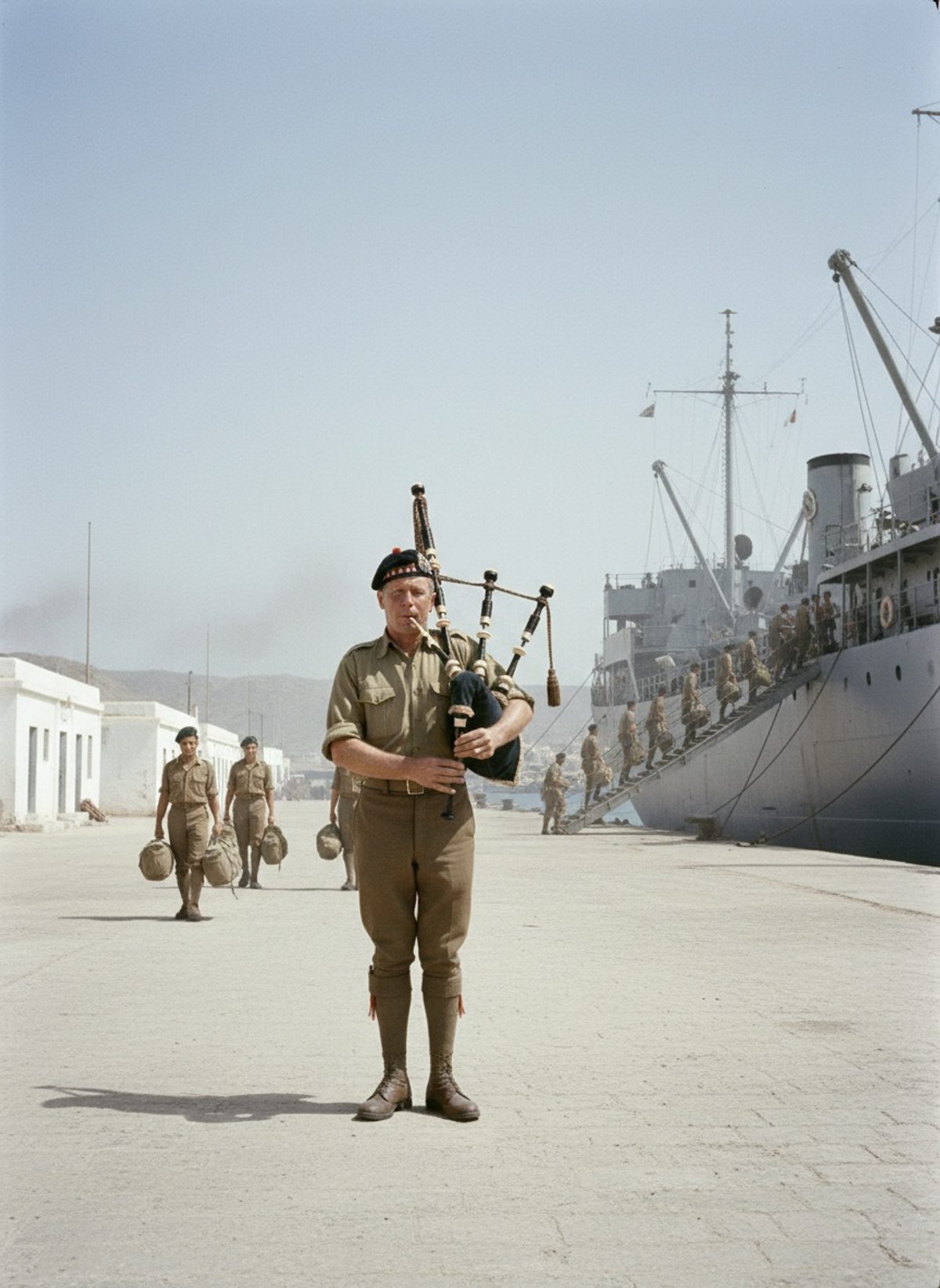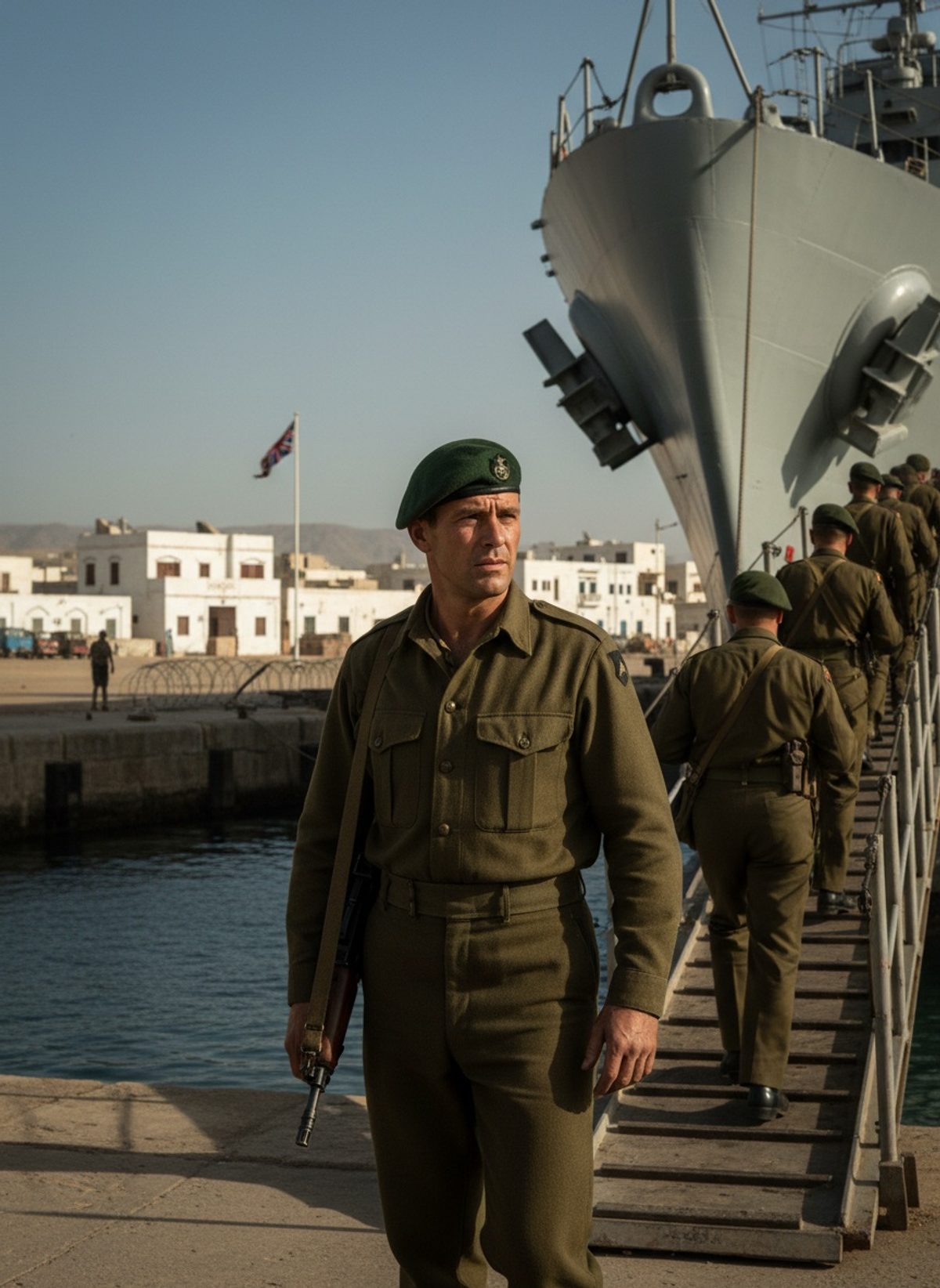
He was twenty-five years old. He had never fired a gun in battle until the day he left Aden.
The Departure Decision
The withdrawal from Aden in November 1967 signified more than just a retreat of British forces; it marked the end of an era. Aden, perched strategically at the mouth of the Red Sea, had been Britain’s last bastion east of Suez—a vital refueling stop on the route to India and an important military base for nearly 128 years. Holding on to this jewel had become untenable amid surging nationalist fervor and relentless guerrilla warfare.
British authorities had long entertained the idea of withdrawing, but 1967 found them under increasing pressure both internationally and domestically. The decision to leave was driven by mounting local resistance catalyzed by factions like the National Liberation Front and the Federation for the Liberation of South Yemen. The struggle was brutal, with urban hit-and-run tactics that claimed the lives of civilians and soldiers alike, creating a climate of fear and chaos. The British government knew that remaining would extract more resources and lives than it was prepared to sacrifice.
The Men of Forty-Two Commando
Among the last of the British forces were the men of 42 Commando Royal Marines, who played a crucial role in securing the perimeters during those tense final days. These commandos were seasoned, disciplined, and known for their stoic bravery. Their mission was to hold strategic positions until every last British soldier could safely withdraw.
Read next: When America Told Britain: Arm Yourself or Lose the Falklands
The commandos found themselves in a precarious situation, tasked with maintaining peace in a city that seemed to deteriorate by the hour. They encountered sniper fire and ambushes, familiar foes in the alleys of Crater City—men with whom they had played this deadly cat-and-mouse game for months. Their duty was not just to protect their fellow soldiers during the withdrawal, but to leave without sparking a final bloodbath that could escalate the conflict further.
The Final Hours
As the sun set on the final day, tension hung thick in the air. The commandos continued their vigilant watch, their uniforms saturated in sweat but their spirit resilient. It was a ghostly scene: the dusty streets of Aden soon to echo only with the footsteps of her new keepers.
Like shadows in the dusk, the commandos began their retreat, boarding waiting ships in silence. The Union Jack, long a symbol of imperial presence, was lowered with little fanfare, marking the end of an era in which the British Empire’s reach was global and seemingly unshakeable. It was a moment both monumental and subdued, encapsulating the quiet dissolution of Empire more than any grand departure could.
Straight Into History
Walking silently away from the shore, the Royal Marines were acutely aware that they were stepping into history. Their departure was not celebrated with pomp but marked with quiet dignity. The commandos left behind a land smoldering with tension, the future uncertain and fraught with potential conflict.
The psychological weight of this departure was profound. For many servicemen, Aden had been a crucible, teaching them truths about resilience, sacrifice, and the complexity of imperial entanglements. As they gazed back from the safety of HMS Albion and other ships, it was hard not to reflect on the role they played in the epochal shift beneath their feet.
The Lessons of Aden
The exit from Aden is more than a historical footnote; it resonates as a powerful lesson about the limits of imperial ambition. Britain’s retreat underscored the folly of clinging to colonial possessions in the face of an insurmountable tide of nationalism and self-determination.
It also serves as a stark reminder of the cost of empire—not just in resources and lives but in the human stories woven into the fabric of distant shores. Aden was a microcosm of the wider end of empire, illustrating the messy, poignant reality of relinquishing global dominance long after its original purpose had faded.
The last British soldier left Aden, not with a roar, but with the soft footfall of retreat—a sound that echoes still as we ponder the enduring implications of empire and the narratives that were deemed too intricate, perhaps too inconvenient, to make it into the traditional textbooks.