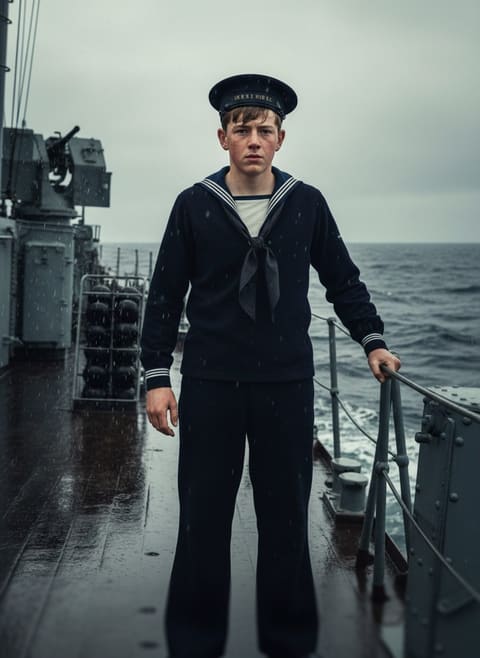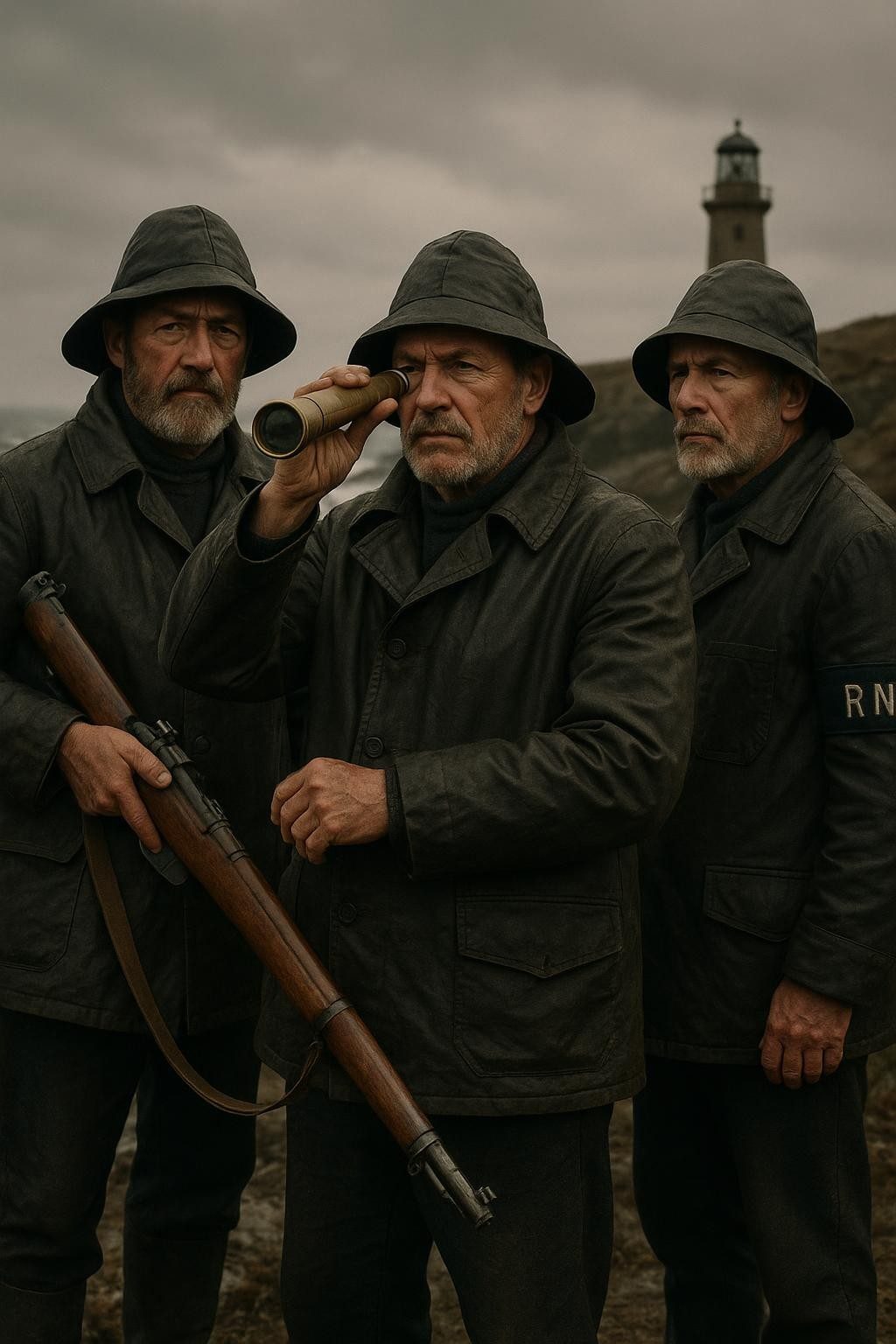
The rugged coast of Cornwall is a study in grey. The skies and seas merge into a seamless horizon, shrouded in mist and punctuated by distant cries of gulls. Waves rhythmically crash on the rocky outcrops, their persistent roar a backdrop to the lives of those who dwell here. As Britain teetered on the brink of war in August 1914, this seemingly tranquil scene was one of countless sentinels of maritime vigilance tasked with an unthinkable role: defending the realm.
The Unexpected Guardians
When the First World War erupted, the Royal Navy—Britain's vaunted maritime shield—sailed to confront the principal threat on the high seas. This exodus left a critical vulnerability; Britain's extensive coastline, comprising crucial ports, bustling estuaries, and sleepy fishing coves, lay exposed. As if overnight, the reality of war washed across the shores, and something had to be done. The solution came in a form that blended community spirit with the eccentric charm of British improvisation: the Royal Naval Volunteer Reserve's Coast Watching patrols.
Imagine the sight: a motley crew of fishermen, lighthouse keepers, and retired naval men cobbling together a Coast Guard as expeditionary forces waged battles hundreds of miles away. These were not soldiers fashioned by rigid drills but locals, familiar with their bays and straits through years of toil, well-versed in reading the whims of the sea. Donning oilskins instead of sleek uniforms, their faces etched by salt and time, these makeshift defenders embraced a dual existence—guardians of the day, protectors of the night.
The makeshift patrol required a resourcefulness born from necessity. With scant recognition and minimal armament—often just old hunting rifles—these civilians transformed into vigilant watchmen, scanning the horizon for the silhouettes of enemy vessels or the periscope of a lurking U-boat. Their stations were high and often rugged, little more than the same promontories used daily to survey the sea for fish.
Read next: He Was 58, Dying, and He Still Led the Charge
Yet, their tasks held stakes far beyond their immediate view. This widespread civilian network became an early warning system against the shadow of German raiders intent on disrupting Britain's vital supply lines. While the Navy waged battles abroad, it was this collection of disparate individuals who first sighted danger at home, ready to sound alarms at a moment's notice.
A Nightly Vigil
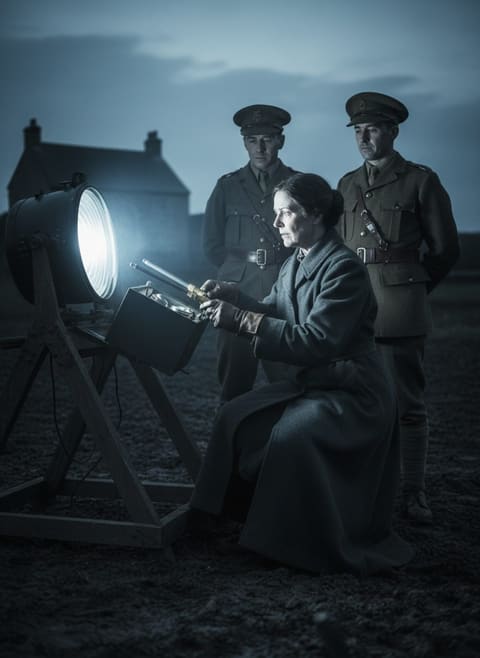
As darkness descended upon the coastline, a thick velvet cloaking the world, the Coast Watchers settled into another night of watchful anticipation. Lanterns were lit sparingly, and conversations murmured quietly over the insistent whisper of the wind. It was a nightly vigil tempered by the knowledge that the war's specter demanded constant alertness.
The patrols were an experiment in practicality over protocol, volunteerism over conventional chain of command. Perhaps it was in this unique arrangement that their strength lay—the camaraderie of communities united by shared peril and purpose. Fishermen who once competed for the day's catch now watched the waters together, their differences dissolved by the collective need to protect their homeland. Browser tabs open to friendly faces sitting beside trusted hands reinforced the resolve to stand firm.
The shores they guarded were loaded with memories, a living history passed down by generations who had known the ceaseless bounty and occasional fury of the sea. But now, the encroaching war brought an upheaval that demanded new stories and new heroes. On these nights, whispers intertwined with the mythos of smuggler crafts and infamous wrecks, but the tales shared over steaming mugs were of nearby skirmishes, of lights spotted where none ought to be, and sometimes, of hearts heavy with news of battles schedules far beyond Britain's shores.
Despite the risks, there was pride in their mission. Though the Coast Watchers lacked the prestige of serving aboard mighty dreadnoughts, they knew their value grew every day as indispensable eyes watching for signs of aggression. No regular rotation interrupted their duty, except the occasional chance to see family or a call from the sea itself, demanding compliance through unpredictable storms or the urgent need of a trawler ensnaring its nets.
Read next: He Stepped Forward in Lucknow and Offered His Life
The Invisible Line of Defense
The coast of Britain, like its people, is resilient. The cliffs rise sternly against the elements, an unyielding barricade safeguarding the land. It was along this rugged frontier that the Royal Naval Volunteer Reserve's Coast Watching patrols continued their watch, bridging the gap left in the wake of the departed fleet. While naval engagements took form in distant waters, it was these quiet sentinels who served as the first line of defense against potential surprise attacks.
The understated nature of their work belied its significance; these were unrecorded acts of courage that the textbooks seldom illuminate. Their labor bore witness to an innovative spirit, a reassessment of what could be deemed military service. From lookout posts to the fleeting weathered phrases etched into seaside cottages—the simple words recounting years spent guardians—are part of a legacy of duty etched into the nation's terrain.
As the war evolved and new forms of battle required modern solutions, the demand for solely human patrols waned. Yet, the spirit of those watchful years endures— an everlasting reminder of those who discovered their mettle beneath the pale glare of the moon and the first flush of dawn. This alliance of sea-dwellers, ascending to a surrogate navy, reveals a narrative not of military strategists but of citizens wielding the will to protect and preserve against improbable odds.
In reflecting upon these oilskin-clad guardians of Britain's shores, one finds a tale less of military triumph than of community, fortitude, and an unfaltering commitment to a nation at war. In their story lies a testament to the power of coming together against adversity, crafting defense from the very fabric of their daily lives—an unexpected, yet vital chapter in the saga of Britain's wartime resilience that deserves its place in the annals of history.