In the heart of summer, the skies over London wore a canopy of steely gray. A chill in the air, unusual for June, whispered through the hallowed halls of Westminster. The streets buzzed with a restless energy, the tension palpable as clouds threatened rain over a city holding its breath. This was no ordinary summer; the specter of war loomed heavily. Amidst the routinely overcast British weather, a storm was brewing — one that stood to alter the fate of nations.
June of 1940 was not just another month on a calendar. To the east, Europe's defenses had crumbled like a house of cards. The French tricolor had been lowered, replaced by the haunting symbols of occupation. From across the English Channel, the sound of marching boots echoed too loudly, a constant reminder of the fallen ally. The piercing reality was this: Britain stood alone against the rising tide of darkness, as allies far and wide either succumbed to or steered clear of the conflict.
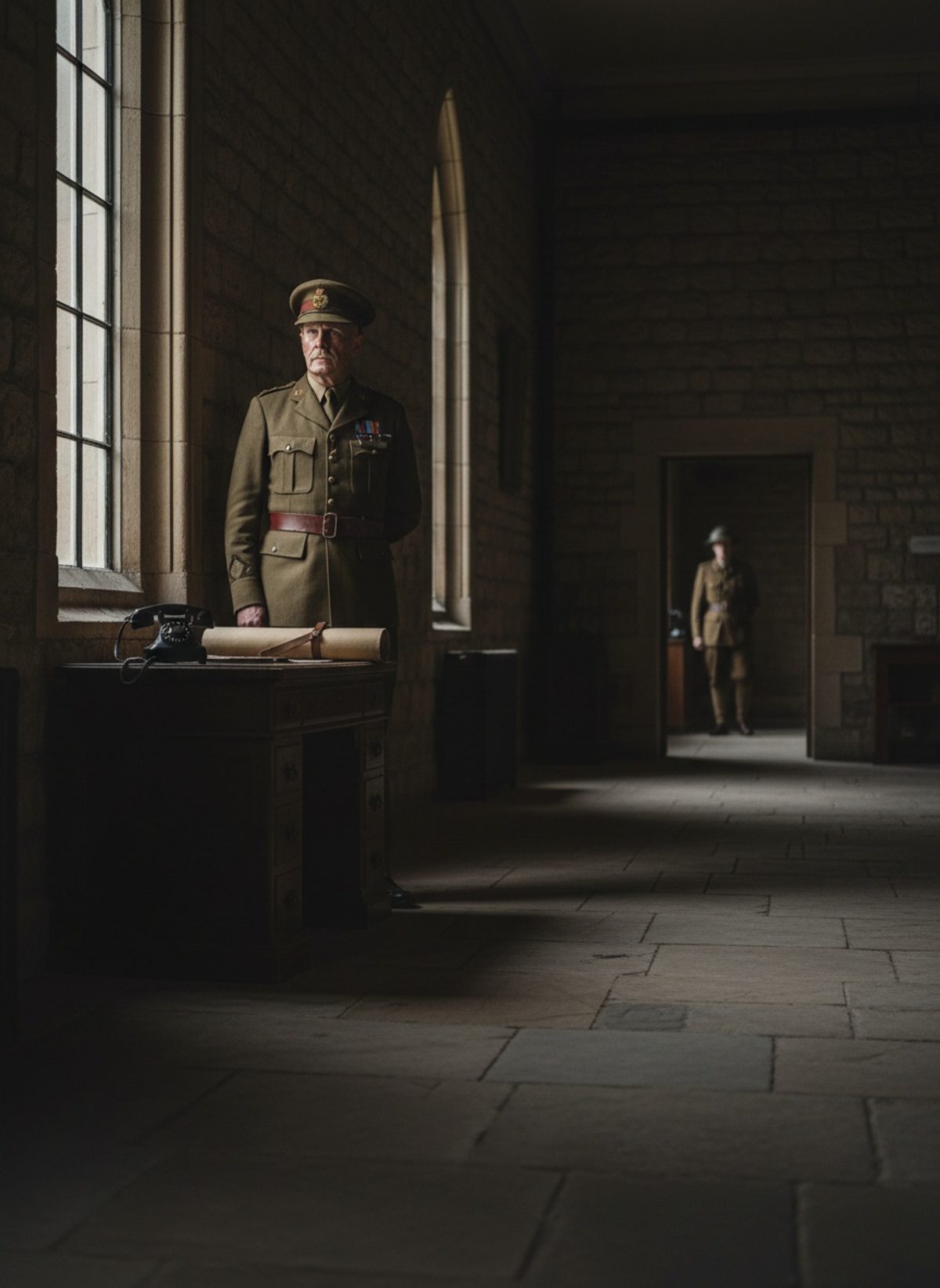
The once mighty coalition of European nations had withered to the winds, leaving Britain in a precarious solitude. The air carried a symphony of radio static, cutting through the silence as Prime Minister Winston Churchill's words broadcasted reassurance through crackling speakers: britain would rise to the occasion. Yet, behind those defiant words lay a tactical landscape fraught with risk. The mechanisms of government churned urgently within the ornate Cabinet War Rooms, their usual sparsity now bearing the weight of destiny. An atmosphere of suffocating urgency prevailed, as every whispered decision carried the weight of lives.
With France's surrender, the daunting specter of invasion hung over the nation like a sword, its point aimed directly at the British soul. Isolation was a cruel fate. Across the Atlantic, the United States, while sympathetic, had yet to abandon its pursued path of neutrality. Charles Lindbergh and his America First Committee vocally advocated staying out of Europe’s turmoil, and President Roosevelt grappled with the isolationist sentiment. The sea became Britain's formidable frontier with little reassurance that help would ever cross it.
Read next: He Was 58, Dying, and He Still Led the Charge
In the absence of external guarantees, Britain turned inward. The spirit of the island remained unbroken — astonishingly so. The English Channel was a barrier, but perhaps more so, a symbol of British resolve. It was the unseen boundary where courage and tenacity met, backed not just by the Royal Navy's bustling warships but by the indomitable heart of a nation under siege. American support, still a distant hope, inspired strategic innovation, pushing Britain to forge a new kind of resilience.
The forces of the British Empire, scattered across the globe, felt the call to arms. Australia, Canada, India, and others pledged allegiance, understanding the importance of unity. Roads from Cairo to Delhi, filled with troops and matériel moving in fervor, spoke of an Empire that would not falter. Even from abroad, the clangor of defense stirred the British homeland to action. Britain's heart beat as one, rallying volunteers and conscripts, who knew that the task—if not impossible—was daunting indeed.
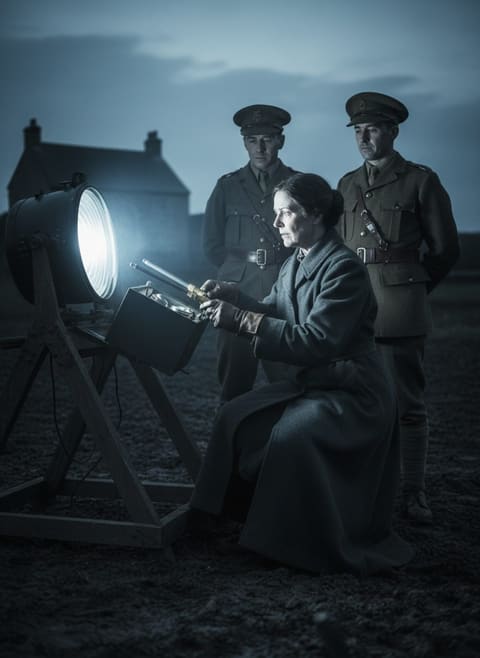
The Battle of Britain, barely a whisper on the horizon in those early days, promised an impending struggle for survival. But the skies swaggering with Spitfires and Hurricanes were not yet aflame. Instead, Britain's preparation became a fevered priority. The nation’s factories—many repurposed from civilian industry to munitions—hummed with production under the dim blue lights necessary for blackouts, while air-raid shelters sprang from every garden and public space.
Still, hope was a valuable currency, and Britain's perseverance became its strongest armament. It was a gamble of nerve, one Churchill wagered with confident bravado, inspiring a resistance that embraced the tireless men and women—soldiers, nurses, civil defenders, and average citizens alike. Plans were set into motion that never before had needed setting: the home guard trained with obsolete weapons while schoolchildren learned to identify aircraft silhouettes, underscoring the all-hands-on-deck ethos.
Read next: He Stepped Forward in Lucknow and Offered His Life
Amidst this isolation, Britain cultivated an identity of defiance—an identity forged in fires of necessity. Poetry, stories, even films from that time reflect a grit that modernity has rarely reproduced. The defiance wasn't just about bombs and bayonets; it was cultural, deep in every fiber of its people. From this crucible, an unexpected style emerged, something that stood firm against authoritarianism not only with force but with dignity and words.
And yet, while Britain persisted, it knew that isolation could not be an indefinite strategy. There were quiet, hopeful eyes on Washington, as diplomatic feelers reached out across the Atlantic in hopes of building bridges. Roosevelt's famous Lend-Lease program, still just a glint in the war-weary eyes of Britain, would eventually transform these diplomatic whispers into tangible support. But in those tentative days of June 1940, such aid was a distant star in a large sky over a small island.
This tale of standing alone marks a pivotal chapter in world history—a moment when a nation's courage determined the course of an entire war. The steadfast courage displayed by Britain in June 1940 served as both inspiration and reassurance, galvanizing those, near and far, who dared to resist tyranny. Its walls of resolve became the bedrock upon which the eventual Allied unity solidified. In those trying times, a solitary Britain not only held its ground but laid the foundation for a broader struggle—a struggle where the world's free nations would come together to ensure a more lasting peace.