He stood on the open deck, unfazed by the roar of engines and the fiery trail of destruction racing toward him. Lieutenant Commander John Sephton, a naval aviator, took aim with a submachine gun, confronting a Skyhawk jet with astonishing bravery. It was the final act of courage for a man who embodied the unyielding spirit of HMS Ardent in its darkest hour.
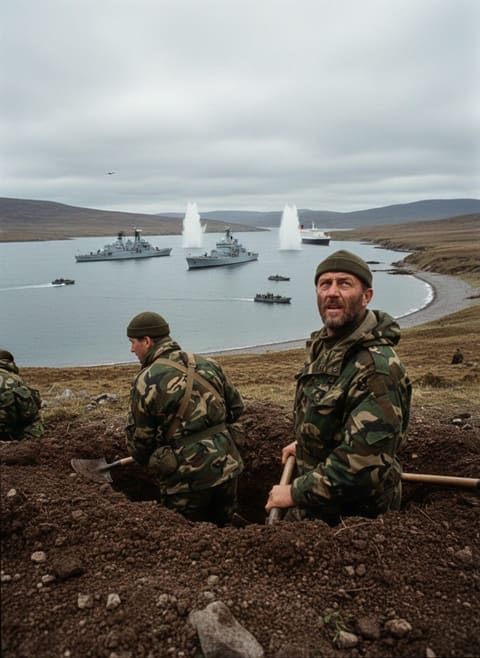
On 21 May 1982, HMS Ardent, a Type 21 frigate, navigated the perilous waters of Falkland Sound. The Royal Navy ship had a singular mission: to bombard the Argentine airstrip at Goose Green in support of Operation Sutton, launching British forces onto the Falkland Islands. Positioned directly in the path of Argentine jets, Ardent prepared to meet face-to-face with an adversary prepared to fight with relentless persistence.
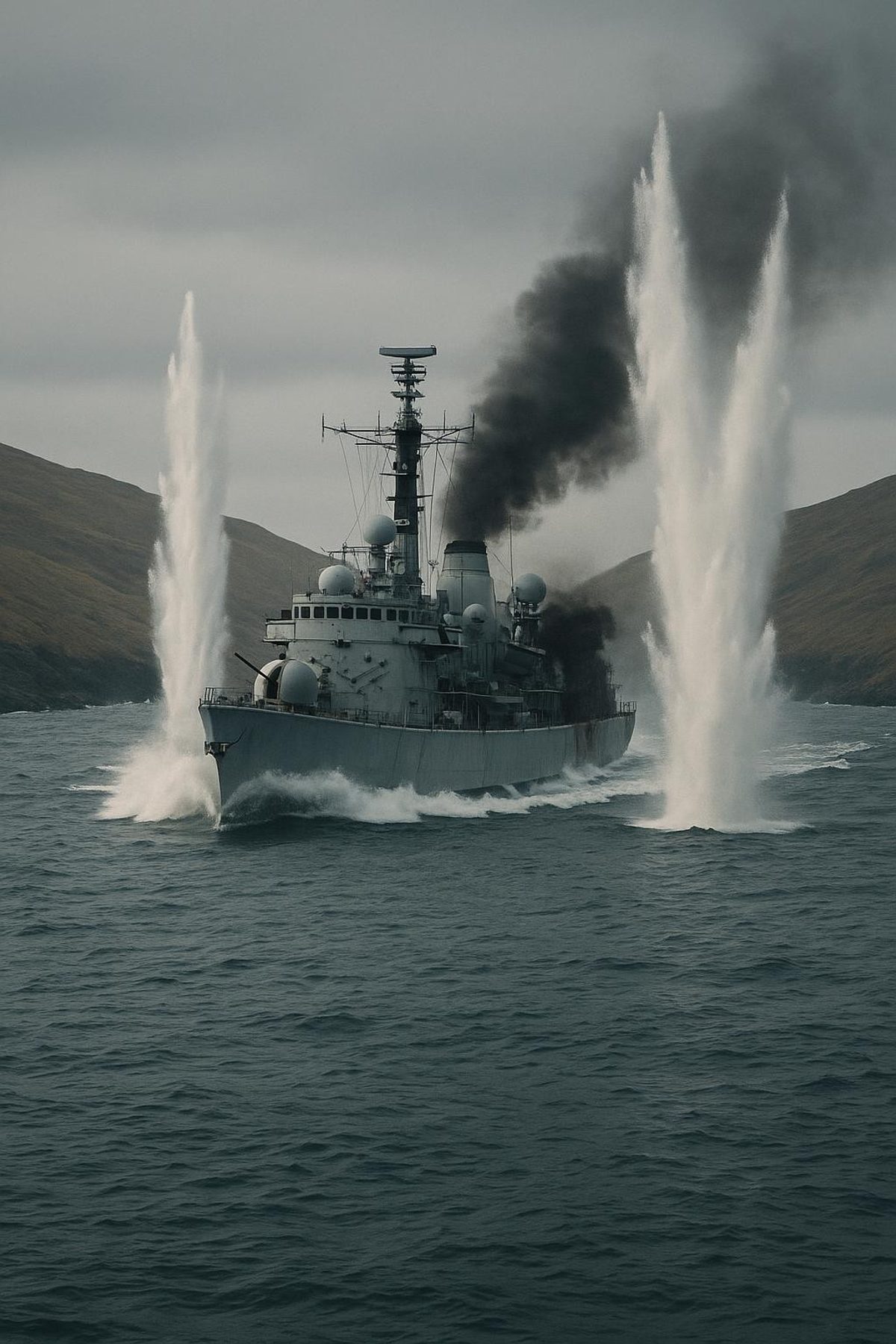
The first sign of hostility arrived at four in the afternoon when a lone Skyhawk emerged from the sky. Dropping two bombs that straddled the ship without detonating, it was only a taste of what lay ahead. As the sun dipped toward the horizon, Ardent became the focal point of concentrated Argentine airpower. At 17:40 Zulu time, a threatening pack of three aircraft, believed to be either Skyhawks or Daggers, commenced a menacing approach. The jets appeared from the west, turned sharply, and unleashed cannon fire upon the frigate's port side.
The ensuing chaos revealed terrifying vulnerabilities in Ardent's defenses. The Sea Cat missile system faltered. The 4.5-inch gun struggled to keep pace. Only the 20mm anti-aircraft cannons managed to respond to the aerial onslaught. The attack decimated the frigate, with bombs ripping through the aft auxiliary machinery room and exploding in the hangar. The damage was catastrophic. Her Lynx helicopter lay destroyed, fires consuming the stern, where havoc reigned in every compartment.
Read next: When Cochrane Took a Frigate Into a Fleet of Thirty, 1801
Yet, the tenacity of Ardent’s crew held the ship together, even as their defenses faltered. Unable to repel the airborne attackers, and with critical components disabled, Ardent persisted under power, holding her course. But her tenacity would not go unchallenged. At six in the evening, a quintet of Skyhawks descended upon the battered frigate, pummeling her with a raucous onslaught of free-fall and retard bombs.
The impacts wreaked havoc upon her infrastructure. Two to four bombs detonated on the port quarter, shattering the dining hall and severing lines of communication between the bridge and the control center. Ardent found herself incapacitated, unable to steer, leaving damage control teams to confront overwhelming adversity with minimal resources. The Sea Cat launcher, a crucial defensive asset, lay destroyed, and it was during this moment of desperation that Lieutenant Commander John Sephton assumed his heroic stance.
With relentless determination, Sephton organized a last-ditch defense, armed only with small arms in the face of the unyielding assault. On the exposed flight deck, he aimed his Sterling submachine gun skyward, a lone figure confronting impossible odds. The Skyhawk he targeted released its payload, with deadly precision striking the deck where Sephton and three others were killed. His valiant actions were posthumously recognized with the Distinguished Service Cross, acknowledging his "extreme valour and self-sacrifice."
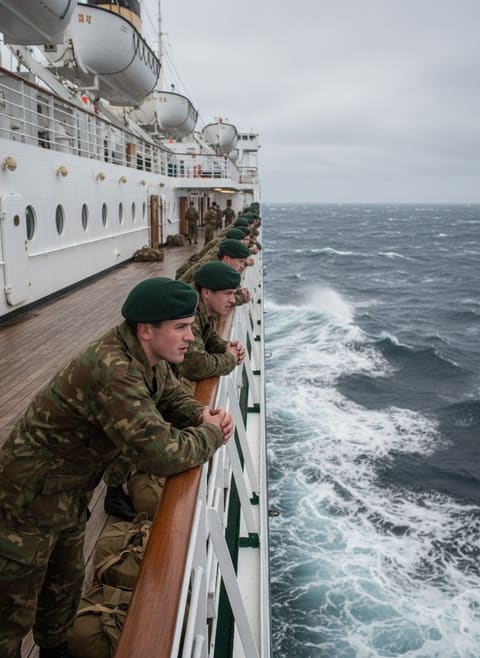
As Ardent succumbed to her grievous wounds, she drifted into the shallow waters of Grantham Sound. Flames engulfed her stern with devastating ferocity as she listed heavily in the water. Commander Alan West, faced with these insurmountable odds, gave the painful order to abandon ship. Alongside HMS Yarmouth, evacuation operations proceeded swiftly as the valiant crew transitioned to the troopship Canberra. When the toll was counted, twenty-two brave souls had perished, their lives consigned to history atop the tumultuous waves that marked the battle’s theater.
Commander West, refusing to abandon his vessel until the last survivors were secured, would later rise to eminence as the First Sea Lord. This resilient leader, whose actions throughout Ardent’s final hours earned him a Distinguished Service Cross, epitomized the indomitable spirit of respect and responsibility embedded in the naval tradition.
The demise of Ardent echoed on the winds of war, a somber reminder of sacrifice etched into history. The frigate burned throughout the night, with periodic bursts of flame casting echoes over the darkened waters—spectral harbingers of the destiny that awaited her. By 6:30 the following morning, only her radar antenna appeared above the waves, a haunting testament to human valor and the unyielding courage displayed against an unforgiving battleground.
Within the days that followed, the legacy of Ardent extended beyond her demise. Her light anti-aircraft guns were repurposed, integrating with other naval ships to bolster defenses. Her foremast, too, found a new purpose, serving her sister ship Arrow as a navigational beacon amid the raging conflict. As Ardent's materials conspired with those of other vessels to reinforce British resolve in recapturing the islands, her story grew beyond the confines of wreck and ruin.
Read next: When the White Ensign Flew Again Over South Georgia, 1982
Today, under the Falkland Islands Protection of Wrecks Act, the area where Ardent rests has become a prohibited zone. Her remains lie silent and undisturbed, an underwater cemetery marking the profound cost of conflict. Above, the echoes of courage continue to resonate through the waters of Grantham Sound, carried by the spirit of those who served with dignity and resolve amid the trials of war.
The legacy of HMS Ardent, her spirited crew, and the indelible mark left by Lieutenant Commander John Sephton's final stand serve as poignant reminders of bravery and sacrifice in the defense of sovereignty. This incredible story, born on the seas surrounding the Falklands, remains a compelling narrative of determination, selflessness, and the enduring power of human courage faced with impossible odds. As time marches forward, the actions of those aboard Ardent shield against the tides of history, inspiring future generations with a resolute commitment to liberty and valor. The story of HMS Ardent will not be forgotten, a chapter in history that will forever guide the conscience of the brave souls who defend tomorrow.
Earlier this month, British paratroopers rehearsed a landing on the islands Ardent died defending.
Part 10 of 24: One Falklands story a day until Remembrance Sunday