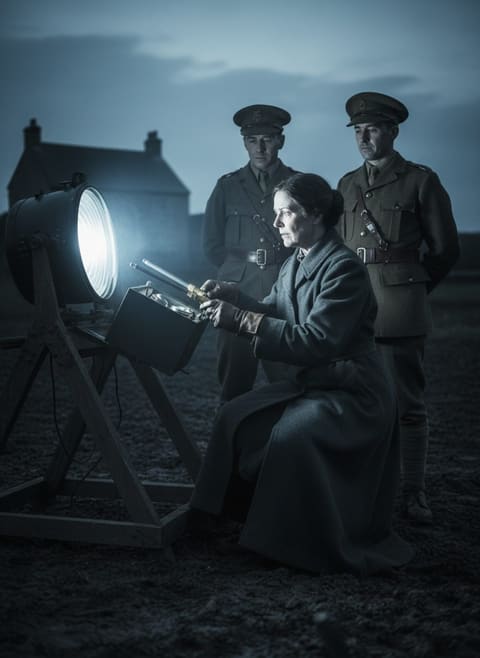
The air was heavy with the acrid smoke of gunpowder as Captain McGregor dropped to the ground, feeling the reverberation of artillery shells pounding the rocks above his head. The Dargai Heights, a formidable ridge held fiercely by Afghan tribesmen, mocked him with their apparent invincibility. Climbing them was as good as suicide, yet he braced himself for the sound of the bagpipes—his signal to advance.
The Bloody Prelude
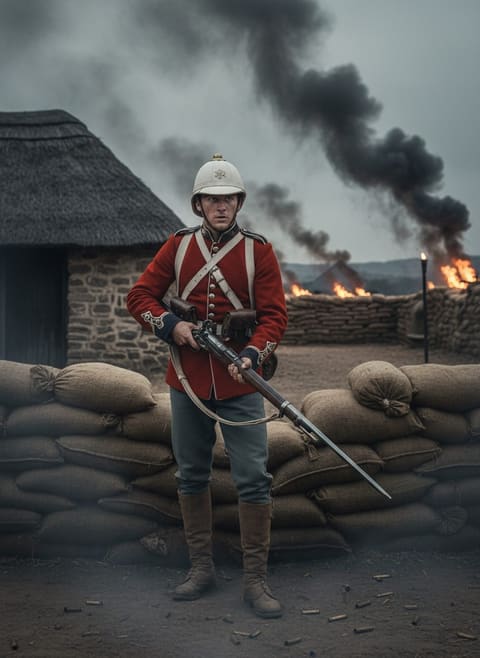
The North-West Frontier in 1897 was a cauldron of tension. The indomitable tribesmen had made the steep, rocky slopes of the Dargai Heights their fortress, having repelled four relentless assaults by British forces in what was intended to be a swift victory. The Trials along the frontier were escalating into a broader conflict known as the Tirah Campaign. In this rugged terrain, the very ground seemed to conspire against the Queen's soldiers. With artillery often out of reach, infantrymen faced the daunting task of charging uphill, directly into the line of enemy fire.
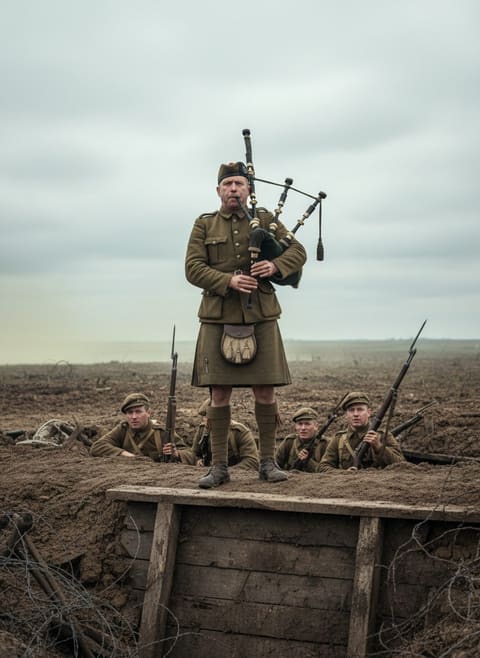
The searing heat of the day rose from the stone, mingling with the scent of sweat and fear. Among the troops, the Gordon Highlanders stood resolute, their kilts making them look almost ceremonial amid the chaos. Sierra Leone-born Piper George Findlater and his cohort illustrated courage few could muster as relentless Afghan sharpshooters picked off British soldiers attempting the ascent. It was a zone of death, so perilous that even the bravest hesitated.
The Highlander Charge
It was on this day, amidst a symphony of desperation and resolve, that the Highlanders made their infamous charge. As his heart beat to the rhythm of the pipes, a brief adrenaline-fueled moment of silence fell over McGregor. Then, at the shrill command, the pipes began their haunting war tunes, the sound echoing off the cliff face as if the mountains themselves played a part in this orchestral tragedy.
Read next: He Was 58, Dying, and He Still Led the Charge
The Highlanders hurled themselves against the hillside, a blurring mass of tartan and steel. Their legs burned with the strain of the incline, faces grimaced with determination. Under a hail of bullets, the miracle of Dargai began—not just in the bravery of those direct charges but in a feat of engineering warfare.
Dragging Iron Upward
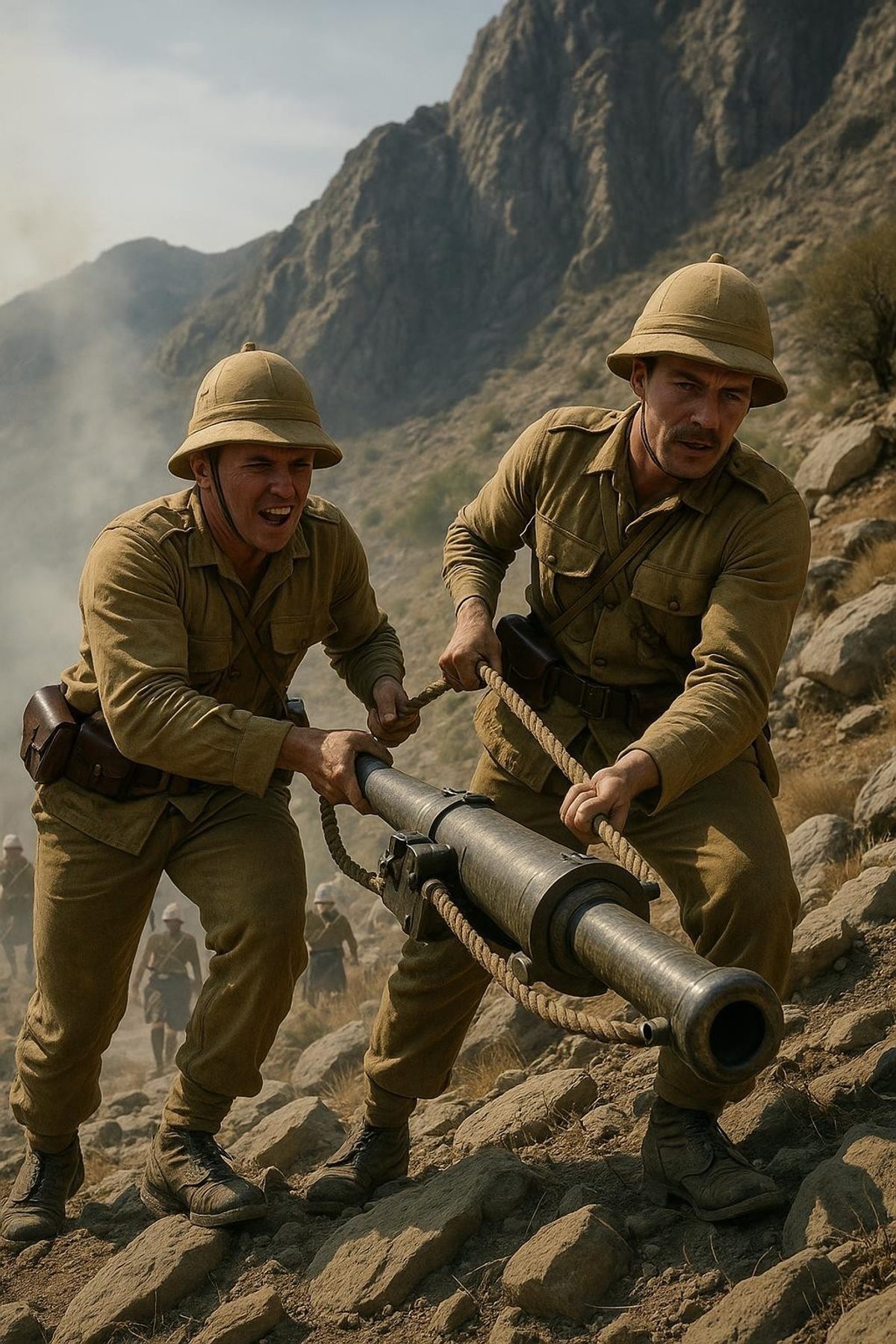
Behind this human tide, Royal Artillery gunners endeavored to achieve the impossible—elevating their 75mm mountain gun to a strategic position at the top. Instead of retreating, they defied the very nature of warfare and gravity, dismantling the cumbersome cannon into manageable fragments. Comrades lashed parts to mules and themselves, the iron beast transformed into a netting of ropes and wheels.
Read next: He Stepped Forward in Lucknow and Offered His Life
The mountain gun crew, inspired by the Highlanders' charge, became a blur of rapid motion and tenacity. Their supplies limited, they maneuvered the clumsy bulk piece by piece, ascending areas no heavier equipment dared tread. Raw hands, dust-caked faces, and straining muscles prevailed against the unyielding slope. As their boots slipped and skidded on the loose stones, even the seasoned tribesmen held their breath with respect.
Turning the Tides
At last, the unthinkable came to pass. The mountain gun, breathed to life as a complete entity, stood its ground on the peak. Artillery thundered, unleashing a barrage that echoed through the valley like the sky's own voice. The tentativeness in the tribesmen's defense began to show as the relentless percussion of the gunner's labor took its toll. With this culmination of bravery and ingenuity, the Afghan resistors faltered, their lines dissolving under the dual pressure of relentless assault and pounding shells.
The summit's conquest was not merely a tale of military prowess but a testament to persistence. The fusion of ancestral courage with the mechanical ingenuity of a gunnery crew paints a vivid portrayal of Victorian-era resilience. What unfolded that day on the Dargai Heights reverberated across the empire—a stark reminder of the unpredictability of warfare and the valor of those who faced insurmountable adversity and emerged, if not always intact, unbroken in spirit.