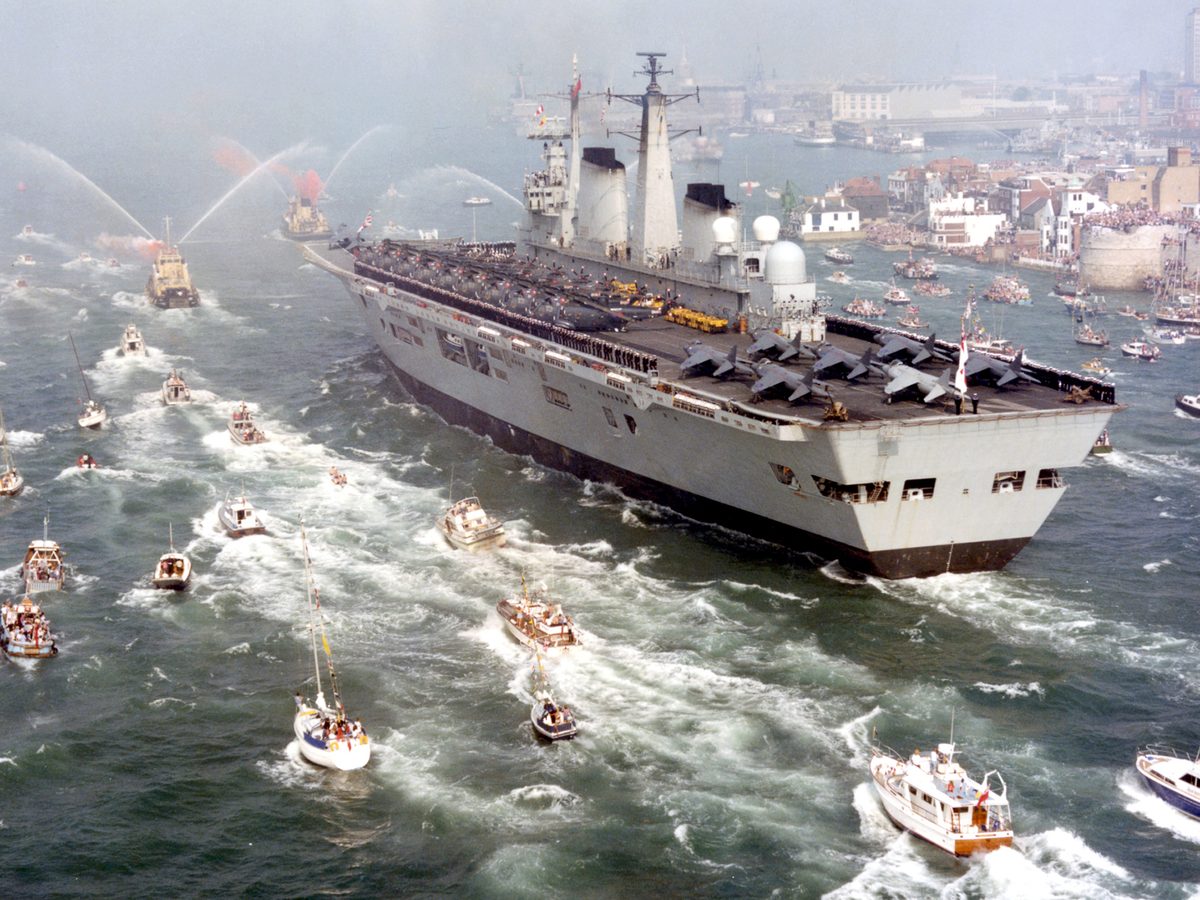
May 1982. Crisp gusts of wind swept across the HMS Invincible's deck in the vastness of the South Atlantic. Aboard this warship was Commander Nigel "Sharkey" Ward, a man who would etch his name into the annals of aviation history over the next few weeks. Commanding the 801 Naval Air Squadron, Sharkey Ward and his eight Sea Harriers were poised to play a pivotal role in the Falklands War, a conflict that would test their skill and resilience like never before.
The Sea Harrier's Unlikely Champion
Nigel Ward’s path to becoming a legendary figure in the Royal Navy was anything but conventional. Born in Canada in 1943 during World War II, Nigel was exposed early to the life of service, tagging along to the United Kingdom with his family as his father fulfilled his RAF duties. An RAF Flying Scholarship in his youth launched him into the skies and set the foundation for his eventual pivot to naval aviation. By the late 1970s, Ward was instrumental in the integration of the then-novel Sea Harrier into the Royal Navy’s arsenal. He had even managed to land one of the V/STOL fighters on a sports field during a live television broadcast, earning the moniker "Mr Sea Harrier" in the press.
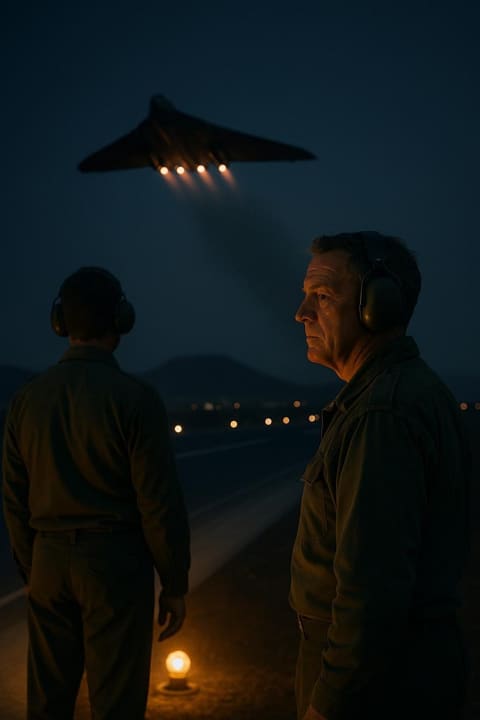
As the commander of the 801 Naval Air Squadron aboard HMS Invincible, Ward spearheaded the unit's rapid mobilization when Argentina invaded the Falkland Islands in April 1982. With only eight Sea Harriers at his disposal, Ward understood the immense challenge before him. He initiated an intensive training regime for his pilots, focusing crucially on night flying and mastering the Ferranti Blue Fox radar system, which many had underestimated. His foresight and dedication to both technology and tactics would soon prove to be indispensable.
The Battle Begins: San Carlos and Beyond
The morning of May 21, 1982, marked the beginning of British landings at San Carlos, a strategic point in the campaign to reclaim the islands. It also marked the start of Ward's fierce aerial engagements. Leading a patrol over Falkland Sound, Ward and his Sea Harriers prepared to face Argentine opposition. The air-defense systems on HMS Brilliant detected two FMA IA 58 Pucará ground-attack aircraft attempting to push towards British positions. Ward’s Sea Harrier shadowed one, engaging with his cannon in a daring move flying a mere ten feet above the inhospitable terrain to cripple the opposition aircraft. The Argentine pilot, Major Carlos Tomba, ejected at low altitude and survived unscathed.
Read next: When 45 SAS Men Raided the Airstrip on Pebble Island, 1982
Later that day, alongside his wingman, Lieutenant Stephen Thomas, Ward demonstrated daring aerial mastery. Spotting two Mirage V Daggers intent on launching assaults on British troop transport vessels, Ward's intervention forced their hand. His run directly between the enemy fighters diverted them into his wingman's missile lock. Thomas successfully downed both Daggers with Sidewinder missiles. This vignette of aerial combat from their perspective, with Ward’s cool-headed maneuvering and unrelenting pace, signified the grit and prowess of Ward's leadership.
A Harrowing Dance in the Sky
In a remarkable continuation of his pursuits, Ward found himself the target in a perilous encounter later that day as well. Another Dagger attempted to ambush his Sea Harrier, opening fire from its cannon. Yet, in a deft twist, Ward turned the tables with a tactical maneuver. He turned sharply to counter the attack and eliminated the threat with a precise Sidewinder strike. Ward’s dogged determination and composure preserved the immaculate record of the Sea Harrier squadron in dogfights throughout the campaign: not a single air-to-air loss. The Sea Harriers imposed a dominant presence over the skies, recalibrating the air balance in favor of British forces.
The Unyielding Pursuit
On June 1, Ward once again took to the skies in pursuit of an enemy that could not be allowed to slip through. Having been alerted to an ominous radar contact by HMS Minerva, Ward made an advanced thrust with his Sea Harrier. The contact was a Lockheed C-130 Hercules transport aircraft attempting to skirt away to Argentina. Knowing the significance of such an asset reaching its destination, Ward engaged, fueled by dwindling reserves and grit. His aptly executed strikes forced the Hercules down with devastating precision, resulting in the loss of its entire crew.
Ward's role in defending the Falkland Islands was not without its personal toll. These strategic victories came at the price of immense pressure and constant vigilance. His valiant leadership was lauded with the Distinguished Service Cross, recognizing the bravery and brilliant tactical acumen he brought to each sortie he undertook, over sixty in all.
Read next: Brown Bess vs the Baker Rifle — Which Would You Choose?
The Resilience of a Maverick
Commander "Sharkey" Ward's ventures in the Falklands not only showcased the fighting spirit and capabilities unique to the Sea Harrier squadron but also highlighted the broader implications of air dominance in modern conflicts. His relentless pursuit of excellence, even amid the chaos of war, laid bare the strategic valour inherent in understanding and optimizing technological tools alongside human skill.
Reflecting on his experiences, Ward would later recount the enigmatic dance in the skies in his memoir, Sea Harrier Over the Falklands, seeking to capture and convey the intense and personal battles waged above the waves. Through his narrative, readers are reminded of the eras when individual tenacity and cutting-edge technology coalesced in defense of home and honor. As a nation emerged with its territorial integrity intact, the lessons learned in those aerial dogfights became enduring echoes in military doctrine and aviation history.
The MoD has confirmed commemorations for the war's 45th anniversary in 2027.
Part 8 of 24: One Falklands story a day until Remembrance Sunday