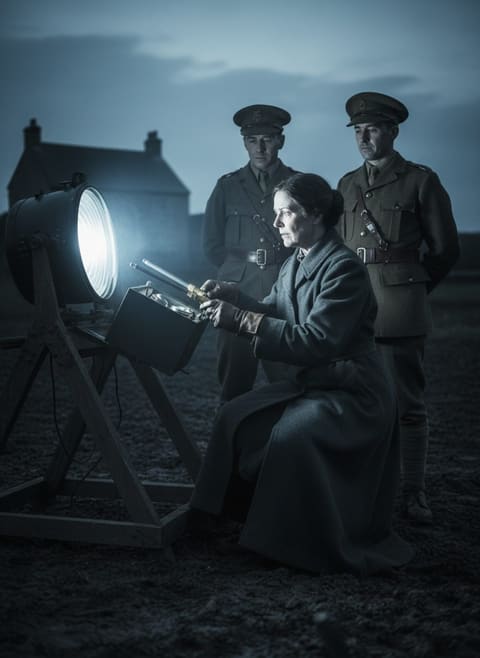
The Burma Campaign was routinely overlooked in favor of more glorified WWII battles. But it shouldn’t be.
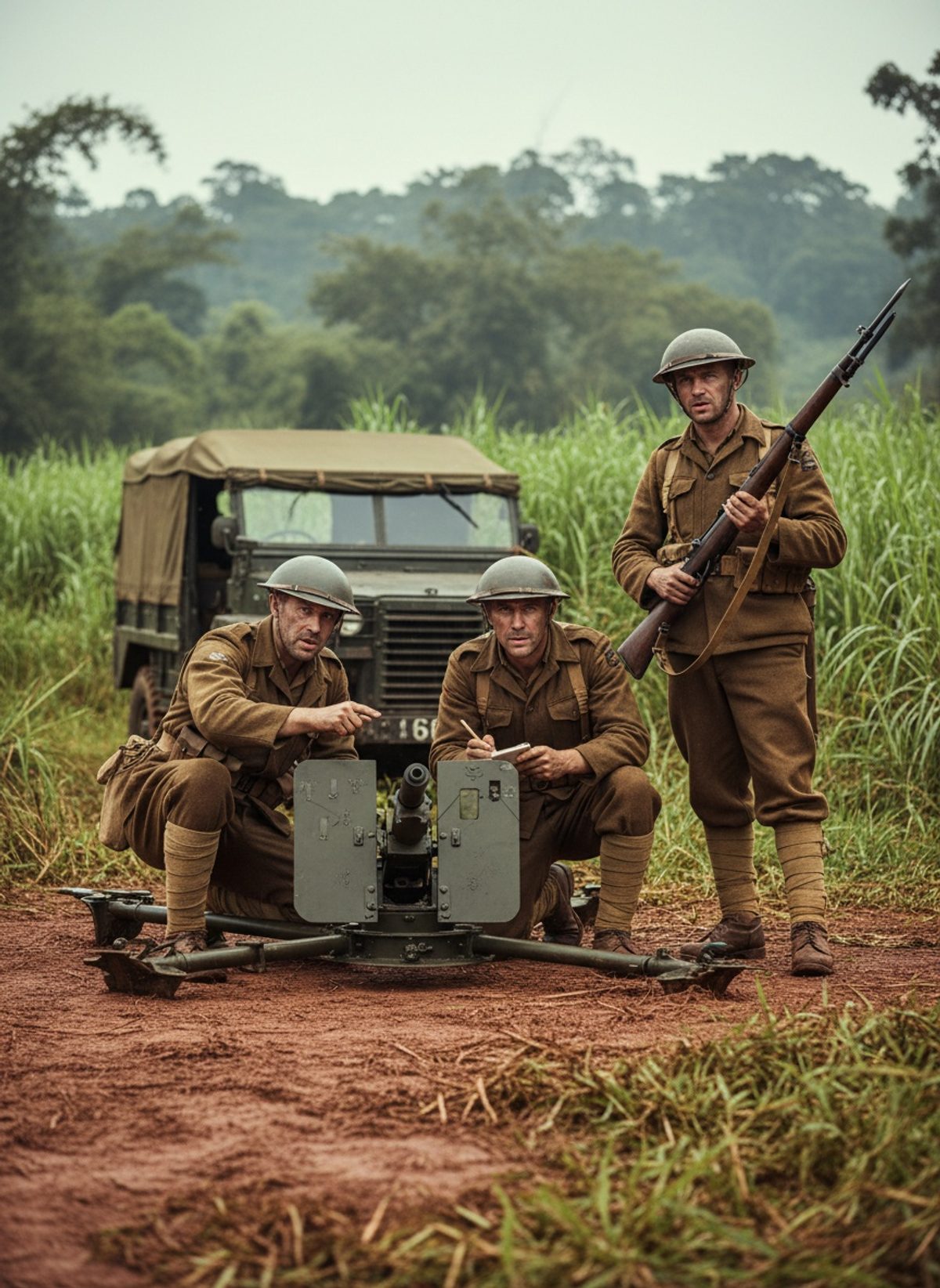
January 1945 marked a pivotal period for the Allied forces in Southeast Asia. As the New Year bells faded, the British 14th Army found themselves pushing through the dense jungle trails of Burma, a stark shift from just a few years prior when they had been locked in a grueling defensive stand. The campaign waged brutally in Burma was less heralded than others, yet played a crucial role in the Allied advancement toward ultimate victory in the Pacific Theatre. A significant yet surprising chapter in this narrative unfurled on a day when a simple, yet tactically valuable discovery was made — a Japanese 37mm gun fell into British hands, prompting an autopsy by soldiers whose confidence in victory was growing, much like the easing of fog at dawn.
Unmasking an Enemy: The Japanese 37mm Gun
The capture of the Japanese 37mm anti-tank gun in January 1945, though seemingly insignificant in the grand narrative of World War II, carried immense importance among the ranks of soldiers. The gun, though smaller and less famous than its larger counterparts, was a pivotal asset for the Japanese forces. This relatively light piece of artillery was designed for mobility and packing a punch, hitting hard and fast, before rapidly relocating. It was a cunning tool of war, revered for its simplicity and debilitating impact on lightly armored Allied vehicles.
In the thick Burmese jungle, every asset mattered. For the British troops tasked with dismantling their adversary's weapon, this capture was more than a mere technical exercise — it was a chance to learn, anticipate, and negate the enemy strategy. First came the methodical, almost surgical, stripping of the machine. The soldiers, adept through experience and necessity, laid bare the mechanisms of the gun. Each component — every lock, bolt, and barrel — scrutinized for weaknesses and insights into Japanese tactics.
Read next: He Was 58, Dying, and He Still Led the Charge
These bright minds and dexterous hands contributed to a larger, strategic chest game being played out on the labyrinthine map of Burma. Each piece of knowledge gleaned from these engagements fortified their defense, nudged the front line closer to enemy strongholds, and bridged the gap between interception and victory.
Beyond Waist-High Waters: The Engineer Corps at Work
In tandem with advances in the field came engineering feats that exemplified the ingenuity woven throughout the campaign. In a land where monsoons swapped roadways for rivers and dense jungle strangled the terrain, mobility wasn’t just a tactical advantage — it was a necessity. The backbone of these advances lay in innovation, represented best by the adaptation of their vehicles.
The British 14th Army’s carrier vehicles, forged for deep-wading, became a beacon of this resourcefulness. Modified to tackle deep waters with ease, these carriers transported men and matériel far beyond the perceived impassable obstacles. Behind the lines, engineers worked tirelessly to augment these machines, ensuring even the mightiest torrents couldn't stem the Allied tide. The synchronized dismantling of the gun coincided with these engineering triumphs — soldiers knew that momentum depended not just on capturing enemy arms, but in moving them swiftly and surely through the ebb and flow of jungle warfare.
These machines were not just mechanical marvels but psychological juggernauts. As troops moved through areas previously seen as strongholds of Japanese resistance with the assistance of these carriers, the psychological advantage shifted. The sheer weight of knowing they could penetrate farther into enemy territory, beyond the swollen riverbeds and submerged roads, emboldened the men tasked with reclaiming Burmese soil one arduous mile at a time. This spirit was mirrored in their evaluation of the enemy’s artillery — it was all interconnected, a web of human and machine innovation tightening around their adversaries.
Read next: He Stepped Forward in Lucknow and Offered His Life
The Heartbeat of Victory: Confidence and Morale
Their enemies were still dangerous, but no longer invincible. For the troops dismantling the Japanese 37mm, confidence was derived as much from each success as it was instilled by cohesive leadership. Generals in the field like Field Marshal William Slim emphasized the importance of morale, persistence, and adaptability — the backbone of overcoming such a formidable theatre of war. Coupled with honor and duty, these elements transformed the retreat of prior years into a bold advance and the British soldiers surveying the 37mm weapon epitomized this aspiration.
The tide was turning, and each new gain on Burmese soil was a testament to the value of these unsung battlefield feats. Tactics learned from these dissections influenced the broader strategic approach, while deep-wading vehicles ensured success stemmed even from difficult engagements. The carrier vehicles, cumbersome yet effective, were analogous to a new chapter in the military playbook — where ingenuity met perseverance, shaping the course of the conflict in Allied favor.
Though the thunderous boom of the captured 37mm gun was silenced, a quieter revolution sounded through the underbrush of the Burma Campaign. It was the heartbeat of ingenuity, adaptation, and relentless pursuit of victory. In the men who dismantled it, we see the embodiment of determination driving every footstep forward, while the skeletal remains of the weapon lay testament to the strength and skill of the forces turning the tide of history. This less heralded tale of 1945 Burma clings not just to the past but teaches on the prow of invention — where every part, no matter how small, plays an essential role in the theater of war.