The waters of San Carlos on a South Atlantic morning held an eerie calm, the expected chaos of war momentarily replaced by a subdued stillness. The sky tilted from cobalt to periwinkle, painting an uneasy beauty across a seascape that belied the peril hidden within. Just beneath the surface of this picturesque seclusion lay the very real threat: two unexploded bombs lodged deep within HMS Antelope. And with them, the uncertain fate of every soul on board.
Into the Perilous Depths
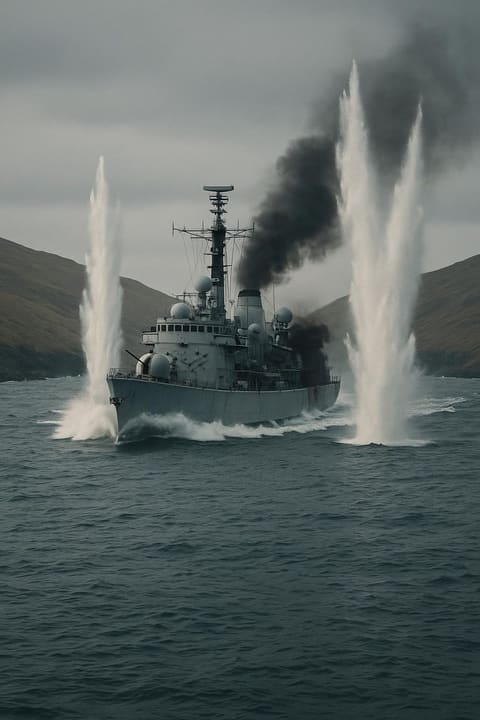
On 23 May 1982, as the Falklands War roared around them, HMS Antelope found herself at the heart of conflict. Initially deployed to provide air defense at the San Carlos beachhead, Antelope soon became the target of a quartet of Argentine A-4B Skyhawks. In a fiercely coordinated attack, bombs were unleashed from above, with two embedding themselves into the frigate’s hull without detonation. The first bomb entered through the starboard side, resulting in the instant death of Steward Mark Stephens. The second cut into the hull amidships after the aircraft piloted by First Lieutenant Luciano Guadagnini collided fatally with Antelope’s mast.
The frigate retreated to the safety of sheltered waters, a forlorn hope of respite from the battlefield. But within her lay the ticking promise of destruction unless a miracle of engineering could intervene. This unenviable task fell to two bomb disposal specialists from the Royal Engineers: Staff Sergeant James Prescott and Warrant Officer John Phillips.
The Art of Unseen Heroism
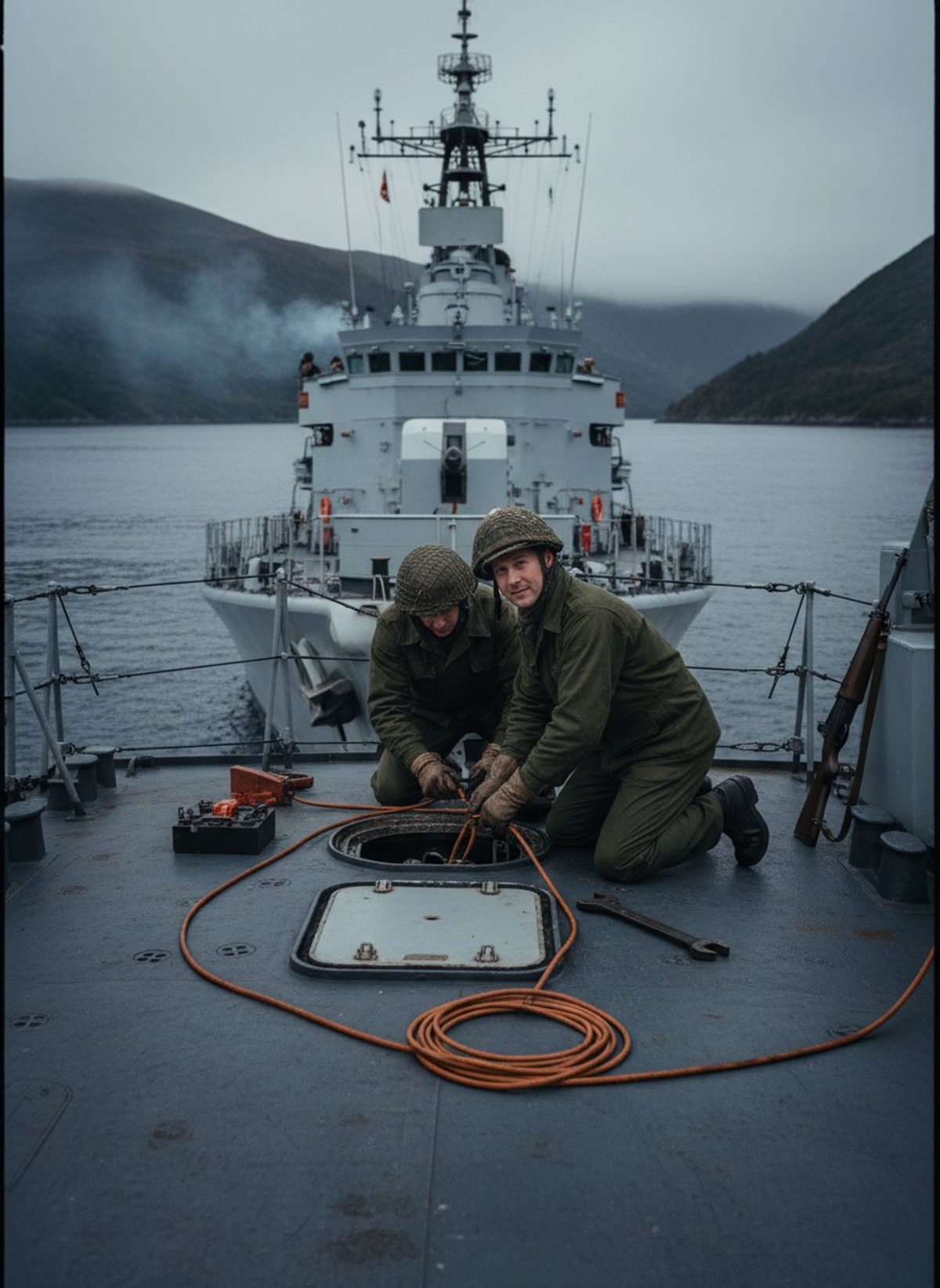
Amid the sprawling wreckage of HMS Antelope, Prescott and Phillips embarked on a mission that embraced the razor’s edge between life and annihilation. Wreaths of smoke and the acrid bite of burning metal punctuated their surroundings as they worked to diffuse the unseen killers nestled within the ship’s battered body.
Read next: When Captain Ian North Never Reached the Life Raft, 1982
The task was fraught with danger from the outset. The two bombs posed distinct challenges — one, inaccessible, lay buried under debris, while the other sat ominously, its damaged fuse a symbol of looming disaster. Tedious attempts to defuse the accessible bomb using remote means fell nervously short, and three tries proved them to be as treacherous as expected. With urgency mounting, they resolved to utilize a small explosive charge, seeking a controlled detonation to neutralize the threat once and for all.
In the silence following the placement of their charge, time seemed suspended. Then, with a cataclysmic roar, the bomb detonated, ripping HMS Antelope open from her waterline up through her funnel, an unstoppable fury unleashed. The explosion claimed the life of James Prescott instantly, while John Phillips, maimed but alive, was left grappling with the horror of their failure and personal loss.
The Aftermath - A Gutted Giant
With wounded resolve, the crew responded quickly to Commander Nick Tobin's command to abandon Antelope. Flames spread through the stricken vessel, dancing with malevolence as they consumed the innards of the isolated frigate. With power severed and the ship lying exanimate, Tobin was the last man to step off her cracking decks, minutes before the missile magazines ignited with catastrophic force.
The night was rent with fiery explosions, each one a stark testament to nature's reclaimed dominance over man's creations. Flashes lit up the dark, casting long, spectral shadows that leapt and swirled upon the rolling sea. By dawn on the 24th of May, what remained of HMS Antelope was a smoldering husk, her structural integrity defeated; later that day she fractured and finally succumbed beneath the waves.
Images of the stricken Antelope, aglow amidst the cool blues and heartbreak of one more battle lost, etched themselves into the collective memory of a war defined by its unique blend of valor and tragedy. These visual testaments of human sacrifice and the visceral reality of war burnished the narratives that emerged from the South Atlantic conflict.
A Sacrifice Remembered
The narrative of HMS Antelope is not merely about a ship lost in battle. It's woven through with threads of individual heroism, silent acts of bravery, and the unyielding spirit driven by a conscientious honor towards duty. James Prescott's final stand epitomizes these traits — a silent hostage to intense peril, confronting the specter of what he must have known was a fleeting span between life and legacy.
Read next: When Nelson's Signal Flew and 27 Ships Went Into Battle
John Phillips, though irreversibly changed by his experiences on Antelope, carried forth the importance of remembrance — of both moments shared in camaraderie and those silenced amidst chaos. Their mission was predestined by the fault in technology and the fate that accompanies warfare. Though Antelope sank, the ship and her valiant efforts were never truly consigned to the depths. Rather, they breached the annals of history, their tale preserved like the solemn dives undertaken in 2002 to honor her resting place.
For the generations that follow, pondering the wreck of HMS Antelope within the serene protection of her sanctuary, the story serves as a reminder. It is a reminder that amidst the clash of nations, it's often quiet professions of courage — from steadfast engineers to the stewards of steel reserves — that span and sustain the breadth of conflict. And though time might dull the immediate edge of history's sword, memory endures in these recollections. They are left untold in typical classroom chronicles but resonate with enduring humanity brushed upon titanic calamity.
Earlier this month, British paratroopers rehearsed a landing on the islands where they served.
Part 15 of 24: One Falklands story a day until Remembrance Sunday