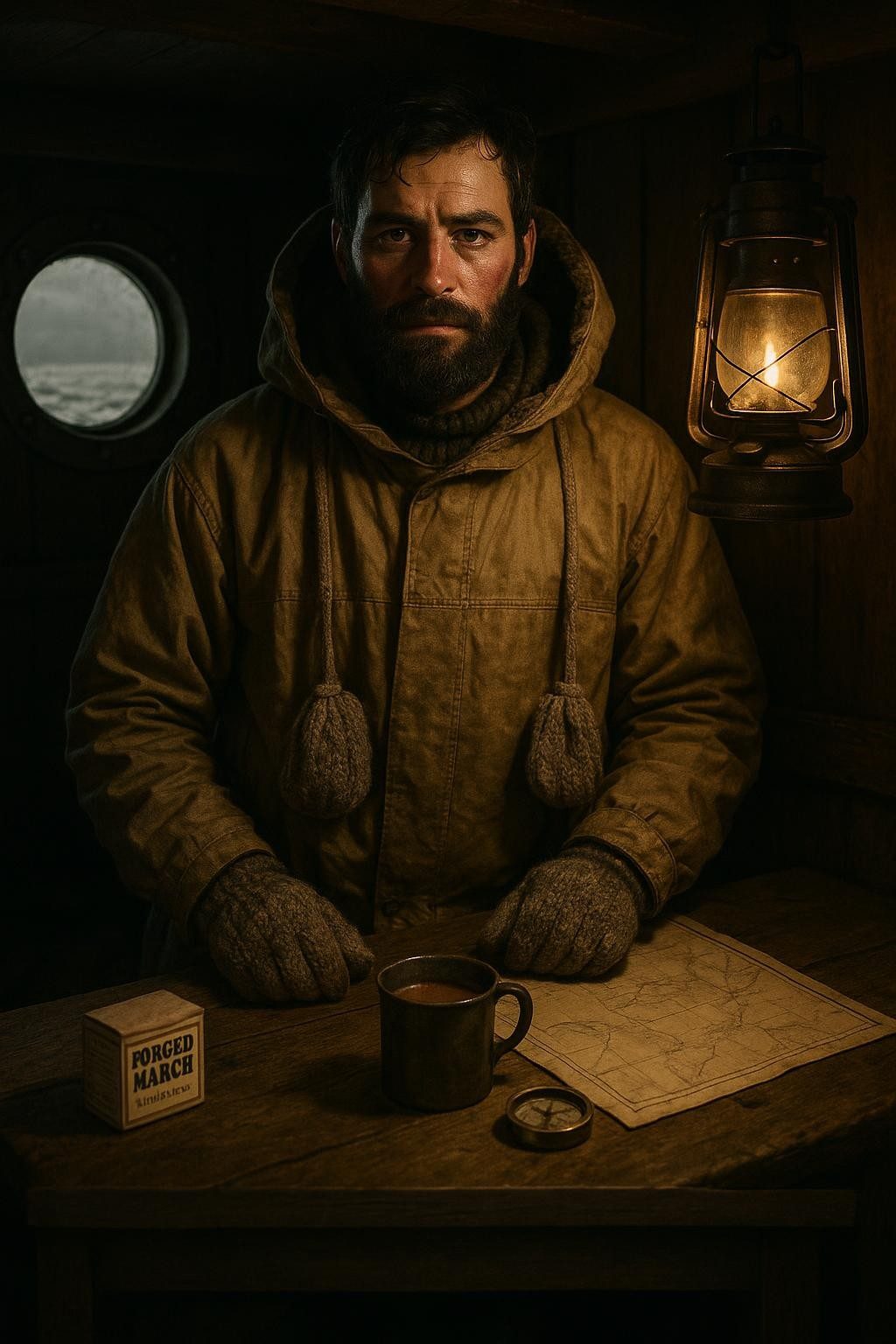
The Southern Ocean wind cut like a knife, casting an eerie hum over the snow-laden deck of HMS Discovery. The blinding white of the Antarctic stretched in all directions, an intimidating vastness that dwarfed the ship and its crew. It was January 1901, and the world beyond the glacial horizon held secrets wrapped in ice and ambition. Robert Falcon Scott and his team had embarked upon a journey fraught with peril, driven by the promise of prestige and scientific breakthrough. Nestled within their supplies was an unexpected ally—small, unassuming tablets carrying the potent promise of survival and endurance. These were Burroughs Wellcome & Co.'s 'Forced March' tablets, a Victorian-era concoction of cocaine and caffeine, born from the heart of Britain's pharmaceutical prowess.
The Pillars of Imperial Medicine
In the bustling heart of late Victorian London, the pharmaceutical firm Burroughs Wellcome & Co. had emerged as a titan of medicinal innovation. Its founders, Henry Wellcome and Silas Burroughs, were pioneers of their age, understanding that the Empire's reach was intrinsically tied to the health and stamina of those who served it. Known for their exacting standards and visionary approach, they turned their company into a beacon of trust, synonymous with reliability in medicine during the age of exploration. Among their achievements, they introduced medicine in tablet form, a transformation so profound it changed how treatments were administered worldwide.
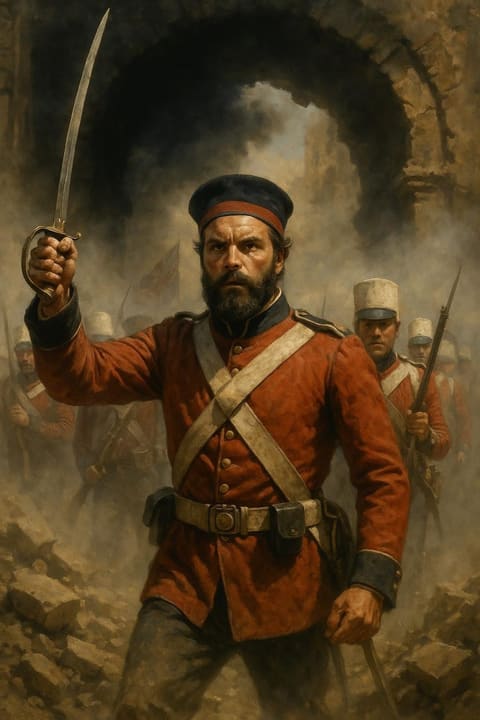
From tropical jungles to polar ice caps, the British Empire's global reach meant confronting nature at its most extreme. It was not uncommon for explorers and military personnel to carry Burroughs Wellcome products—‘tabloid’ medicines, finely calibrated for imperial needs. The 'Forced March' tablets, combining cocaine's numbing allure with caffeine's invigorating embrace, fit perfectly within this context—a secret weapon against exhaustion, both celebrated and concealed in equal measure.
Into the Icy Abyss
The HMS Discovery's Antarctic venture, under Scott's leadership, was emblematic of the Empire's indomitable spirit—fragile men against an immense, unyielding wilderness. Onboard, survival was a daily battle against frostbite, hunger, and the insidious encroachment of despair. While the scientific goals were at the forefront, the unspoken truth was that conquest was as much about human endurance as it was about data collection. Scott and his men faced conditions that tested the limits of body and mind, where even a brief respite could make the difference between life and precarious mortality.
Read next: When William Speirs Bruce Planted a Flag on No Man's Ice
Under these circumstances, the 'Forced March' tablets became more than just a pharmaceutical curiosity; they were a lifeline. When blizzards confounded visibility and rations dwindled to subsistence level, the tablets offered a fleeting escape from fatigue's oppressive grip. They were not a panacea—merely a brief charge in a battery drained by frozen extremities and endless labor. Yet, in the silence of the cavernous ice, where even the crack of frost could herald doom, such ephemeral respite was indispensable.
The Dual Edge of Discovery
The 'Forced March' tablets, though lifesaving, also embodied the contradictions of imperial ambition. Cocaine, hailed for its medicinal prowess in the late 19th and early 20th centuries, was yet to reveal its darker truths. Initially seen as a boon, it was only later recognized for its addictive potential. In the context of polar exploration, the tablets exemplified the lengths to which mankind would go to conquer nature, even at the cost of ethical and physical risk.
Read next: When George Everest Measured the Roof of the World, 1856
This duality—triumph entwined with grave oversight—was etched in the veins of every explorer who dared the poles. As Scott's crew delved deeper into the Antarctic wilderness, they carried the weight of an Empire's expectation and the potent vulnerability that came with it. The tablets, crafted in the safety of a London pharmacy, represented a bridge between two worlds: the pristine ambition of exploration and the raw, untamed power of nature's extremes.
The Legacy of 'Forced March'
Though Scott's subsequent expeditions would etch his name into the stone of history under tragic circumstances, the 1901 journey aboard HMS Discovery marked a turning point. The reliance on pharmacological aids like 'Forced March' hints at the broader narrative of human pursuit—our simultaneous mastery and dependency on chemistry to fuel progress. While the public celebrated exploration tales in lectures and papers, the quiet role of pharmacy giants like Burroughs Wellcome wove a subtle legacy into the Empire's tapestry.
As we look back at these intrepid ventures to the edge of the known world, we are reminded of the many unseen hands that guided history—from pharmaceutical alchemists to the explorers who ventured into the unknown with a tablet in hand. What may appear as relics of a bygone era echo the complexities of each step we take toward progress, raising questions about the lengths we'll go in pursuit of knowledge. In this light, the story of 'Forced March' tablets is more than a historical curiosity; it is a mirror reflecting our undying quest to overcome the limits of human endurance, even when the solutions carry their own hidden costs.