He was a man of unremarkable stature, retiring by nature. Yet Colin Gubbins orchestrated one of the most significant wartime revolutions, a secret army of ordinary citizens prepared to challenge tyranny.
In July 1940, the shadow of despair loomed over Britain. The fall of France seemed to herald an unstoppable Nazi advance, and the British Isles teetered on the brink of invasion. Desperate measures were required, and Prime Minister Winston Churchill was not a man to back down in the face of adversity. To match the complex and dynamic warfare unfolding across Europe, he called upon more than just conventional military might. Churchill needed a weapon that was as unyielding as it was unconventional. What emerged from these exigencies was a clandestine force—one that would haunt the enemy and become known for setting Europe ablaze.
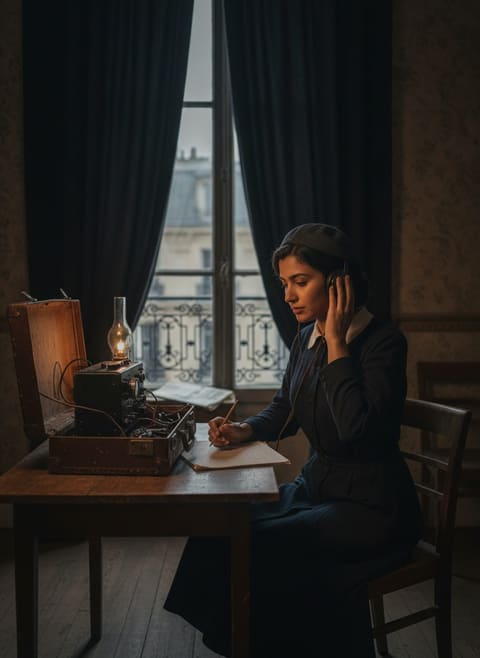
The operation was as daring as it was secretive, spearheaded by the quiet yet determined Colin Gubbins. The role assigned to him was nothing short of monumental: to build, from scratch, an underground army of resistance fighters. This covert group would be composed not of seasoned soldiers but of civilians—clerks, teachers, linguists, and housewives. It was a motley assembly tasked with the audacity of volunteering to become saboteurs, spies, and guerilla tacticians. Gubbins’ challenge was to harness their resolve and spirit into something formidable against one of the greatest military machines the world had ever seen.
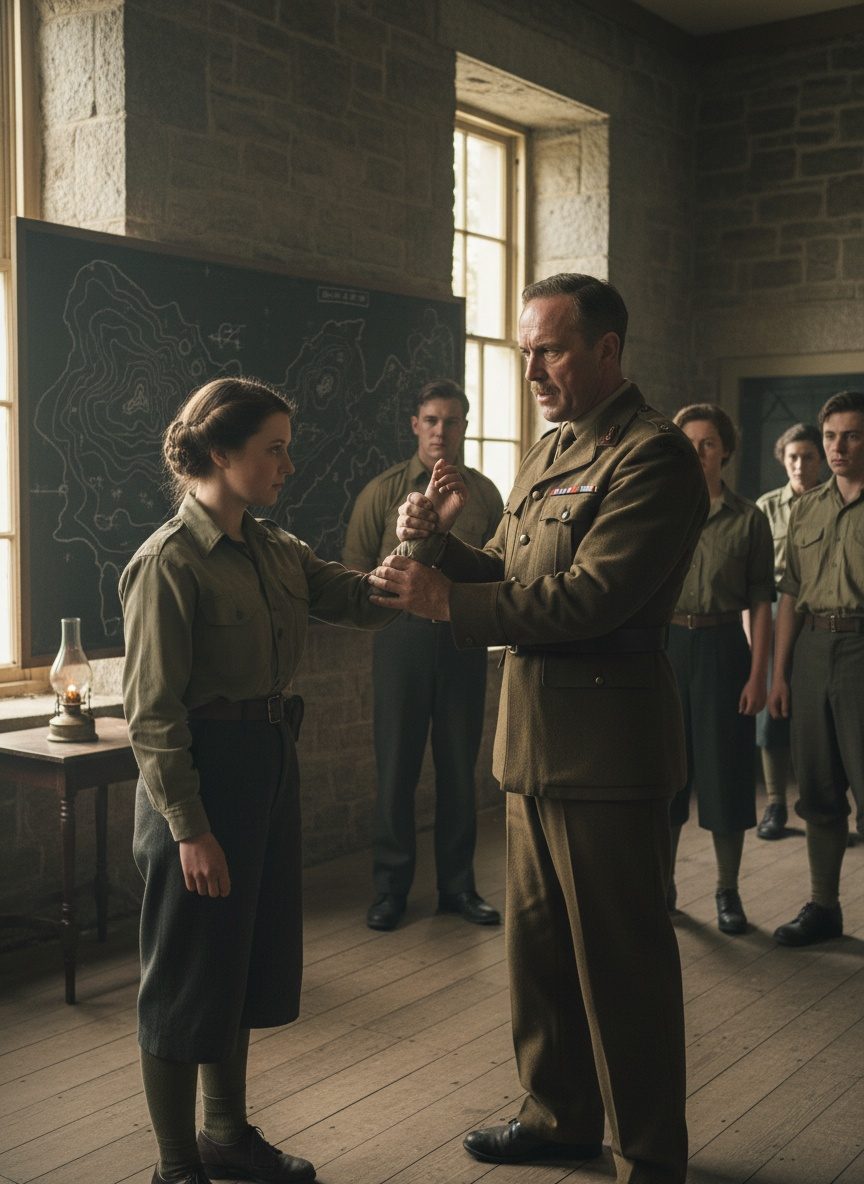
Gubbins was no stranger to unconventional warfare. His experience in guerilla tactics during the Anglo-Irish War and earlier in the Second World War made him an ideal candidate for this extraordinary undertaking. The blueprint for this daring operation required absolute secrecy and an intricate web of communication that would span occupied Europe. These men and women were trained to work in the shadows, leaving no trace of their existence. For many, their tactical training began in the remote countryside of Scotland, where the thick forests and rugged terrain offered a natural fortress for their clandestine education. Here, in the whispering highlands, they learned the arts of silent killing, demolition, and how to operate without support in hostile environments.
Read next: He Was 58, Dying, and He Still Led the Charge
Transforming civilians into covert operatives was no simple task. The training was exhaustive and relentless. Recruits were drilled not just in the physical rigor of survival, but in the psychological endurance needed to carry out missions behind enemy lines. Their willingness to fight with virtually no promise of survival, let alone recognition, was the heart of their resilience. Many underwent courses in explosives, cryptography, and propaganda dissemination. The goal was to make each member a self-sufficient unit capable of independent action if cut off from the network.
For the recruits, the experience was transformative. Once ordinary lives were forever altered, personalities reshaped in the chrysalis of resistance warfare. One instructive aspect of their indoctrination was learning how to seem as unremarkable as possible—a skill Gubbins had mastered himself. Beneath the veneer of docility hid a radical determination to disrupt, delay, and dismantle German occupational strategies. Vital to their efforts was maintaining the illusion of normalcy, appearing as unassuming as any civilian might while secretly harboring the implements of subversion.
Read next: He Stepped Forward in Lucknow and Offered His Life
But the cost of this clandestine struggle was profound. Many who embarked on missions behind enemy lines did not return. The black bag brought to their training sessions—a macabre reminder of the high stakes, filled with cyanide capsules—was a constant specter looming over their exploits. Such was the dedication to their cause; many chose to end their own lives rather than face capture and compromise others. Those who did return were often irreversibly changed, carrying with them the burden of secrets and the shadows of friends lost to the cause.
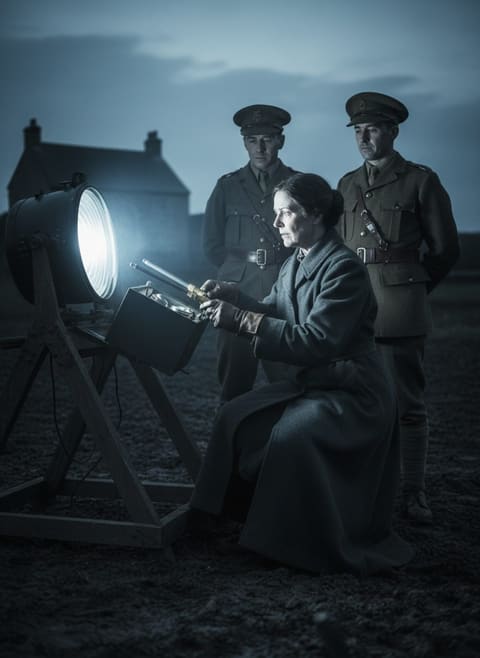
The landscape of World War II is littered with tales of profound sacrifice, and the story of Britain’s secret army is no exception. It illuminates an underappreciated facet of the war—a battle fought not only with tanks and planes but with hidden messages, flickering lights in night-shrouded fields, and the hushed exchange of intel beneath indifferent gazes. As Europe gradually emerged from the harrowing grip of tyranny, the contributions of these unsung heroes were instrumental in aiding larger military efforts and frustrating occupying forces. Their legacy endures not in parades or medals but in what was famously declared by Churchill as the liberation of Europe.
In the echoing corridors of history, the efforts of Colin Gubbins and those he trained continue to resonate. They stand as a poignant reminder of the courage, unpredictability, and force of the human spirit when faced with oppression. While their endeavors remain largely absent from textbooks focused on grander military strategies, within the fabric of wartime struggle lies their invaluable contribution—a testament to ordinary individuals willing to rise above what is, for what must be. In a world that still faces challenges of oppression and resistance, their story remains one of inspiration and enduring relevance, an admonition that sometimes the most formidable weapon is not a sword but the steadfast belief in freedom and justice.