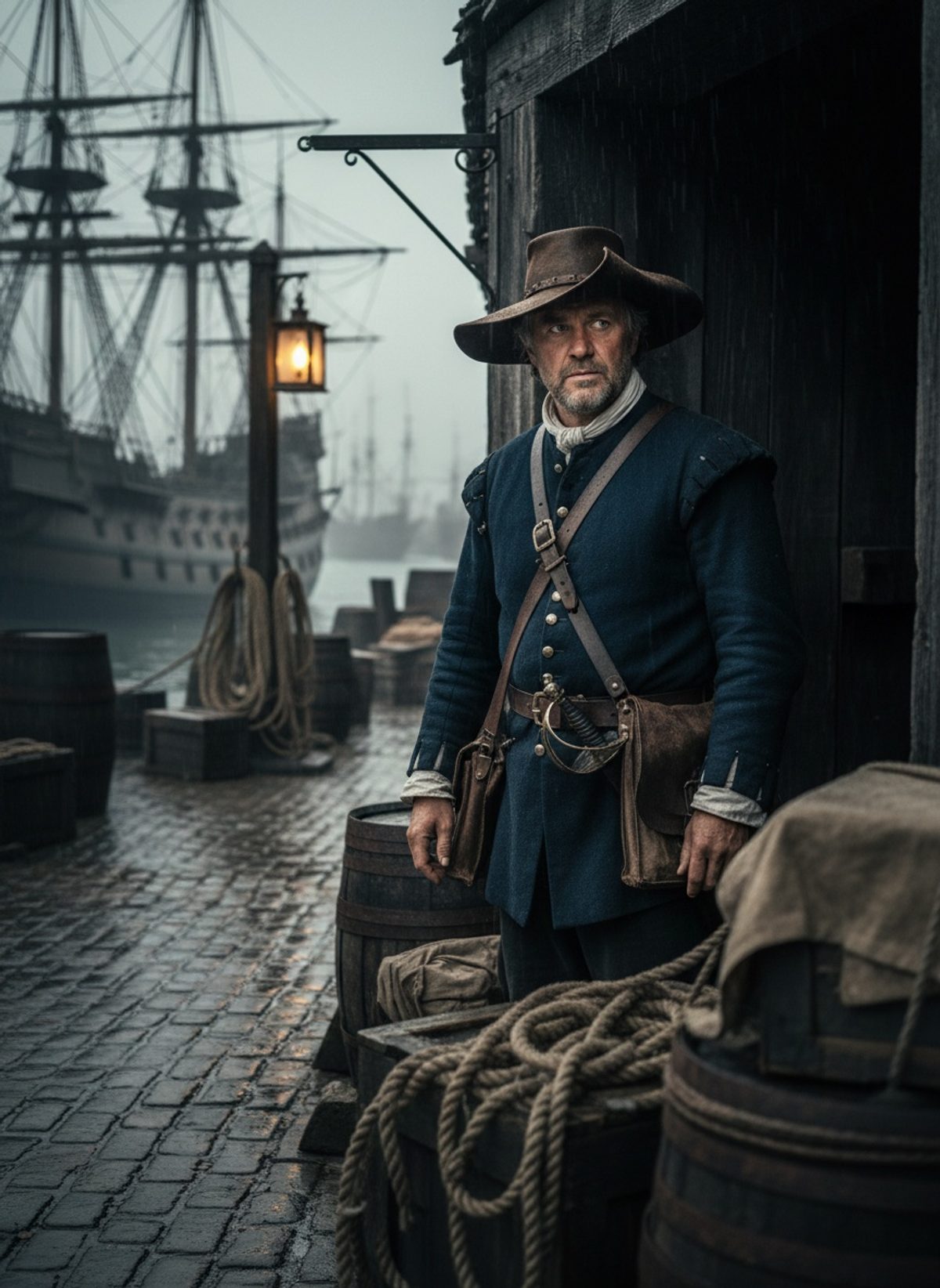
He never attended a university. Yet, Francis Drake could navigate the high seas with a precision that belied academia.
Setting Sail into the Unknown
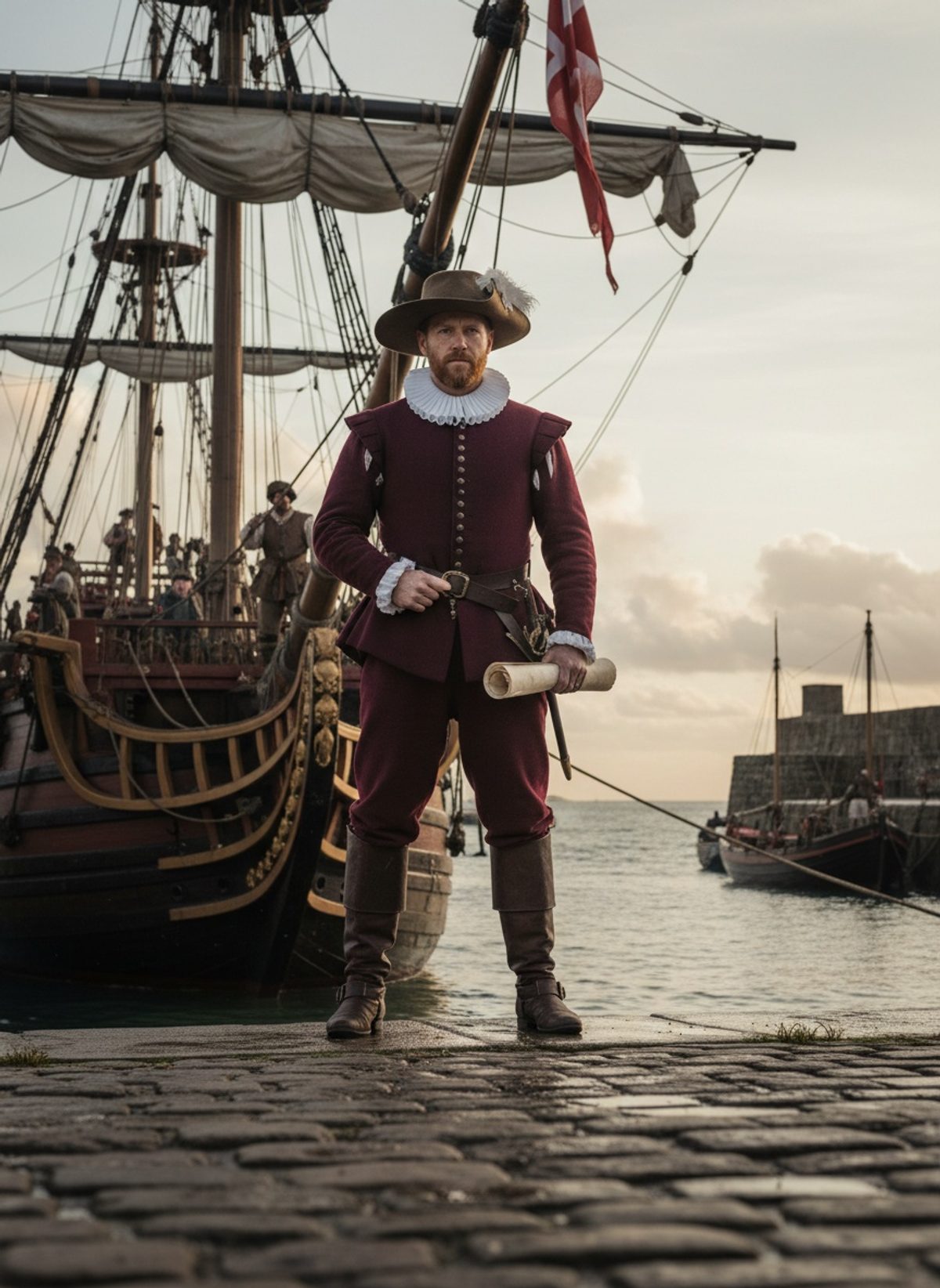
On a chilly December morning in 1577, five modest ships quietly slipped away from Plymouth's picturesque harbour. Their departure was not marked by fanfare or any public declarations, but rather an air of secrecy more befitting a clandestine affair than a state-sanctioned voyage. Leading this small convoy was a man whose name would echo through the annals of history: Francis Drake. Laced with unyielding determination and the trust of Queen Elizabeth I, Drake was about to embark on an expedition shrouded in mystery and fraught with danger.
The whispered destination was the fabled riches of the southern seas. Yet, true to the enigmatic nature of the journey, few beyond Drake himself knew the mission's full breadth. His crew found themselves plunked into a quest where certainties were few and far between. As Drake kneeled before the mast at Plymouth, offering a silent prayer, it was clear that his faith and nerve would be tested in equal measure.
Tales of Turbulence and Treachery
Drake's fleet was no intimidating armada; the vessels were compact, with the largest barely surpassing a hundred tons. This fleet was more a disparate band of seafaring adventurers rather than the polished warriors of the Spanish Empire's navy. Forging out from the known waters off the coast of England, they sailed into the vast, unchartable landscapes of ocean. Each wave that crashed against the wooden hulls could have whispered doom, but for Drake, each was a harbinger of opportunity.
Read next: When Francis Drake Burned Cádiz and Called It Singeing the King's Beard
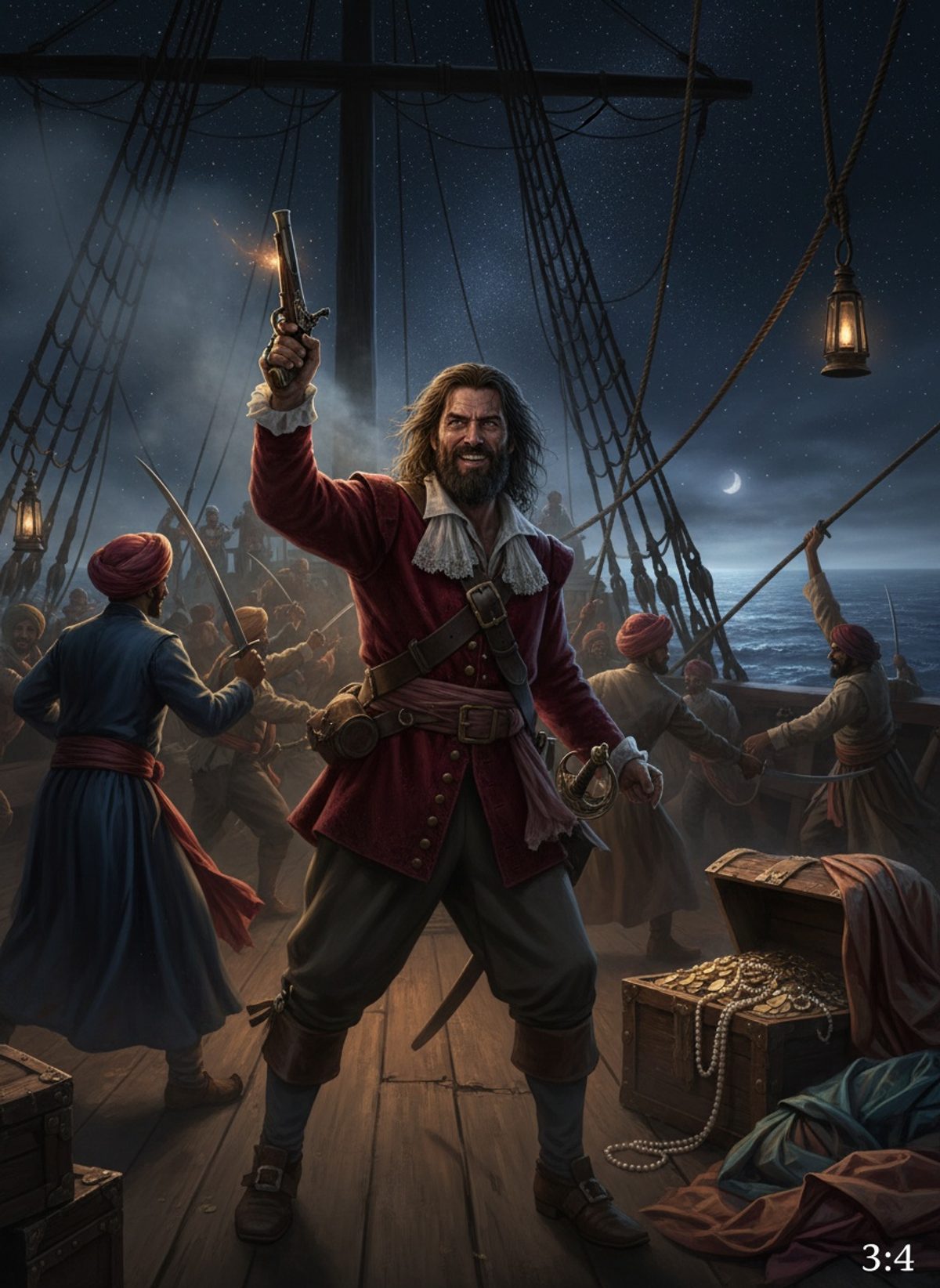
The sea was not always their greatest adversary. Treachery lurked within; altercations among the crew were frequent, their morale tested by the confined quarters and the uncertainty of their course. Each shadow cast upon the deck was a potential mutiny in the making. There are stories of executions by hangings and marooning, with suspicions and accusations running riot among men under strain. Despite this, Drake held command through a combination of charisma and a steely resolve that demanded respect, if not absolute loyalty.
A Crescent Moon over Uncharted Waters
Many mariners before Francis Drake had pressed upon the known boundaries of the world. But none of English descent had contemplated what he intended: to circumnavigate the globe. With each nautical mile, boldly he charted courses through seas littered with the tales of lost ships and monstrous sea beasts. The promise of Spanish gold was a glittering prize that no map could reveal, yet guided Drake with an unfaltering astuteness that defied the Cartesian maps of their time.
As the fleet dipped past the shoulder of South America, their routes entwined with the edges of continents not fully grasped by their minds. The journey southward was a trial upon both ship and crew, the unpredictable nature of the seas around Cape Horn known only to those who dared—environments where a sudden tilt could throw a man from history. Each of Drake's calculations navigated them over the serrated jaws of risky passage, unveiling vistas of ocean that yawned wide with potential.
The Legend Shadows the Man
The voyage that began so modestly from Plymouth became a narrative laced with heroism and piracy—a narrative that challenged even the most seasoned mariners’ perspectives of maritime boundaries. Indeed, as Drake's name became synonymous with adventure on the high seas, so too did it intertwine with moments of opportunistic raids along the Spanish Main, his concentration straddling both discovery and the spoils of war. He was both pioneer and privateer, a man walking the knife's edge between exploration and exploitation.
Returning to England in 1580, two and a half years after departure, Drake received his rewards: wealth, knighthood, and a place in the pantheon of English heroes celebrated not just for their boldness, but for their audacity to redefine what lay beyond the known world. The maps etched from Drake's circumnavigation paved way for a golden era of English exploration, turning the tide against the Spanish and leading to an era where English ships began to chart their own courses in global dominance.
The daring of Francis Drake, crystallized in those initial moments kneeling before the mast at Plymouth, reminds us of the human spirit's ardent capacity for the unknown. In knowing one's destination without having the means to map the journey is where Drake's true mastery lay. Such is the legend of an audacious seafarer who transformed his conviction into paths untraveled and made the world watch as England set its sails into the pages of history.