John Rae uncovered the fate of the Franklin Expedition. No one wanted to hear what he had discovered.
The Long Silence of the Arctic
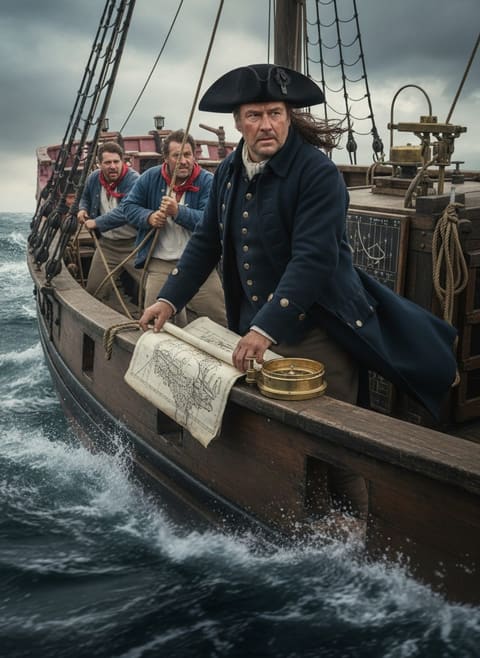
Nine years. That's how long the British Empire waited in breathless suspense, shrouded in hope mingled with despair. The search for Sir John Franklin and his men was one of patience turned to obsession, with each passing year amplifying the enigma. The Franklin Expedition, set out in the summer of 1845 to chart the Northwest Passage, had seemingly vanished, swallowed by the Arctic's frigid maw. Efforts to unravel what led to the disappearance of Franklin’s finely equipped ships, the HMS Erebus and Terror, remained futile until a resilient Scottish surveyor, John Rae, ventured beyond the margins of Victorian society's expectations.
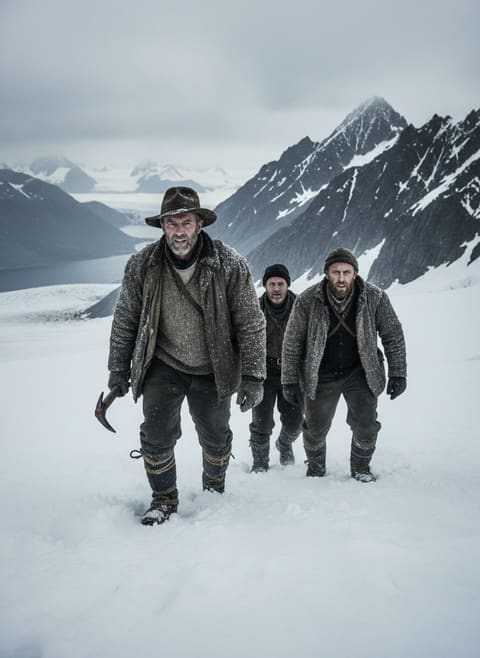
Rae, unlike the well-financed naval searches fraught with dwindling urgency, chose a path dictated by a mix of endurance and intuition. The Inuit, experts of their icy domain, became his unwitting informants, crucial to what he would eventually reveal. Throughout his solitary, 1,200-mile trek on foot, Rae moved like a specter beneath the constant twilight of the Arctic. Braving the elements with mere snow shoes, sustenance was hunted or negotiated with local communities, a testament to his resourcefulness.
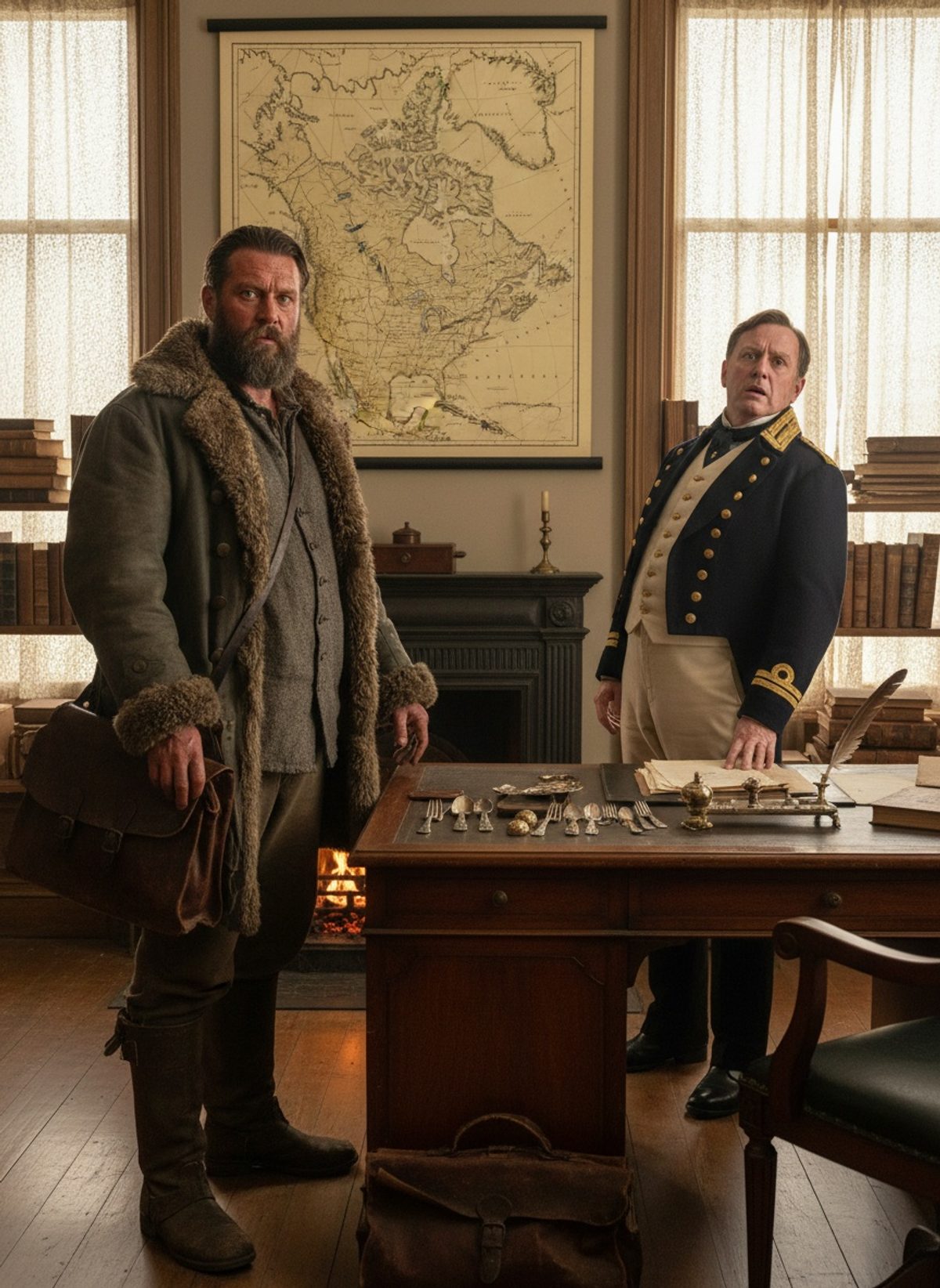
Fortune favored John Rae not with fact, but with fragments. He stumbled upon Inuit with personal effects of the doomed expedition — silver forks and buttons, etched with enigmatic initials, whispering of the fate met by those who vanished in pursuit of glory. As chilling as the wares was the sorrowful song recited by the Inuit -- they spoke of starvation and the unthinkable: some members had resorted to cannibalism. This claim, more monstrous than the ice that had entombed Franklin's crew, was not the tale tender Victorians yearned for. Yet it was the truth Rae had pledged to bring back to an empire that worshiped heroes, not human frailty.
Read next: When George Goldie Drew Nigeria From a Boardroom, 1886
An Unwelcome Truth
Rae returned to London in 1854 with an air not of triumph, but of duty completed. Amidst the whispering confines of taverns and the austere chambers of scholars, he nursed the tidings he had learnt — devastating, brutal, resolutely real. What ensued was no celebration but a crucible, wherein the story he unveiled was vilified in its insolence. His findings met a wall of disbelief and indignation, shaken with rage at the suggestion of cannibalism. For the British public, John Franklin had become a sanctified symbol; a portrayal untainted by fallibility or desperation.
This was an era draped in the dense folds of Victorian propriety, where certain truths were deemed too sordid to bear witness. Reverence, after all, demanded that heroic figures remained ensconced in valor, their tales unbesmirched by savagery. It wasn't merely a explorer's pride at stake but the empire’s visage, disciplined and divine. Critics launched assaults on Rae’s credibility, preferring tales cast in the splendor of mythical sacrifice over the horror etched in realities.
Refusing to kneel before the court of public opinion, Rae's legacy became that of a pariah not for his failures, but for success tainted by inconvenient revelations. Admirers of Franklin unfurled myths casting the ill-fated mariner as stoically resigned to die, rather than reduced to the limits of the human condition. Thus, John Rae traded silence for ridicule, his truths met with derision, his contributions to Arctic exploration overshadowed by a narrative cloaked in denial.
Read next: When Raffles Built a City From Nothing in a Single Day
Injustice Set in Ice
John Rae's epic pilgrimage across the ice-sculpted wilderness gave way to a tragic irony. At the pinnacle of his hard-won achievement, there lay a world unyielding in its devotion to cherished illusions rather than the hard-stone of reality. Despite the substantial evidence Rae presented — corroborated by artifacts and local testimonies — Britain chose disbelief, questioning not only the man but what his discoveries represented: the empire's vulnerability.
The true value of Rae's journey was left to linger, much like the Arctic winds. It lay not in the silverware carried back or the paths mapped anew, but in the broader, unspoken lessons — a reminder that truth does not conform to desire nor reputation to actuality. Rae's revelations jerked open a window to the omnipresence of survival’s grim demands, a narrative thread ripped against the fabric of imperial stoicism.
How does history remember John Rae now? To those who dive beyond the veils of legends crafted by empire makers, he represents steadfast fidelity to truth against enveloping disbelief. As much as his tale was one of revelation, it serves as a reminder of how society crafts heroes, and sometimes casts aside those who refuse to yield to the torpor of comforting myths. Rae's legacy is not just the tale of an Arctic explorer but a lens on how history shapes its own narratives, often in spite of the facts left behind in the snow.