June 18, 1858. The sun cast long shadows over the plains outside Gwalior, painting them gold as the heat shimmered across the land.
The Rani's Daring Decision
The morning of June 18 bore witness to an event that would be edged indelibly into the annals of history. Lakshmi Bai, the Rani of Jhansi, faced seemingly insurmountable odds. Her kingdom had been seized, her son orphaned, her city reduced to ruins by the unrelenting British forces. But amid this devastation and loss, the spirit of resistance electrified the air around her, giving birth to a narrative few understood: the legend of a queen who chose the battlefield as her final statement of defiance.
The 1857 Indian Mutiny, also known as the First War of Indian Independence, had sparked a nationwide surge against British colonial rule. Among its many luminary figures, Lakshmi Bai stood as a beacon of fiery rebellion — not merely a ruler, but the heart and soul of defiance against imperial might. The British referred to her as "the most dangerous of all their enemies," a testament to her unyielding courage and strategic prowess.
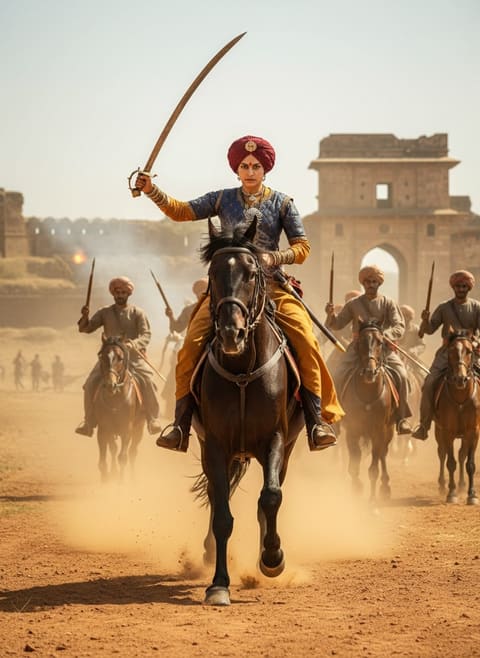
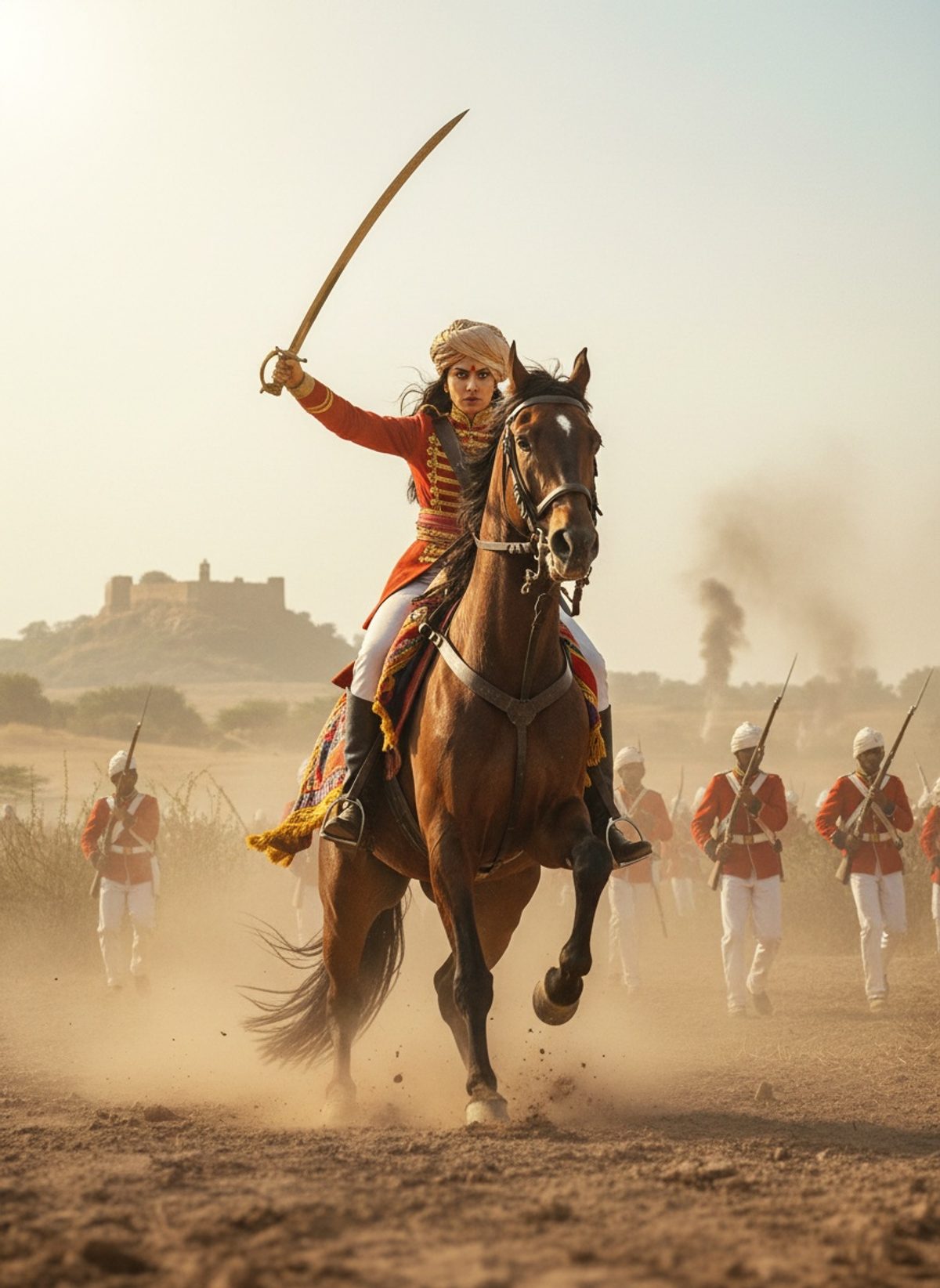
In her final stand at Gwalior, Lakshmi Bai donned the attire of a cavalry soldier, covering her regal identity under the guise of warfare. The vibrant royal regalia was replaced by a turban and tunic, her armor glinting under the oppressive sun. As she mounted her horse, she transformed into a warrior chieftain, determined to ride into glory or oblivion. The urgency of the moment imbued her with a fierce composure — the resolve of a woman with nothing left to lose.
Read next: When Wat Tyler Faced the King in Smithfield, 1381
It was more than a personal battle; it was a clarion call to all those who dreamed of a future unshackled by foreign domination. Lakshmi Bai's presence inspired those around her, turning banded soldiers into committed followers. Her reputation as a leader who fought alongside her troops was legendary, and as she galloped out of the city towards Gwalior's fort, she invoked a historical drama more profound than any play staged in recent memory.
Her charge was not only an act of valor but a profound statement against the juggernaut of Empire — she fought to reclaim dignity, to protect the progeny of free India against a fate shackled by colonial masters. This moment encapsulated the essence of her rebellion, a rallying cry that echoed across India.
The Thunder of Hooves
The battlefield outside Gwalior became an amphitheater of thunderous hooves as the Rani led her remaining forces in a desperate, exhilarating charge. The sight was nothing less than extraordinary — a woman, wrapped in the dust and sweat of battle, defiantly challenging the disciplined regiments of Her Majesty's army.
The tactical genius of this moment lay not in overwhelming force but in the unexpectedness of her direct assault. Her bravery, reckless in its abandon, inspired a last burst of energy from her forces. Lakshmi Bai understood that the element of surprise and her passionate impetuousness were her most powerful weapons against an opponent boasting superior numbers and firepower.
The air was thick with the acrid smell of gunpowder and the urgent cries of combat. Through the chaos and the clamor, she carved a pathway through the British lines, a comet trailing courage in its fiery wake. Her warriors followed, hearts emboldened by the sight of this indomitable queen leading them into the crucible of liberty or death.
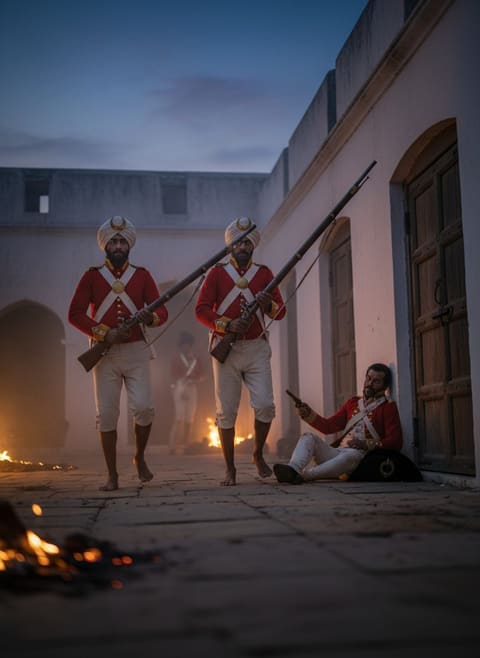
Yet amidst this desperate bid for victory, destiny weighed heavily against her as the British forces began to regroup. The red-coated soldiers, experienced and steady, adapted quickly, engulfing the battlefield with disciplined precision. But the resolve of the Rani of Jhansi did not falter; her eyes, burning with defiance, remained fixed on the horizon — a horizon beyond which lay freedom.
The battle's intensity was mirrored by the sky, darkening with each moment of struggle. As Lakshmi Bai charged, she became not only a symbol of India's resistance, but also a memory, a living testament to courage that transcended fear, her every movement speaking of battle as not simply a fight for territory, but a demand for justice and liberty.
Read next: When Disguise Carried a Fugitive Through Empire's Heart, 1876
The Final Valiant Stand
The sun began its descent as the Rani of Jhansi made her final valiant stand. Though her forces were waning, the fire in her spirit roared in defiance. She fought with all the fierceness of a mother protecting her child, every strike echoing the feverous heartbeats of the Indian rebellion itself.
In the midst of the fray, she suffered grave injuries, a result of the bursting shrapnel and the swordplay of relentless British soldiers. Bloodied, but unbowed, Lakshmi Bai continued to rally her forces, relentless in pursuit of a slice of freedom denied to them by years of subjugation. The Rani’s last moments were shrouded in the veils of legend — a spectacle of endurance and sacrifice. She did not go gently into the annals of the past; instead, she charged, defiant and unwavering, into eternity.
The British forces eventually claimed Gwalior, but victory could not erase the legend born that blazing afternoon. General Hugh Rose, the British commander, noted her as the most outstanding leader of the rebels: "She was the only man among the rebels." This backhanded compliment underlined not just her impact as a female leader in a male-dominated military arena but also her guide-fire leadership that kindled the flames of a nation’s awakening.
Years, even centuries later, the charge of Lakshmi Bai outside Gwalior remains a poignant reminder that history’s most intense moments often revolve around individuals who defy the limits imposed upon them by society and circumstance. Her actions on those sunbaked plains speak to the enduring fight for freedom and the profound courage to challenge oppression. Across time and distance, the Rani of Jhansi's spirit continues to inspire those who yearn for justice and those who dare defy the impossible, reminding all that a single act of courage can ignite a revolution. Her story, far from a mere historical footnote, fuels the spirit of rebellion and asserts the inextinguishable quest for sovereignty embedded in hearts across the world.