112 stories
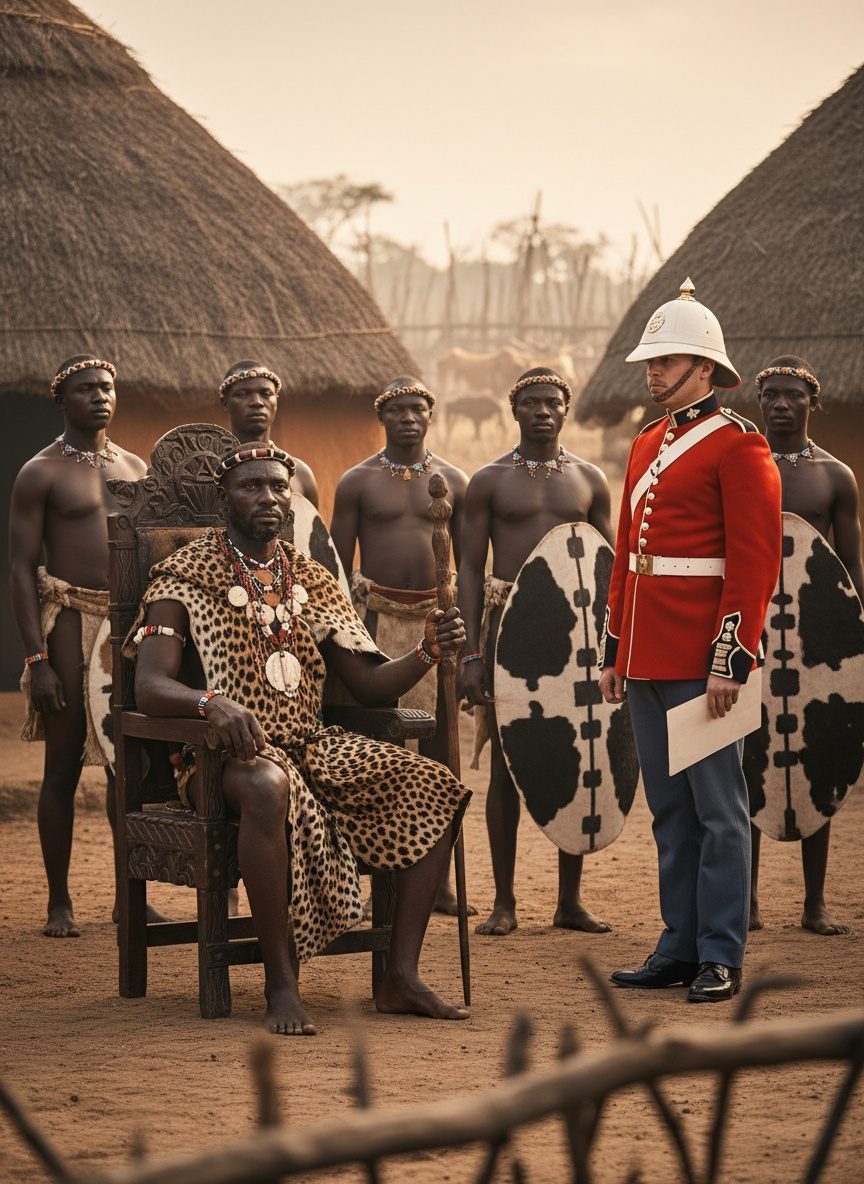
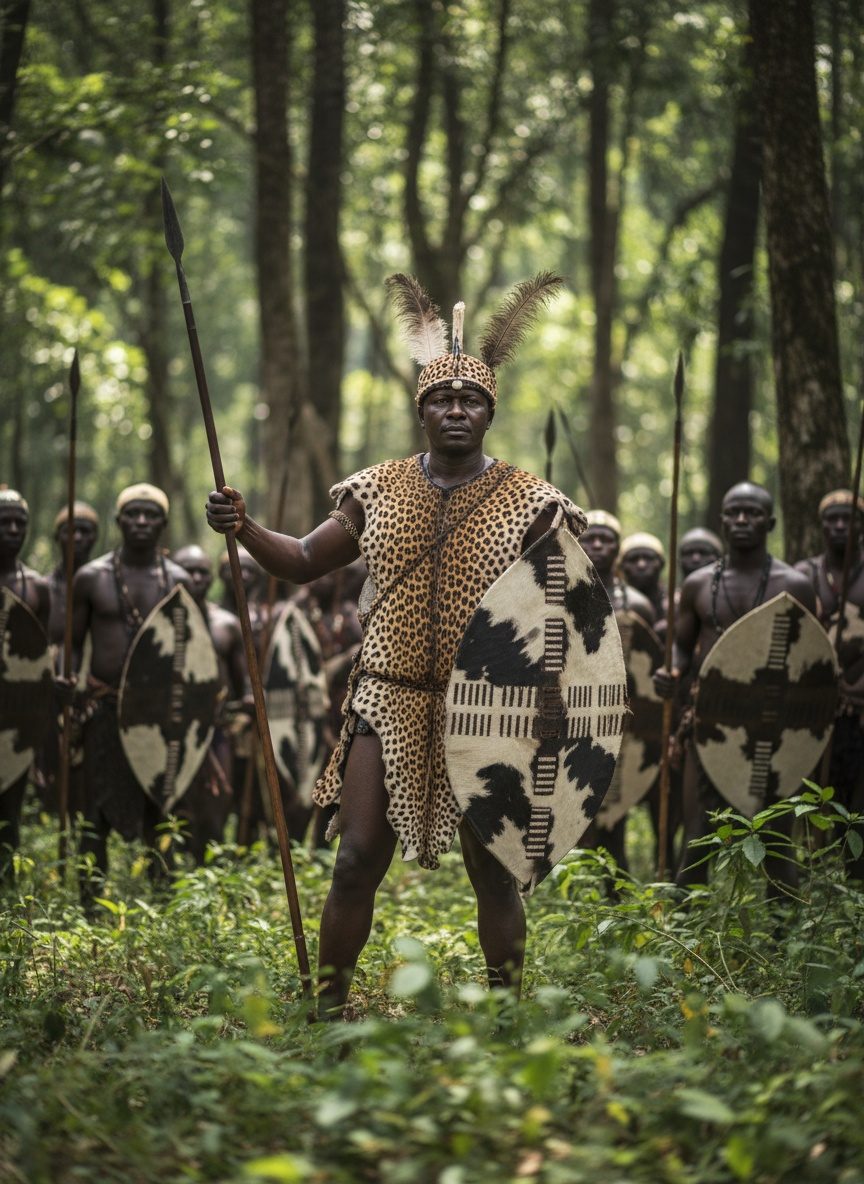
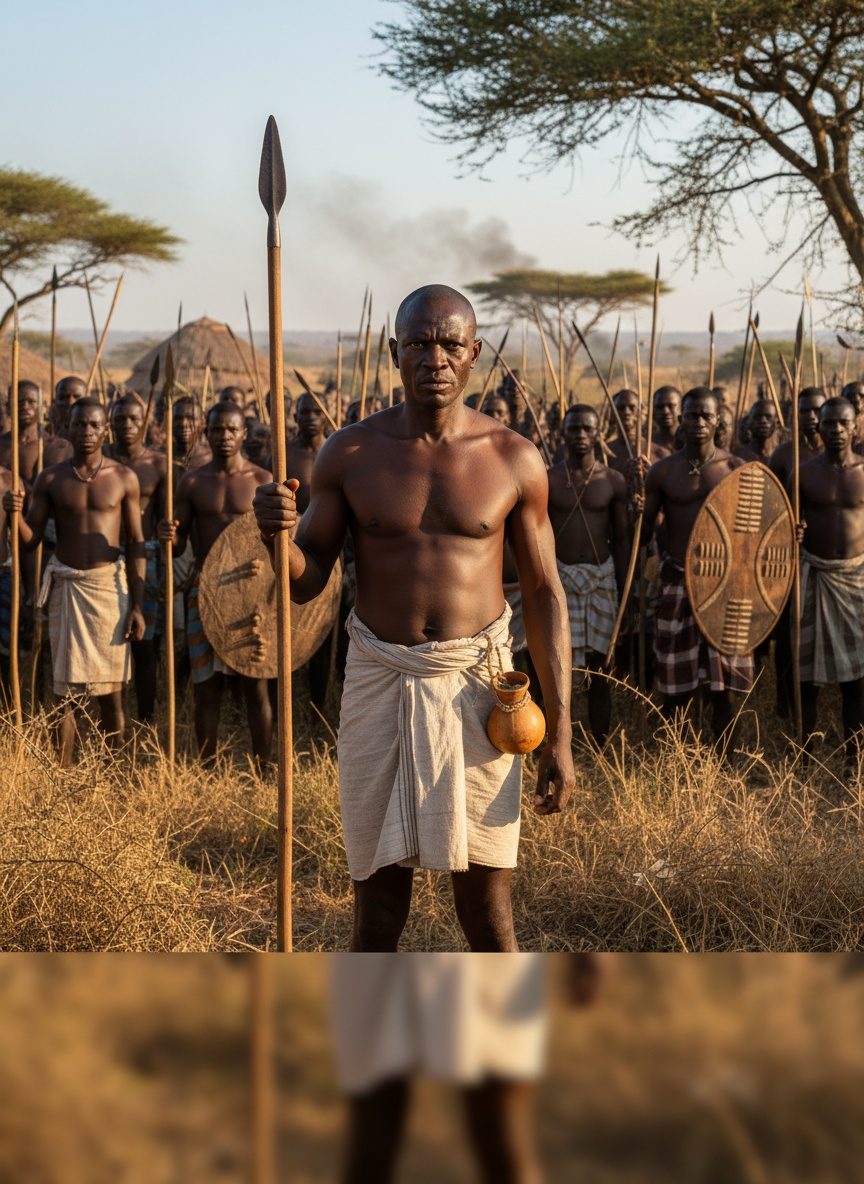
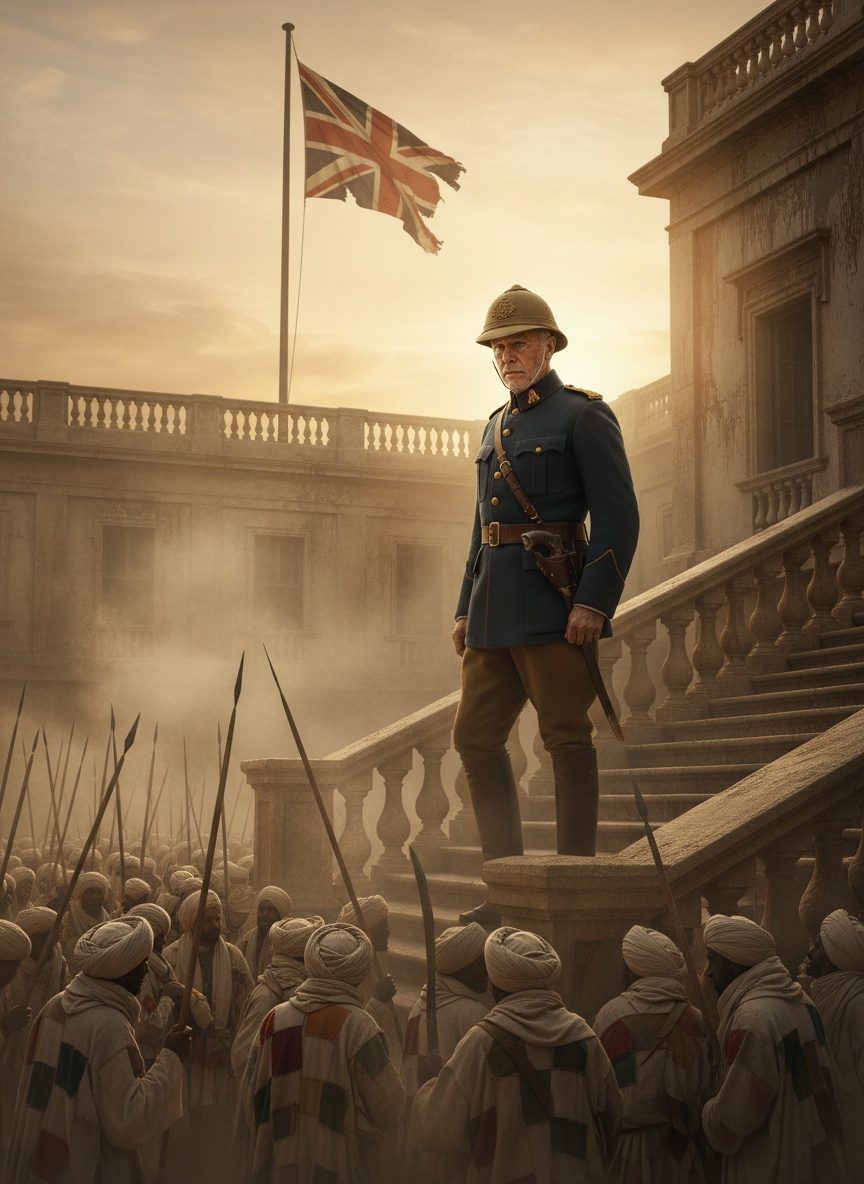
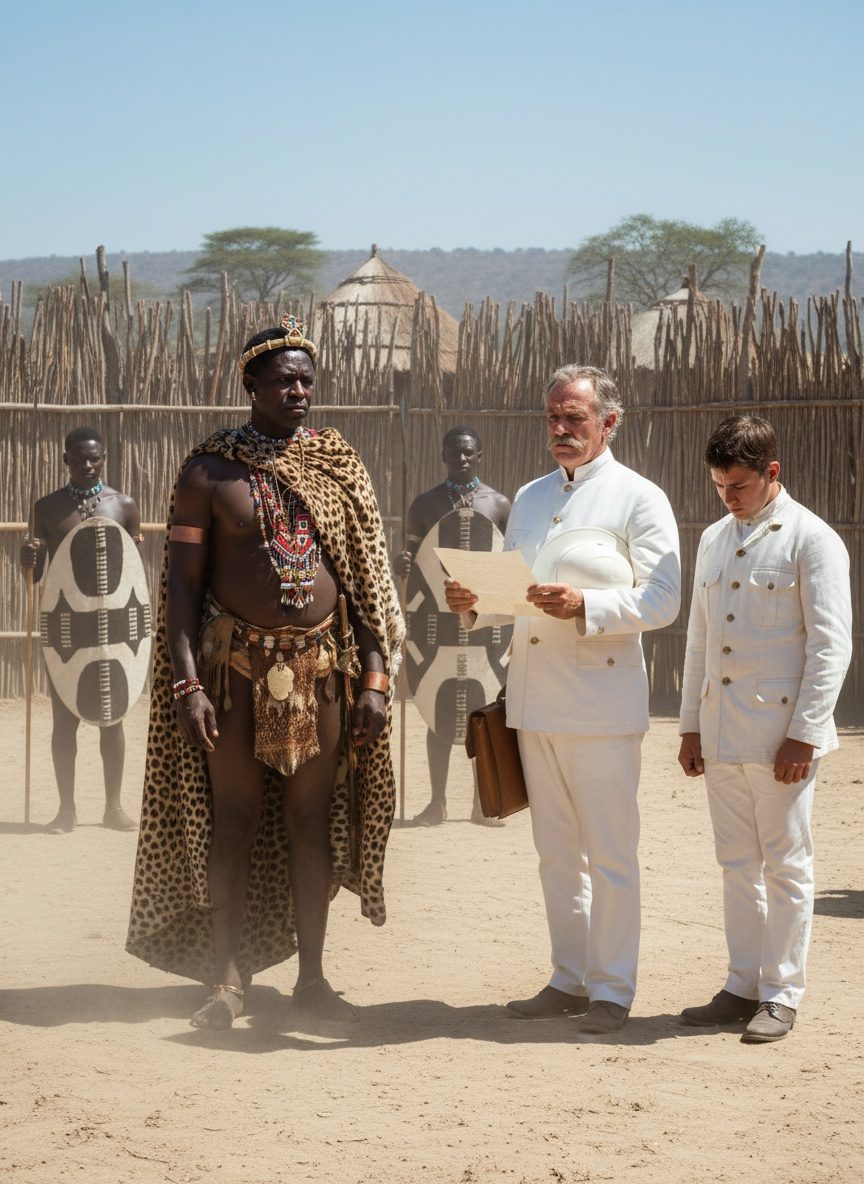
January 1879. Britain delivered an ultimatum to the Zulu king. Disband your army. Disarm your nation. Submit. Cetshwayo did not reply. He sent his impis to the border instead.
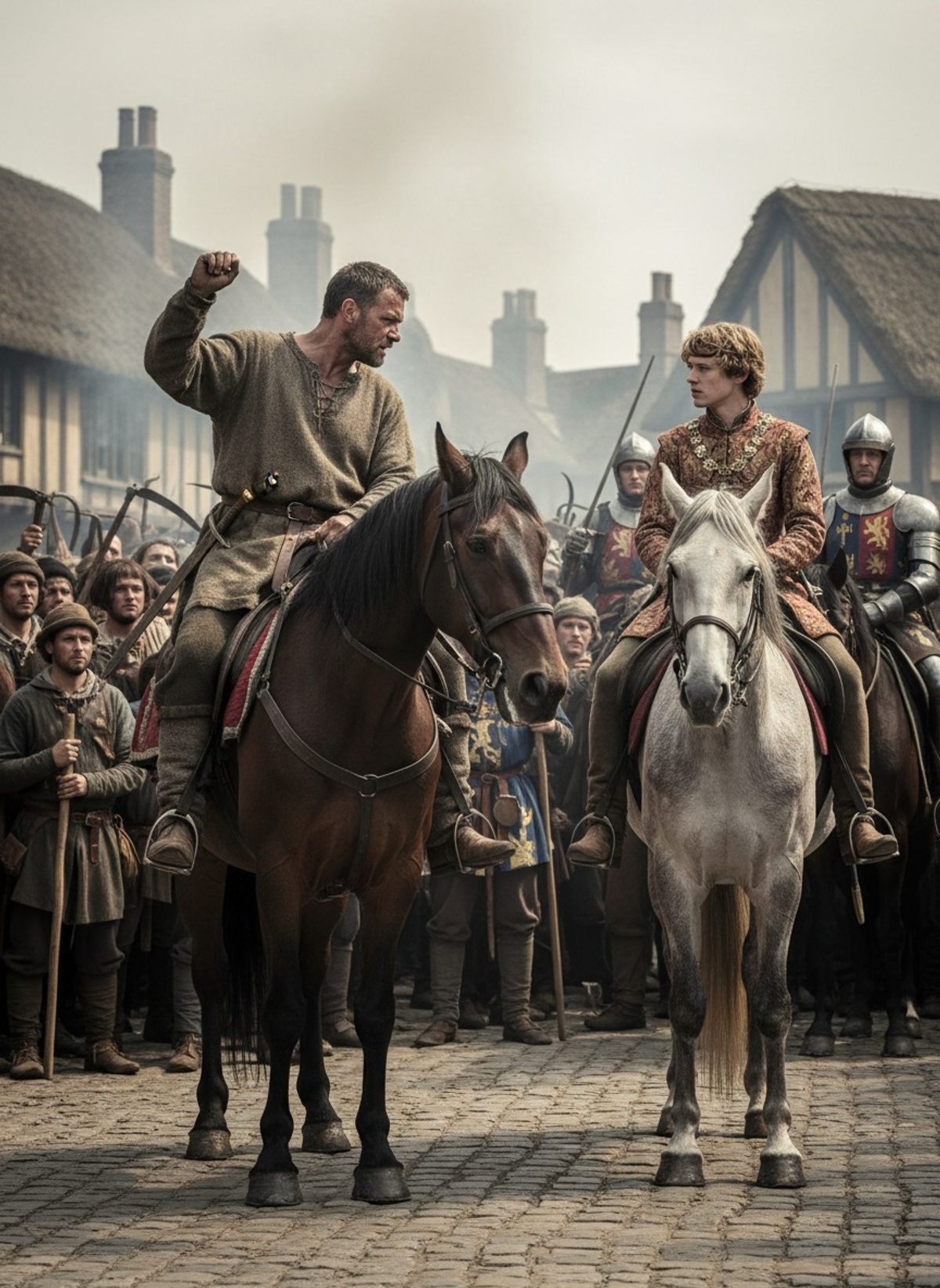
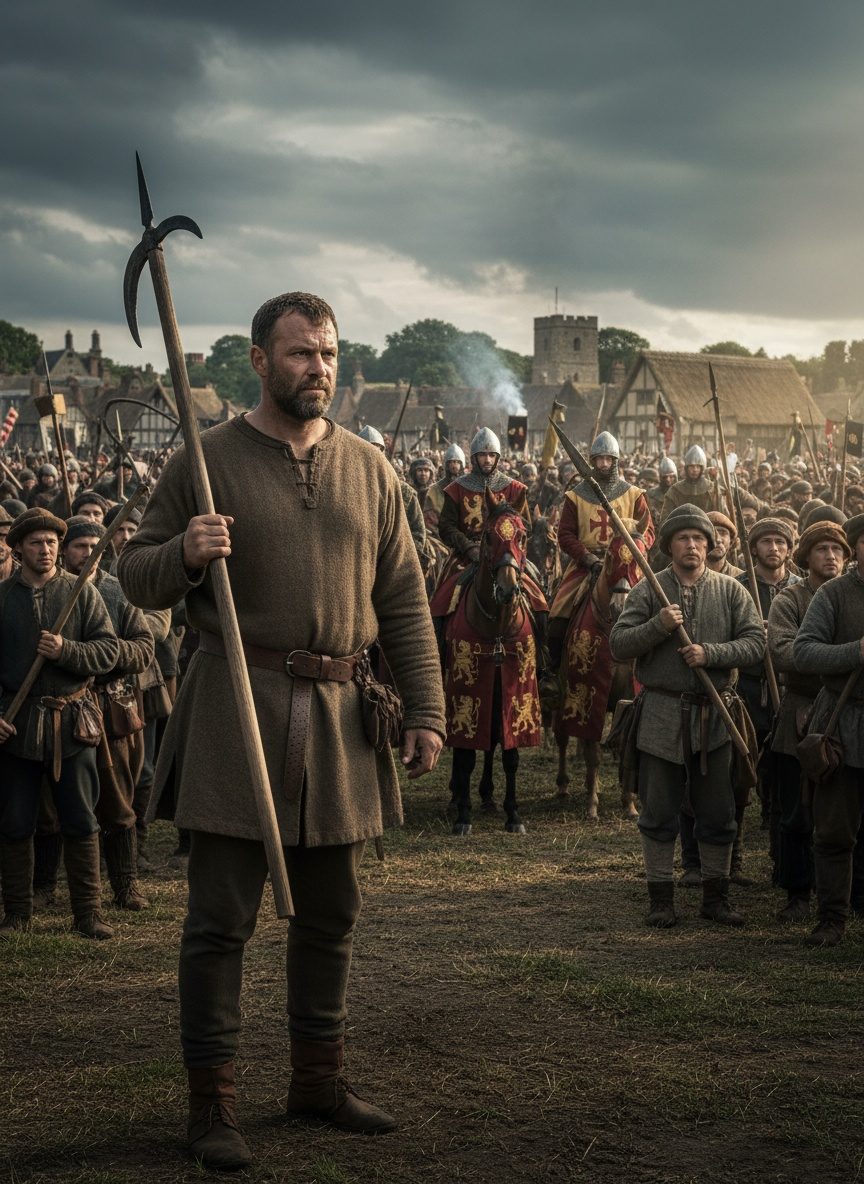
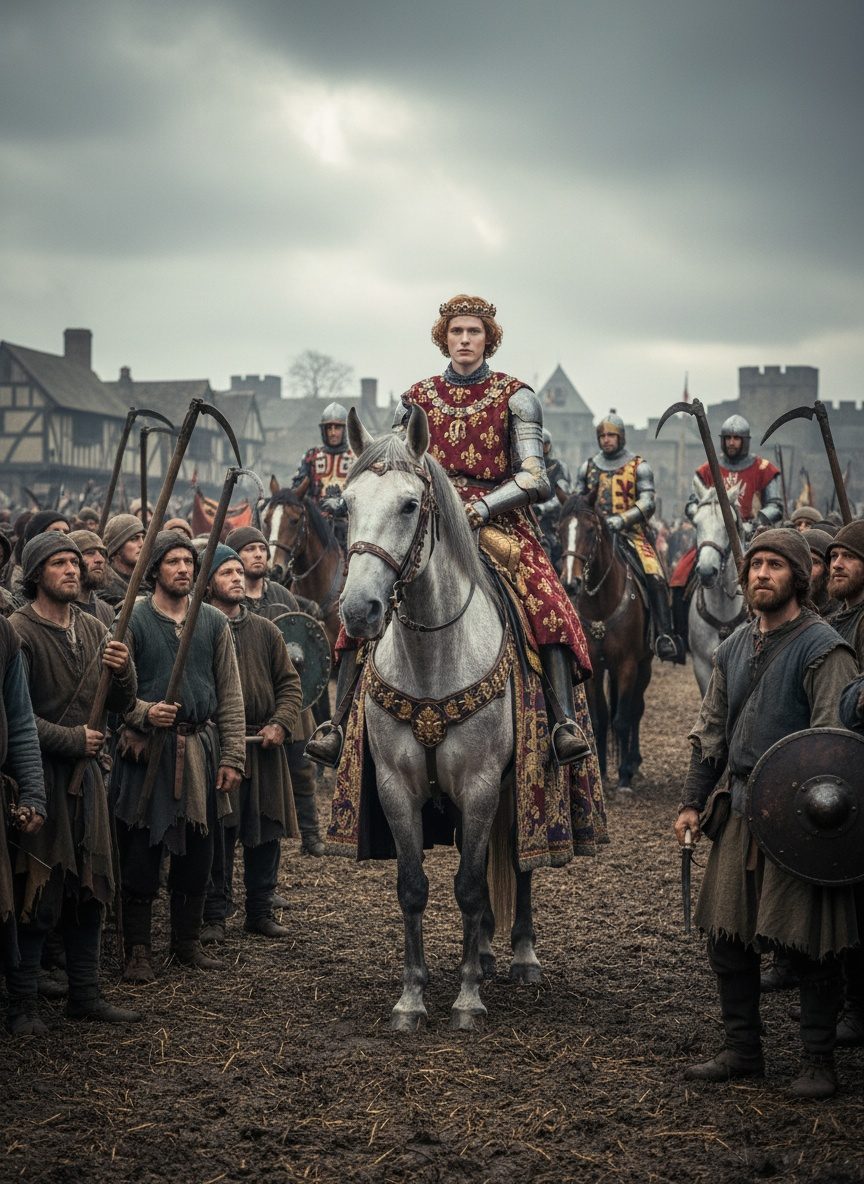
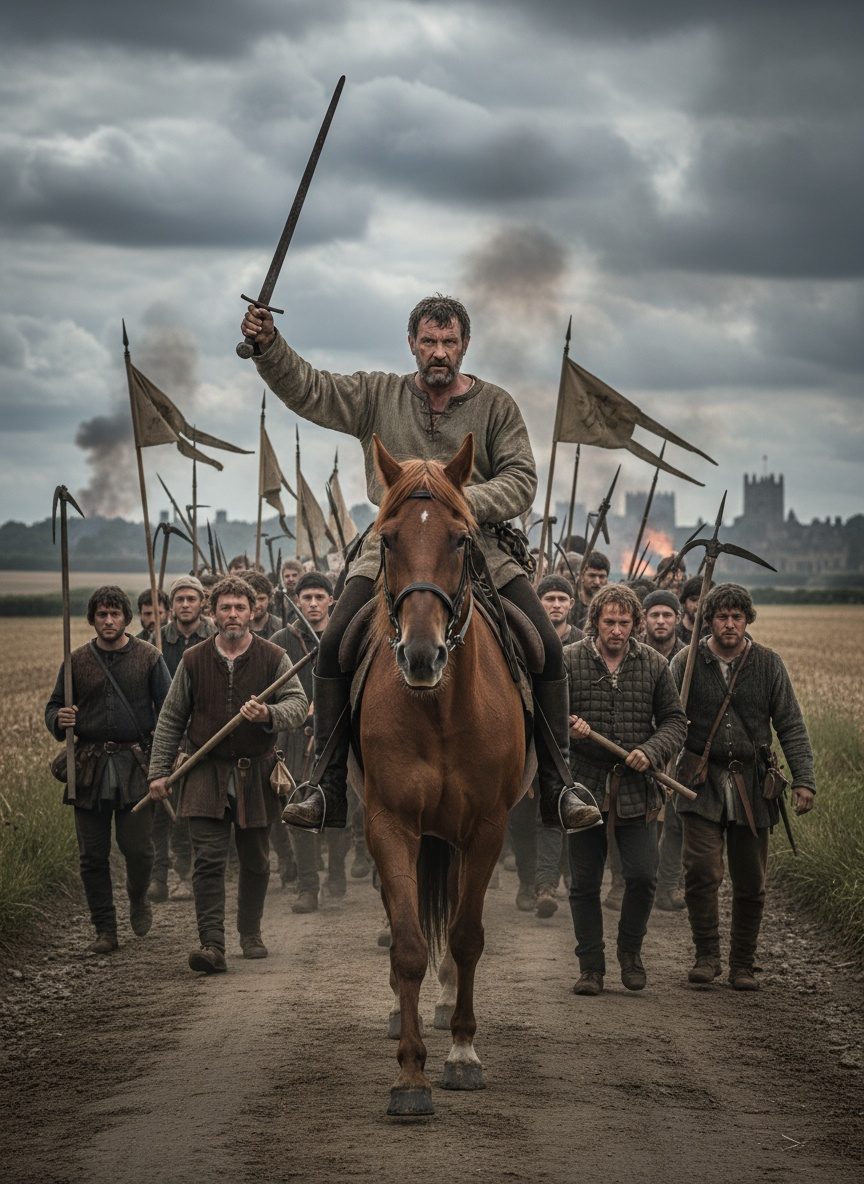
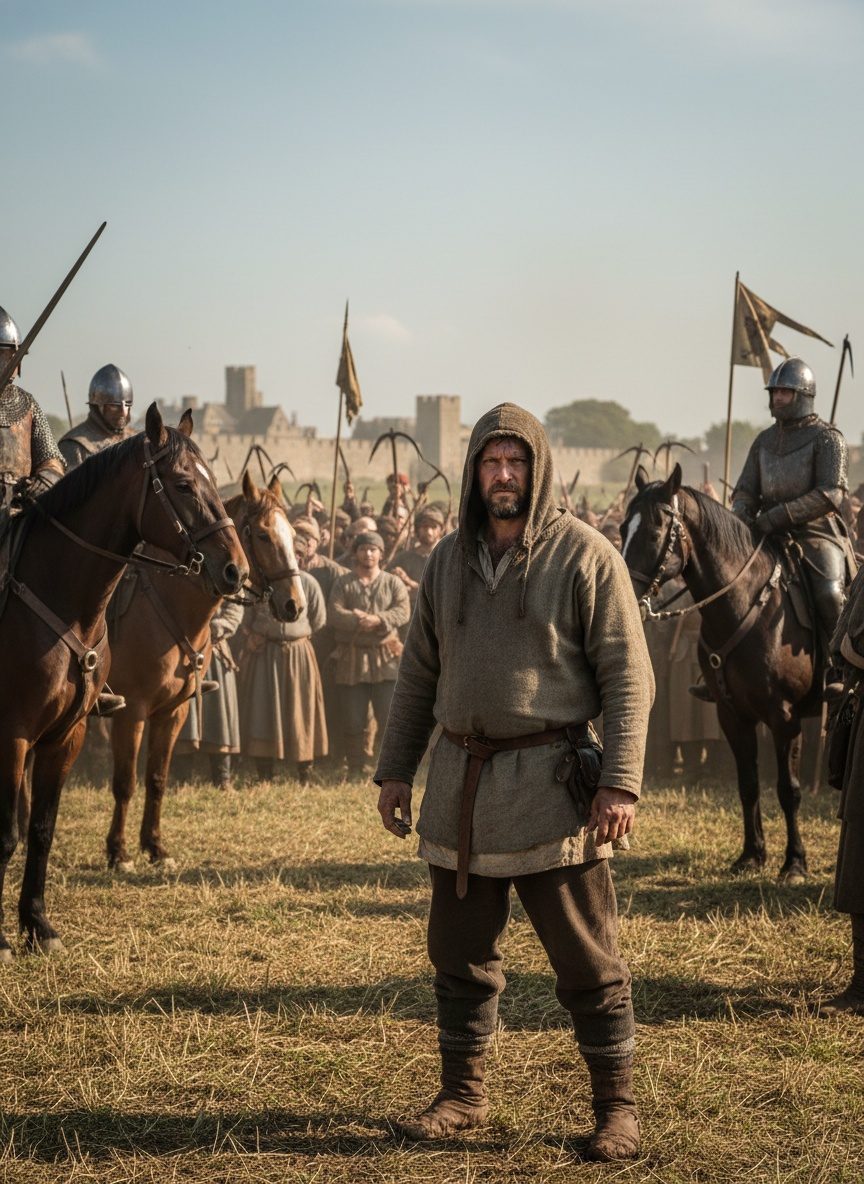
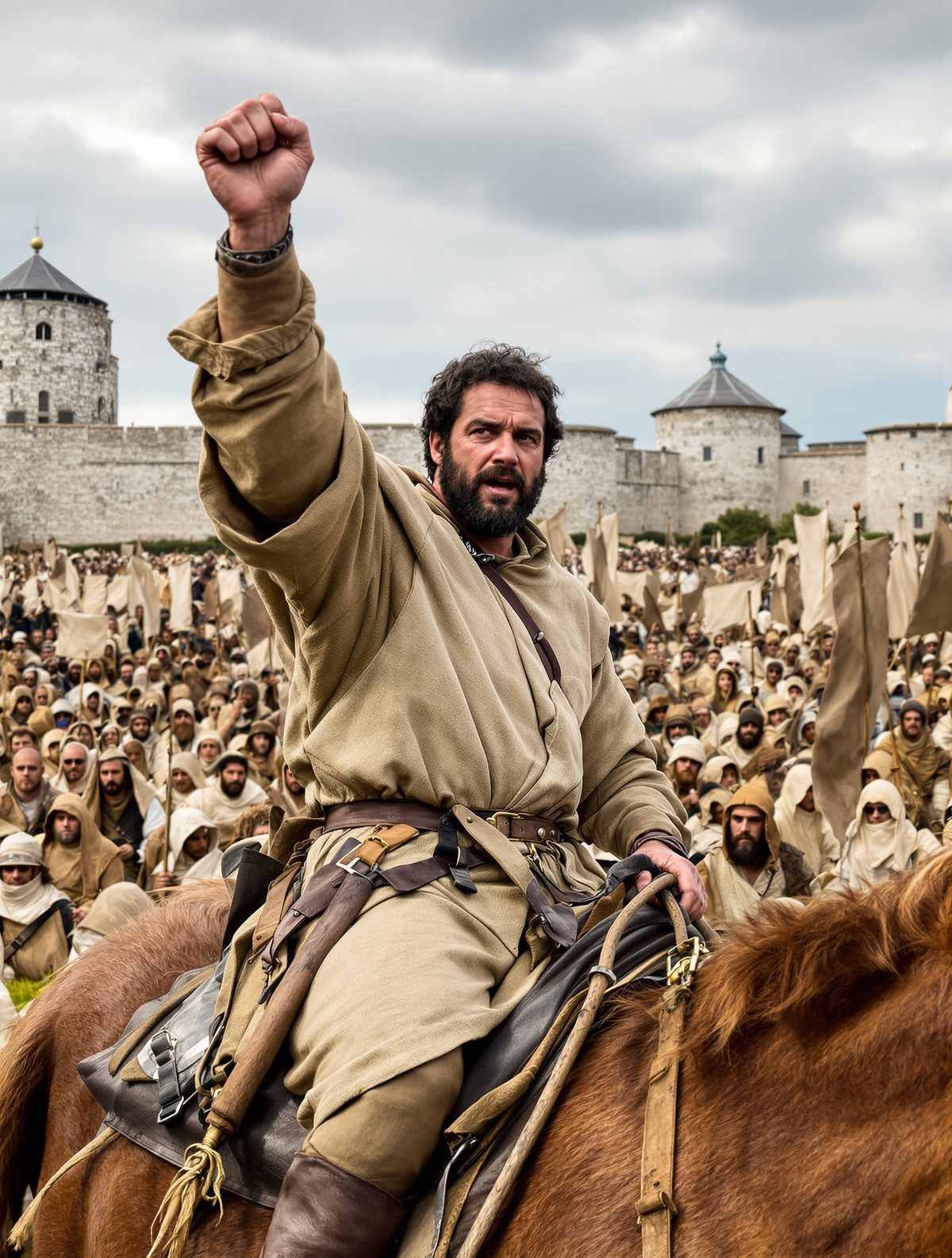
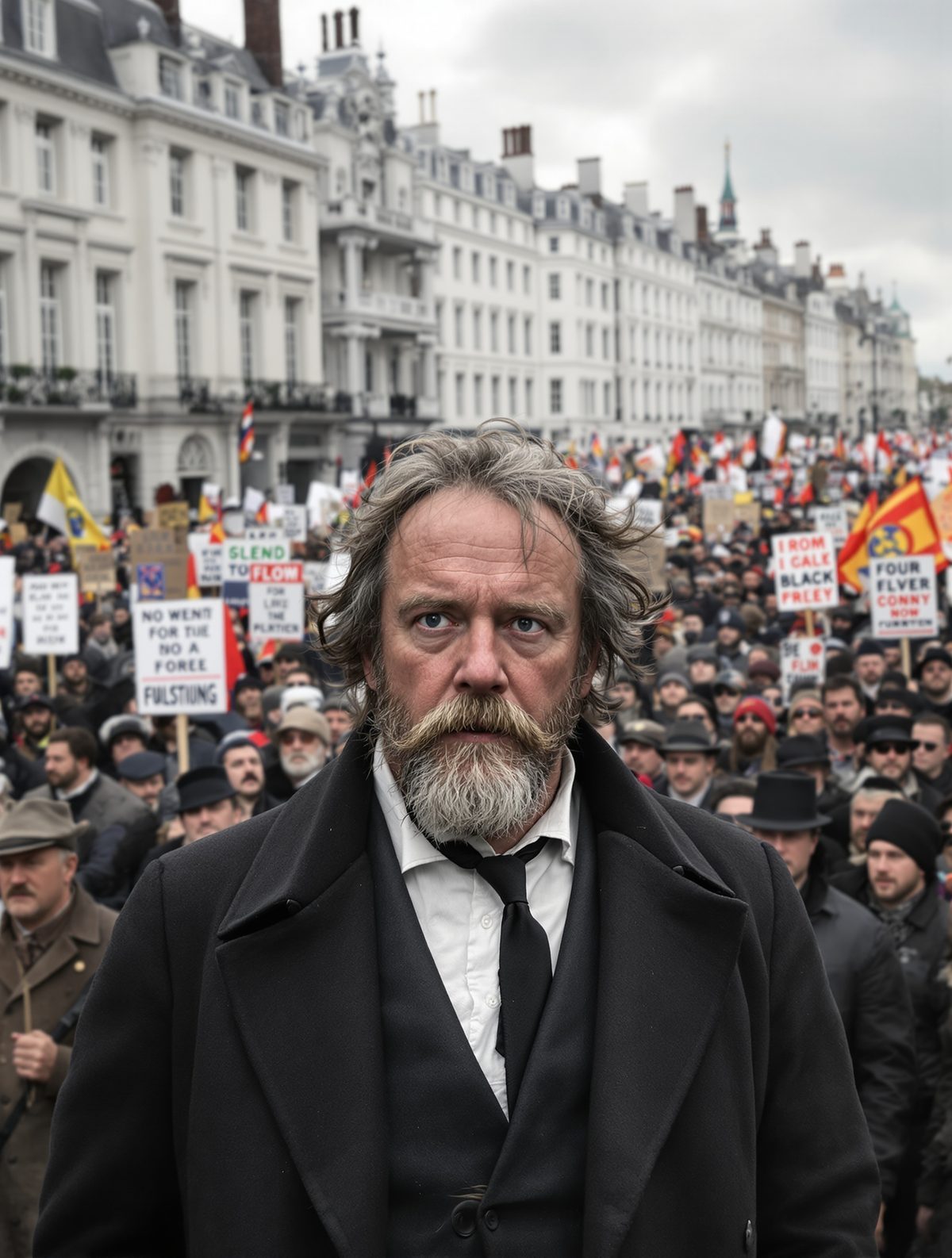
June 1381. A peasant army had seized London. Wat Tyler rode forward to meet the boy king Richard II. One city. One confrontation. One moment that shook England forever.
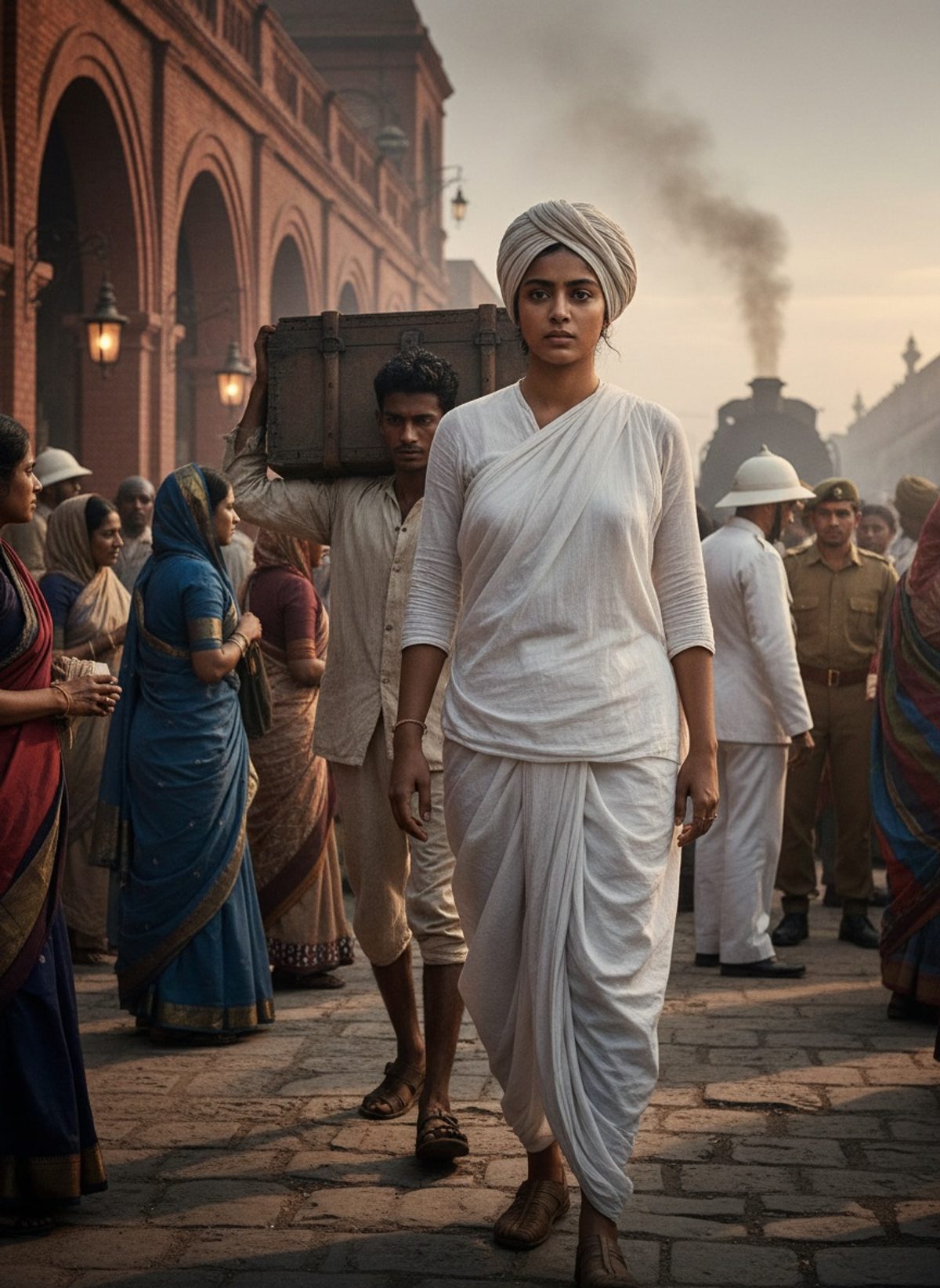
She dressed as a man. He posed as her servant. Together they moved through British India in plain sight. One wrong glance and it was over. They reached Bombay and boarded a ship to freedom.
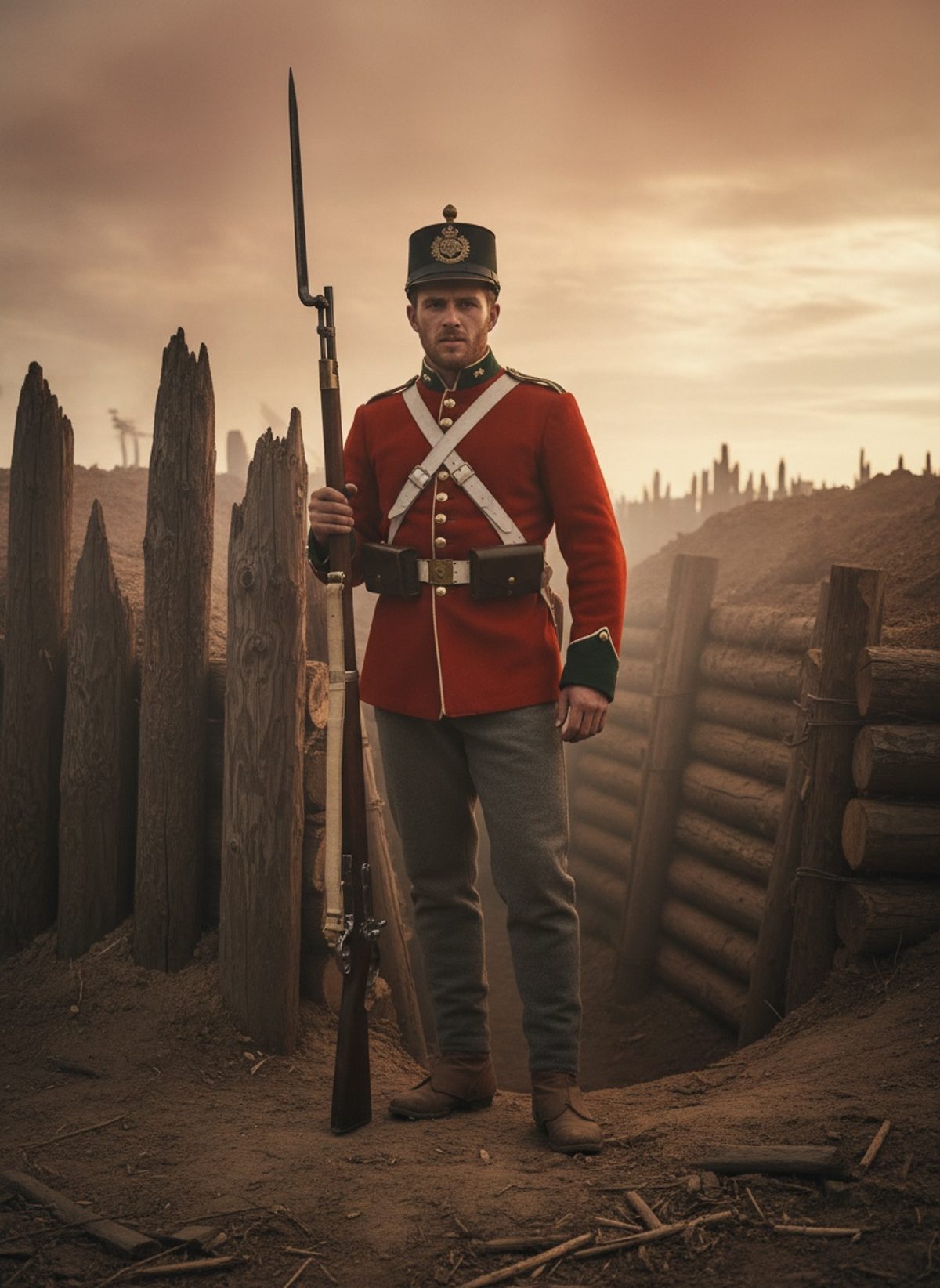
1,700 British troops. Heavy naval guns. 250 Māori defenders. The British charged expecting rubble. They found a maze. By nightfall, over 100 lay dead or wounded. Then the defenders brought water to the men they had just fought.
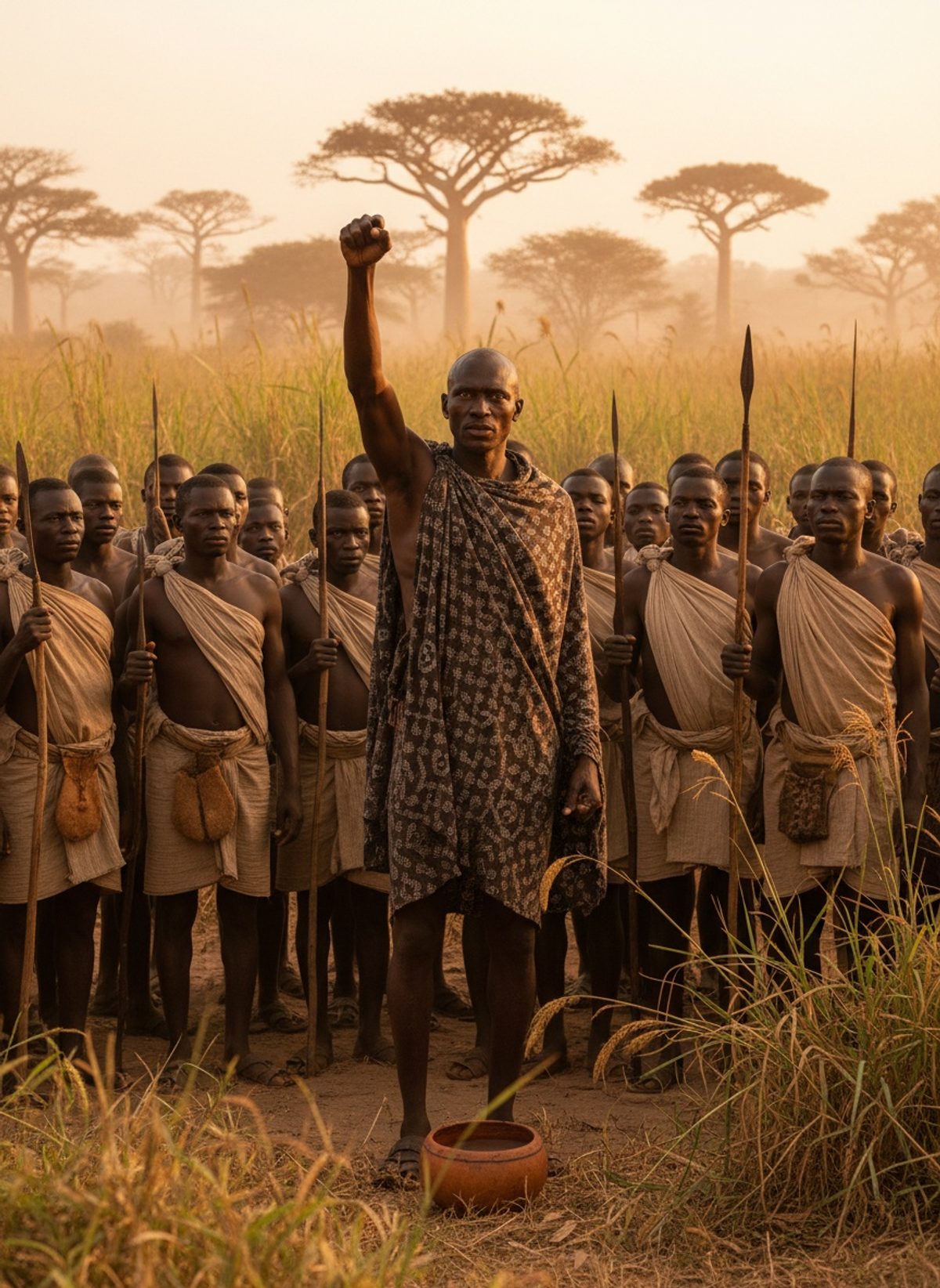
August 1905. A healer told ten thousand men the German bullets would turn to water. They believed him. They charged. The rifles did not stop. Kinjikitile Ngwale was hanged before the harvest came.
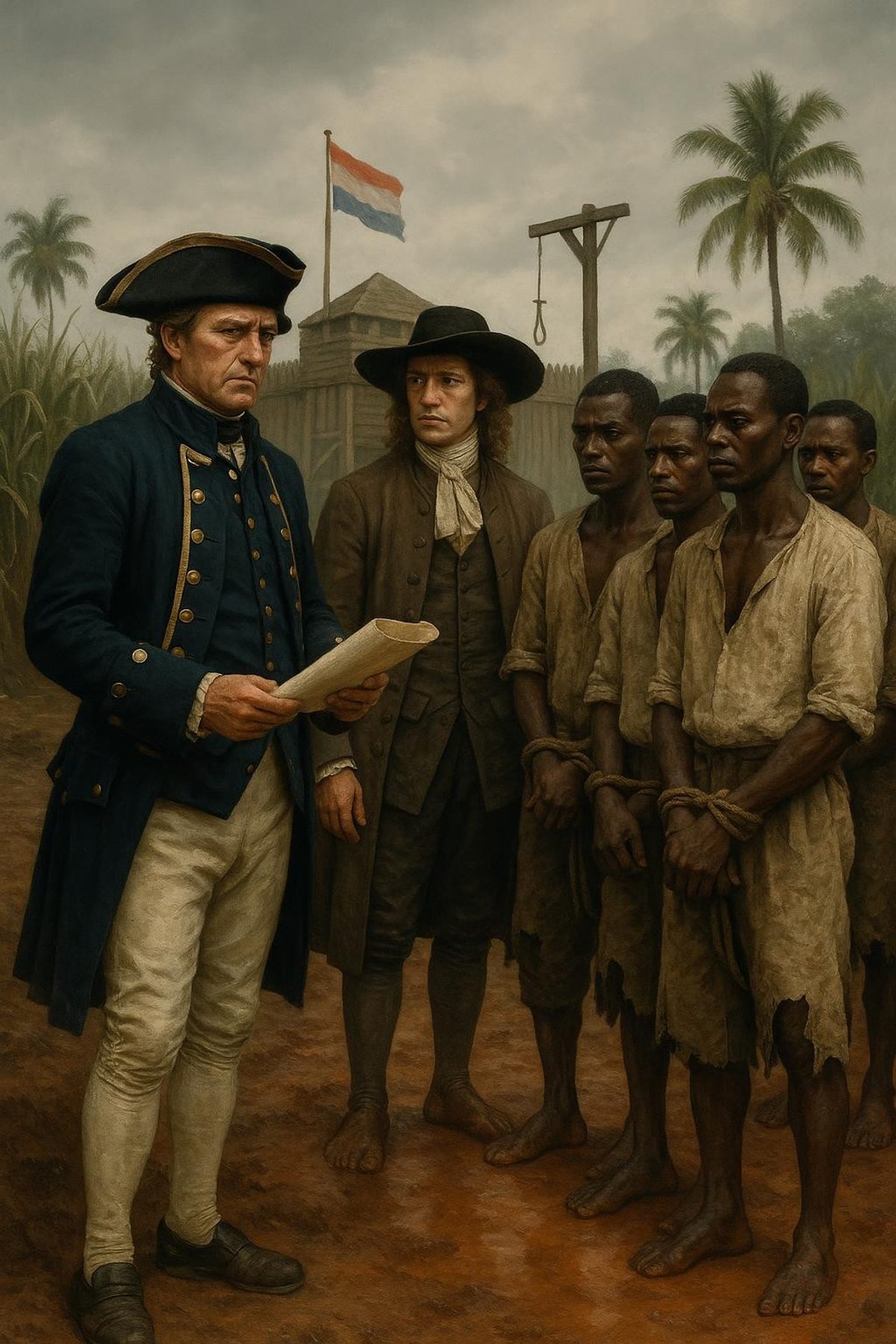
In 1763, enslaved men in Dutch Berbice rose against their masters. When Britain's forces arrived, captured rebels faced the same brutal question: who exactly had they betrayed — and to whom did they belong?
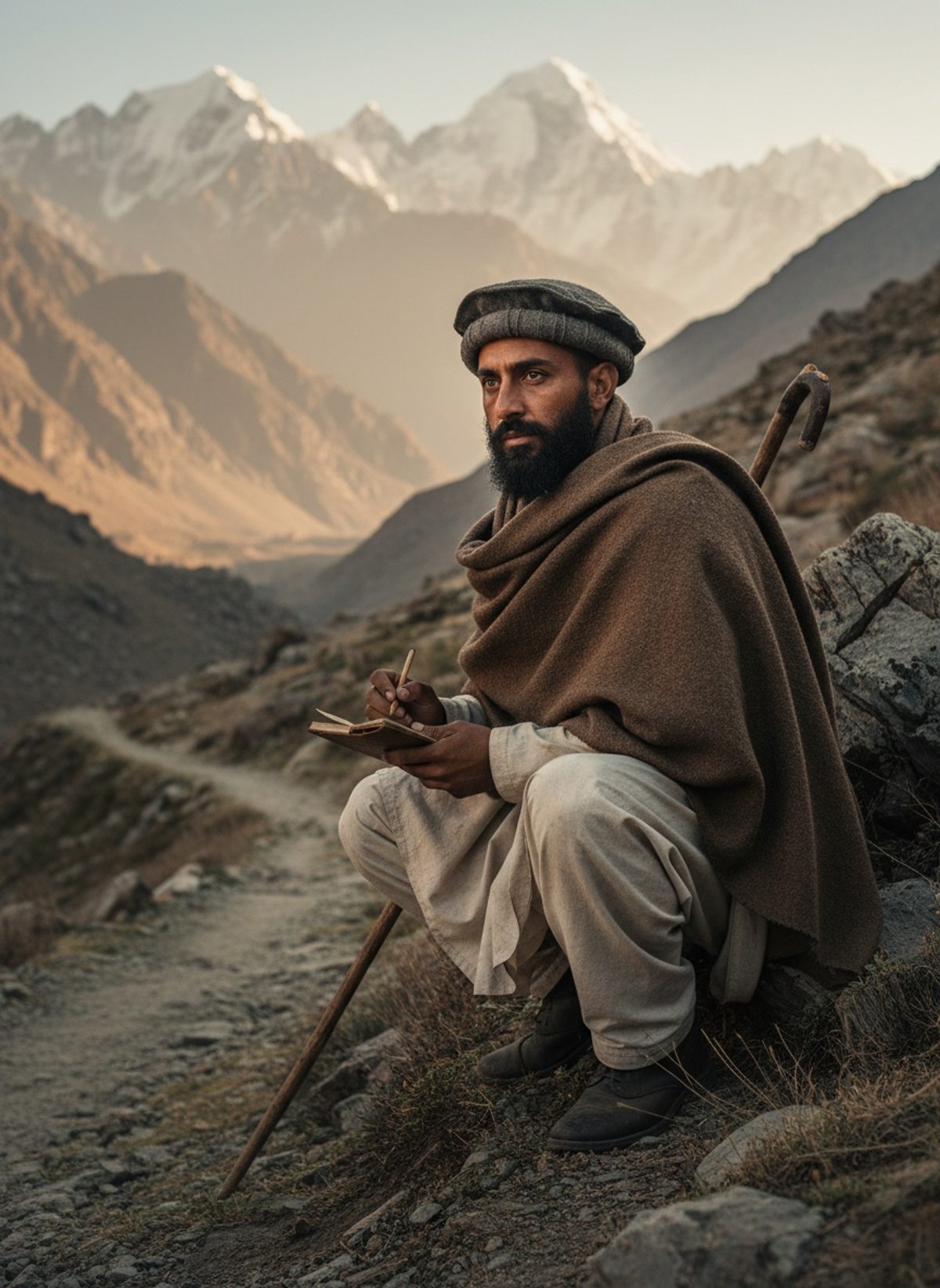
A Sikh officer rode into hostile tribal territory wearing Afghan clothes. He carried no papers. If caught, the Empire would deny him. He came back with maps that changed the Frontier forever.
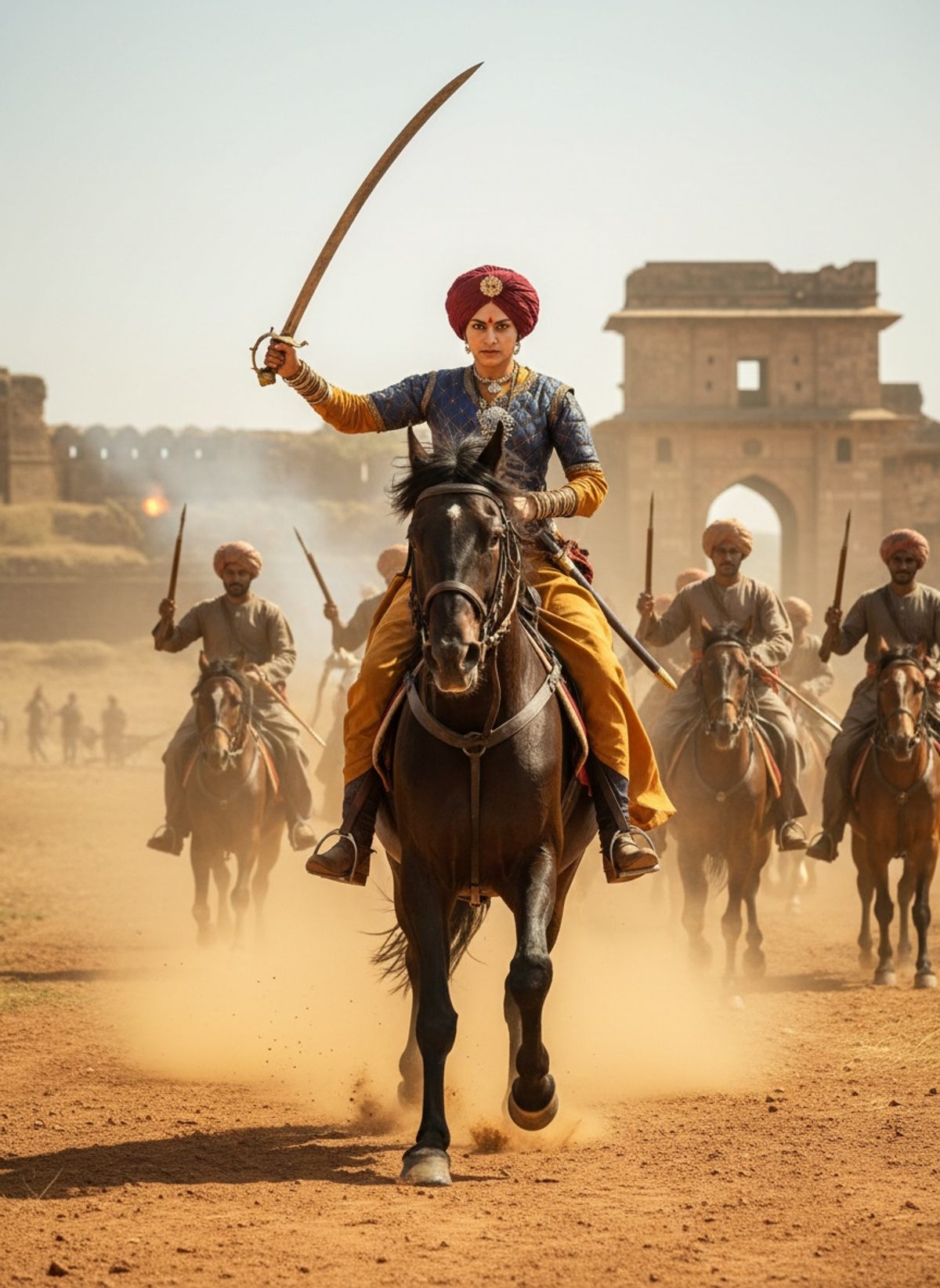
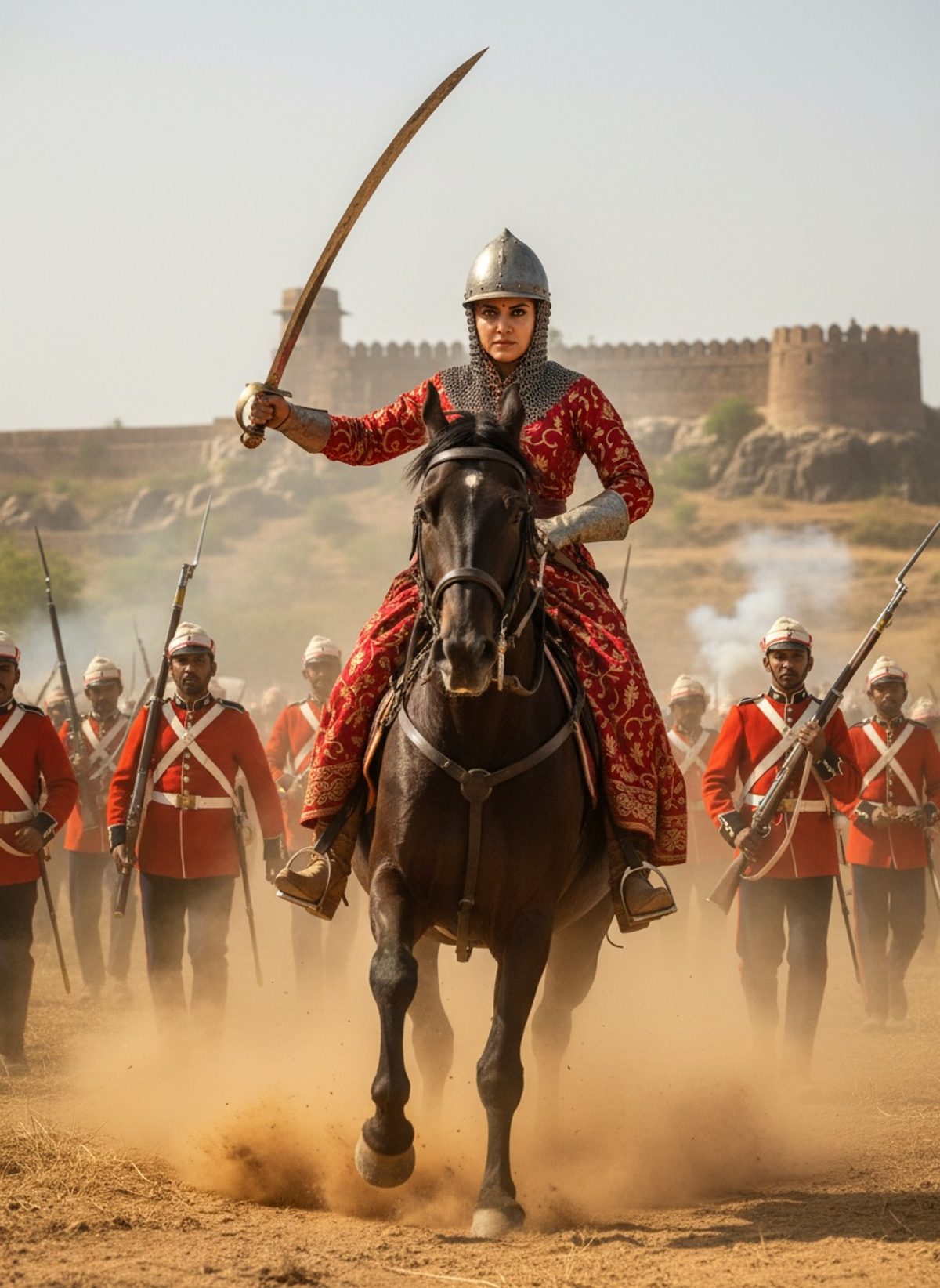
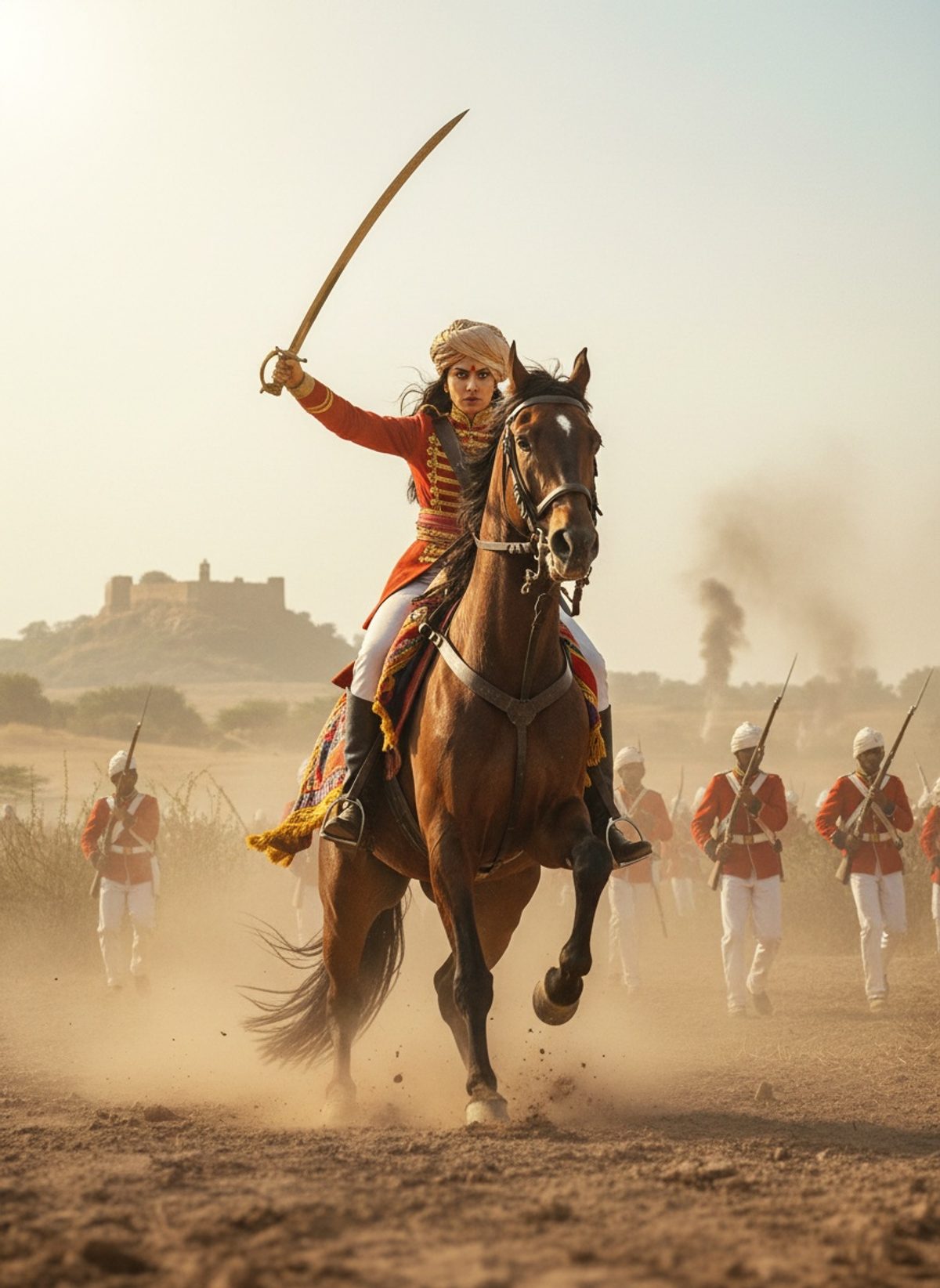
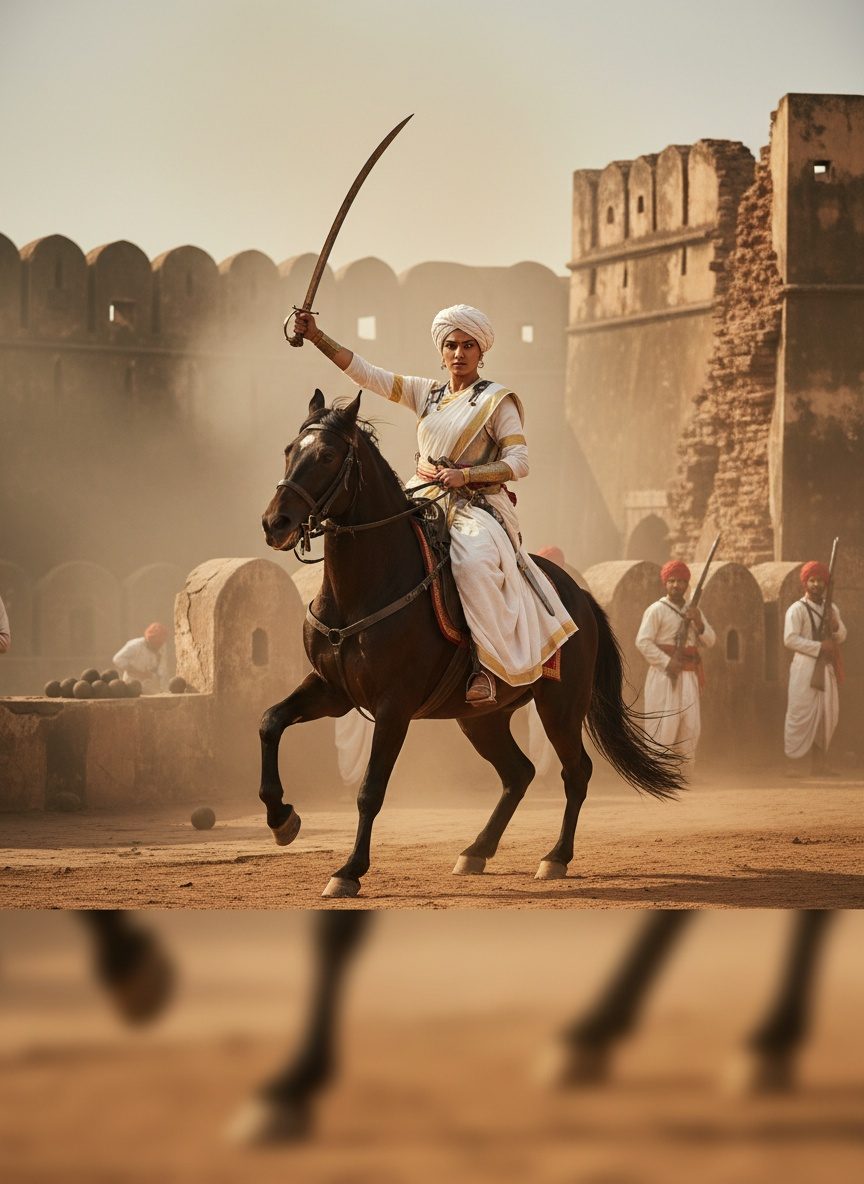
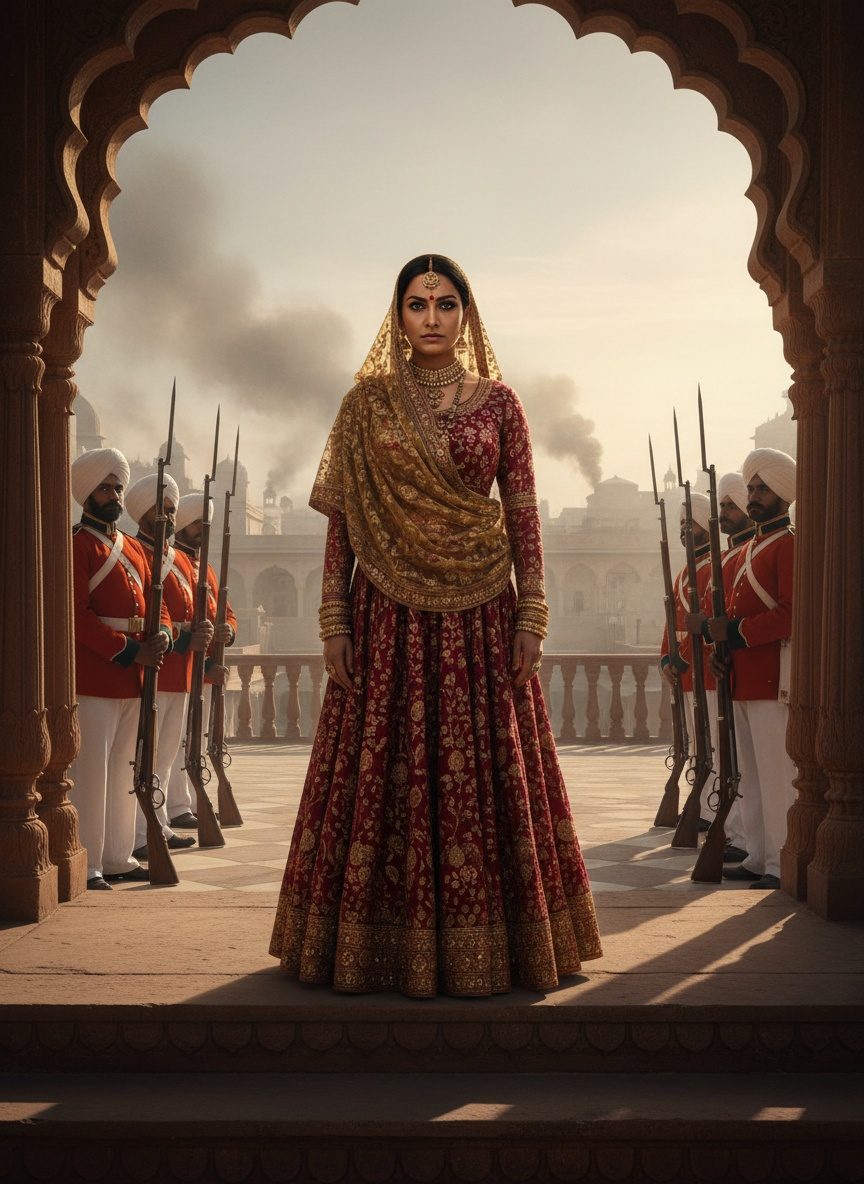
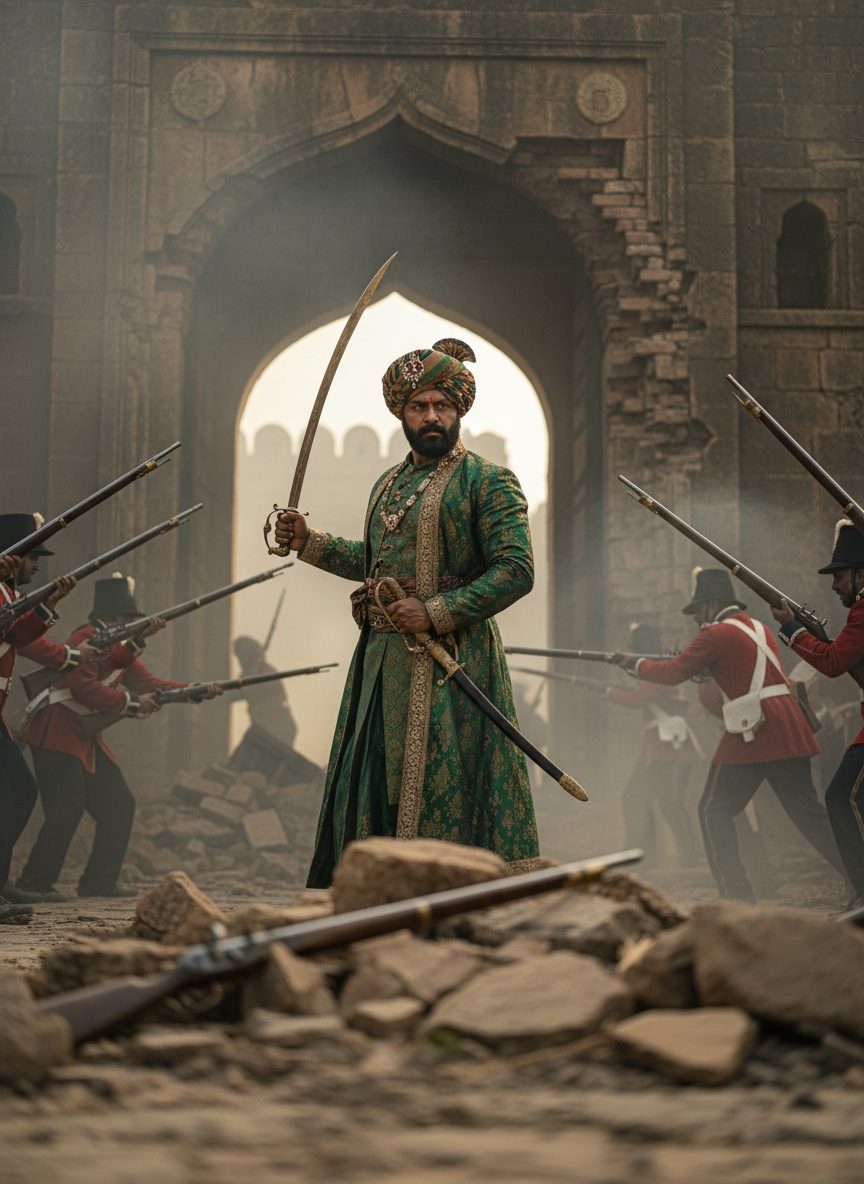
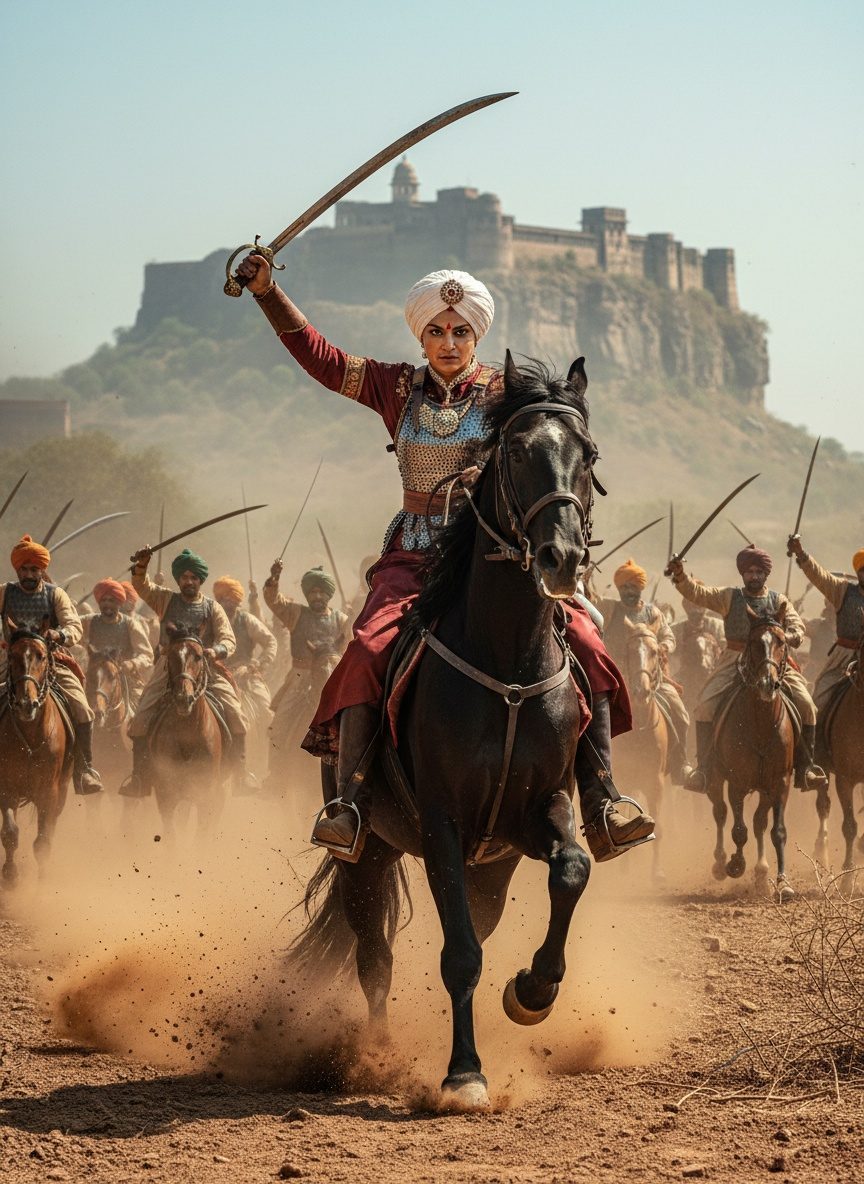
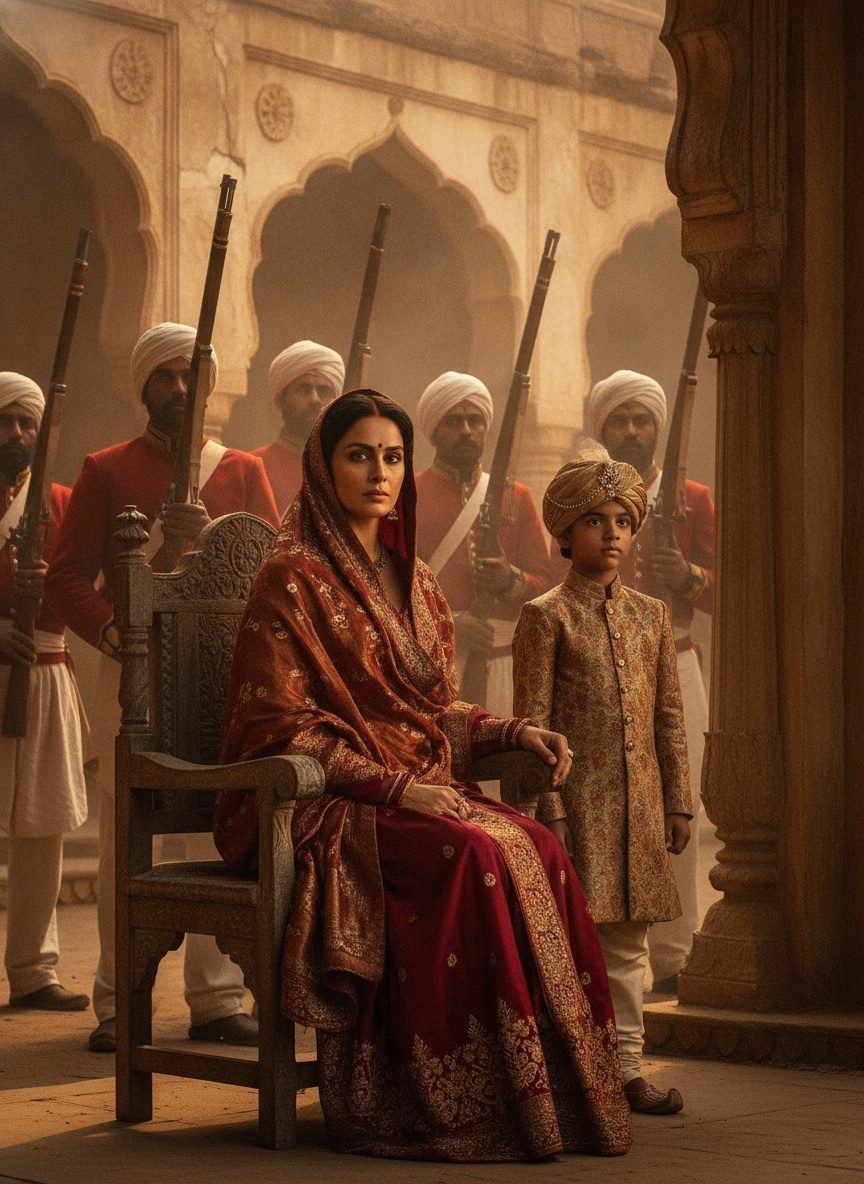
June 1858. British cavalry closed on Gwalior. The Rani of Jhansi rode out to meet them. She fought until she could not stand. She never surrendered. Hugh Rose called her the greatest rebel leader of the uprising.
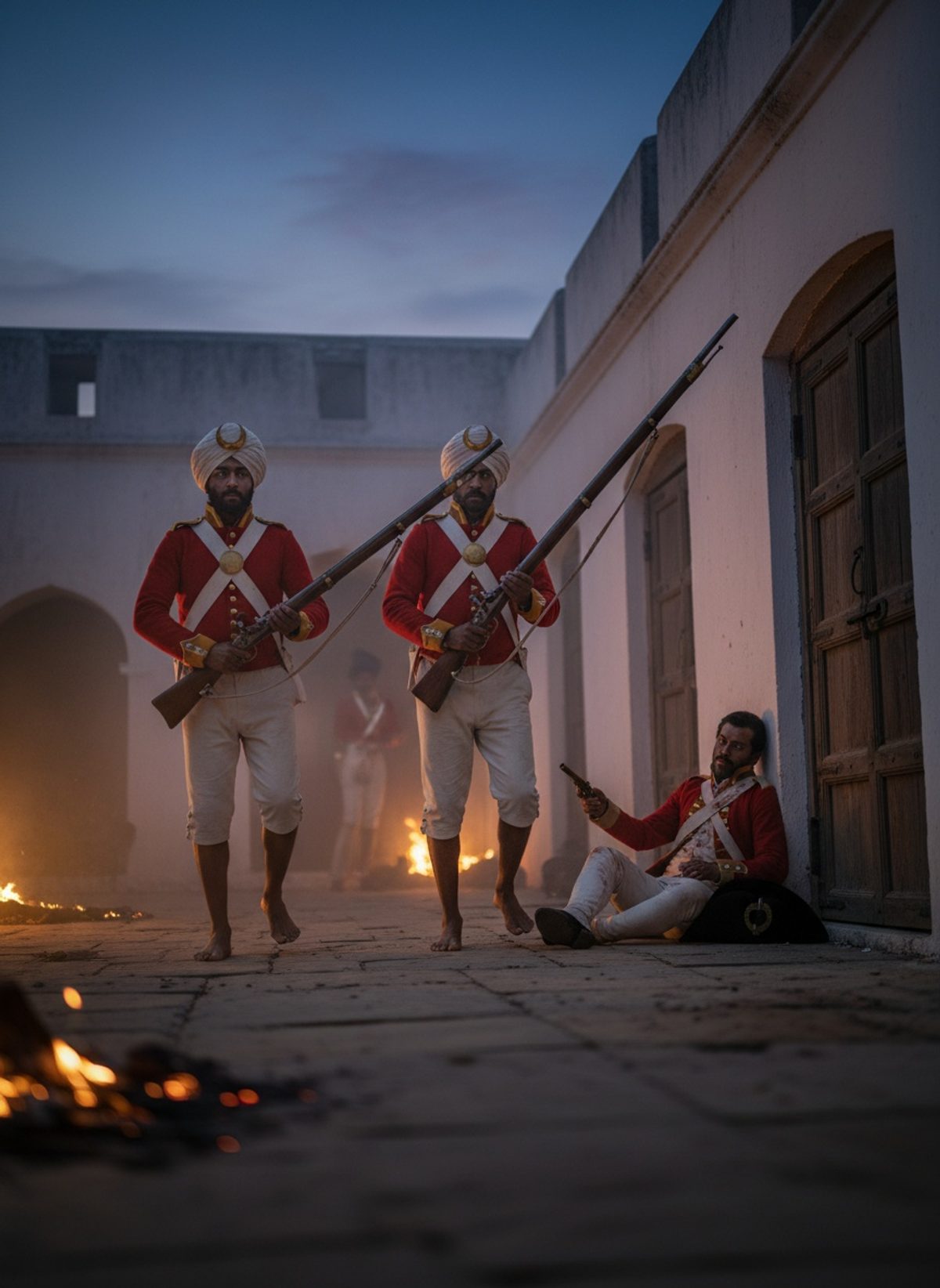
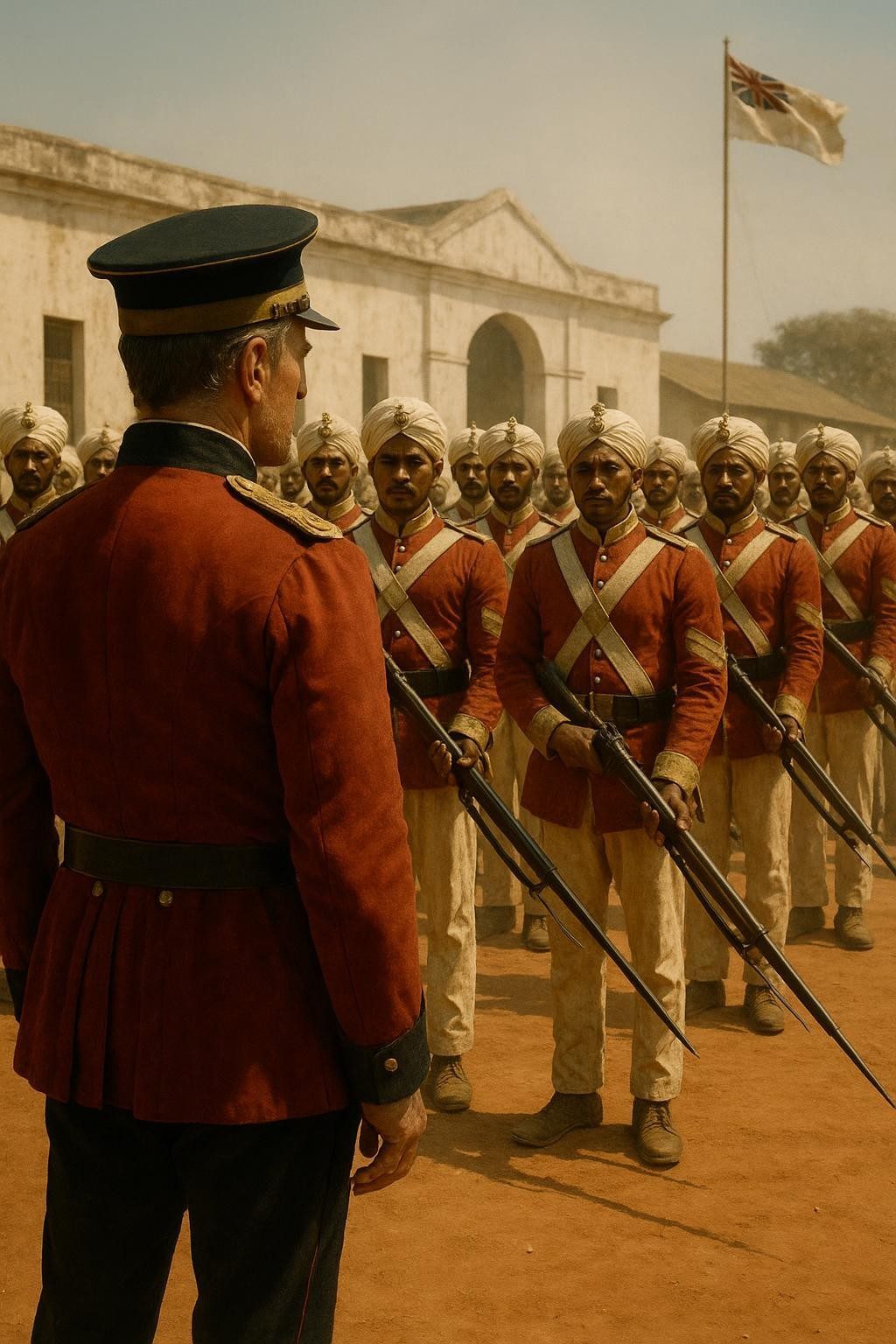
Vellore, India. July 10, 1806. Before dawn, Indian sepoys turned their muskets on their sleeping British officers. 200 British soldiers were dead by sunrise. The men who pulled the trigger weren't rebels — they were the Crown's own.
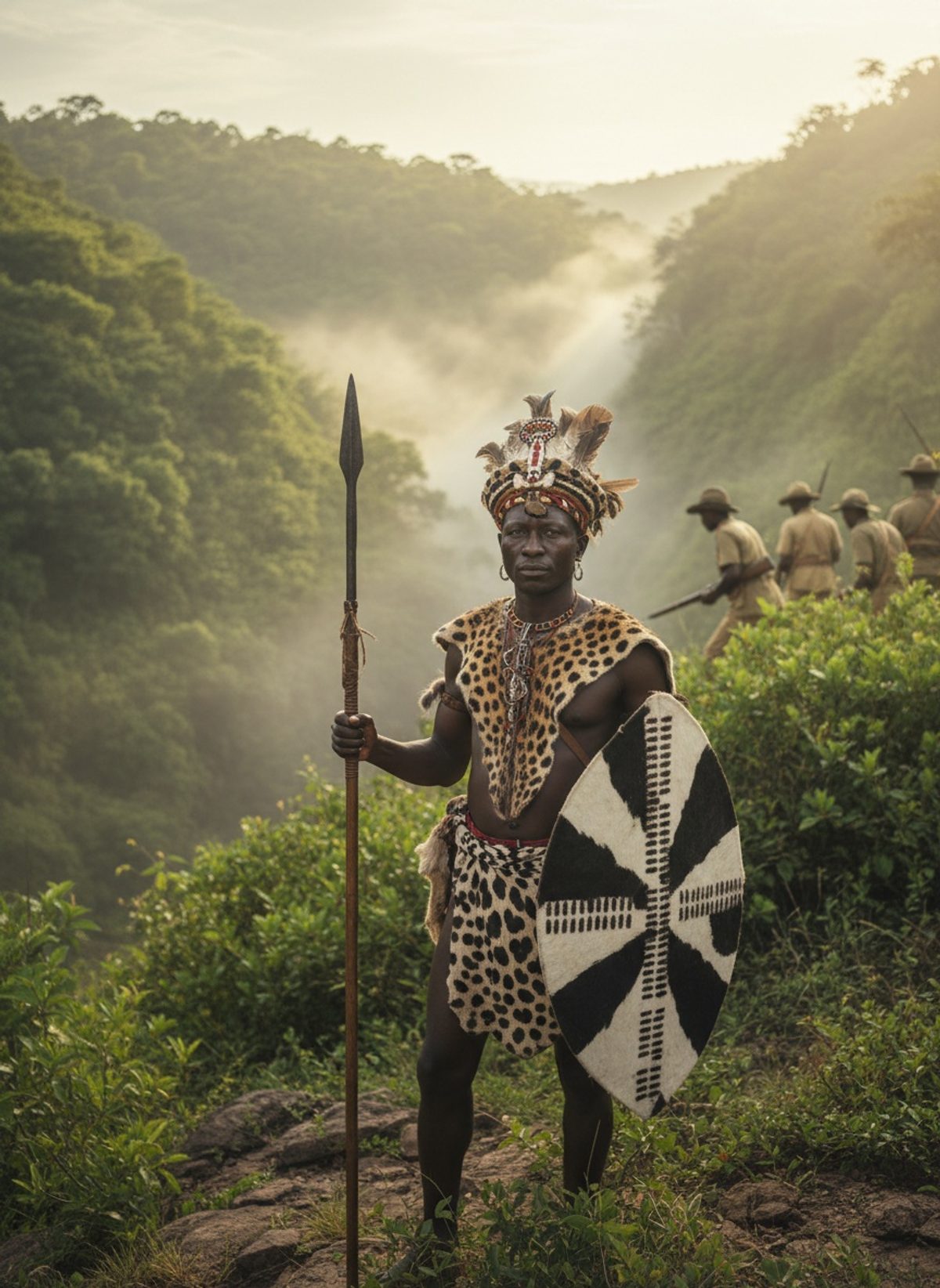
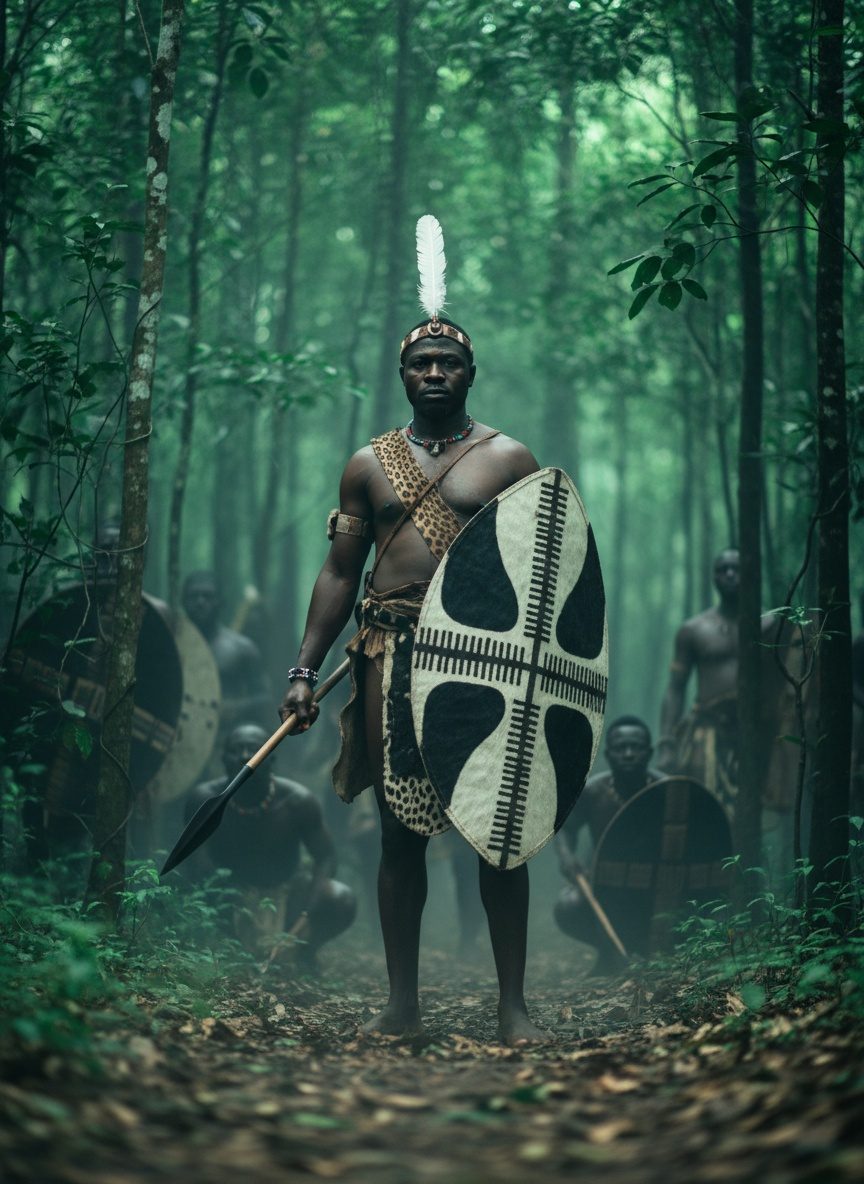
Natal, 1906. The British colony demanded a poll tax from men who had nothing. Bhambatha kaMancinza refused. He rode into the Mome Gorge with warriors who had spears against rifles. They fought anyway.
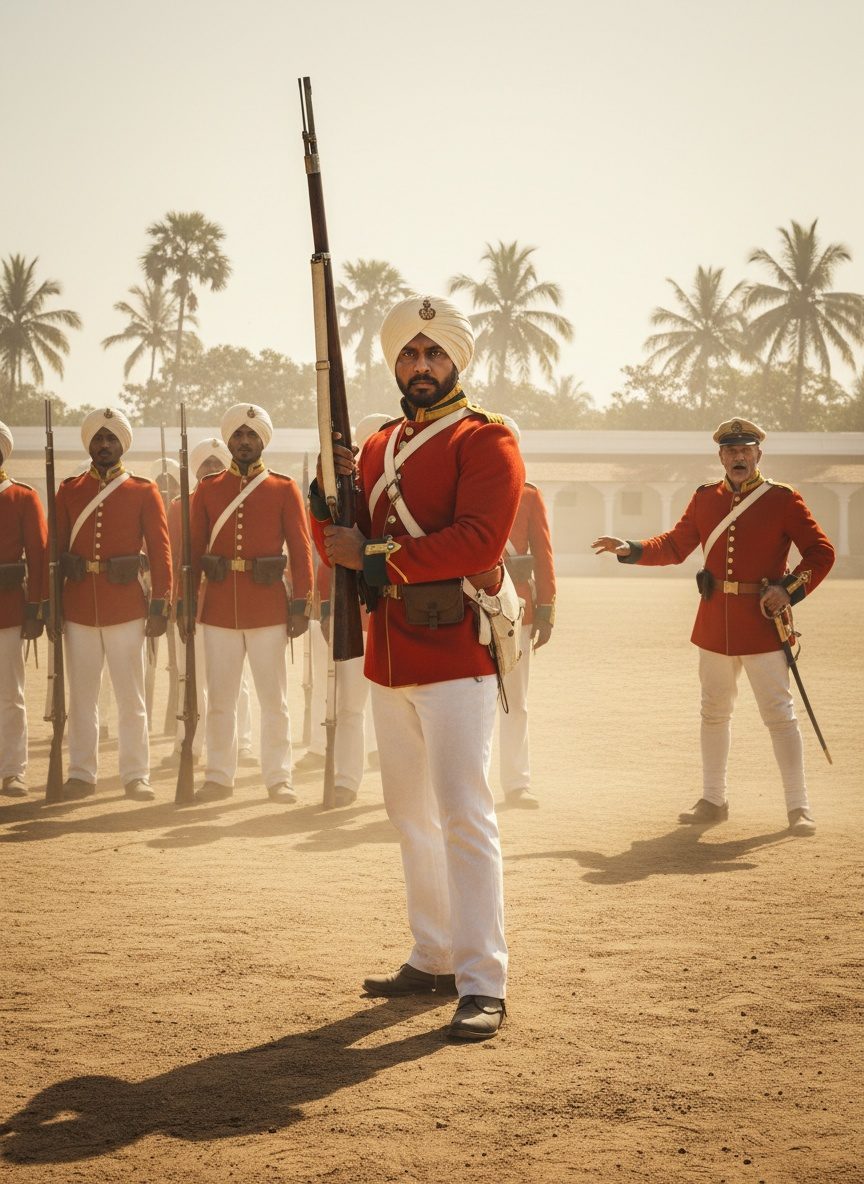
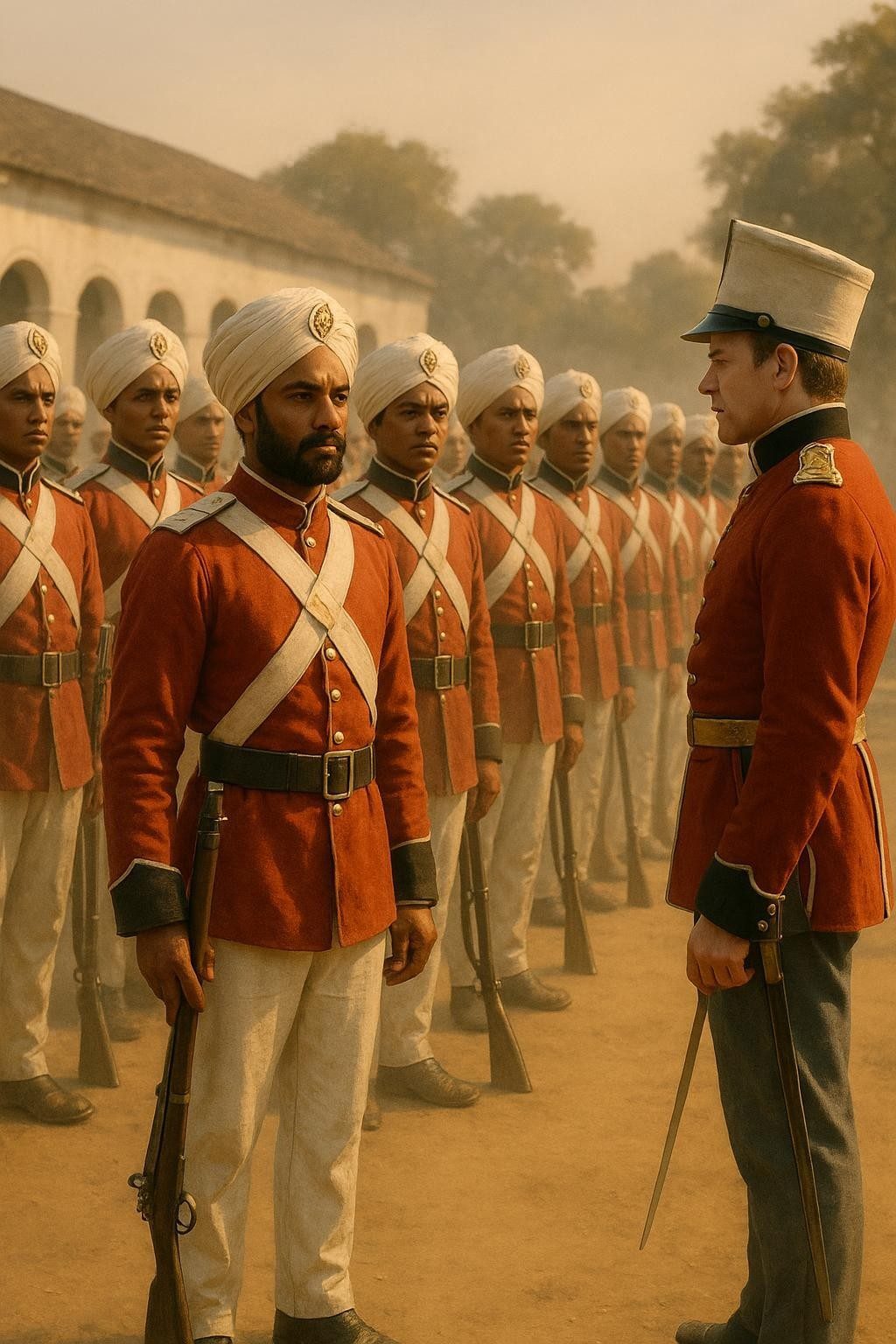
March 1857. A single sepoy stood forward on the parade ground at Barrackpore. He raised his musket. He fired. That one shot would bring an empire to its knees.
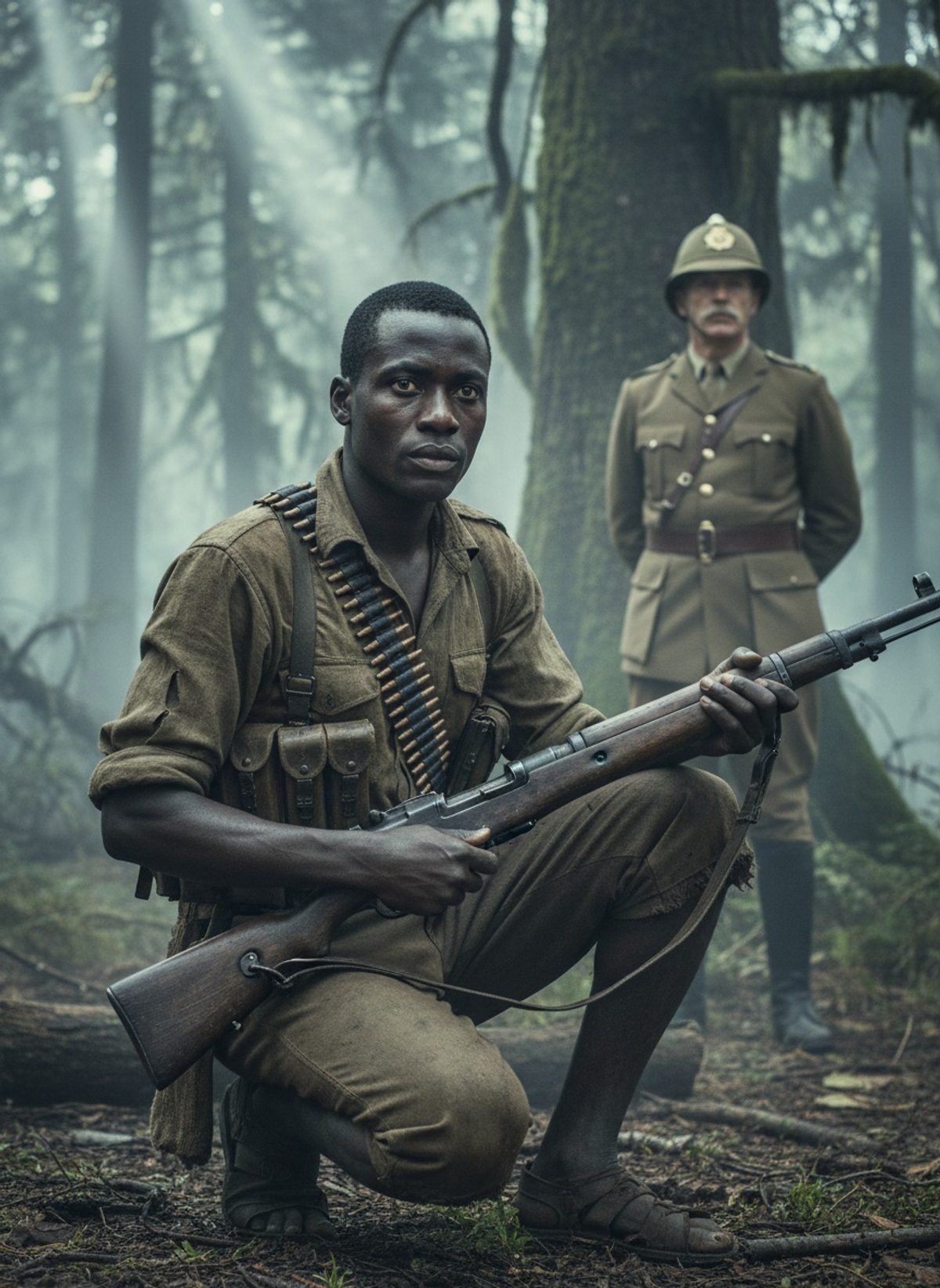
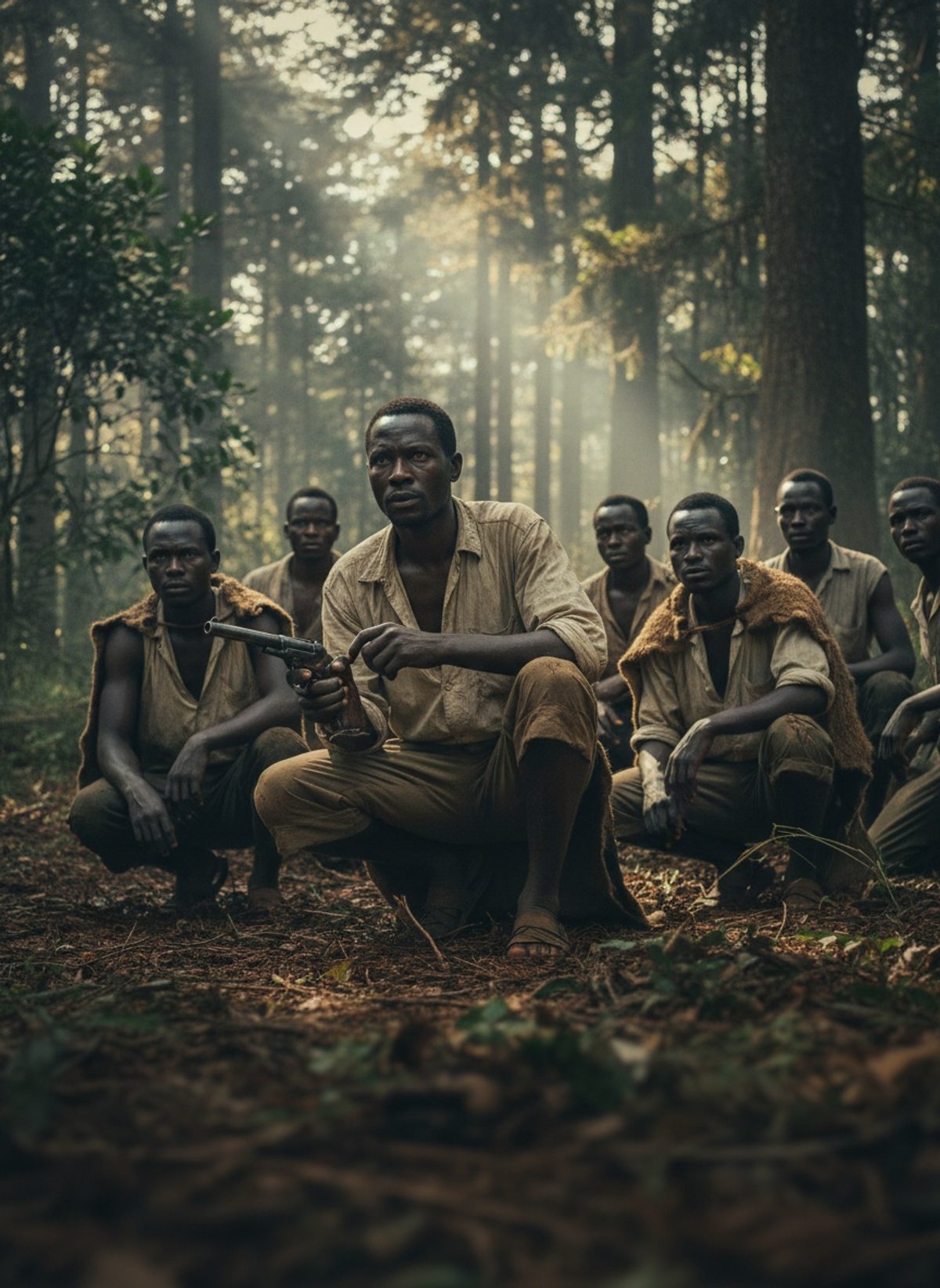
Kenya, 1956. General Dedan Kimathi had fought the British for four years. He led his fighters through the Aberdare forests. Hunted, starving, alone. When they finally caught him, he did not beg. He stood straight. Said nothing.
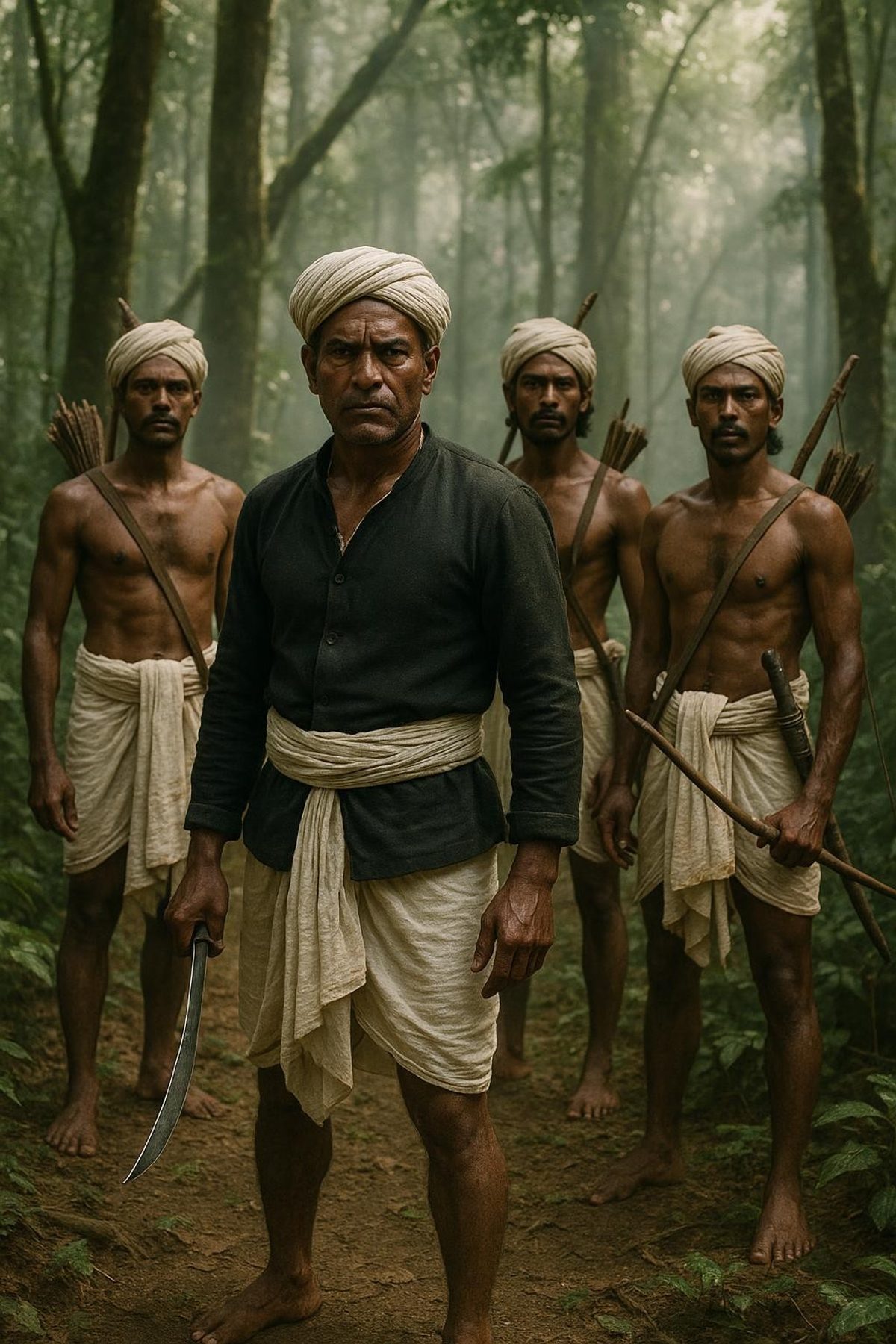
1797. British troops controlled Kerala's coast. But the hills were different. Pazhassi Raja walked into the forest. His Kurichiya archers followed. For eleven years, the jungle swallowed them whole.
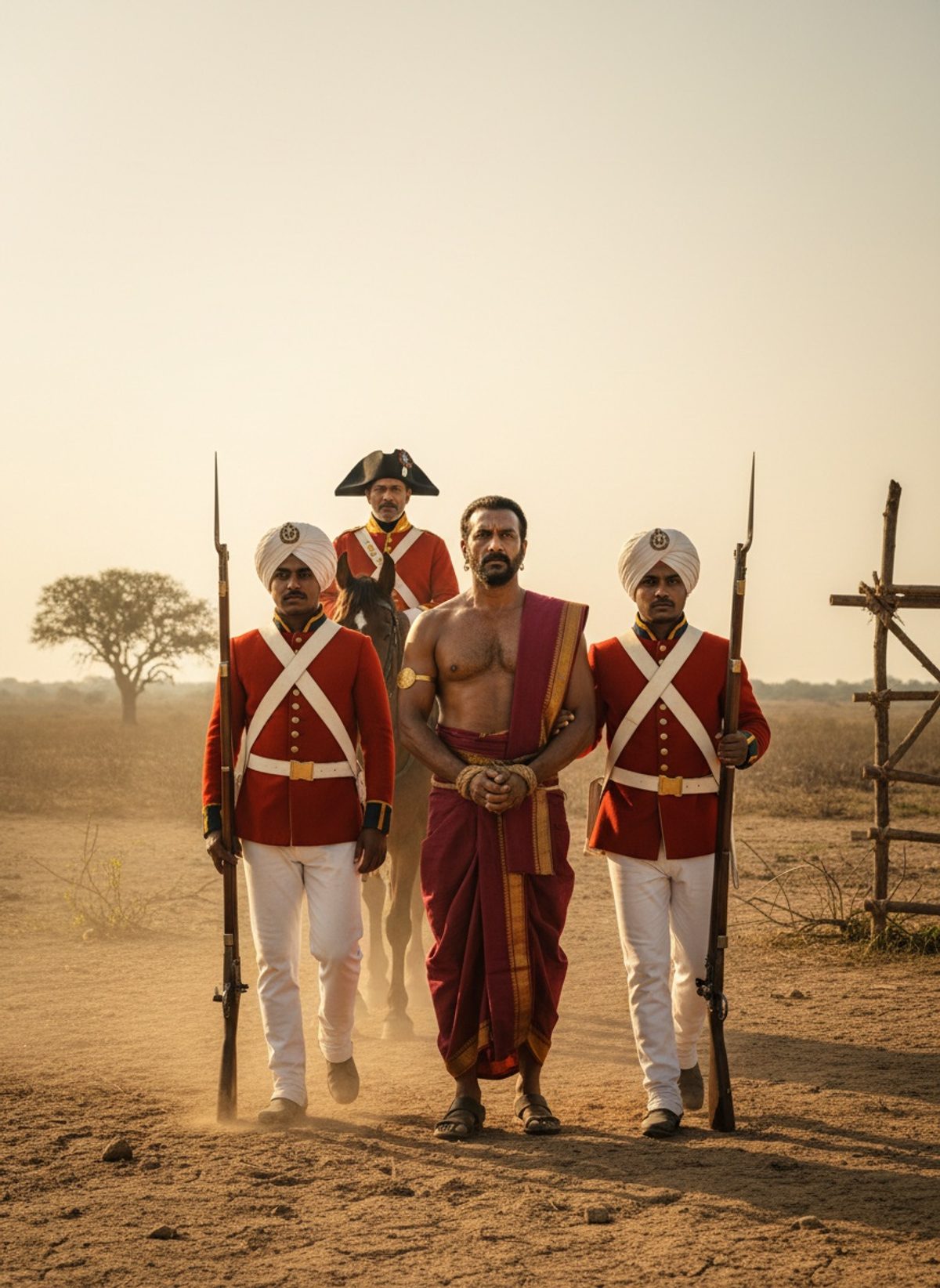
October 1799. The British demanded surrender. Veerapandiya Kattabomman refused. The Polygar chieftain of Panchalankurichi had fought the East India Company alone. They hanged him publicly. He never begged. Not once.
Delhi had fallen. The last Mughal emperor was a prisoner. But his sons were still free — and William Hodson had forty minutes to decide their fate. What he did next ended a dynasty.
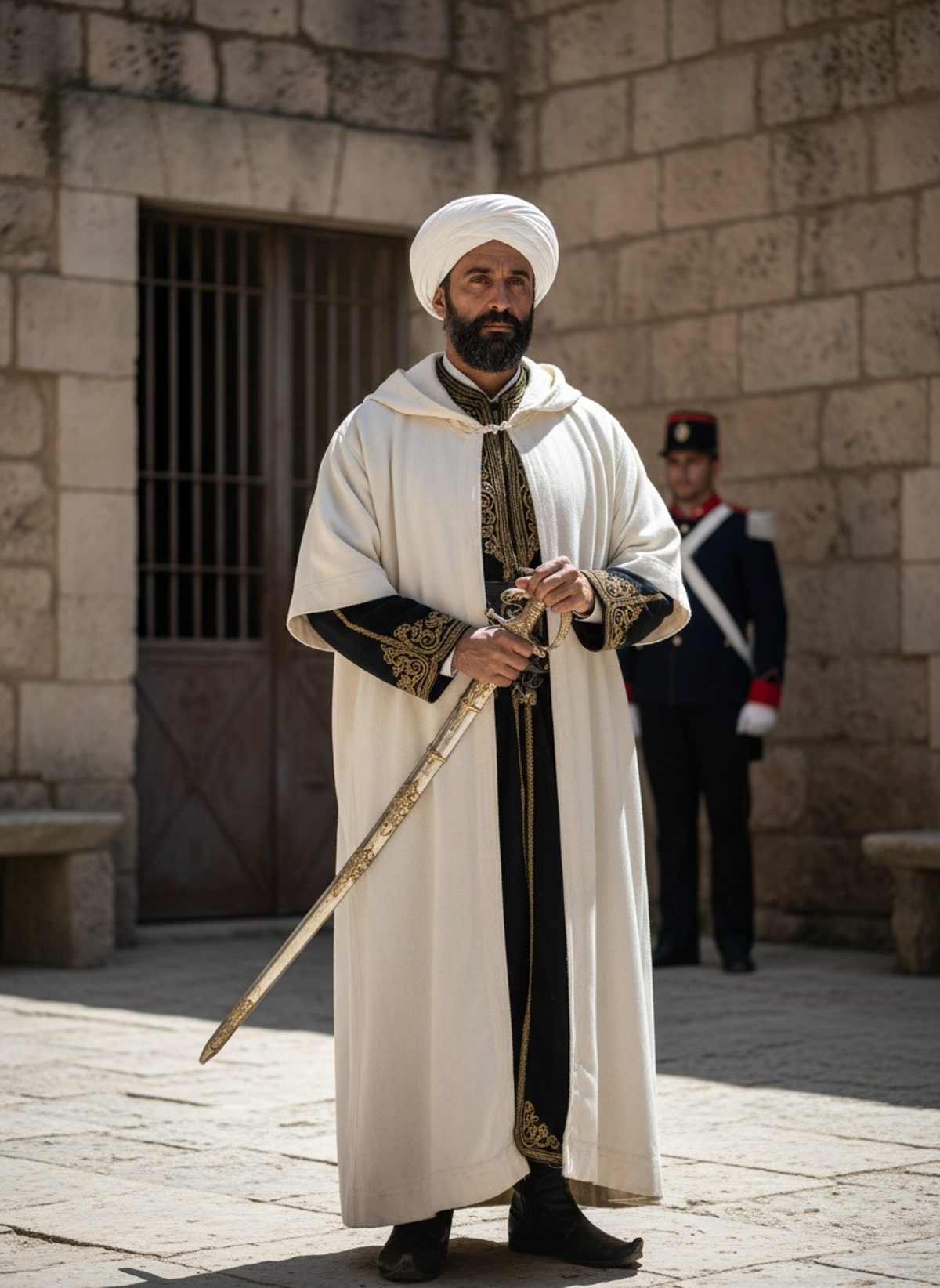
1847. Algeria. Abd el-Kader had held off France for fifteen years. He surrendered on one condition. France promised safe passage. France lied. He was imprisoned. The world watched. And Britain gave him a sword.
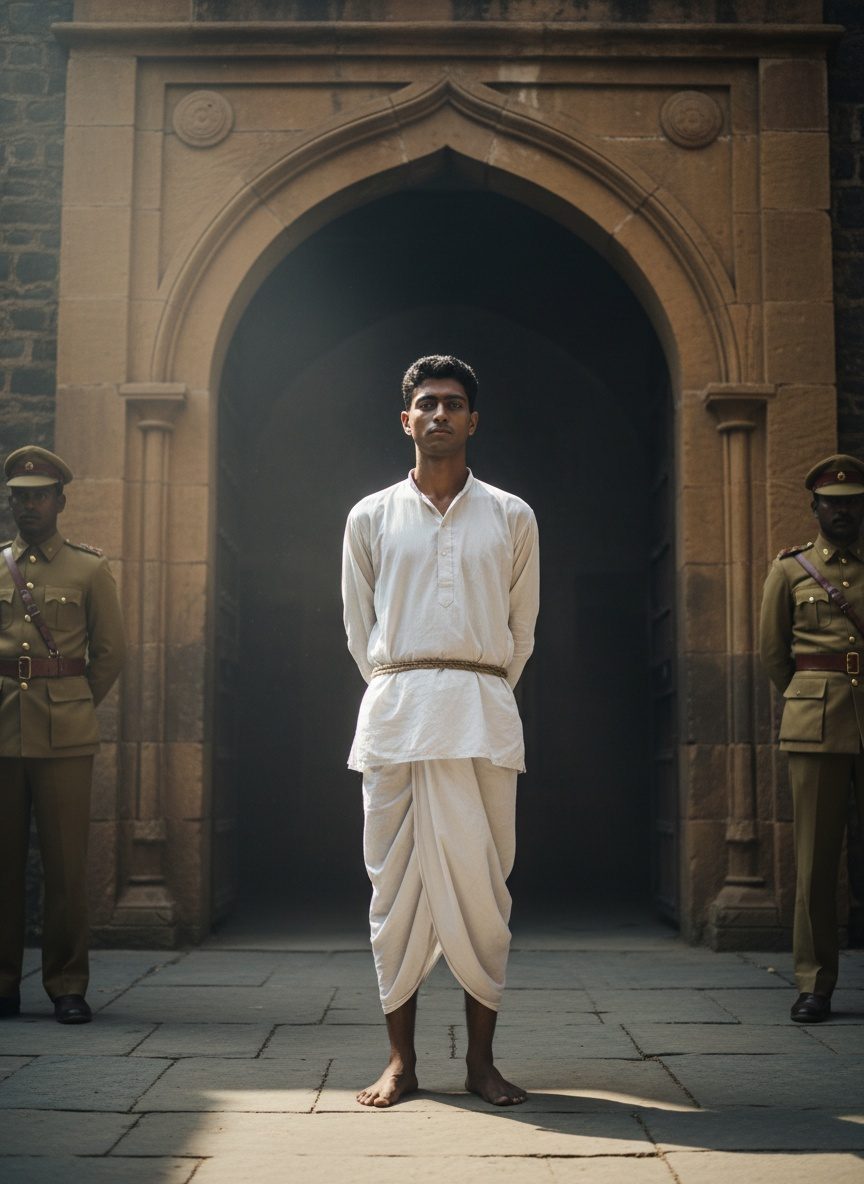
Lahore. March 23rd, 1931. Bhagat Singh was twenty-three years old. The British had sentenced him to hang. He walked to the gallows singing. No blindfold. No appeal. Just a song.
She was a widow. A queen without a throne. Britain called her a rebel. Her own people called her a goddess. At Gwalior in June 1858, she rode into her final battle and never came back.
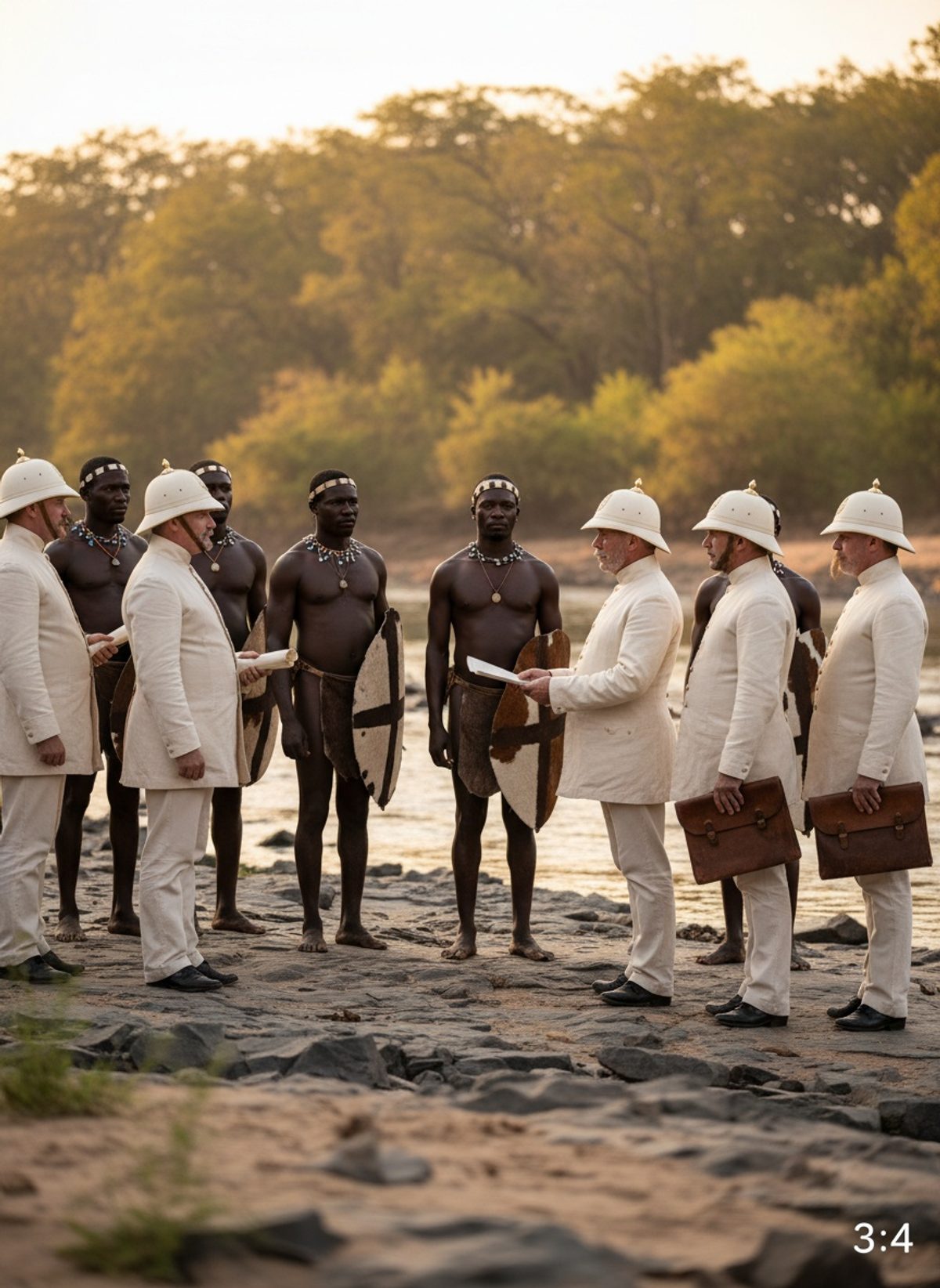
December 1878. A Zulu delegation crossed the Thukela River. Britain handed them an ultimatum. Disband your army. Submit to the Crown. They carried the words home. Cetshwayo refused. War began thirty days later.
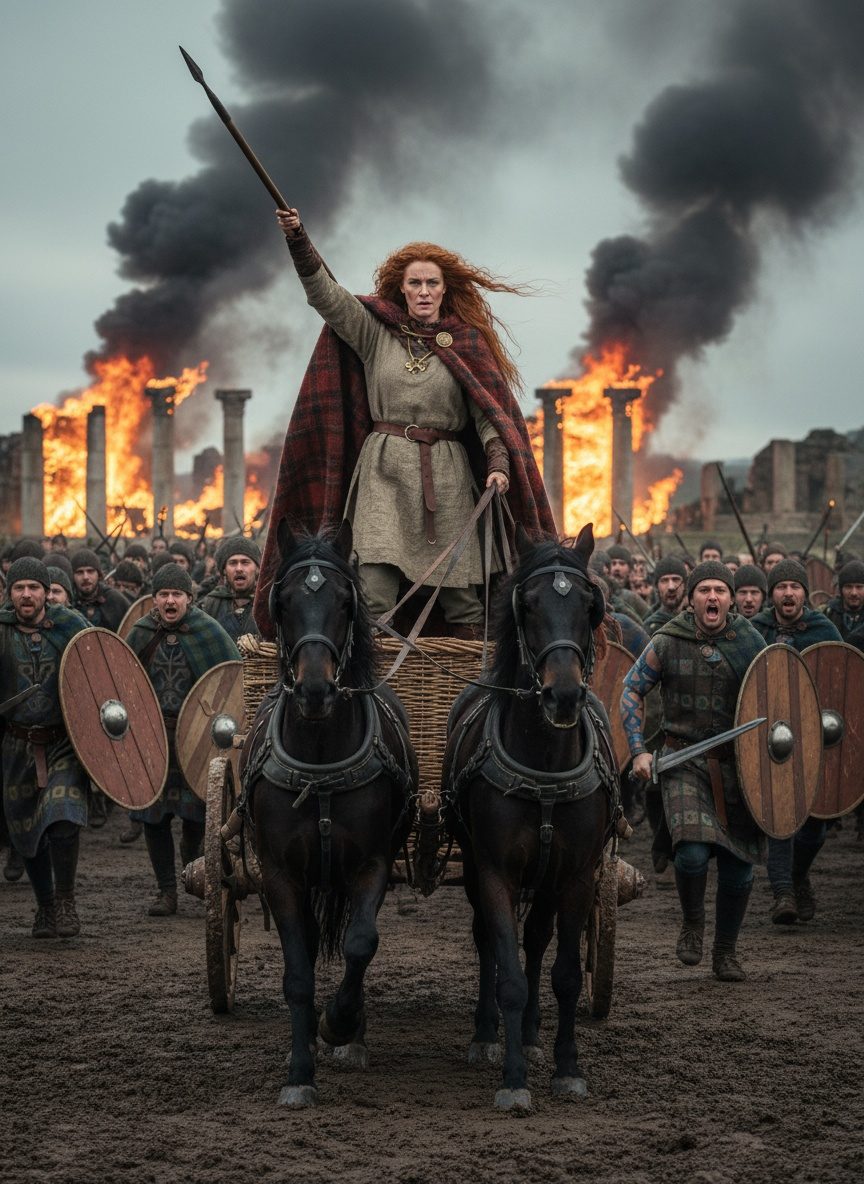
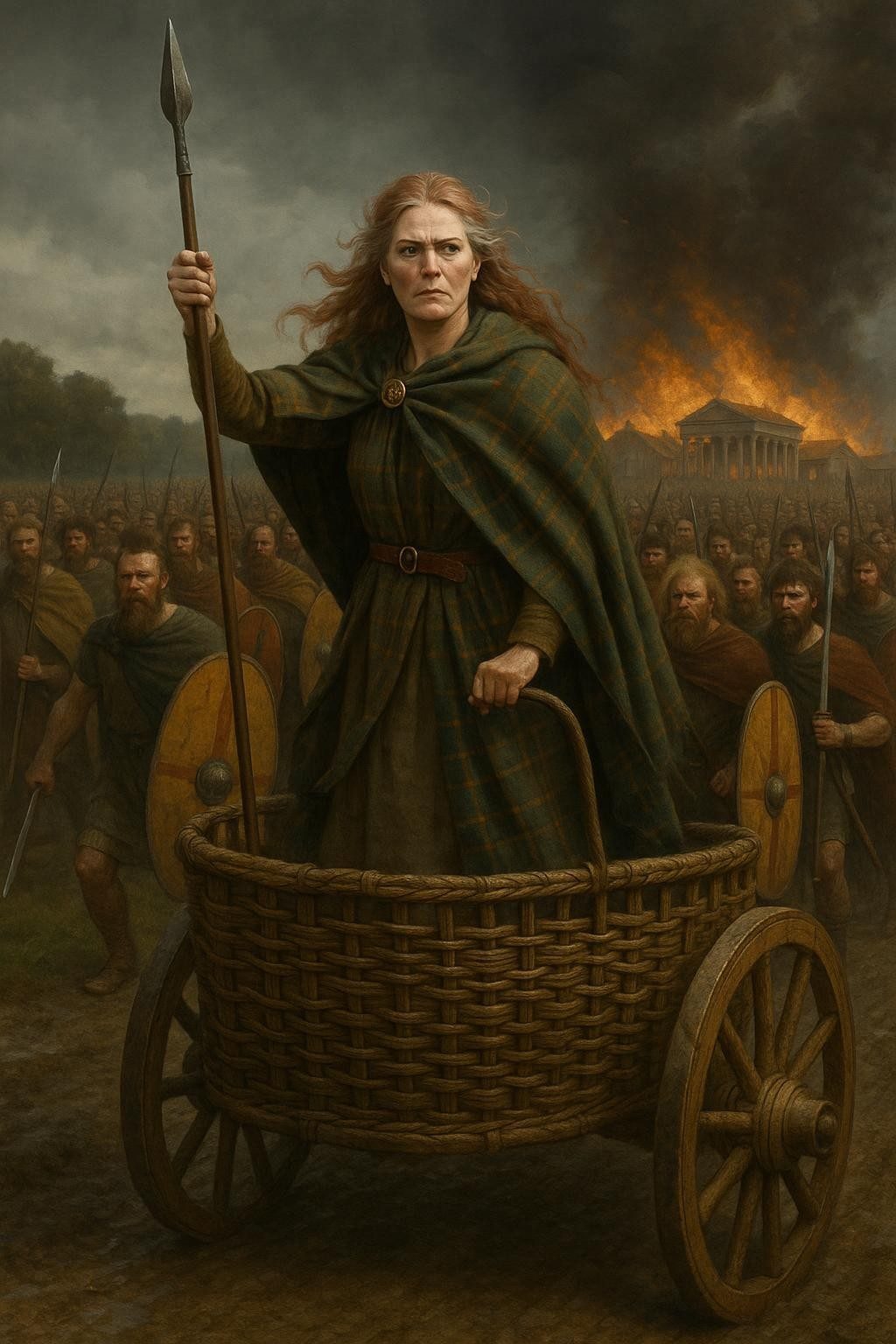
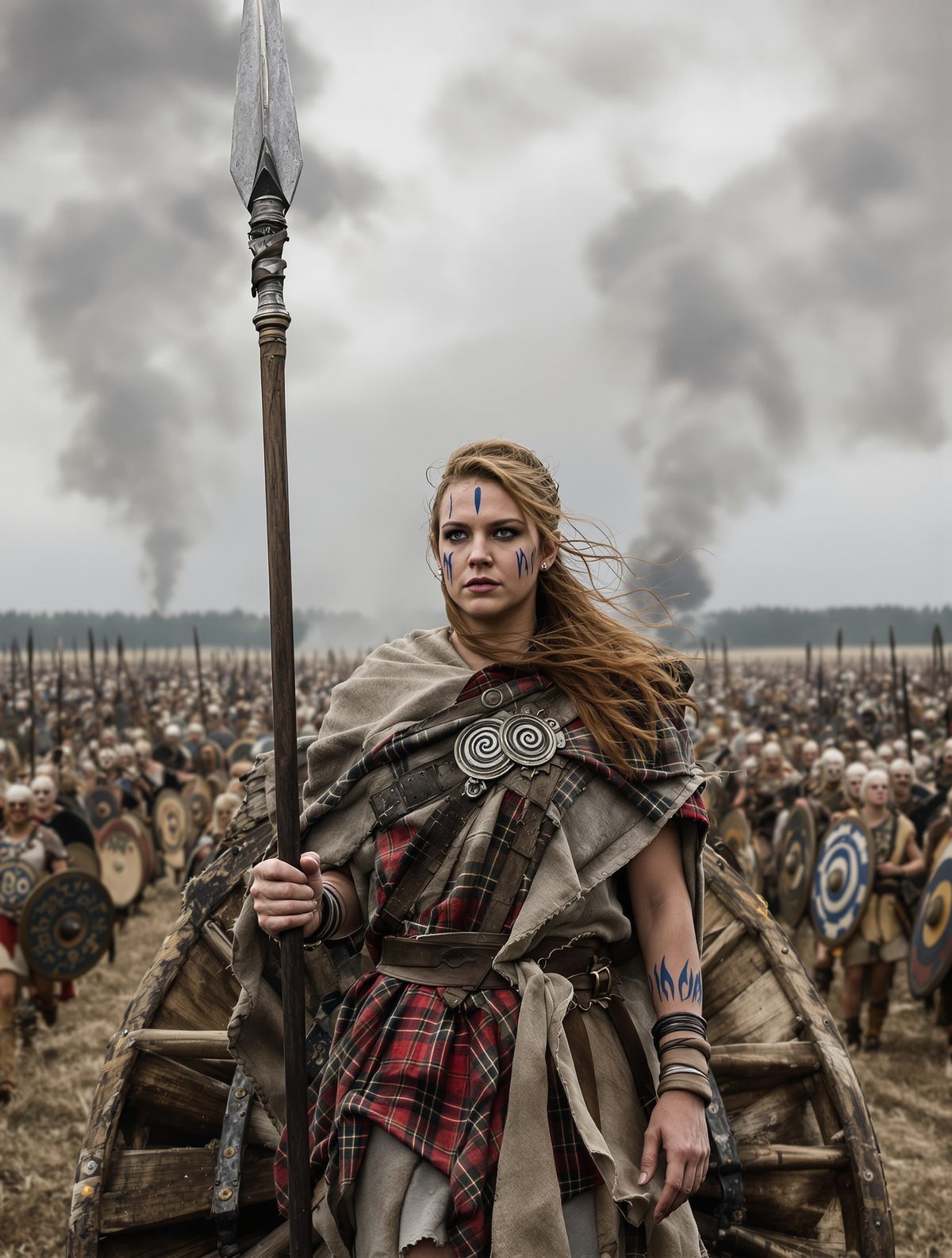
60 AD. The Roman city of Londinium was thriving. Then Boudica's Iceni came. They did not conquer it. They erased it. Archaeologists still find the ash layer today.
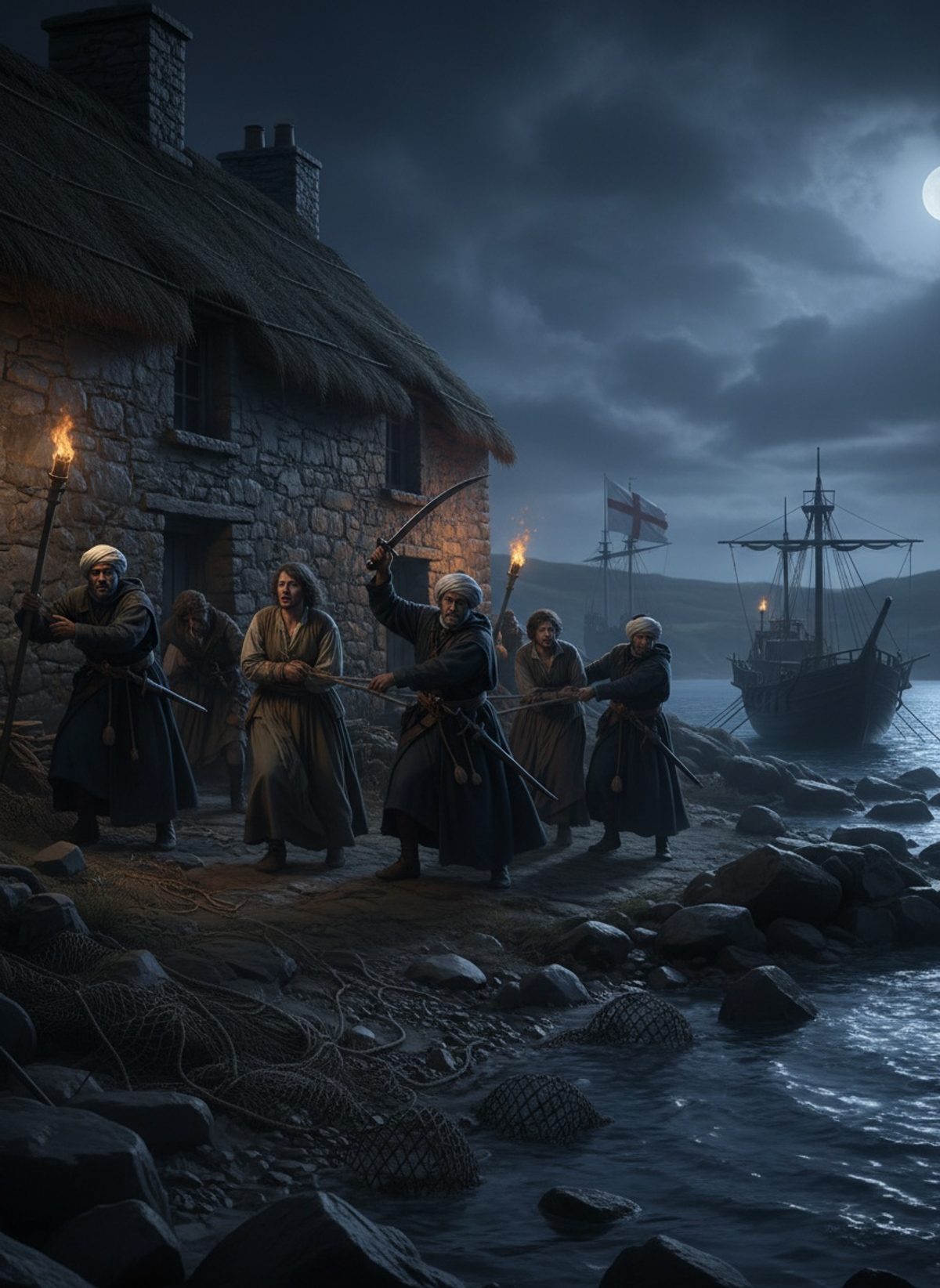
June 1631. Two Algerian corsair ships landed on the Irish coast at night. By dawn, 107 men, women and children were in chains. Most never came home. England's coastline was not safe.
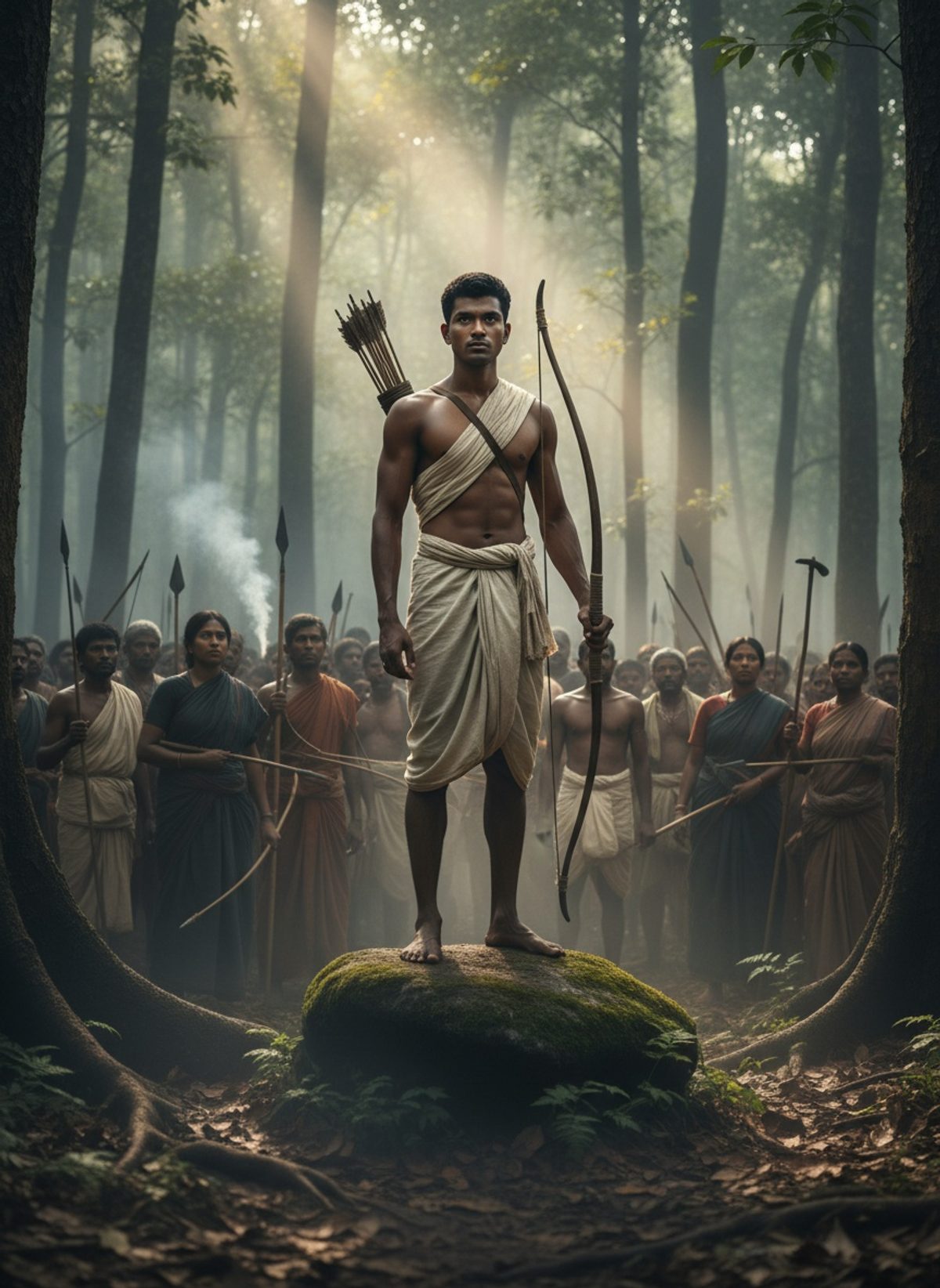
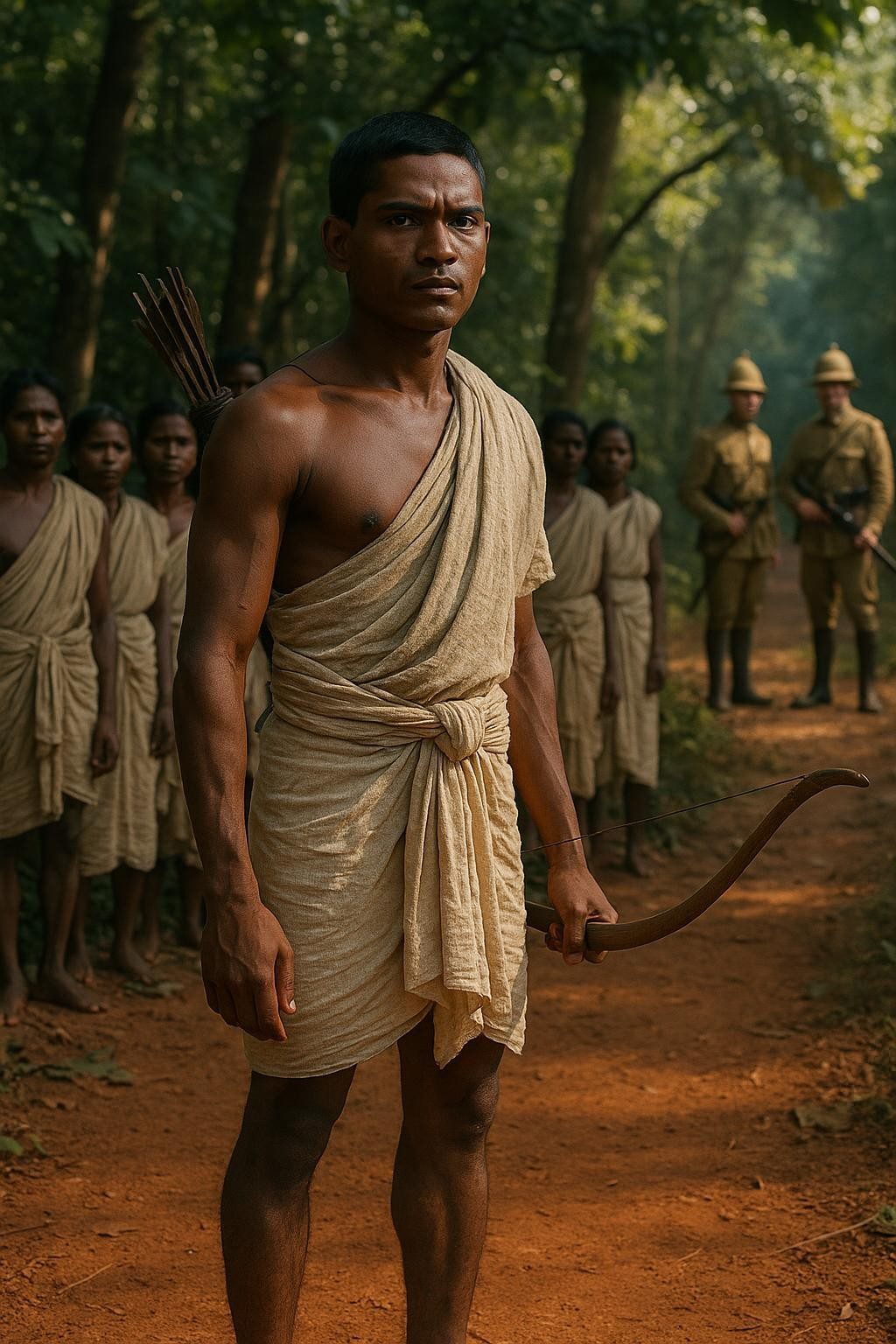
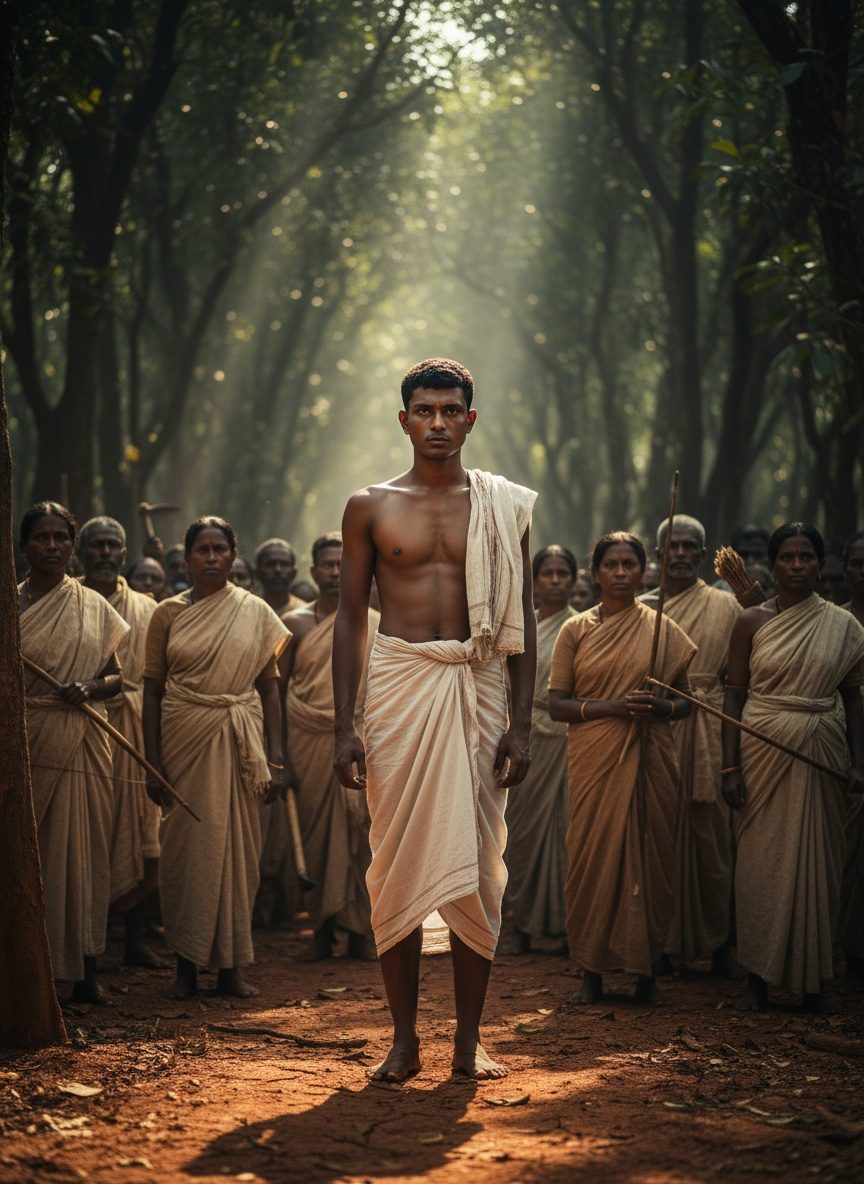
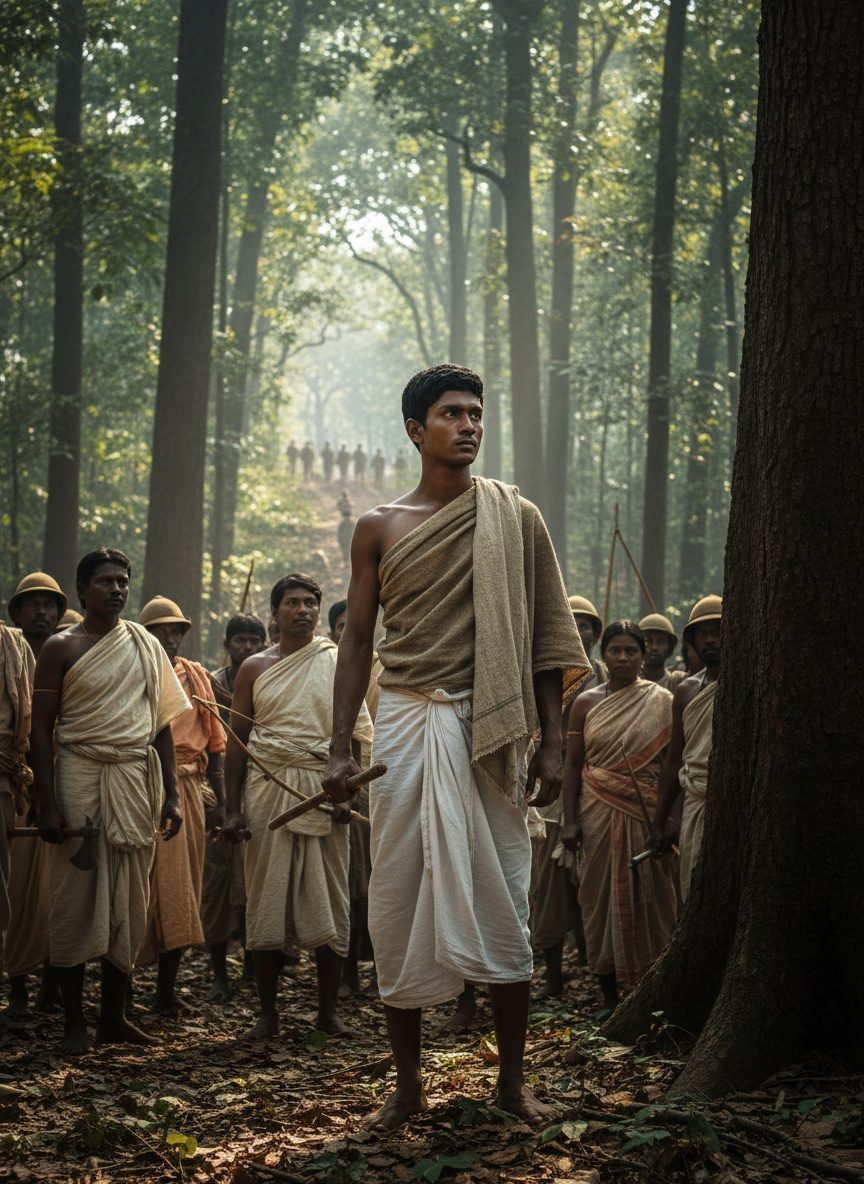
1900. Deep in the Chota Nagpur jungle. A young tribal leader told his people the land was theirs. Birsa Munda raised his bow. The Raj sent soldiers. He was taken. But the tribes remembered.
June 1858. The Rani of Jhansi was surrounded. Her city had fallen. Her army was broken. She dressed as a soldier. She charged anyway. The British called her the most dangerous of all their enemies.
Kenya, 1952. The forests of Mount Kenya hid something the Empire had not expected. Armed men. Oath-bound. Refusing to yield. The Mau Mau uprising had begun. Britain would never look at Africa the same way again.
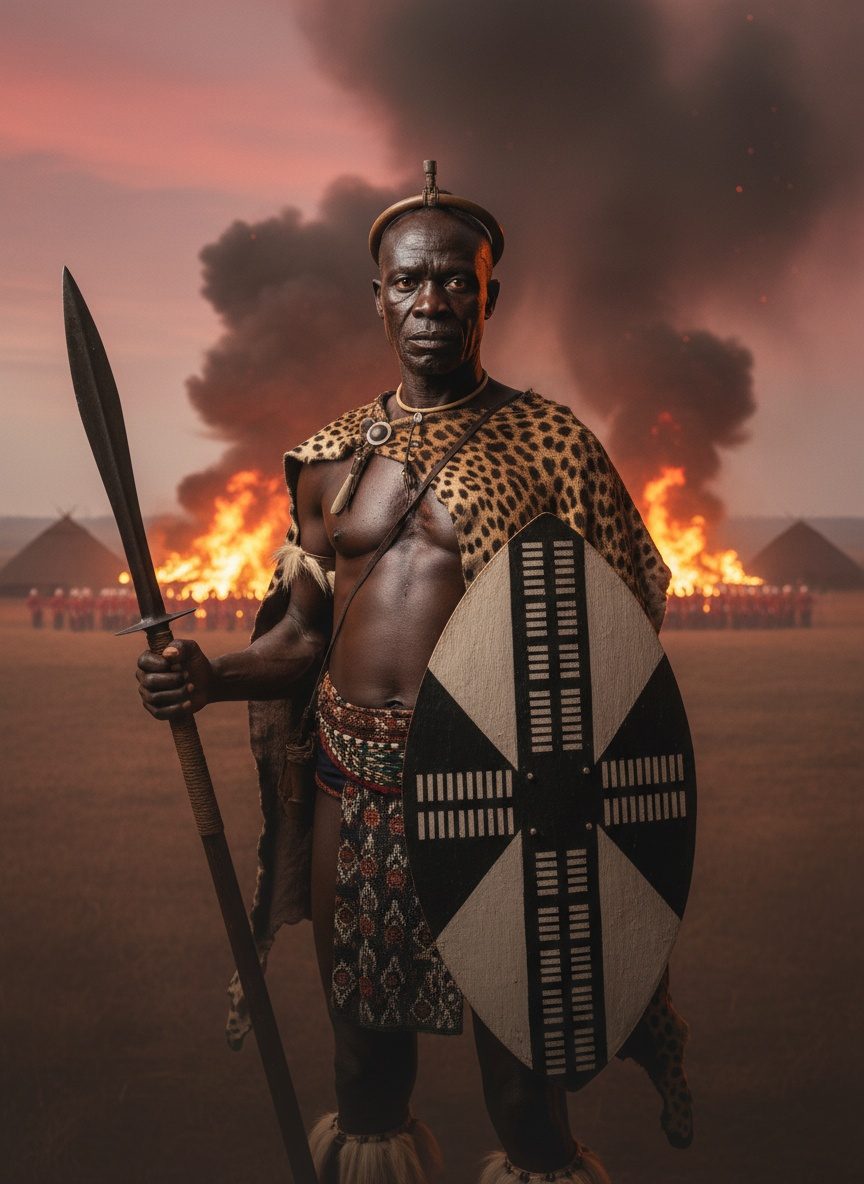
July 1879. The Zulu kingdom was broken. But one induna refused to flee. Ntshingwayo kaMahole had commanded at Isandlwana. Now he stood at Ulundi. He watched the flames take everything. He did not run.
Natal, 1906. The colonial government demanded a new tax. Every Zulu man must pay. Bhambatha kaMancinza refused. He took to the Nkandla forest. He fought. The last armed Zulu resistance had begun.
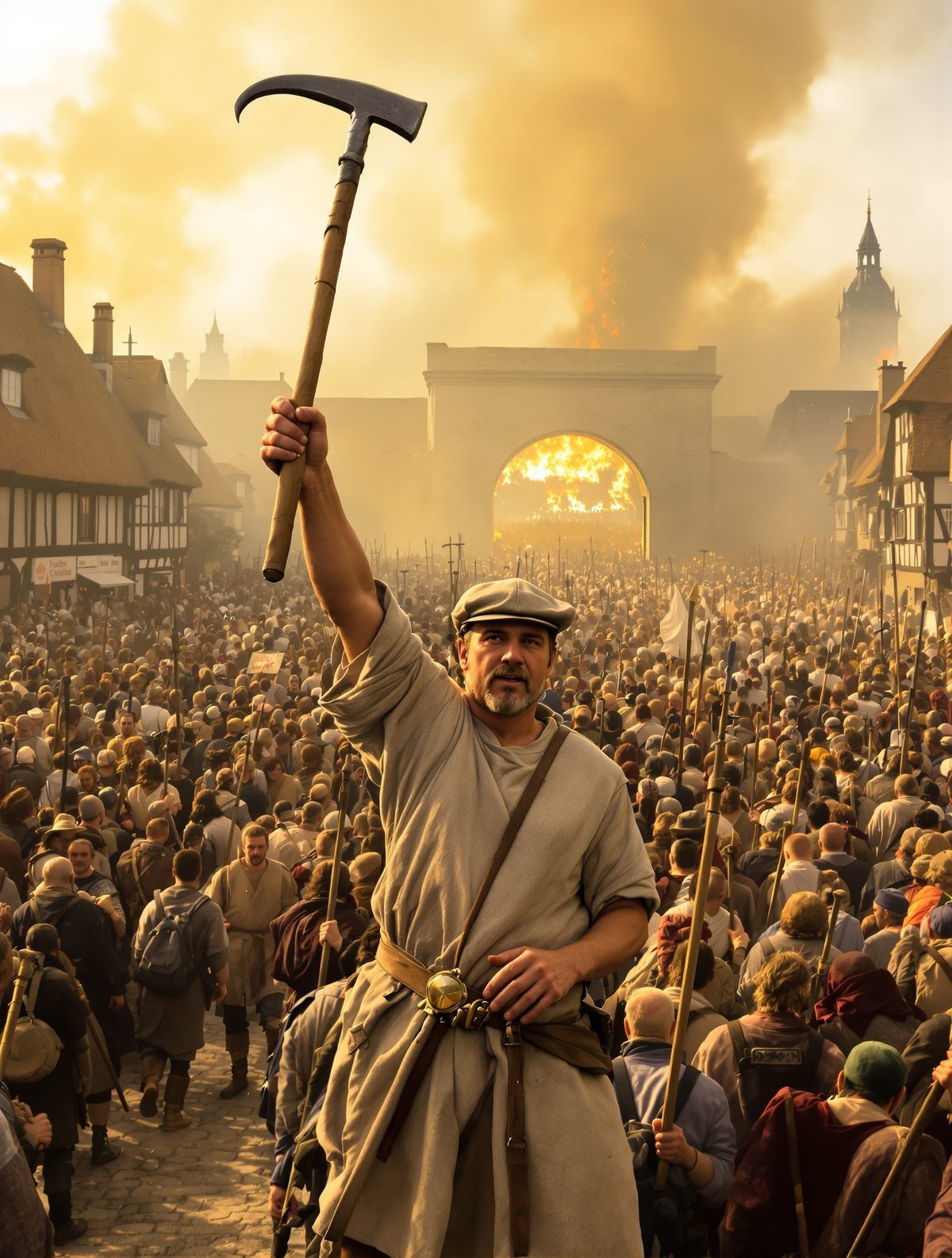
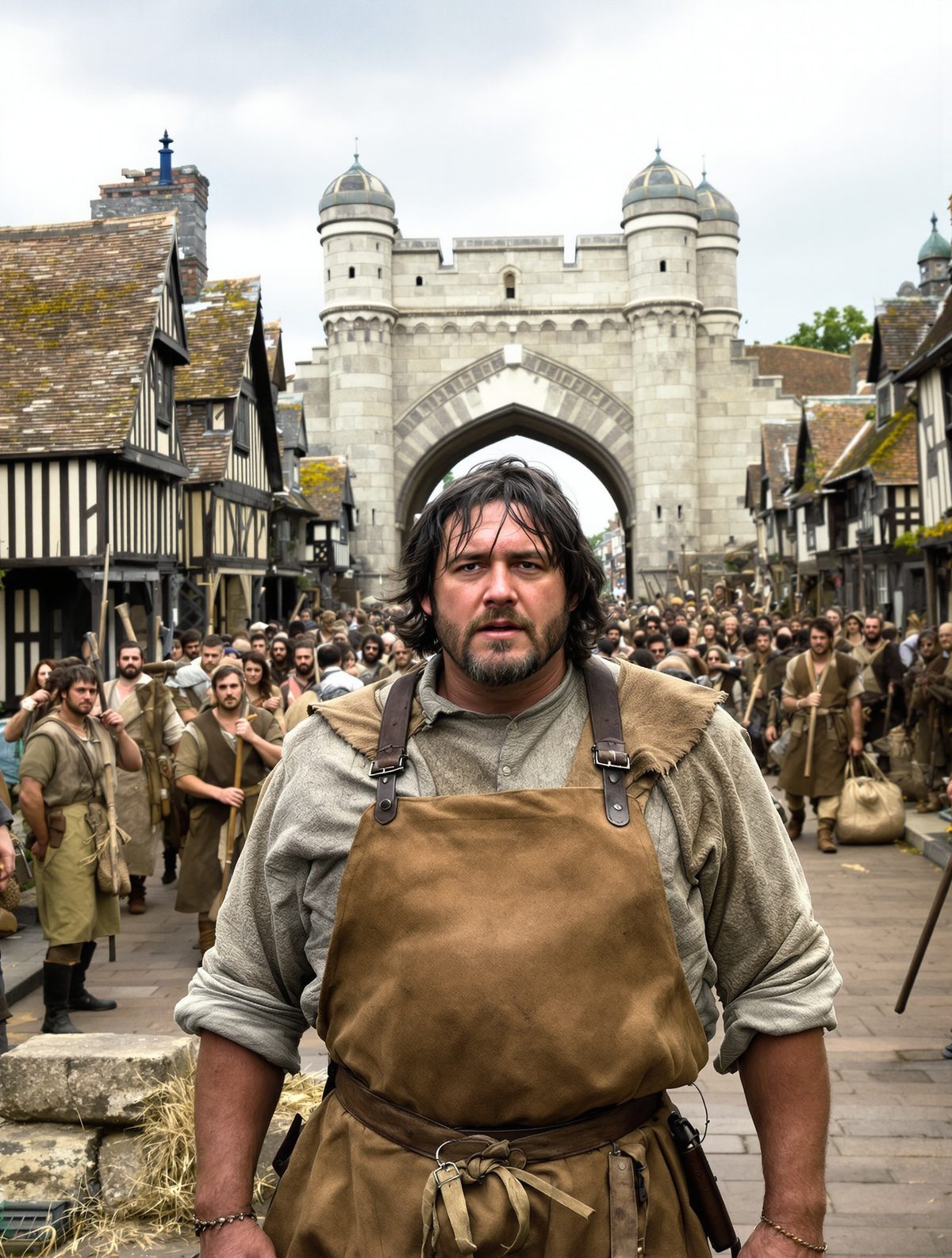
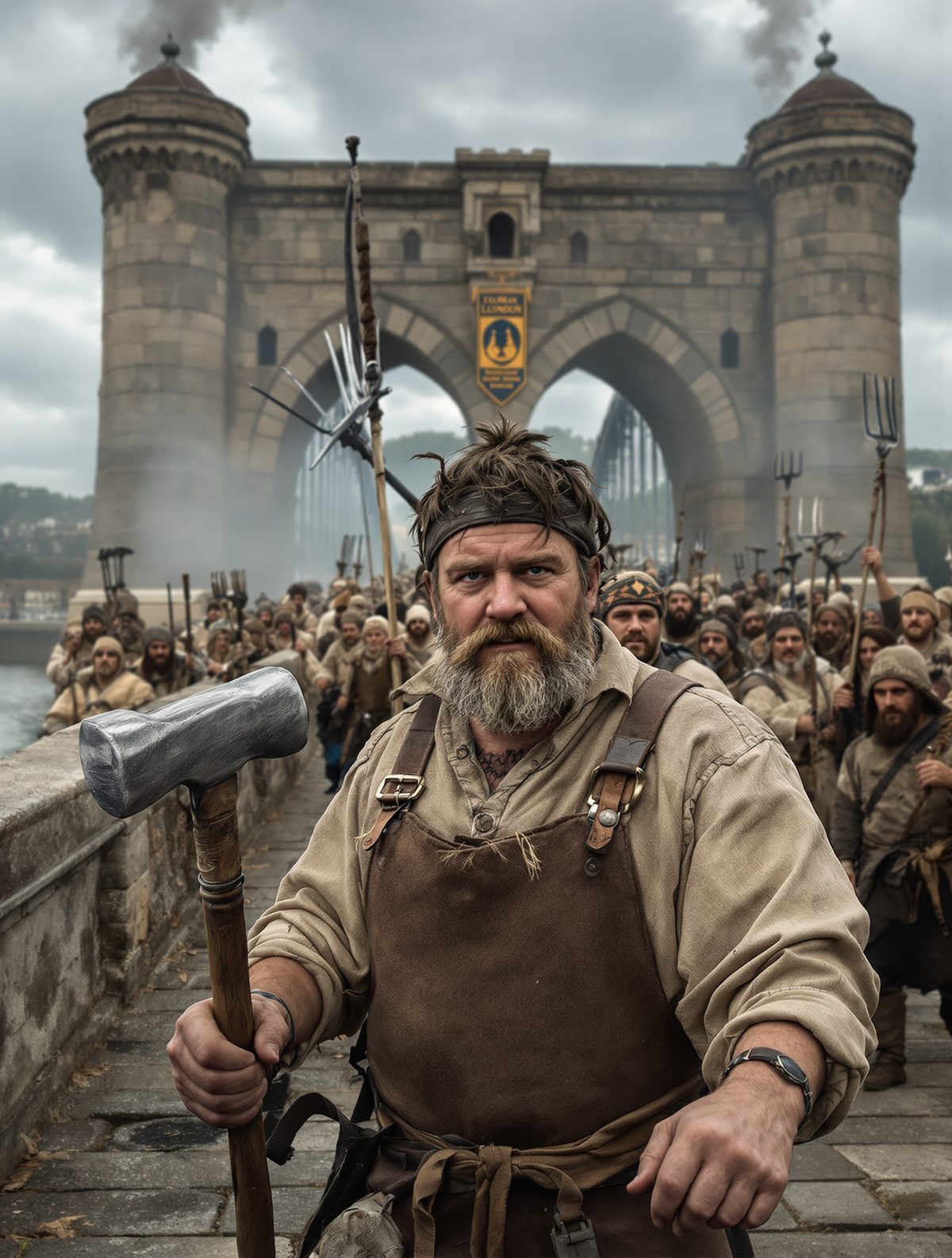
June 1381. A blacksmith named Wat Tyler led sixty thousand men to London. They burned the Savoy Palace. They freed the prisoners of the Tower. Then Tyler faced the king alone. One man. One moment. England held its breath.
June 1857. Jhansi was surrounded. The British demanded surrender. Rani Lakshmibai refused. She armed her own household. Trained women to fight. Held the city herself. When the walls finally fell, she rode out through cannon fire. Sword drawn. Alone.
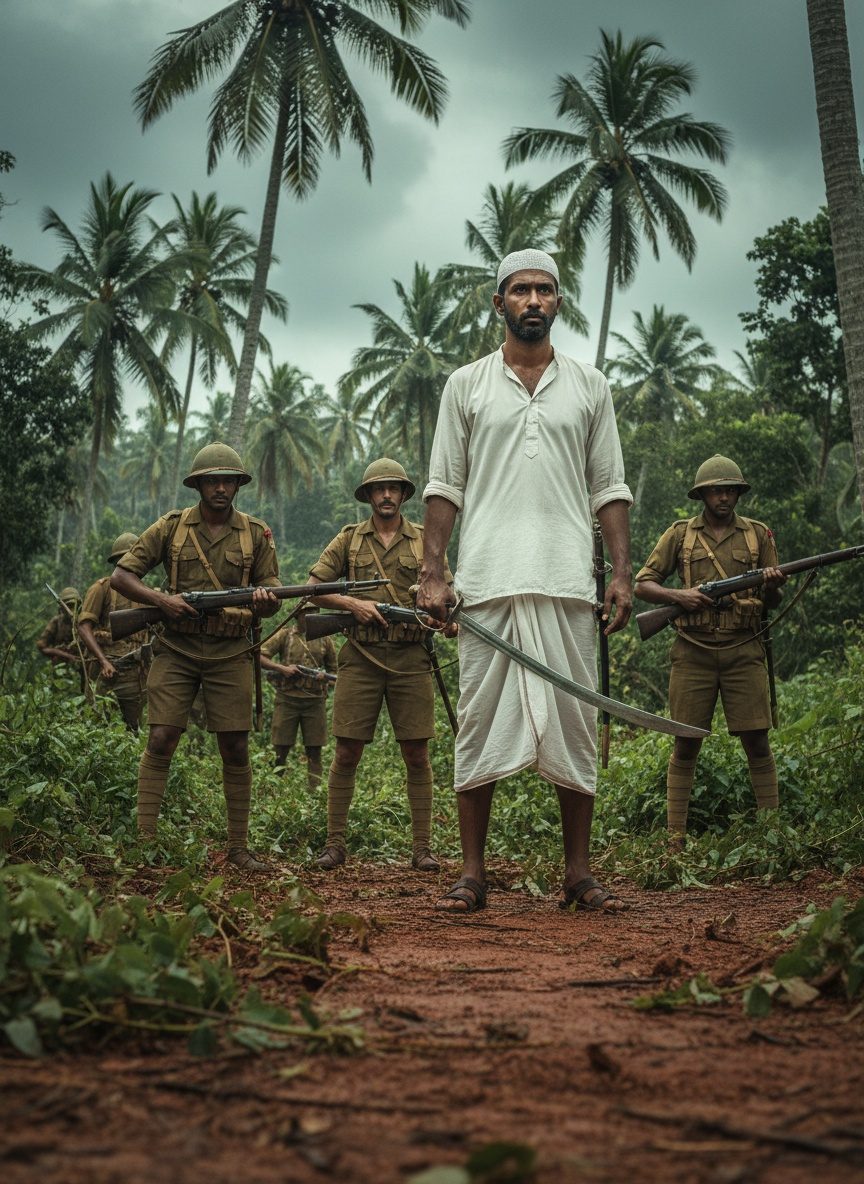
August 1921. In the hills of Malabar, the Moplah Muslims rose. They burned courts and drove out revenue officers. Britain sent the Dorset Regiment. The jungle swallowed both sides whole.
60 AD. Boudicca's warriors burned Camulodunum to ash. Then London. Then Verulamium. Three Roman cities gone in days. One British queen had brought an empire to its knees.
East Africa, 1905. A holy man told his people the water would turn bullets to rain. Thousands rose. They charged German guns without fear. The bullets did not turn. But they rose anyway.
May 1857. The 19th Bengal Native Infantry refused to touch their cartridges. Their British officers stood alone on the parade ground. Every sepoy was armed. Not one shot was fired. They stood down. And the fuse for the Great Mutiny was lit.
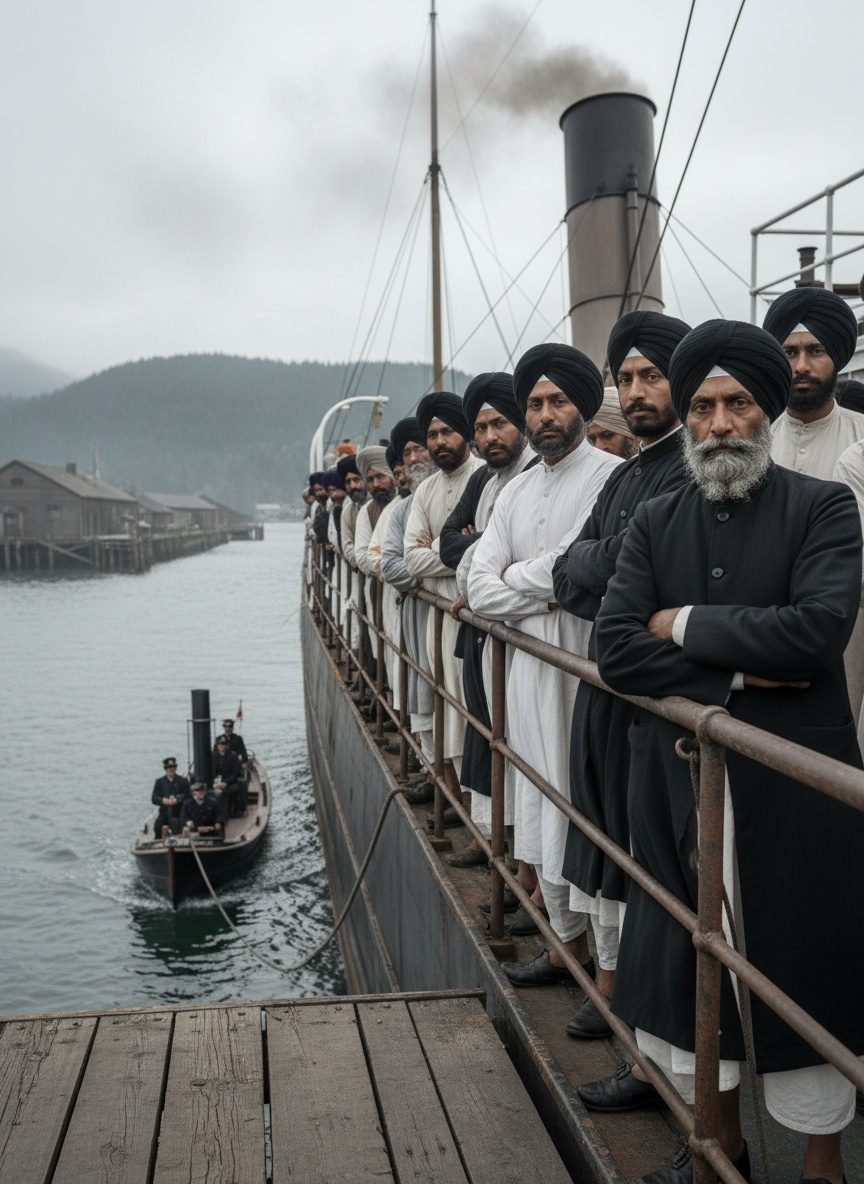
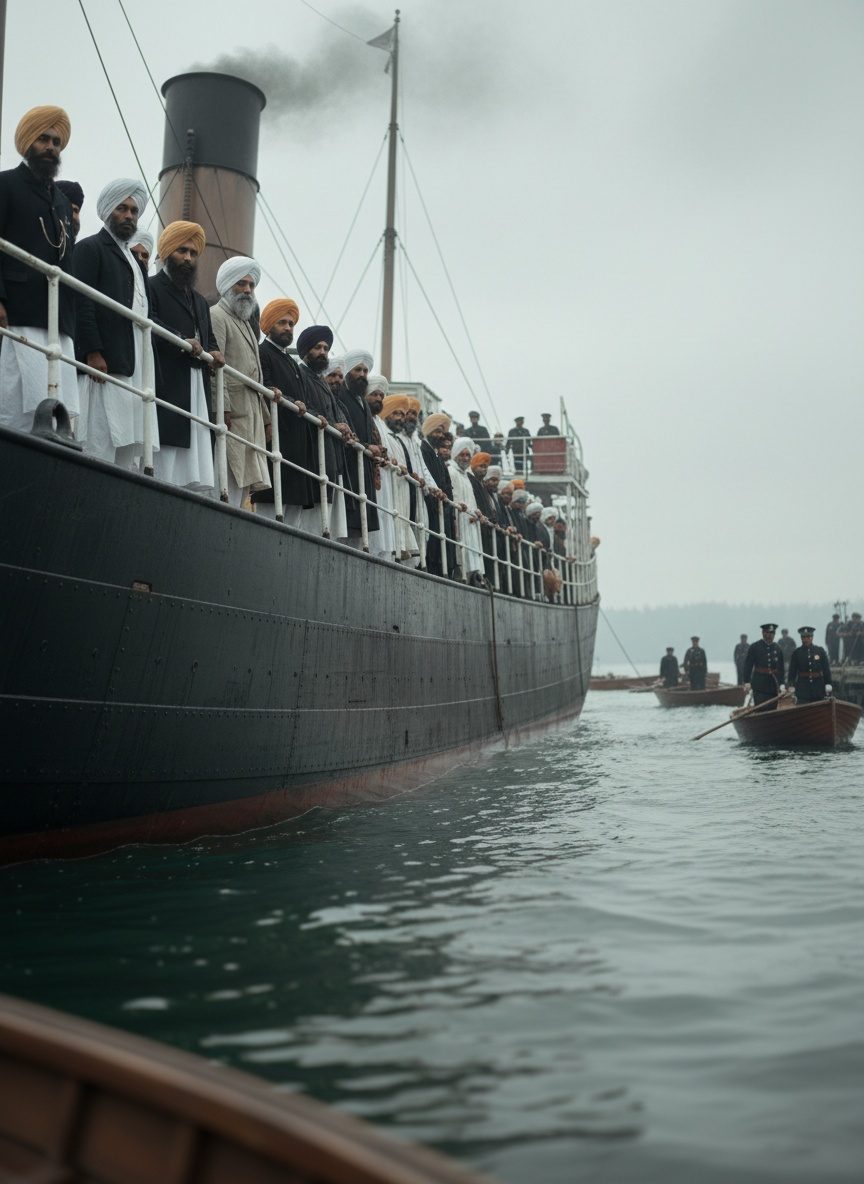
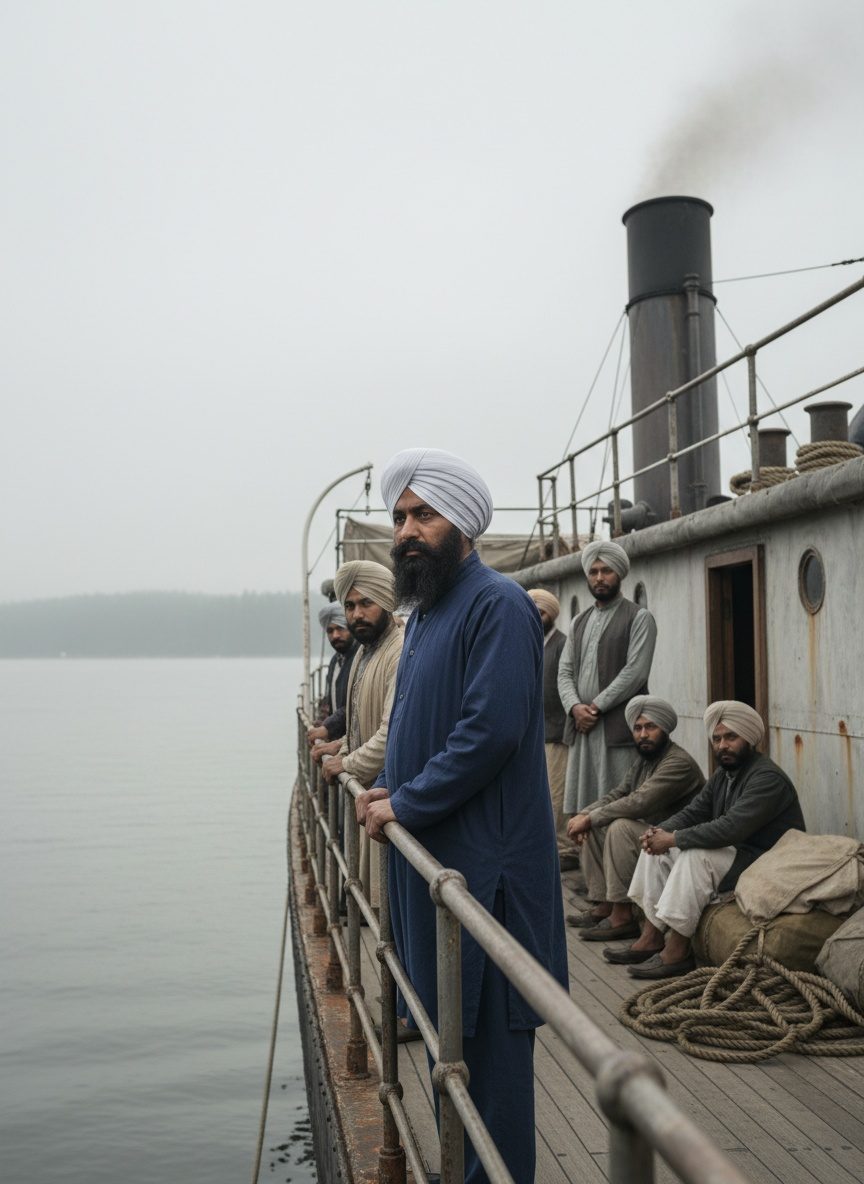
May 1914. A ship of 376 Sikhs, Muslims, and Hindus sat in Vancouver harbour. They were British subjects. Canada refused to let them land. They refused to leave. For two months, they held their ground.
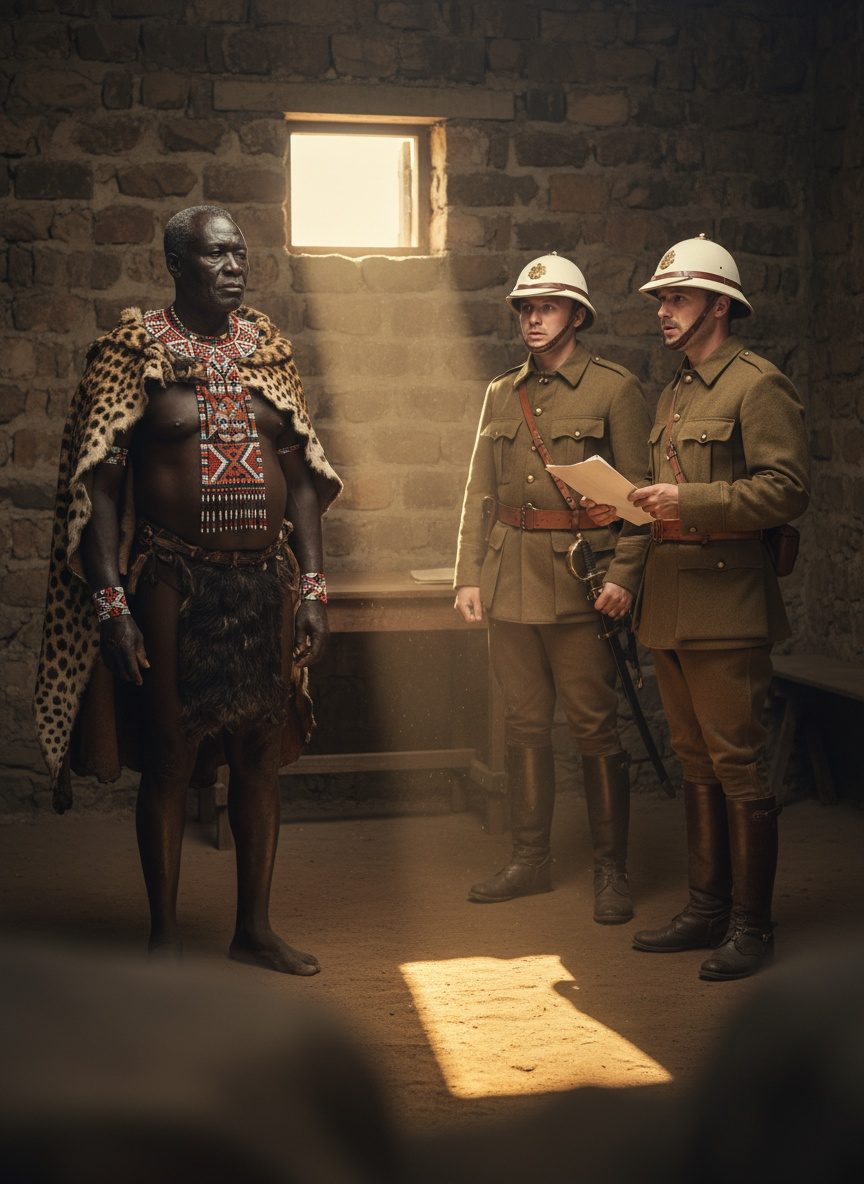
1879. The Zulu king stood before his captors. They offered him a chair. He refused it. He would not be made small. They exiled him anyway. But the world had already seen him stand.
Bombay, 1908. Bal Gangadhar Tilak faced a British colonial court. Charged with sedition. He refused to stay silent. He turned the dock into a pulpit. Six years in a Burmese prison followed. He never broke.
1900. A young tribal leader faced the British Raj with a bow and a vision. Birsa Munda told his people they owed the empire nothing. He was twenty-five years old. They hunted him down. He died in a Ranchi jail. But his people never forgot.
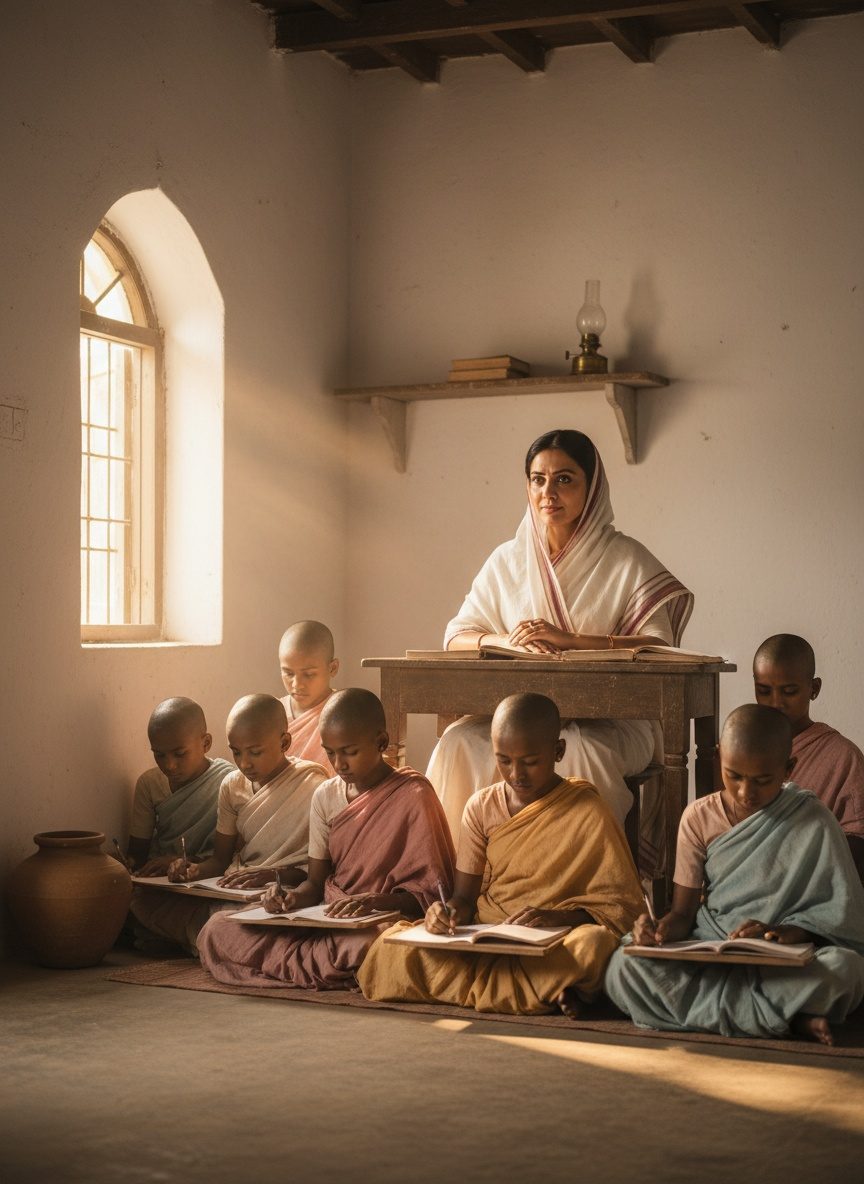
Poona, 1889. Child widows in India had nothing. No rights. No futures. One woman changed that. Pandita Ramabai opened a school. The British authorities disapproved. The Church disapproved. She opened it anyway.
1857. The British stripped Oudh from her son. Hazrat Mahal refused to accept it. She raised an army. She rode with them. She took Lucknow back. One woman. One empire. One answer.
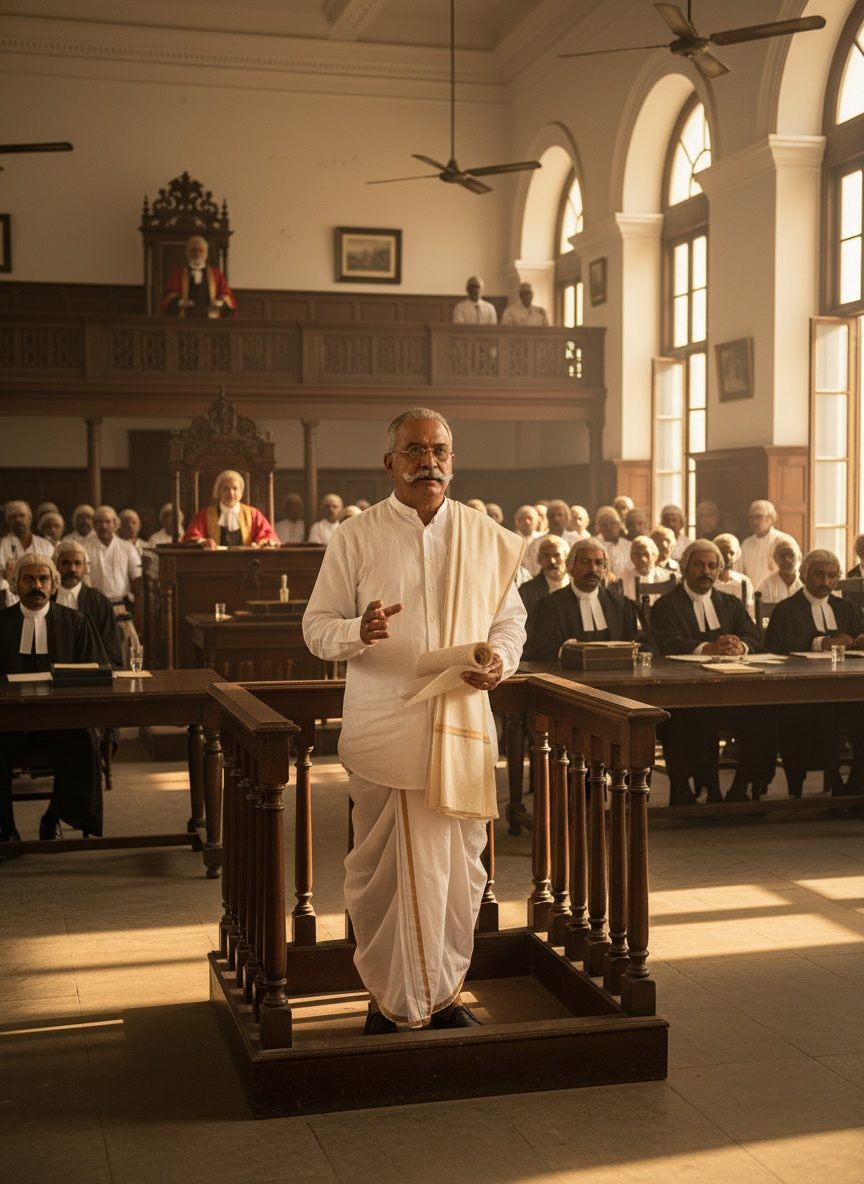
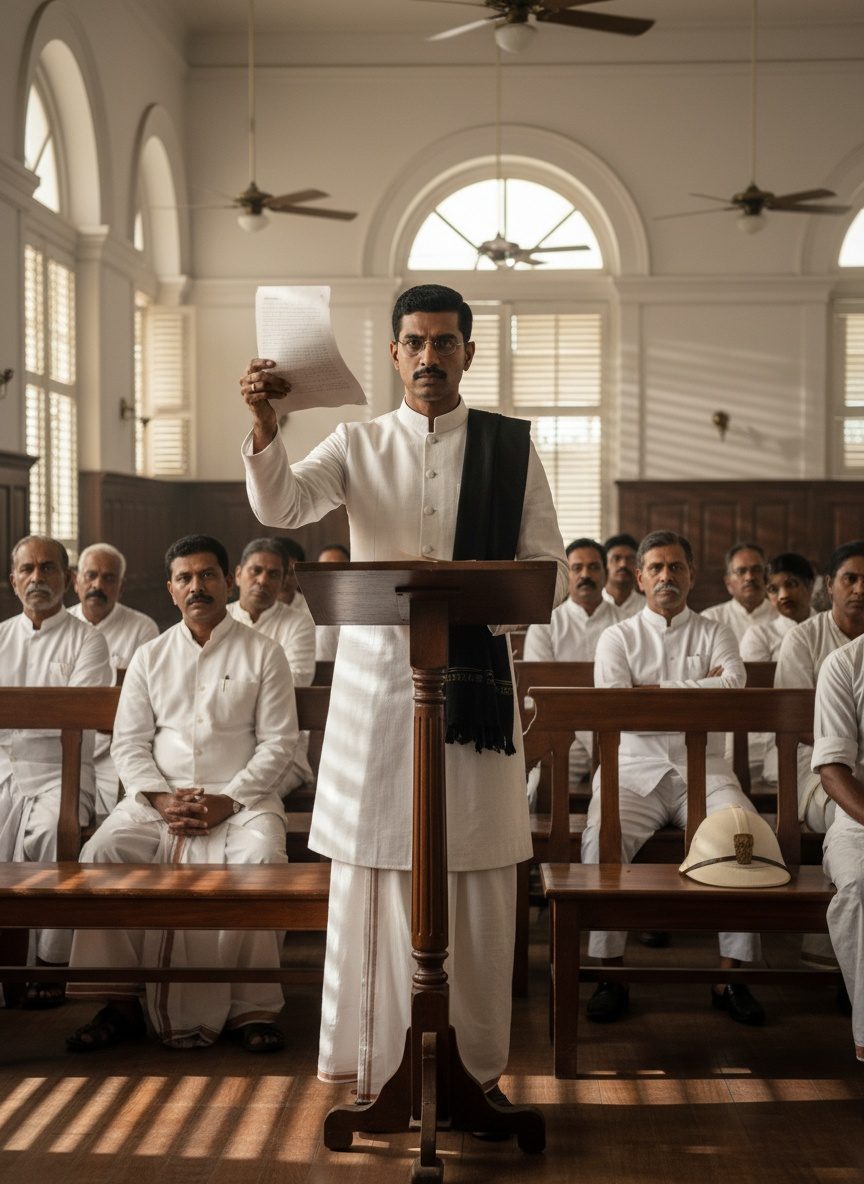
1919. The Rowlatt Act stripped Indians of the right to trial. Every moderate leader fell silent. One Tamil lawyer stood up. He filed papers. He published defiance. He would not stop.
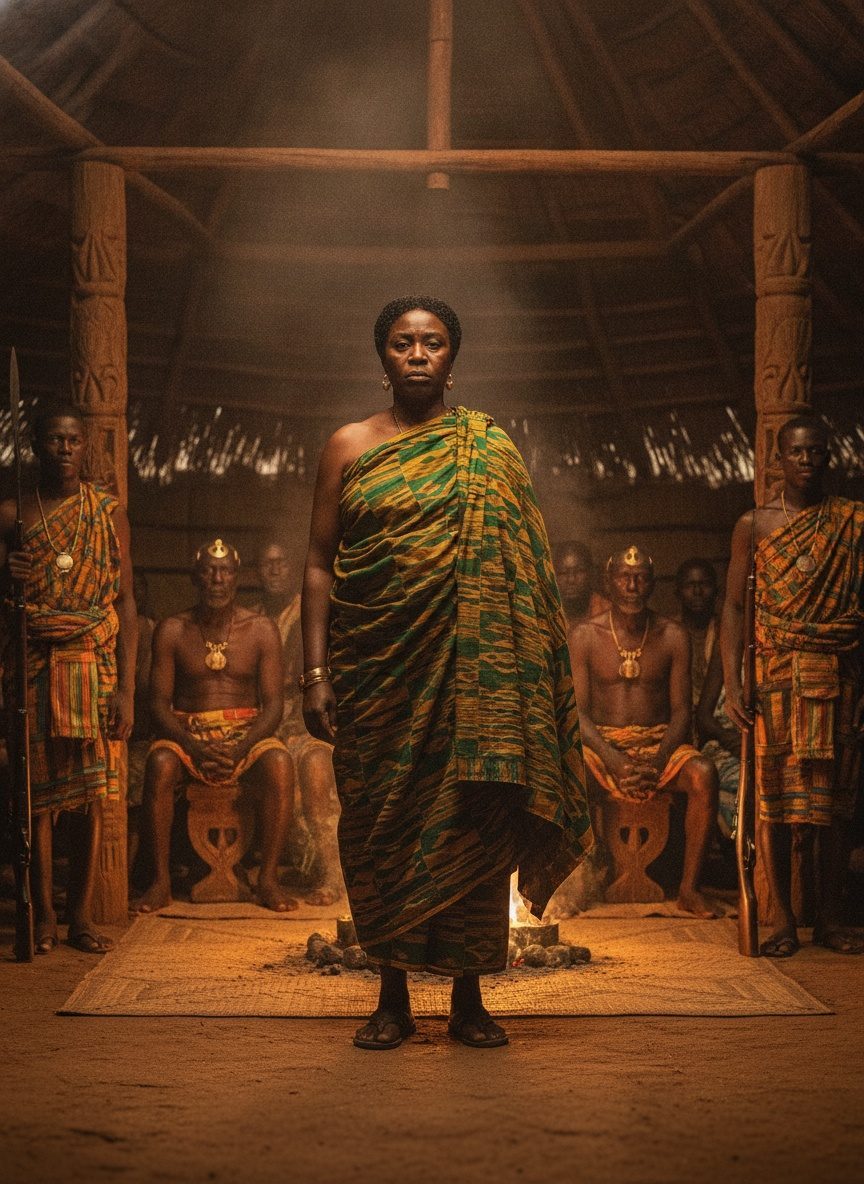
1900. The British Governor demanded the Golden Stool of Ashanti. A throne sacred beyond words. Yaa Asantewaa stood. An elder woman. A queen mother. She took up a rifle. And told the men of Ashanti to fight.
Natal, 1906. A poll tax pushed Zulu men to breaking point. Chief Bhambatha kaMancinza refused to collect it. He fled into the Nkandla forest. He raised the old shields. He chose to fight.
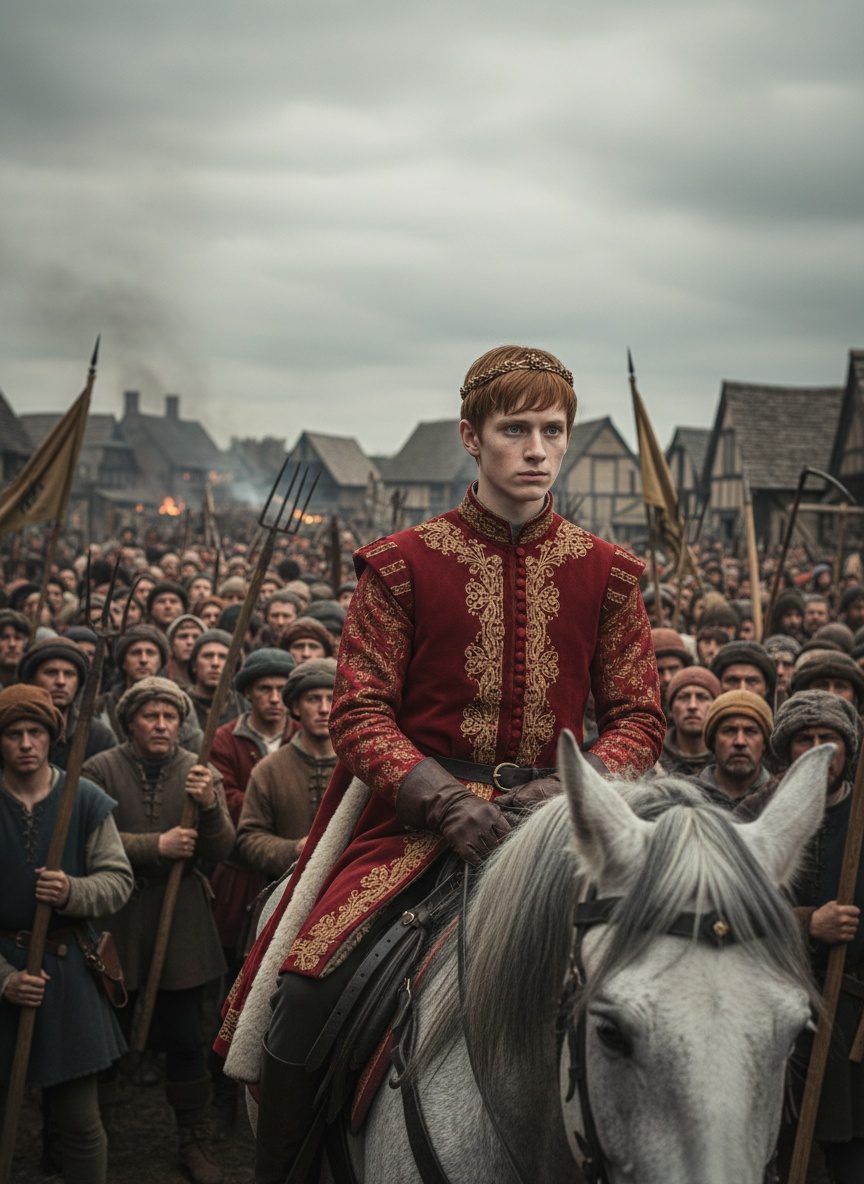
June 1381. A teenage king faced 100,000 rebels. Richard II rode out alone. He listened. He made promises. The rebels believed him. It was the bravest moment of his reign.
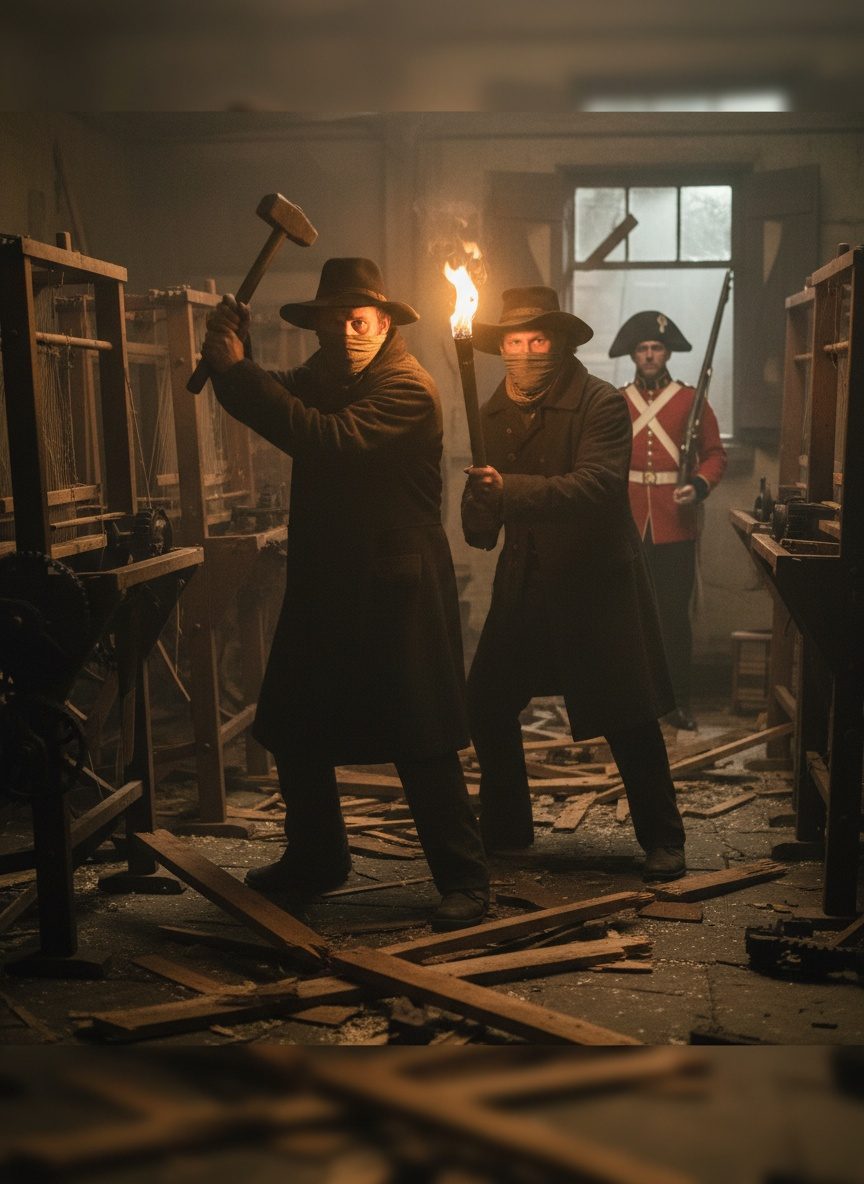
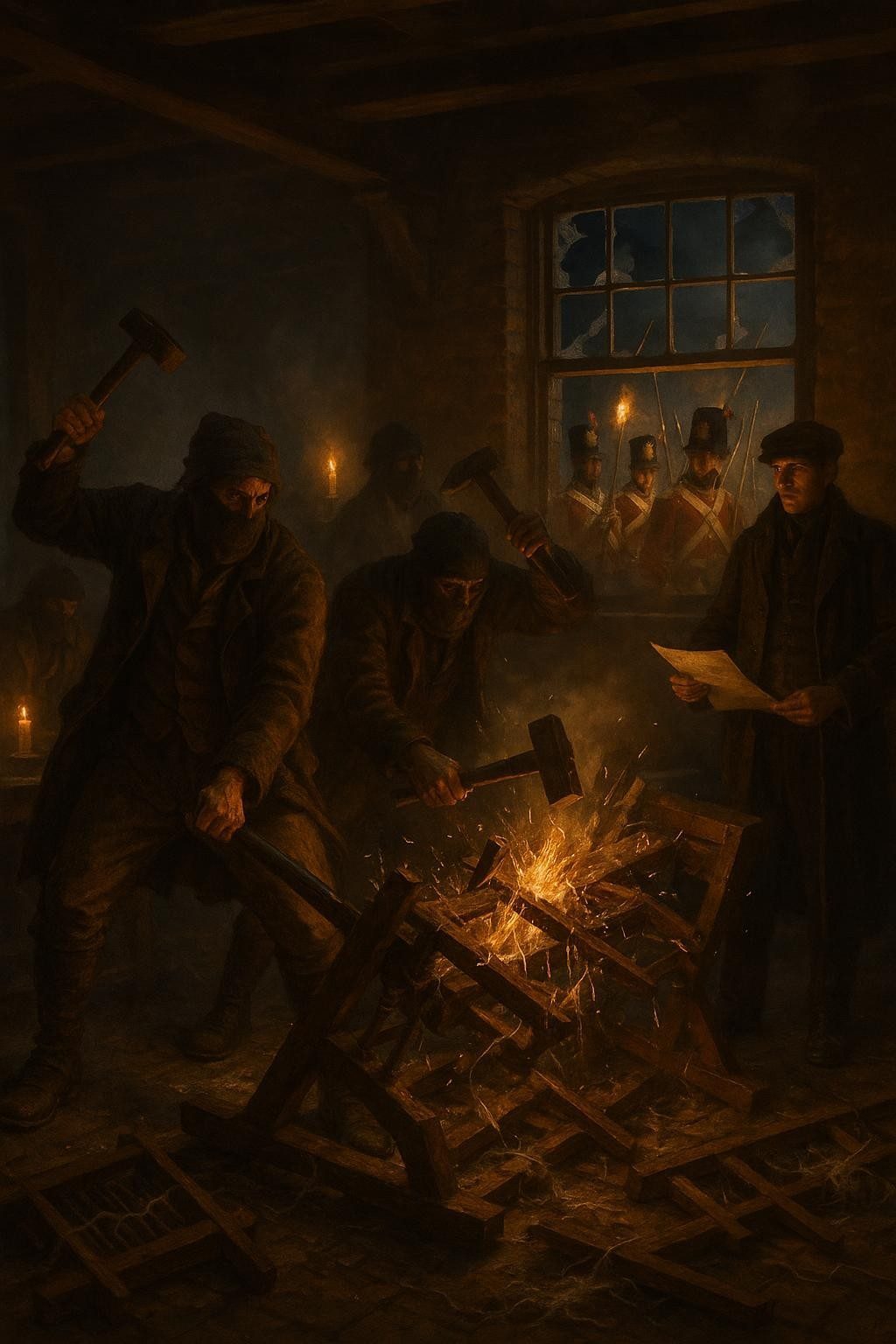
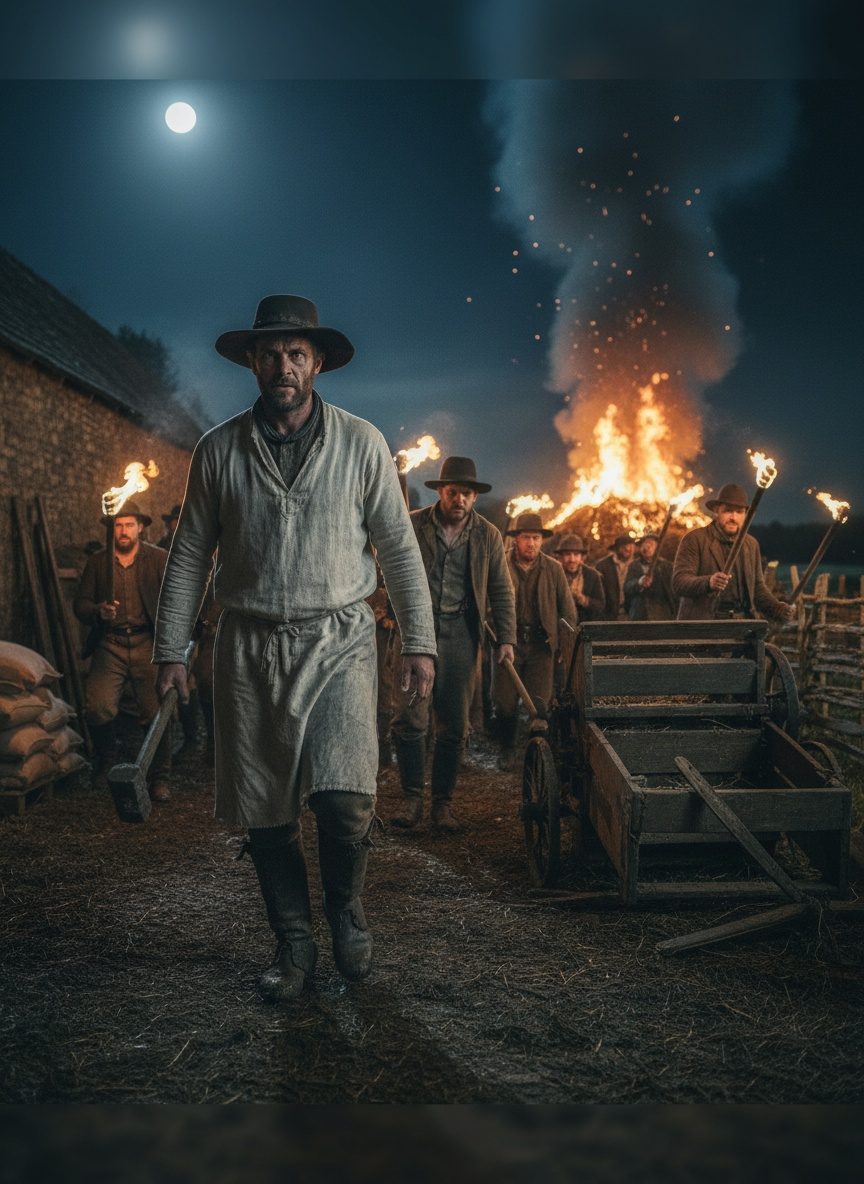
In 1811, English stocking-weavers smashed factory machines by night. The Crown sent more troops to Nottingham than Wellington had in Portugal. A workers' revolt shook the Empire's industrial core.
In 1811, English weavers smashed factory machines across the Midlands. The Crown deployed more troops to stop them than Wellington had in Spain. Parliament made it a hanging offence.
May 1799. Seringapatam was falling. Tipu Sultan refused every offer of surrender. He fought room by room. He died with his sword in his hand. The Tiger of Mysore would not kneel.
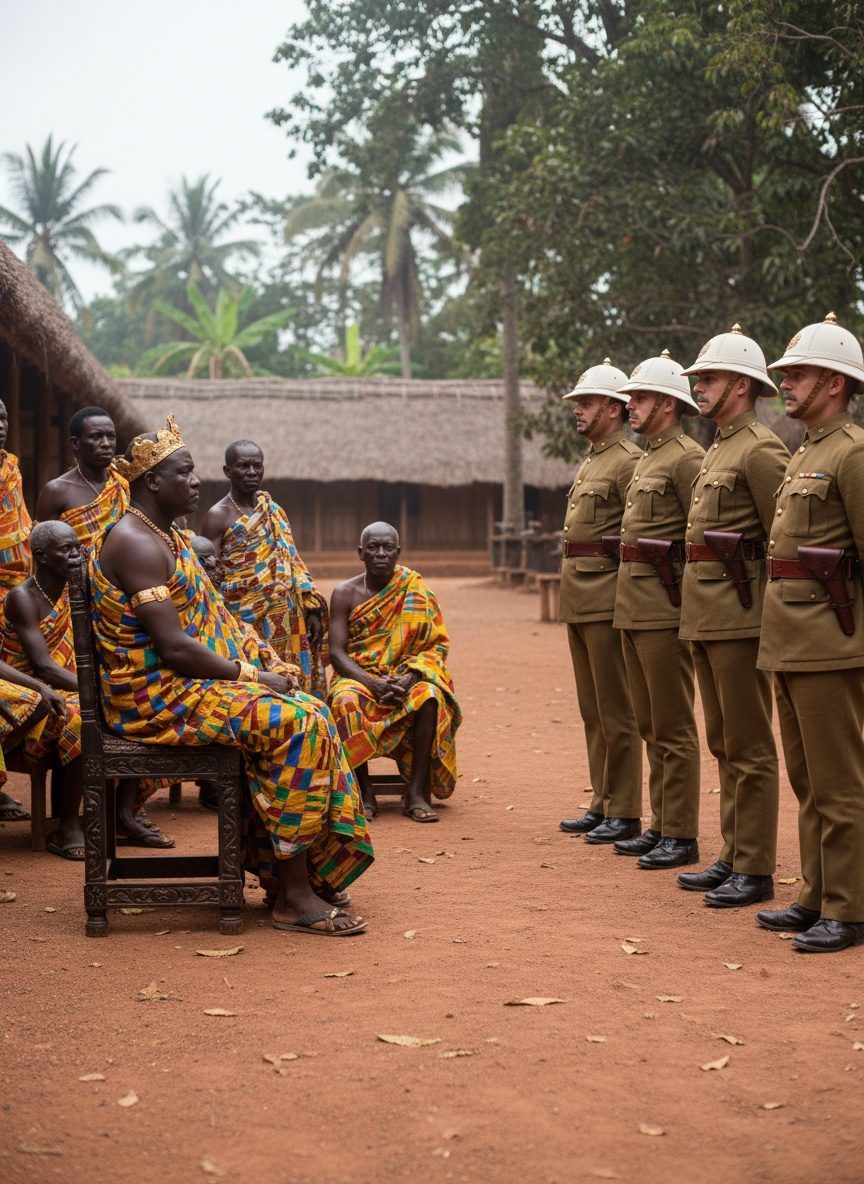
He was the Asante king they could not break. In 1896 the British forced Prempeh I to kneel. They exiled him to the Seychelles for 24 years. He returned. His people still called him king.
Egypt's ruler asked Britain to intervene. Britain did — then never left. When Khedive Tewfik's own army mutinied, London sent a fleet. The bombardment lasted ten hours. A nation's fate was decided without a single Egyptian vote.
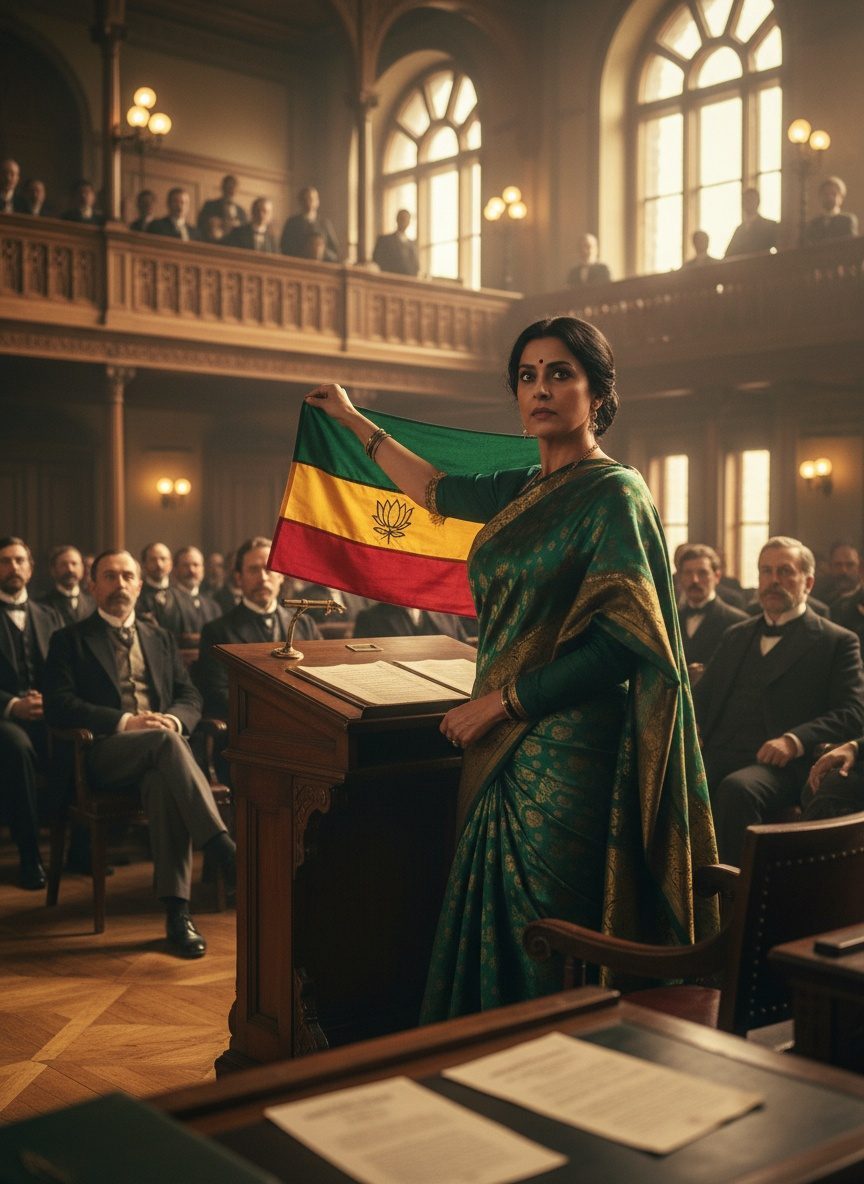
Stuttgart, 1907. A British Indian woman stood before the International Socialist Congress. She unfolded a flag. No Indian had done this before. She declared India's freedom to the world. They could not silence her.
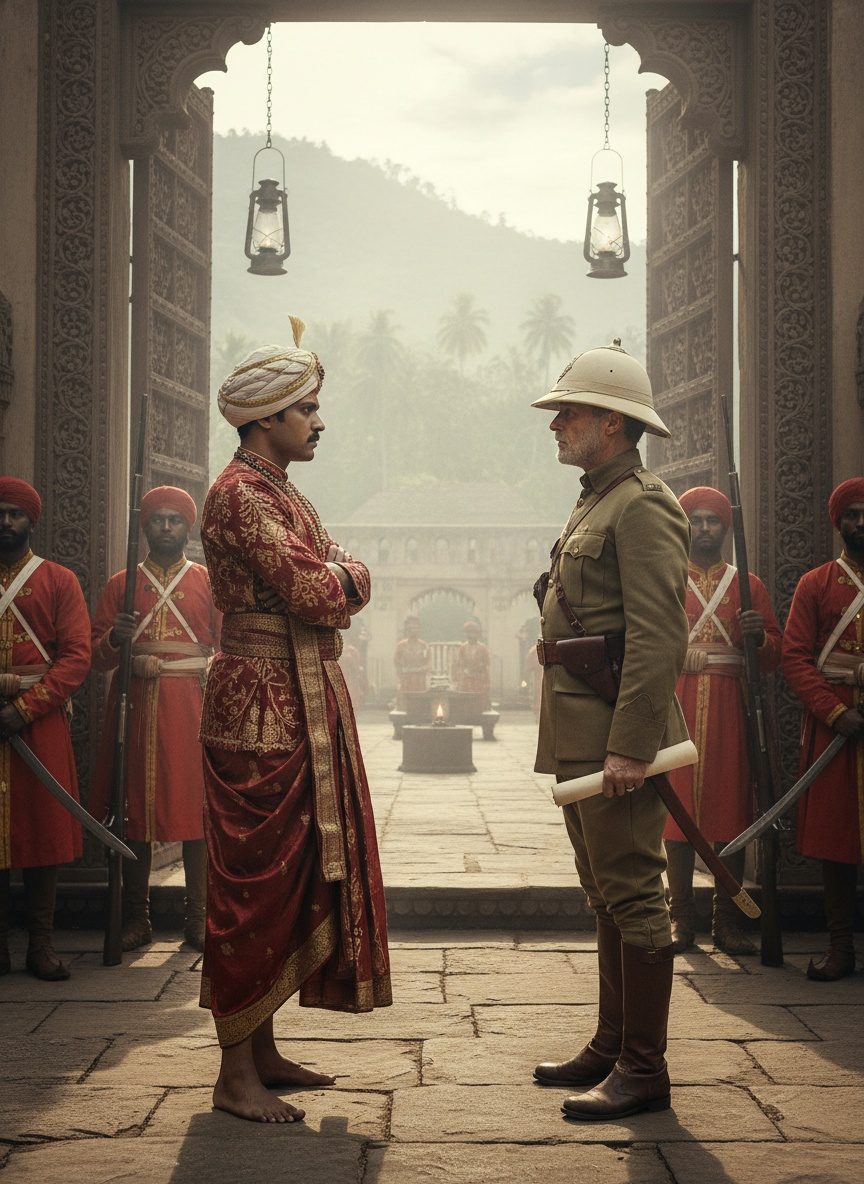
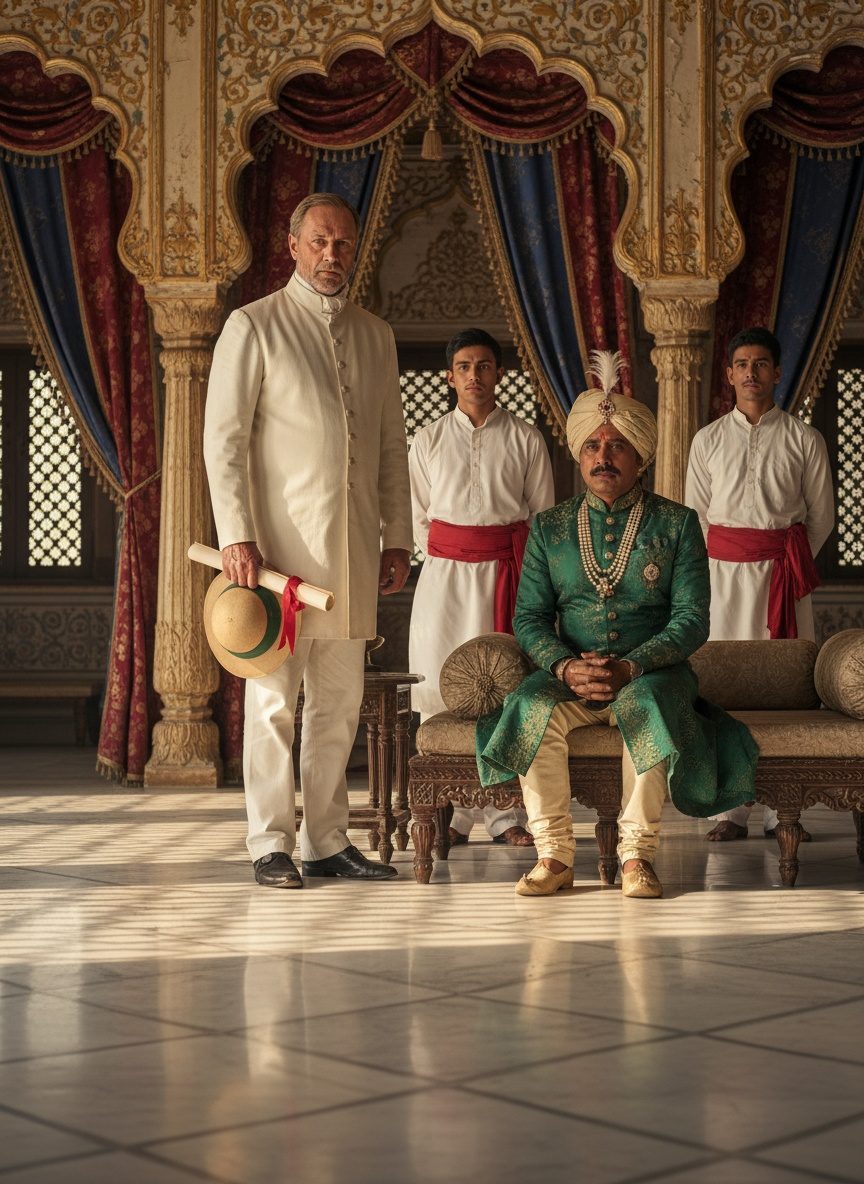
March 1891. The British Resident marched into Manipur's palace. He expected surrender. Tikendrajit Singh stood firm. He refused. The palace gates closed. The Empire had to choose its next move.
May 1857. The order came down the line. Load your rifles. The sepoys of the 34th BNI looked at each other. Then they set their Enfields down. Every last man. The spark that lit India.
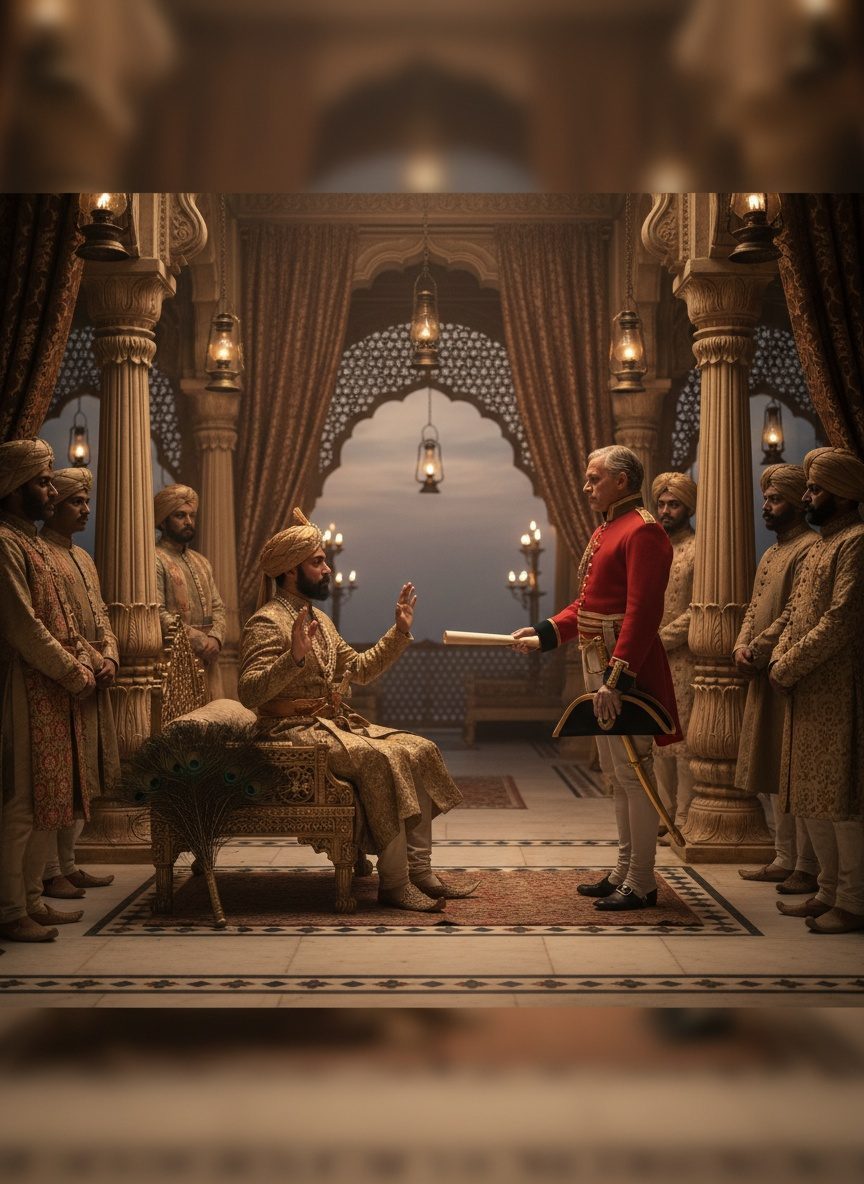
1856. The British demanded Wajid Ali Shah sign away his kingdom. He refused. He wept. He tore off his turban and laid it at their feet instead. A king surrendered his crown. But not his dignity.
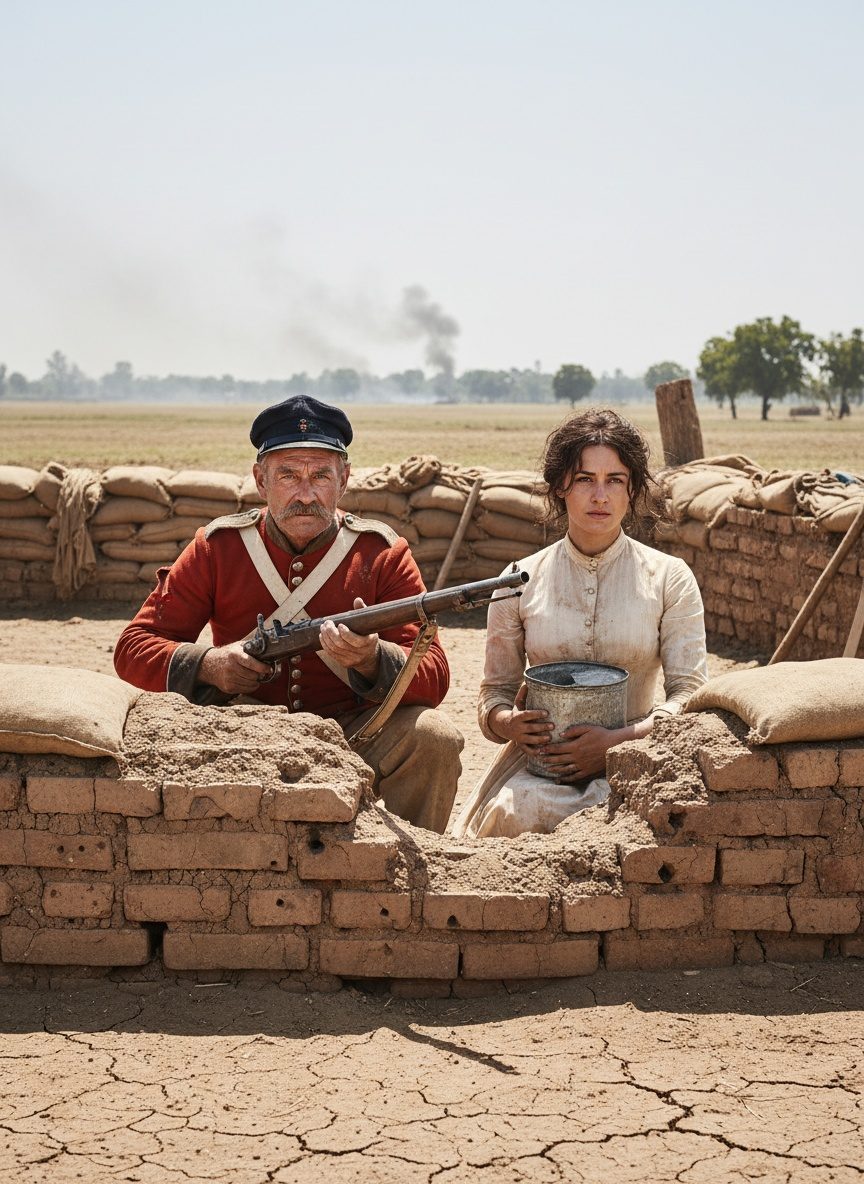
June 1857. Cawnpore was surrounded. Nana Sahib offered surrender terms. General Wheeler refused. Inside the entrenchment, two hundred women and children waited. The British held. Three weeks. Without water. Under the guns.
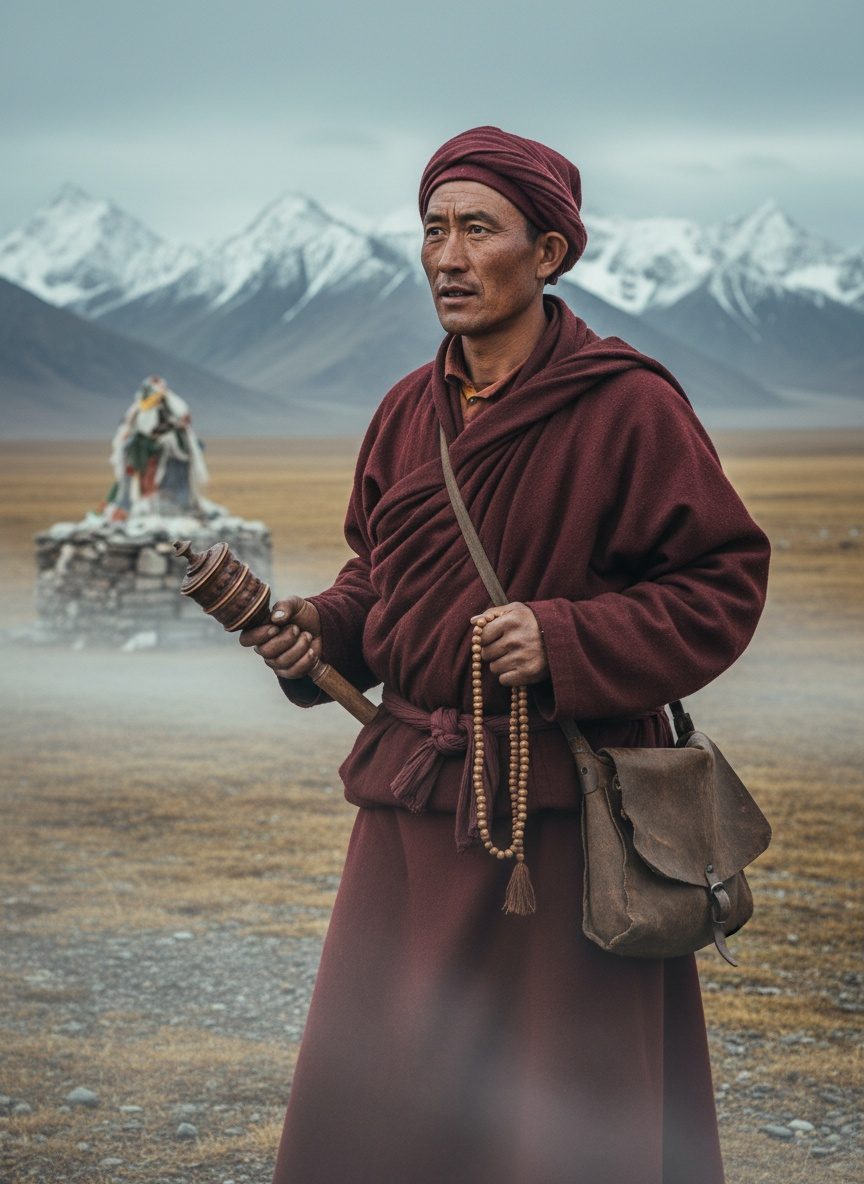
1865. Tibet was sealed to outsiders. Nain Singh entered disguised as a monk. Captured. Interrogated. He kept walking. He mapped 1,200 miles in secret. Britain's greatest unknown spy.
Britain sent its most celebrated soldier to evacuate Sudan. Gordon ignored his orders. Khartoum fell. He died alone on the palace steps. London received the news two days too late.
1899. A young tribal leader stood barefoot in the Jharkhand forest. He told his people the land was theirs. The British sent soldiers. He faced them unarmed. They arrested him. History never forgot his name.
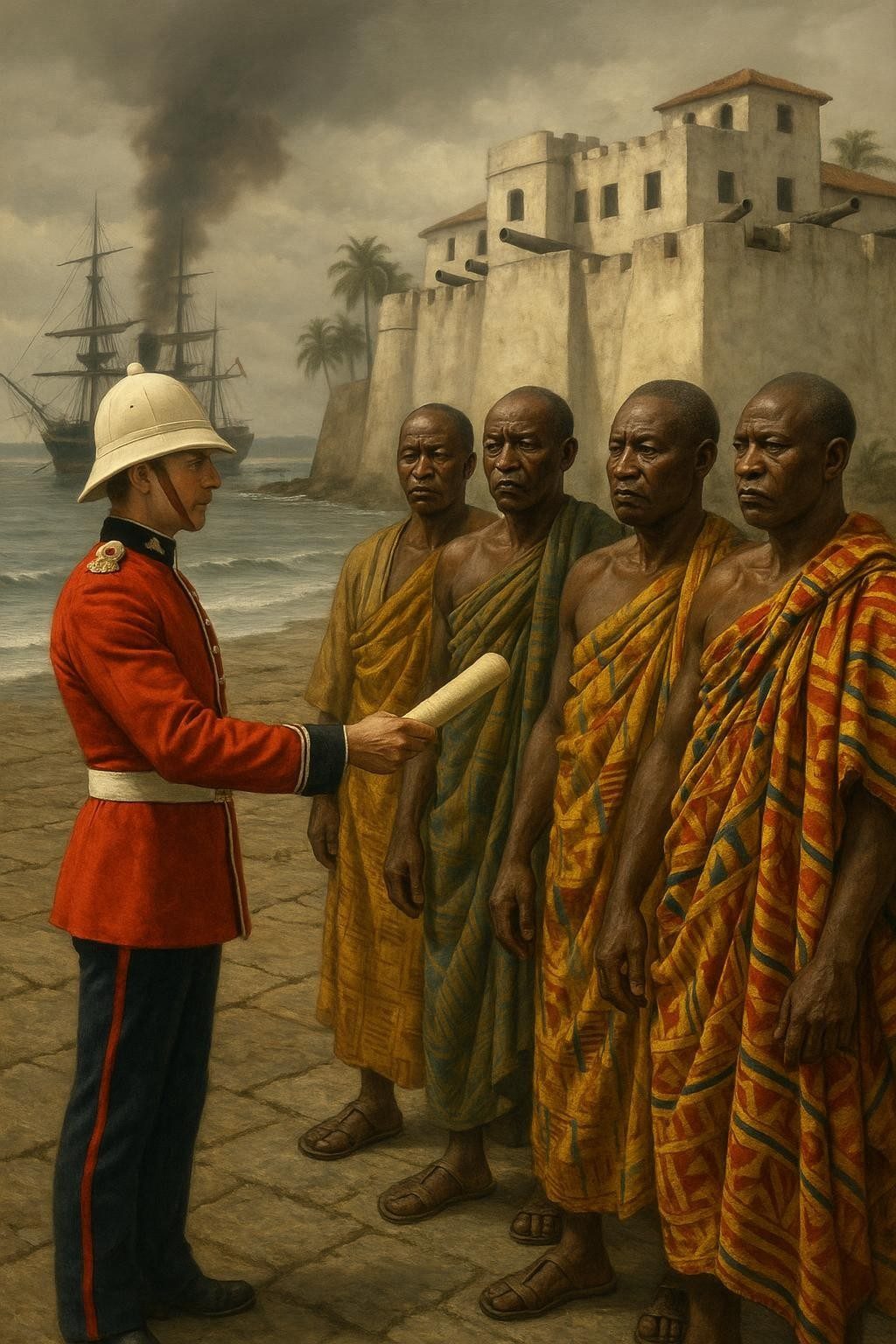
Britain demanded Elmina's fortress. The people refused. Within weeks, Royal Marines stormed the castle that had stood for four centuries. One community's defiance ended in flames.
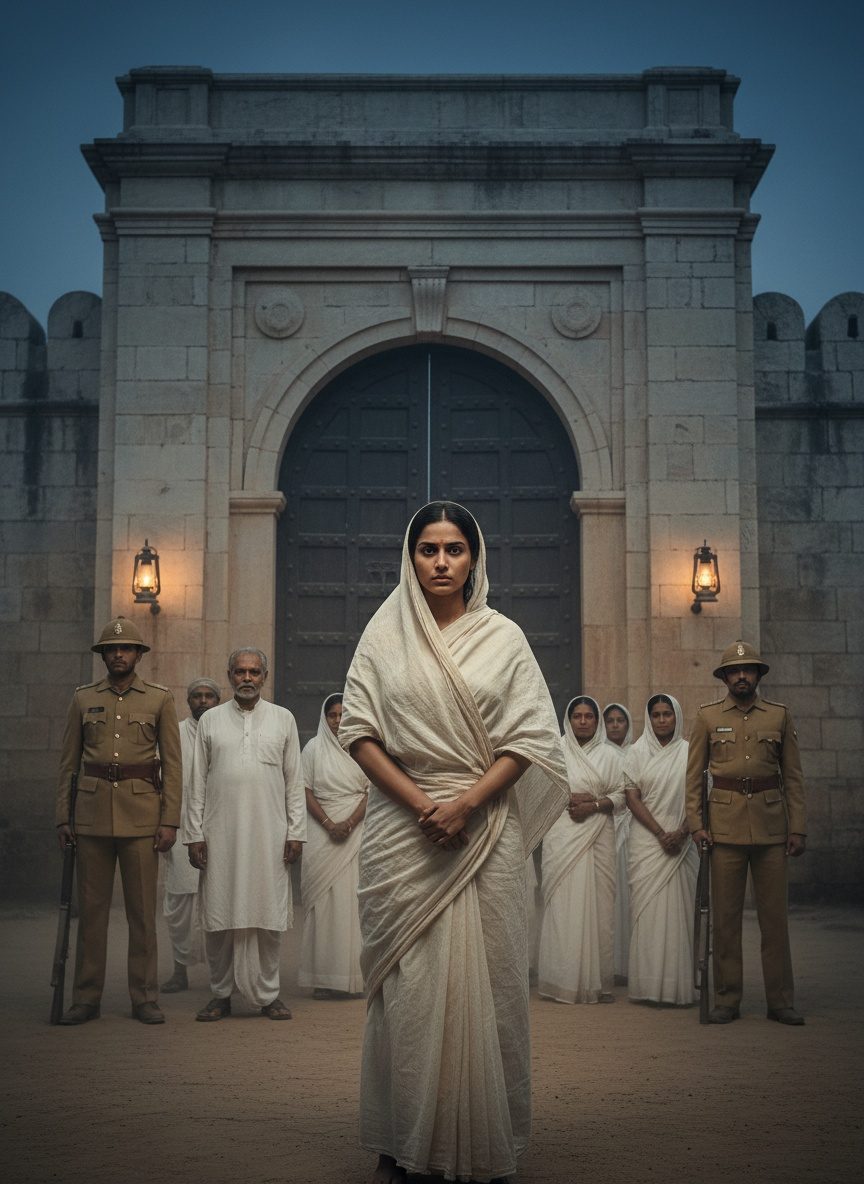
March 1931. Bhagat Singh was hanged at Lahore Central Jail. The British authorities feared public unrest. They cremated him in secret. His family arrived too late. His sister Bibi Amar Kaur refused to leave without him. She stood her ground alone.
May 1914. A ship sat in Vancouver harbour. 376 British subjects aboard. Canada said they could not land. For two months they refused to leave. The empire watched. So did the world.
In 1920, Irish soldiers of the British Army mutinied in India. Not over pay. Not over conditions. Over Ireland. It was the only mutiny in the British Army during peacetime in the 20th century.
June 1858. The Rani of Jhansi was surrounded. Her kingdom was gone. Her son was strapped to her back. She drew her sword anyway. She charged the British line alone. She fell fighting.
June 1381. A peasant army reached London. No king had ever faced this. Wat Tyler rode at its head. A hundred thousand men behind him. England held its breath.
May 1914. A ship sat in Vancouver harbour. 376 British subjects from India. Canada refused to let them land. For two months they waited. Starving. Then the Empire sent a warship to drive them away.
June 1857. The British had deposed her husband. Stripped her kingdom. Hazrat Mahal refused to surrender. She raised an army. Led it herself. And held Lucknow against the Empire for months.
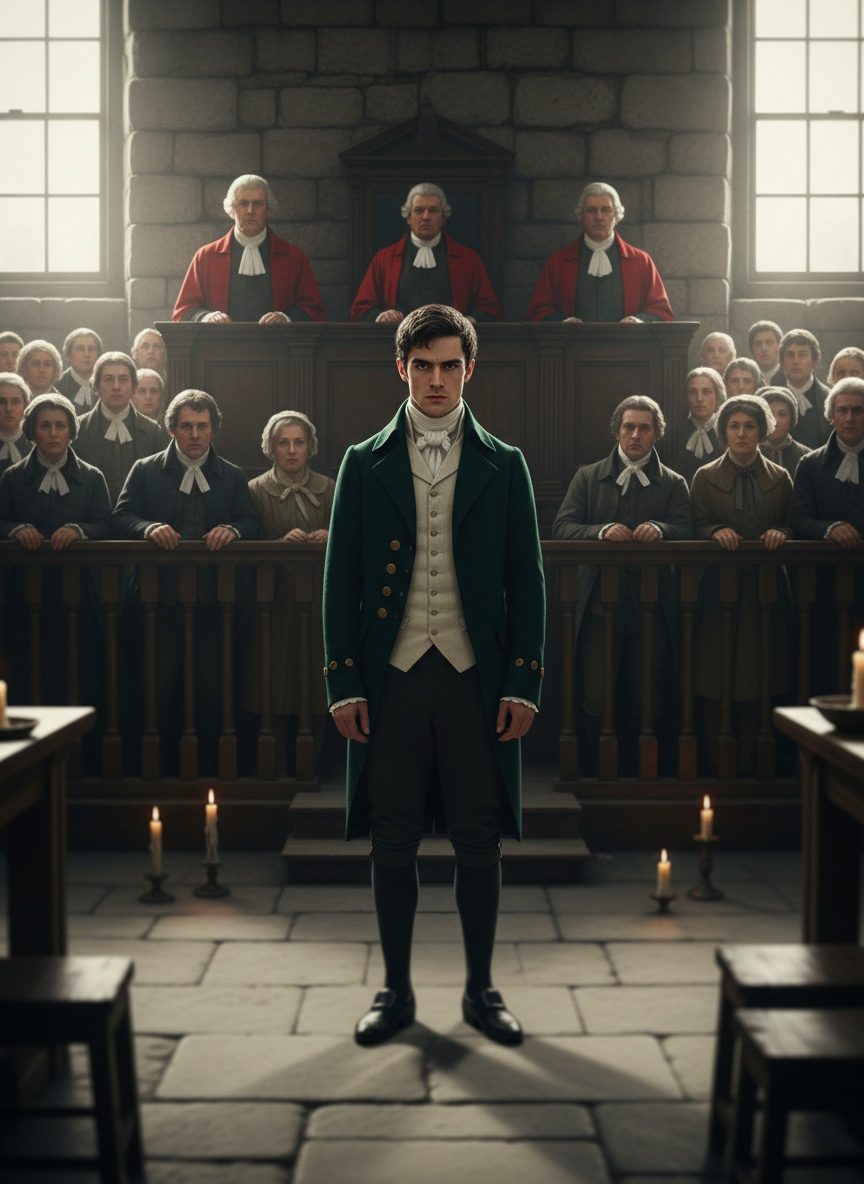
1803. The United Irish rebellion was crushed. Robert Emmet had ninety men. He marched on Dublin Castle anyway. He was captured. At the gallows he spoke. Ireland never forgot.
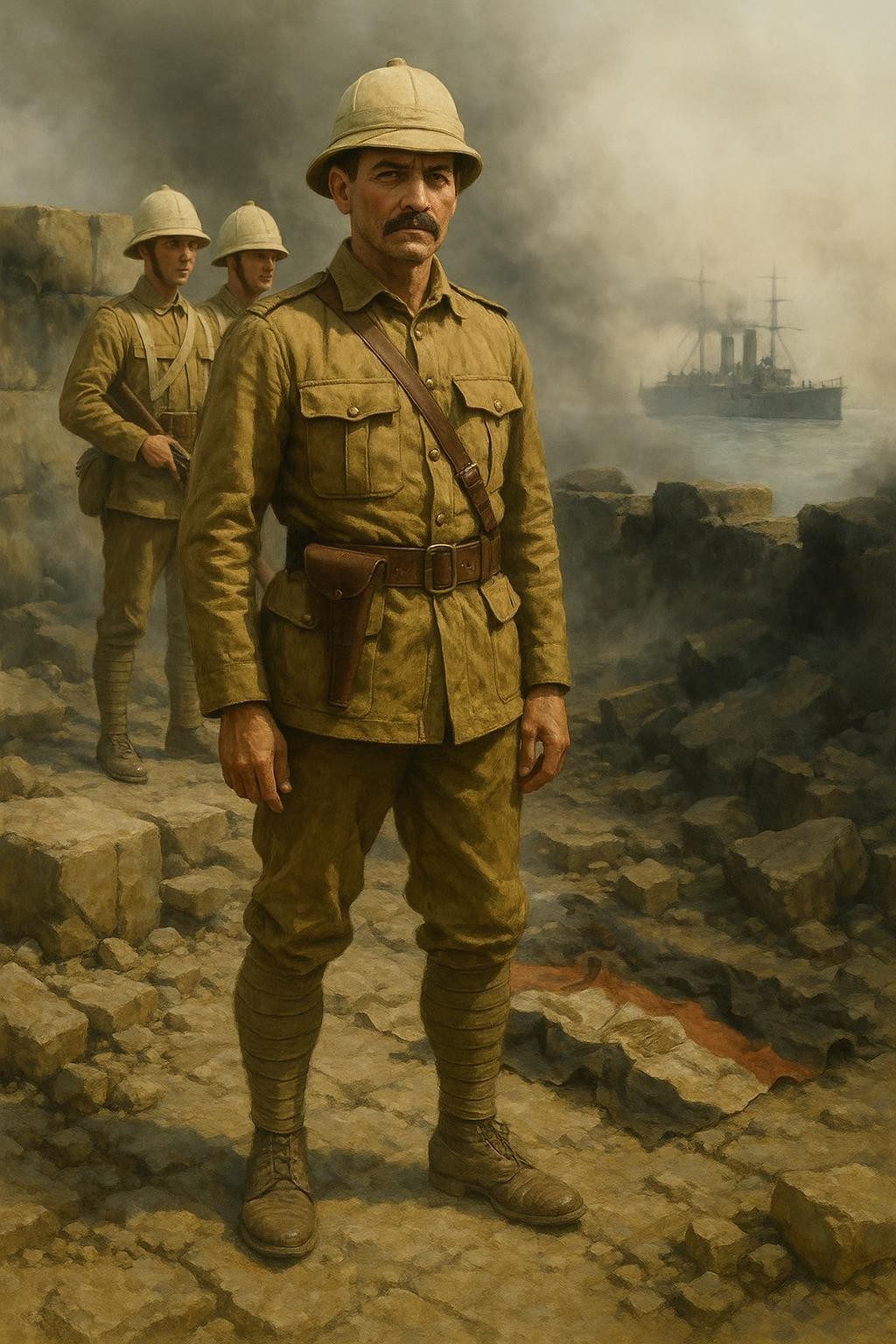
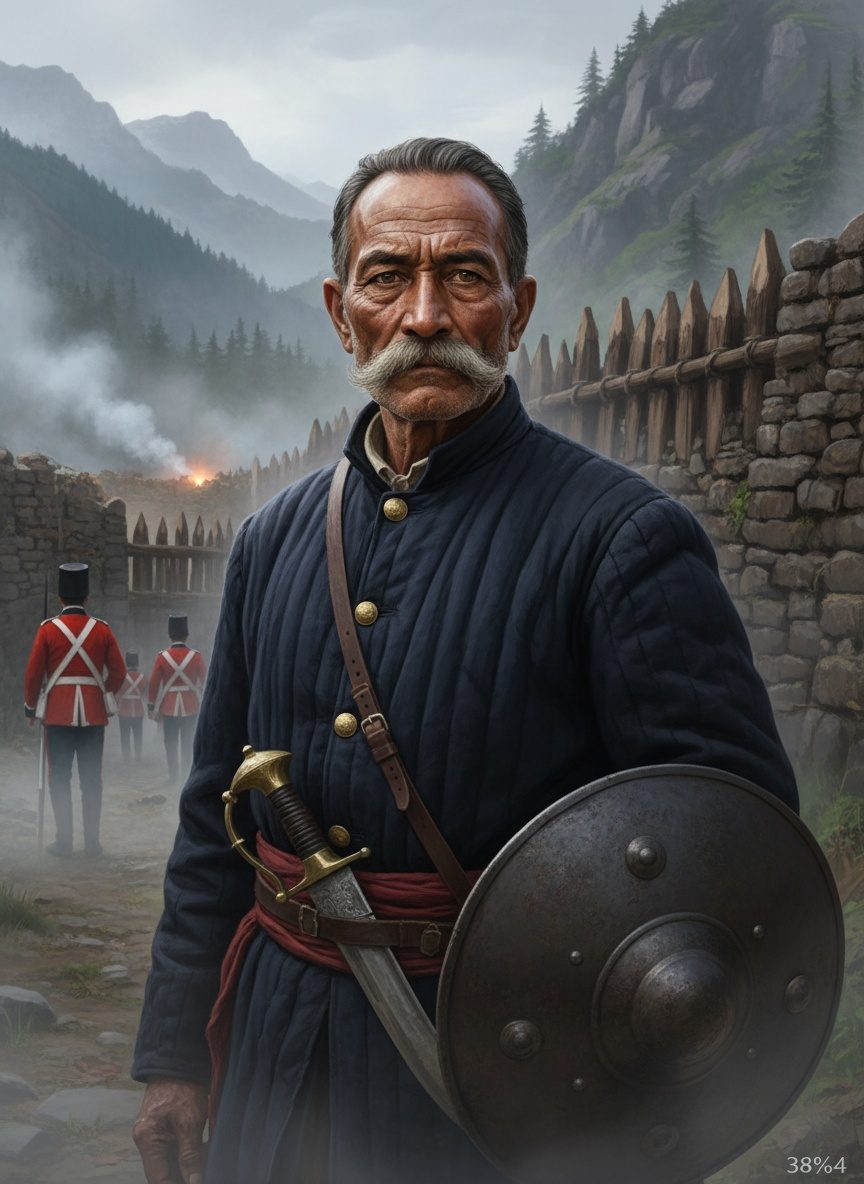
October 1814. A British force of 3,000 besieged a fort held by 600 Gurkhas. The Gurkhas would not break. Their commander Bhakti Thapa walked into cannon fire. He died on the wall. His enemies buried him with full military honours.
Lord Dalhousie called Awadh's king unfit. He annexed the kingdom in a single day. Within a year, India was on fire. One controversial decision changed the Empire forever.
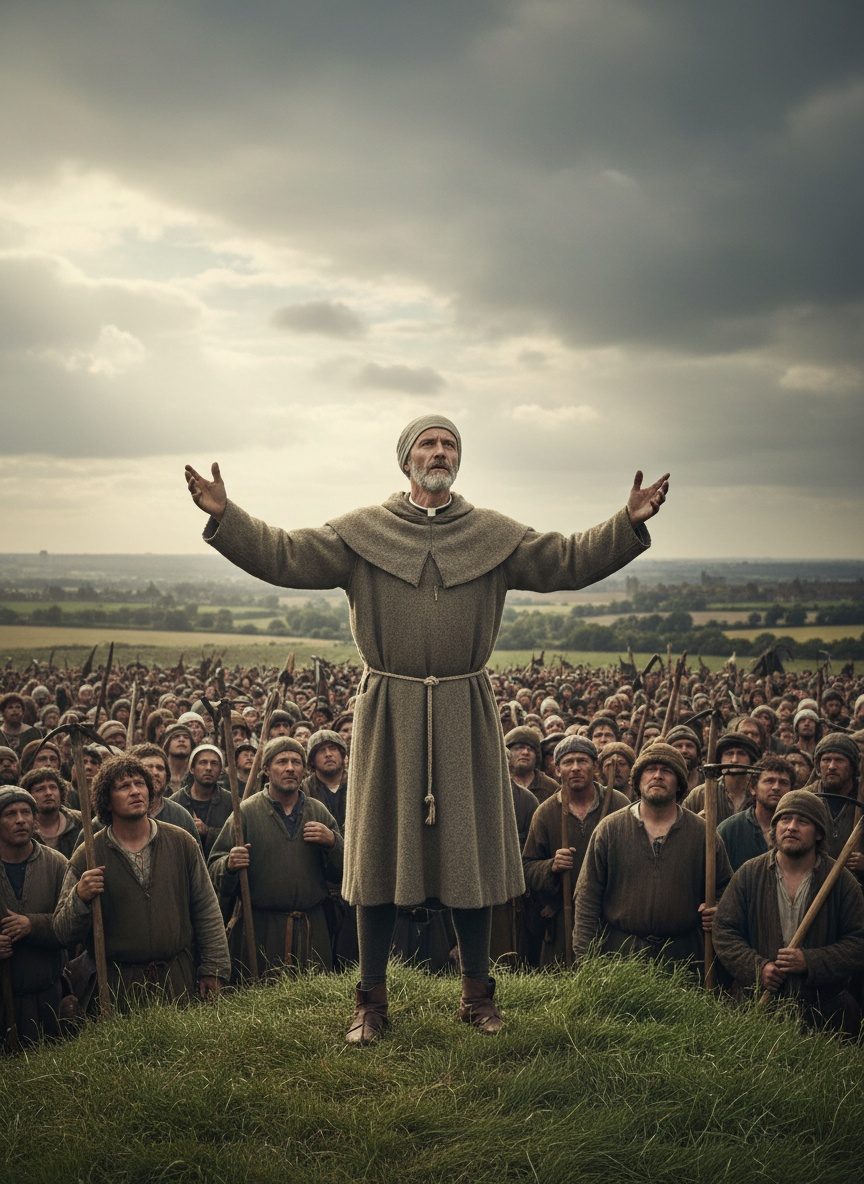
June 1381. A priest stood before 100,000 rebels. He had been jailed three times for preaching equality. He preached again. The crowd roared. England would never be quite the same.
1899. A barefoot tribal boy from Jharkhand declared himself a prophet. He rallied thousands against the Raj. British troops hunted him across dense forest. He was 25 years old. He never surrendered.
June 1381. A blacksmith's son led 100,000 peasants to London. They burned the palaces. They freed the prisoners. Wat Tyler rode alone to meet the King. One dagger ended it all.
December 1878. A British envoy read an ultimatum to the Zulu king. Cetshwayo had thirty days. Disband his army. Accept a British resident. He refused. Ten thousand warriors sharpened their spears.
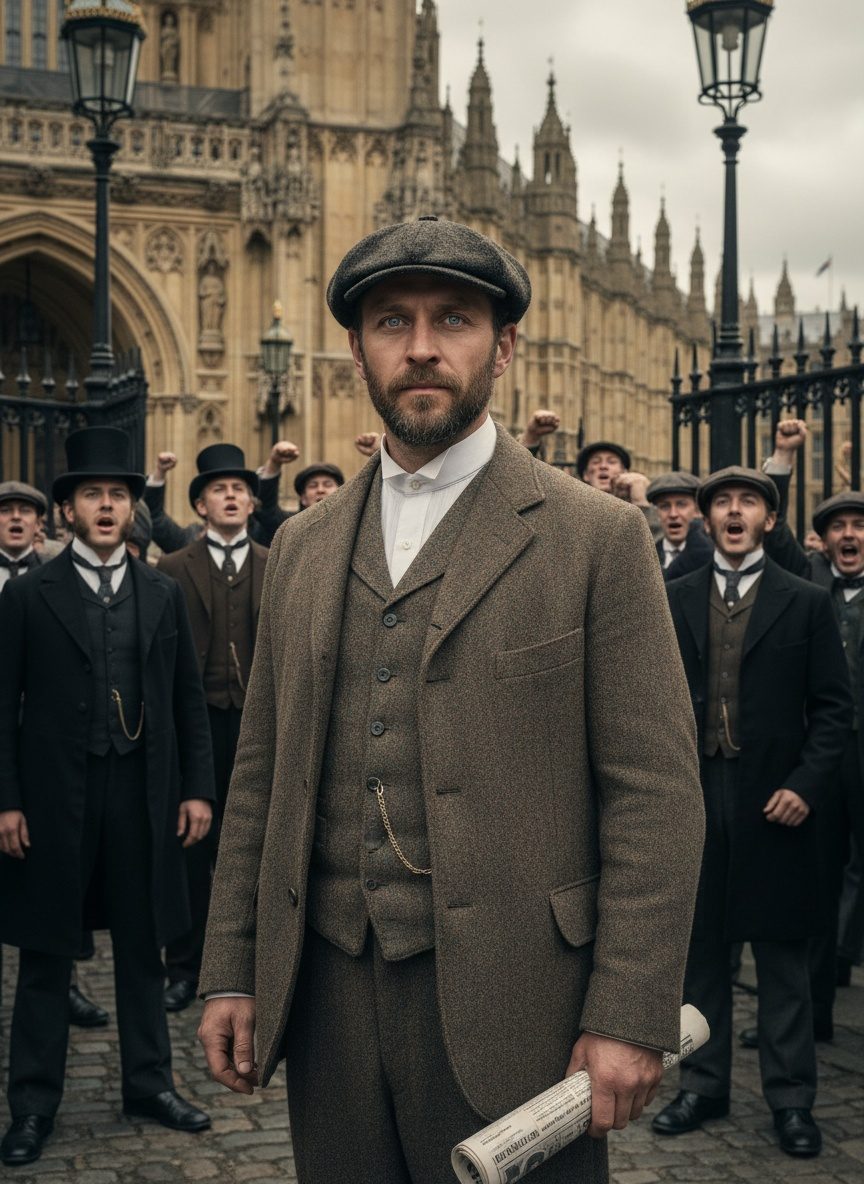
August 1892. James Keir Hardie entered Parliament. No top hat. No frock coat. A cloth cap. A brass band played him in. The miners of Cumnock had sent a working man to Westminster. Nothing would ever be the same.
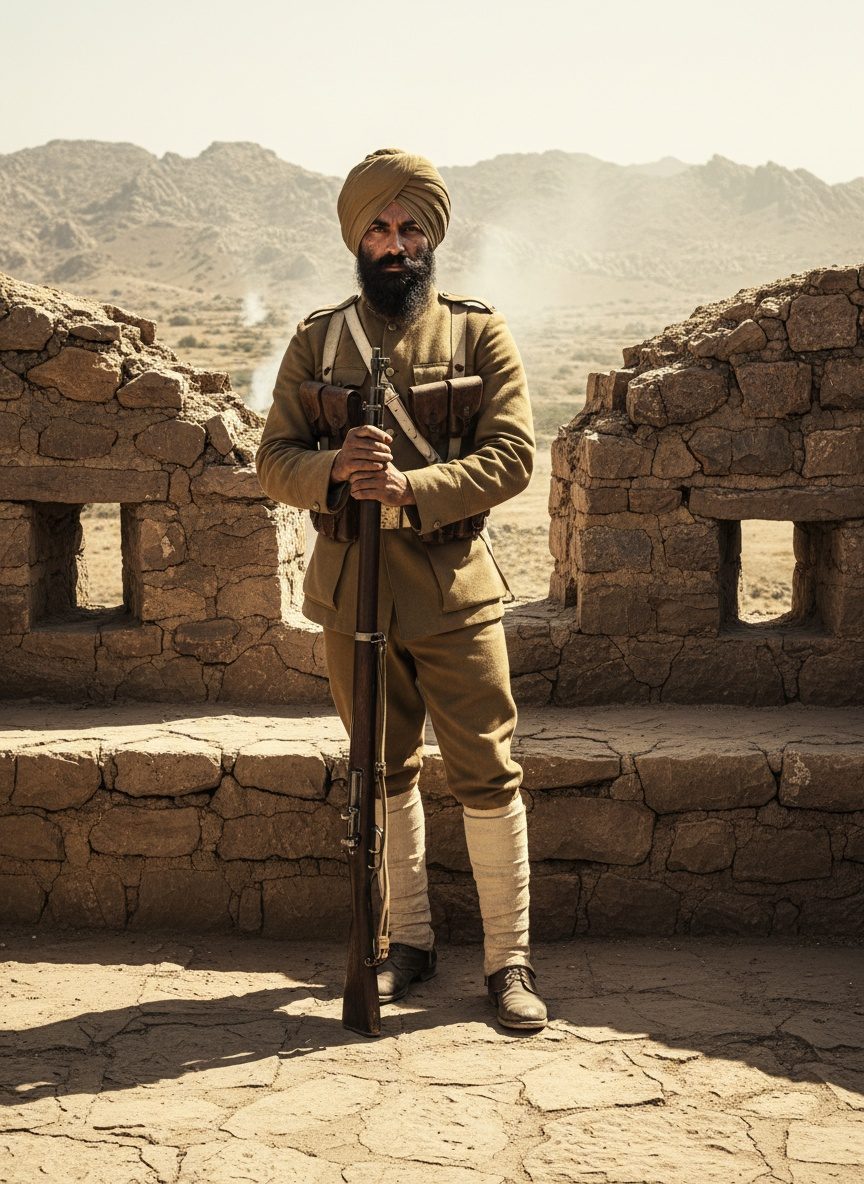
12 September 1897. Twenty-one Sikh soldiers held a signal post. Ten thousand Afridi tribesmen surrounded them. They sent one message. Then they fought. Every man died. None surrendered.
June 1381. A boy king rode out alone to meet a rebel army. Thousands of starving peasants had marched on London. Richard II was just fourteen. He faced them. He made a promise. England held its breath.
November 1830. Starving farm labourers rose across England. They smashed threshing machines. They burned haystacks. They signed their letters Captain Swing. Nobody knew who he was. Nobody ever would.
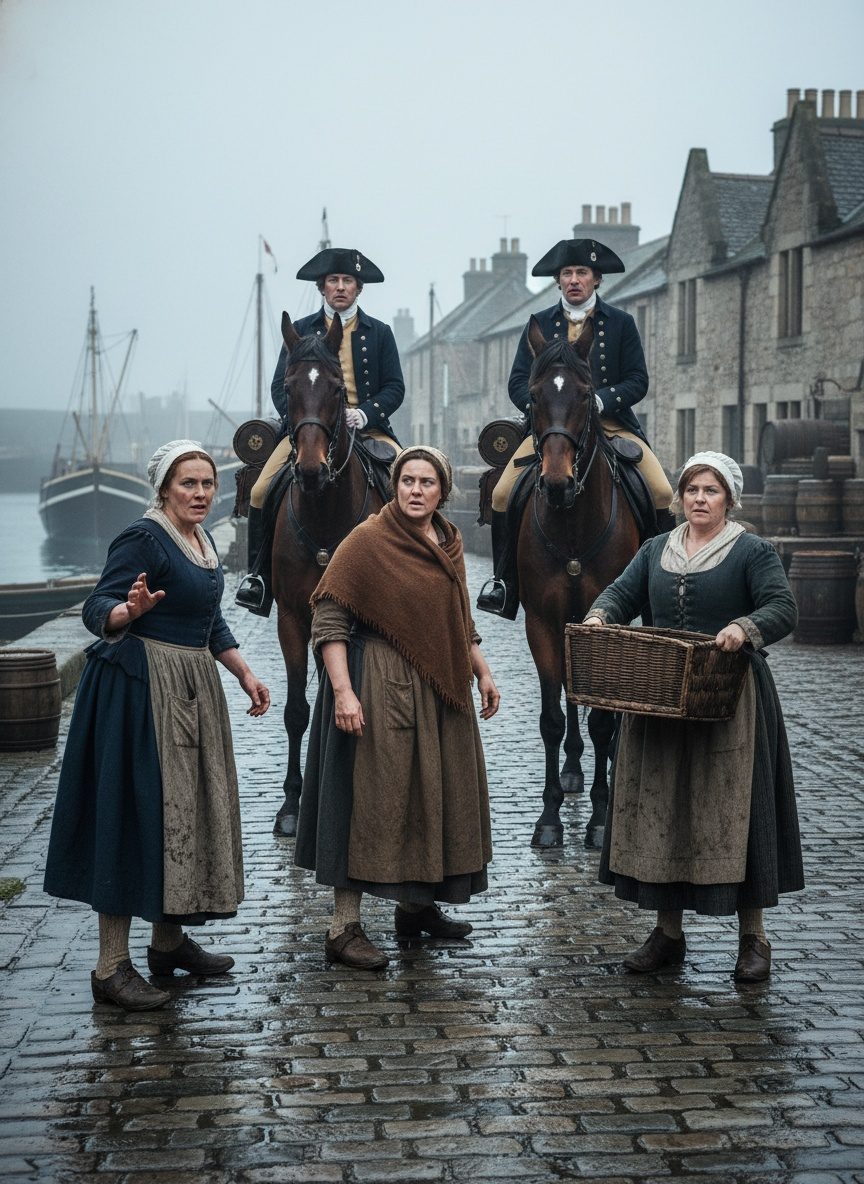
Pittenweem, Fife. 1736. The Crown's salt tax collectors arrived at dawn. The fishwives refused to move. They seized the officers' horses. Drove them from the harbour. No soldier dared return. The women of Fife won.
Summer 1549. A Norfolk landowner watched his neighbours lose their fields. He could have stayed silent. Instead, Robert Kett led 16,000 men to Norwich. They held it for six weeks. He was hanged from the castle walls. He never renounced them.
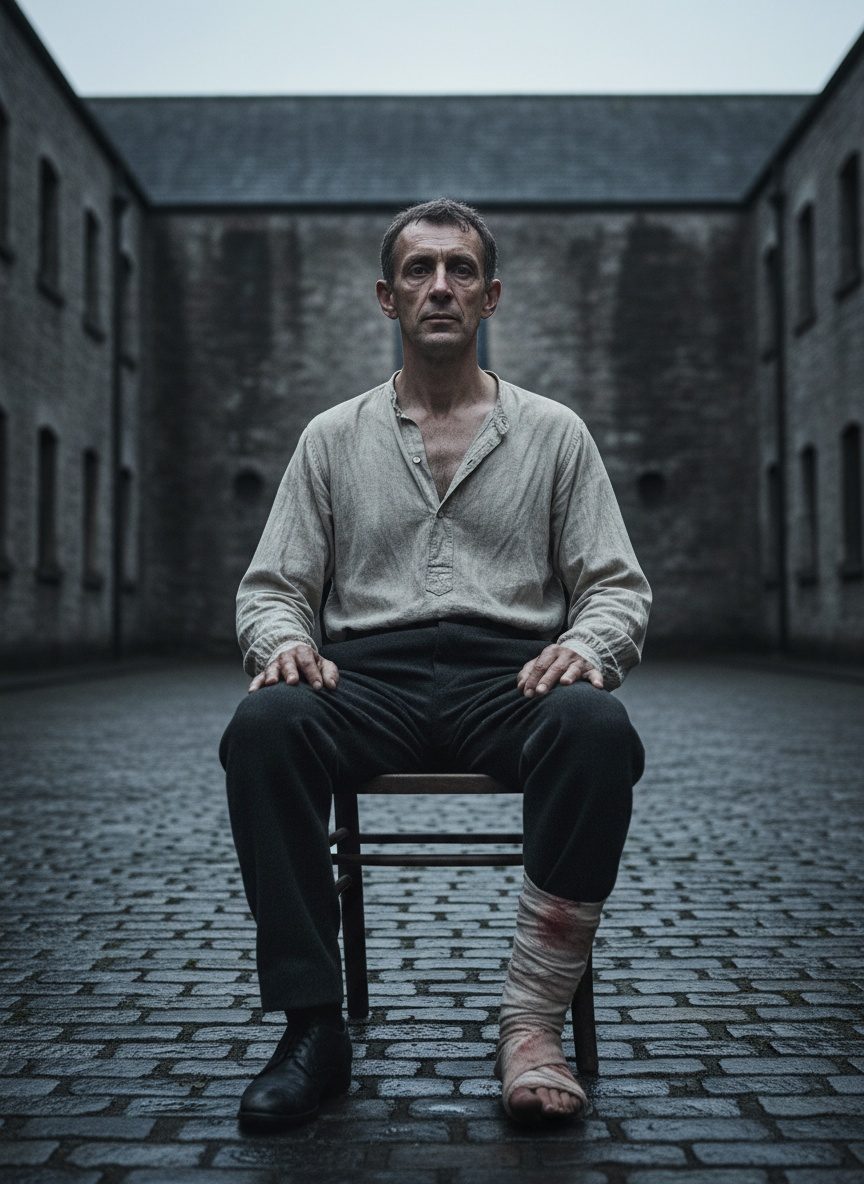
Dublin, 1916. The Easter Rising had failed. James Connolly lay wounded. Too injured to stand. The British strapped him to a chair. And shot him sitting down. Ireland never forgot.
60 AD. Rome ruled Britain with iron. Then a queen rose. Boudica led 100,000 warriors south. Camulodunum burned. Londinium burned. Verulamium burned. Three cities gone. Rome shook.
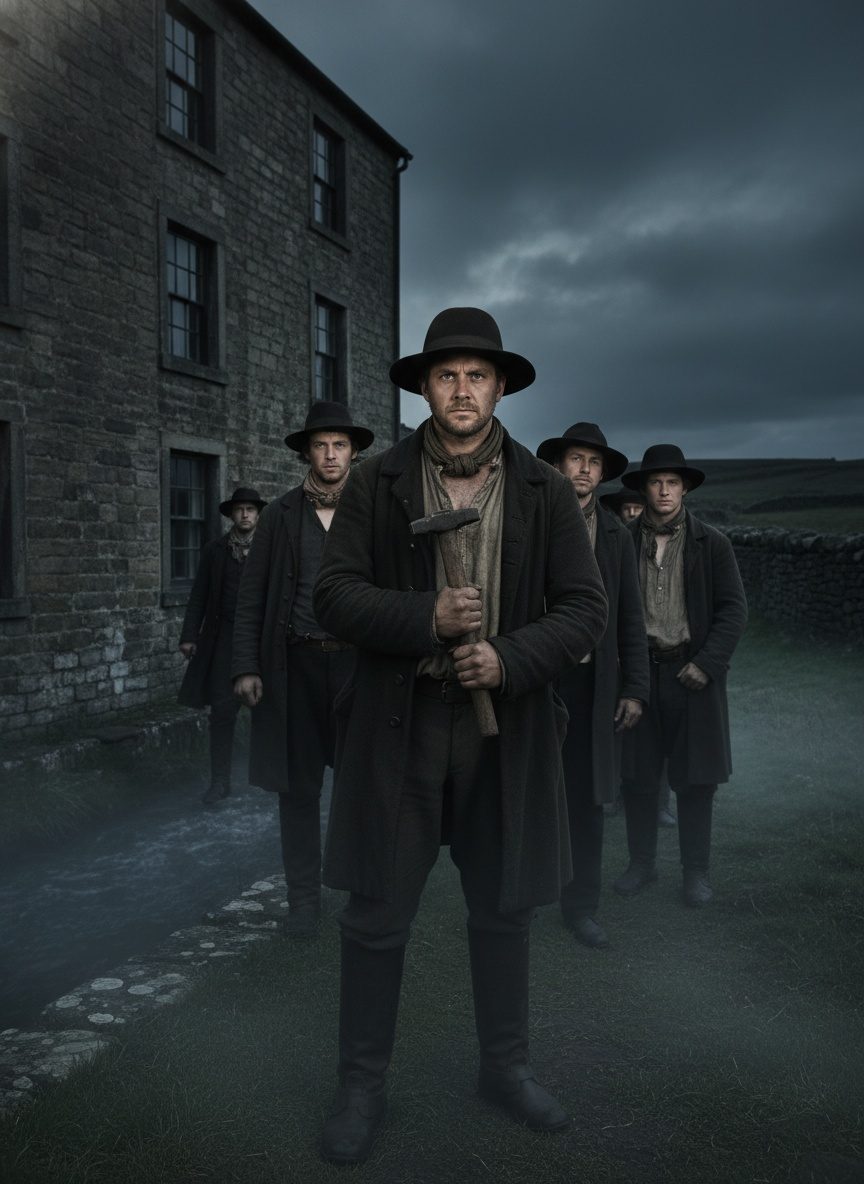
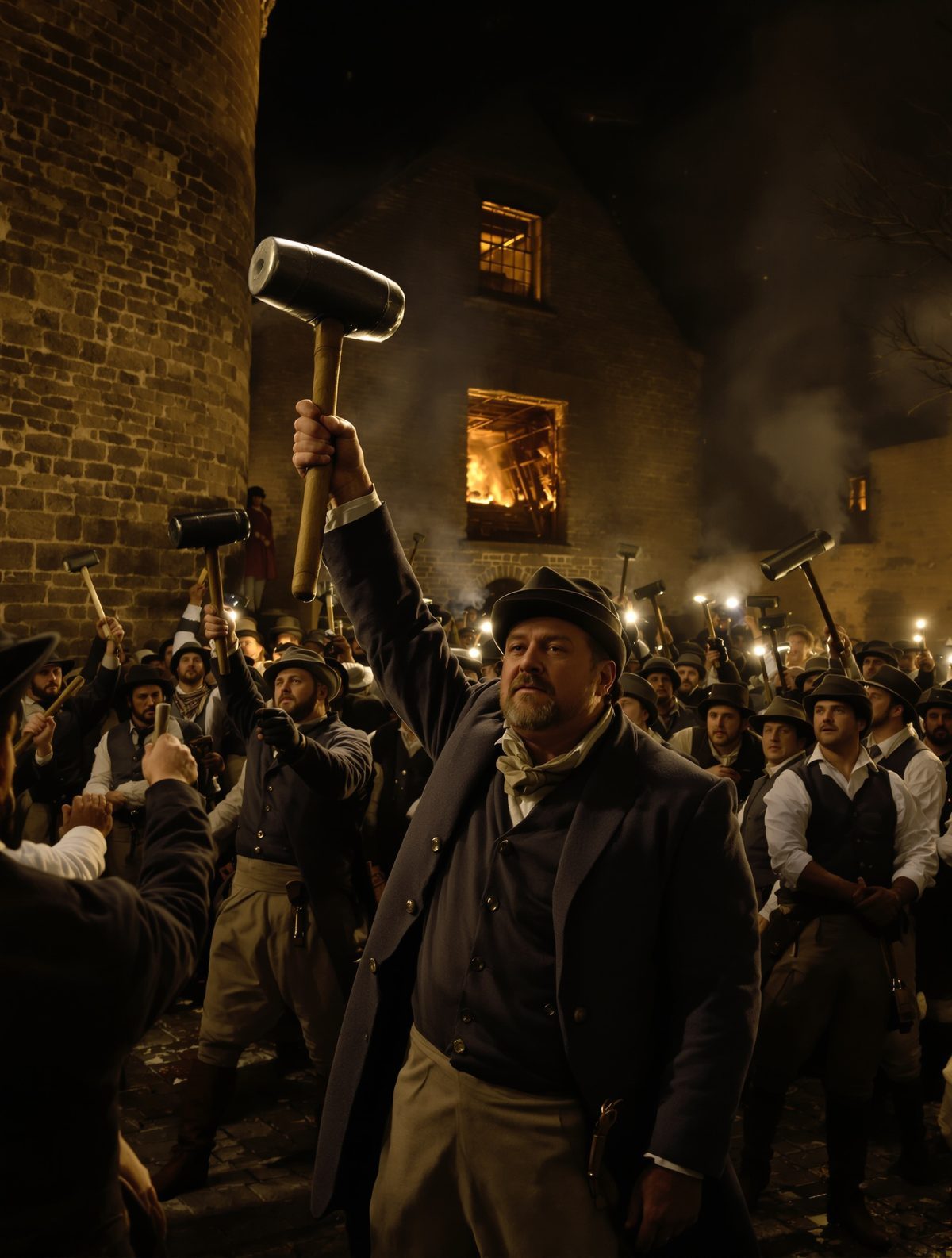
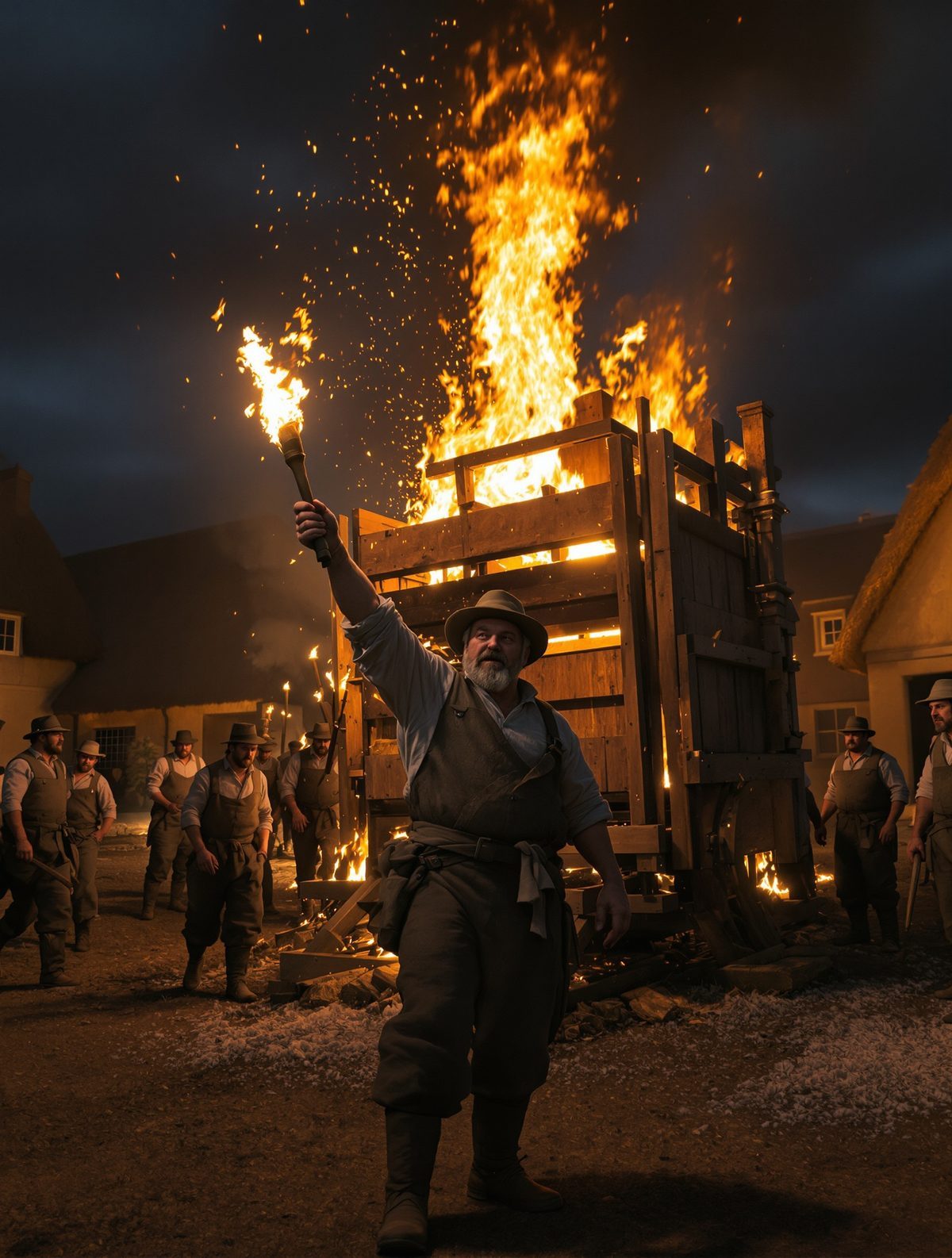
April 1812. Two hundred men marched through the Yorkshire dark. Hammers ready. Rawfolds Mill stood ahead. The mill owner had prepared. Shots rang out. Two men fell. The rest ran. But the movement never died.
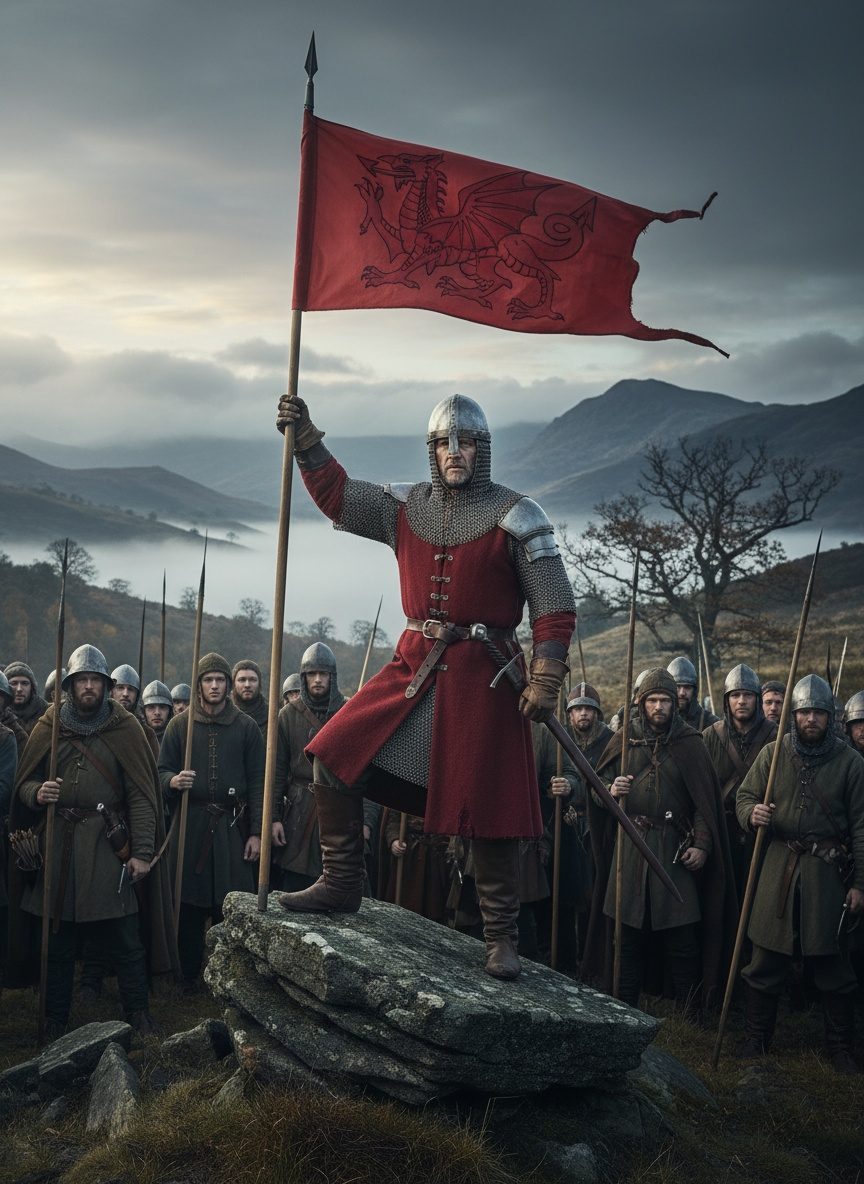
September 1400. A Welsh lord raised his banner. He had no army. No treasury. No foreign ally. Within weeks, all of Wales was burning. Owain Glyndŵr became the last native Prince of Wales.
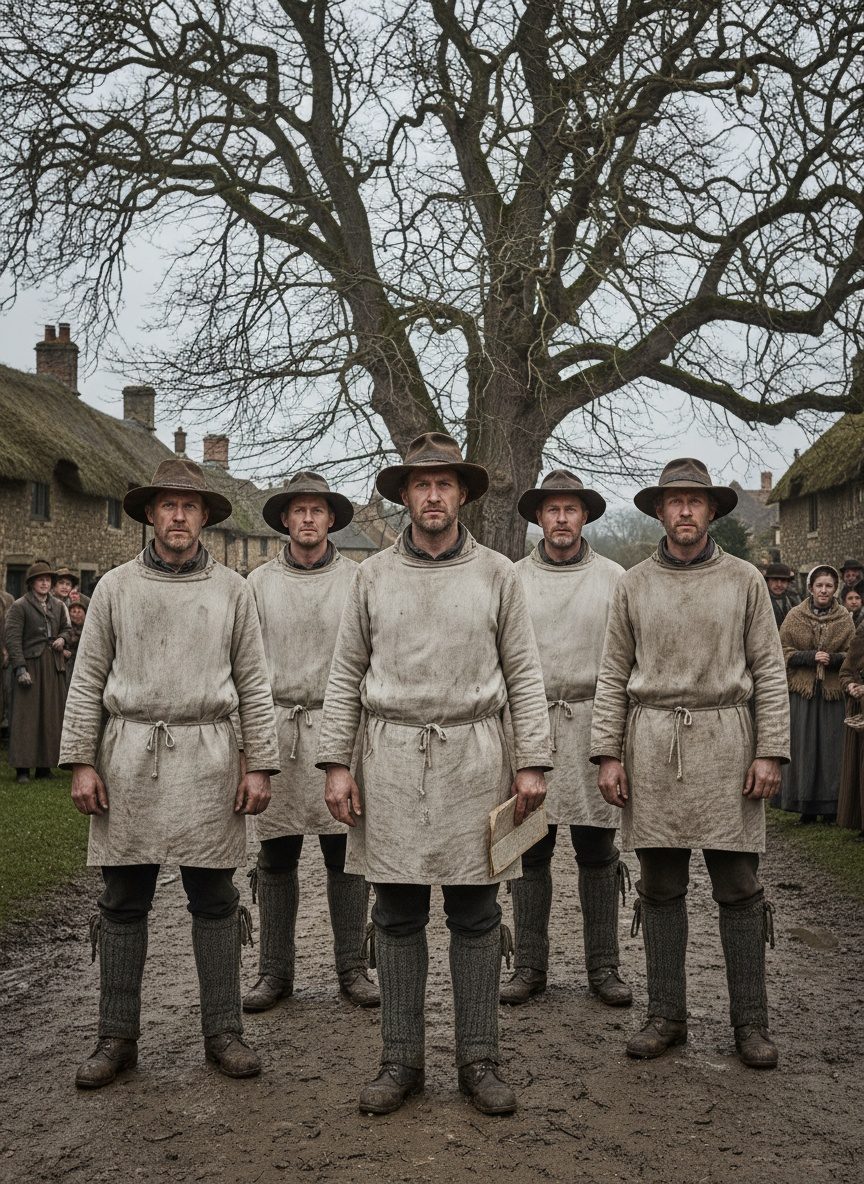
1834. Six Dorset farm labourers formed a union. The government charged them with treason. They were sentenced to seven years in Australia. They never broke. Britain erupted. They came home victorious.
In 1381, a Essex tax collector was beaten. Within days, 60,000 peasants marched on London. They burned the palace of the most powerful man in England. And a 14-year-old king rode out alone to face them.
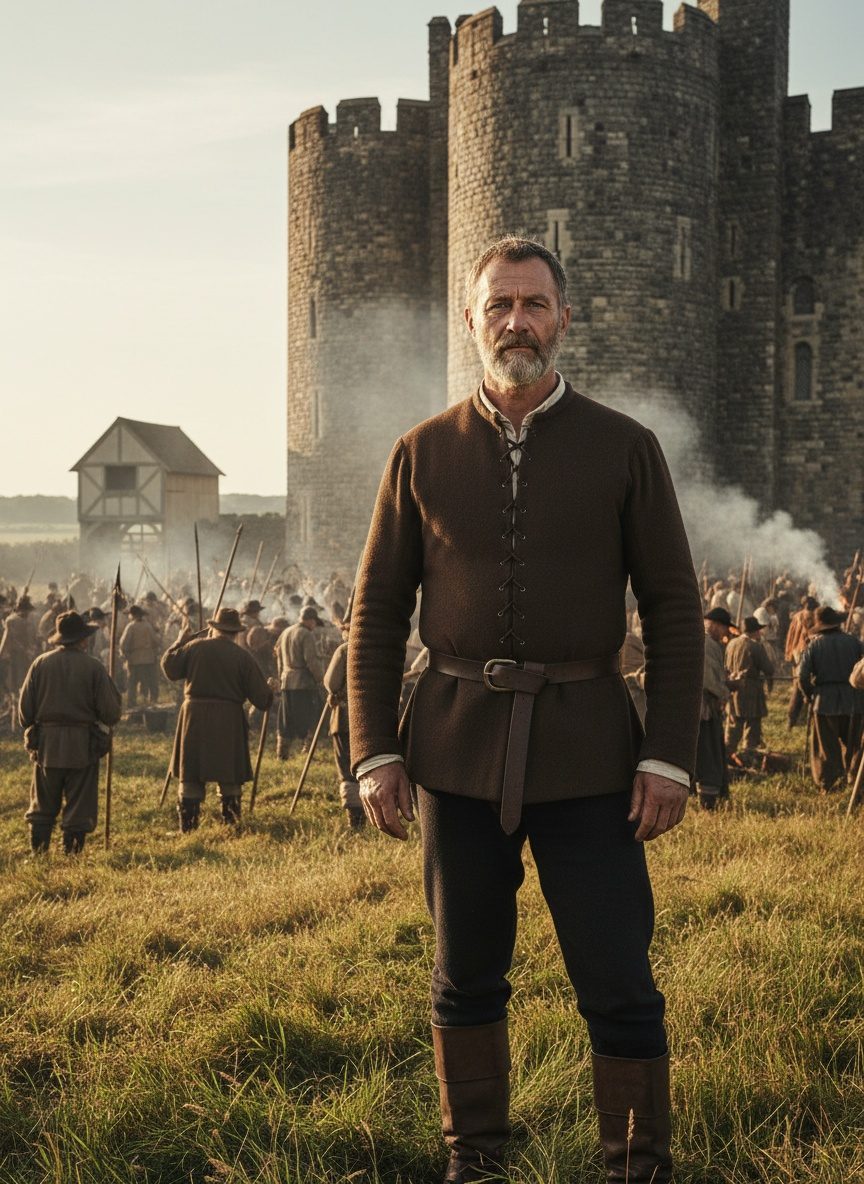
Summer 1549. A Norfolk tanner led 16,000 men onto Mousehold Heath. The king sent a herald with a pardon. Kett refused it. 'Kings' pardons are for criminals,' he said. 'I have done no wrong.'
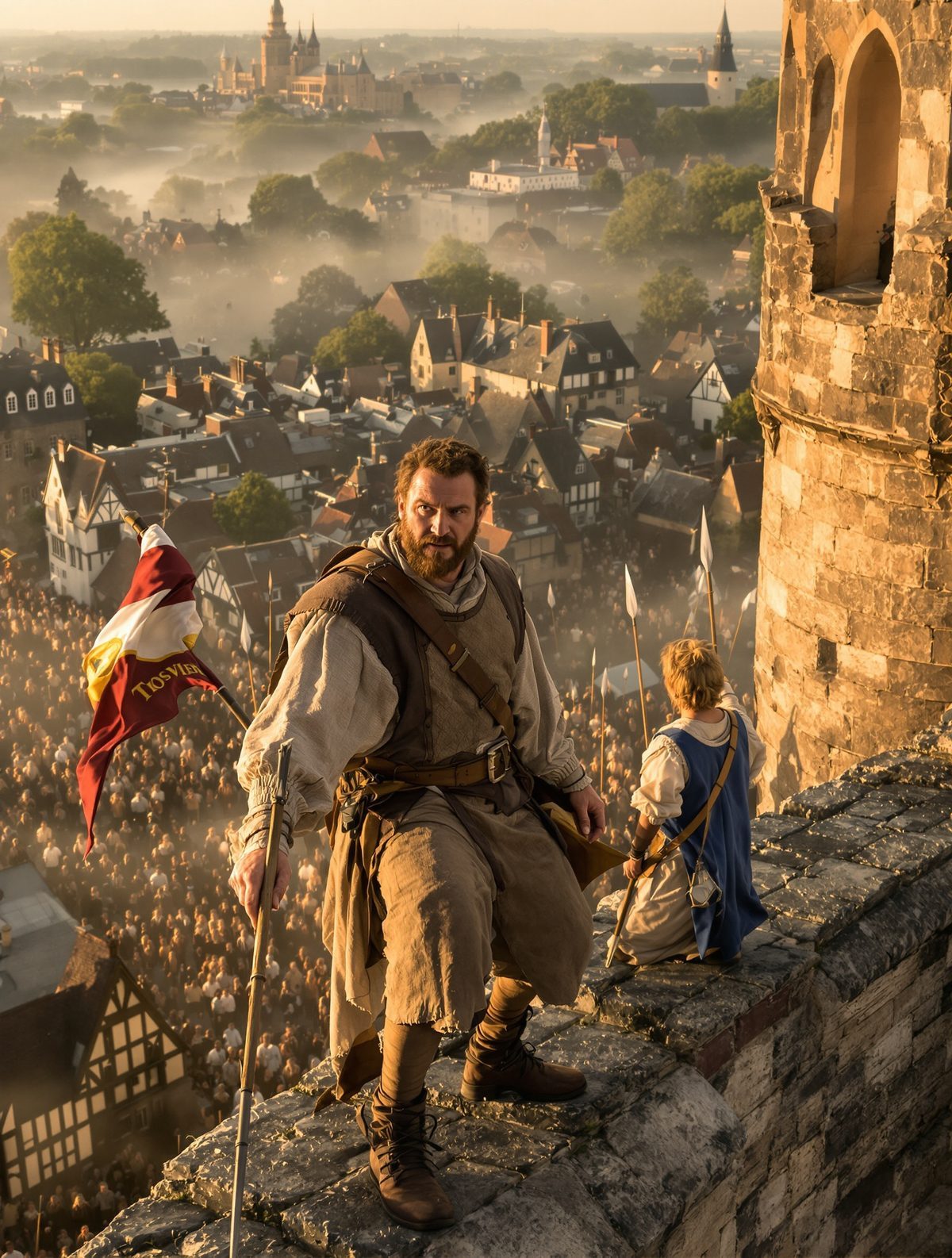
June 1381. A blacksmith's son led 60,000 peasants to London's gates. He rode alone to meet the King. For one moment — England held its breath.
He was a British knight. A celebrated humanitarian. The man who exposed Congo atrocities. Then Roger Casement chose Ireland. He walked to the gallows in 1916 — and refused to apologise for a single step.
In 1811, thousands of English weavers took hammers to the factories destroying their lives. They drilled at night. They left no prisoners. They called themselves the Army of General Ludd.
She was a widow. Flogged by Rome. Her daughters taken. So she raised 100,000 warriors and burned three Roman cities to the ground. Boudicca came within a breath of driving an empire from Britain forever.
1070. The Norman Conquest was complete. Every English lord had bent the knee. Except one. Deep in the Cambridgeshire fens, Hereward the Wake built an island fortress that William's cavalry couldn't reach.
August 1598. The Blackwater River ran red. Hugh O'Neill's Irish rebels had lured Marshal Bagenal into the perfect trap. 2,000 English soldiers lay dead in the bog. Ulster was free.
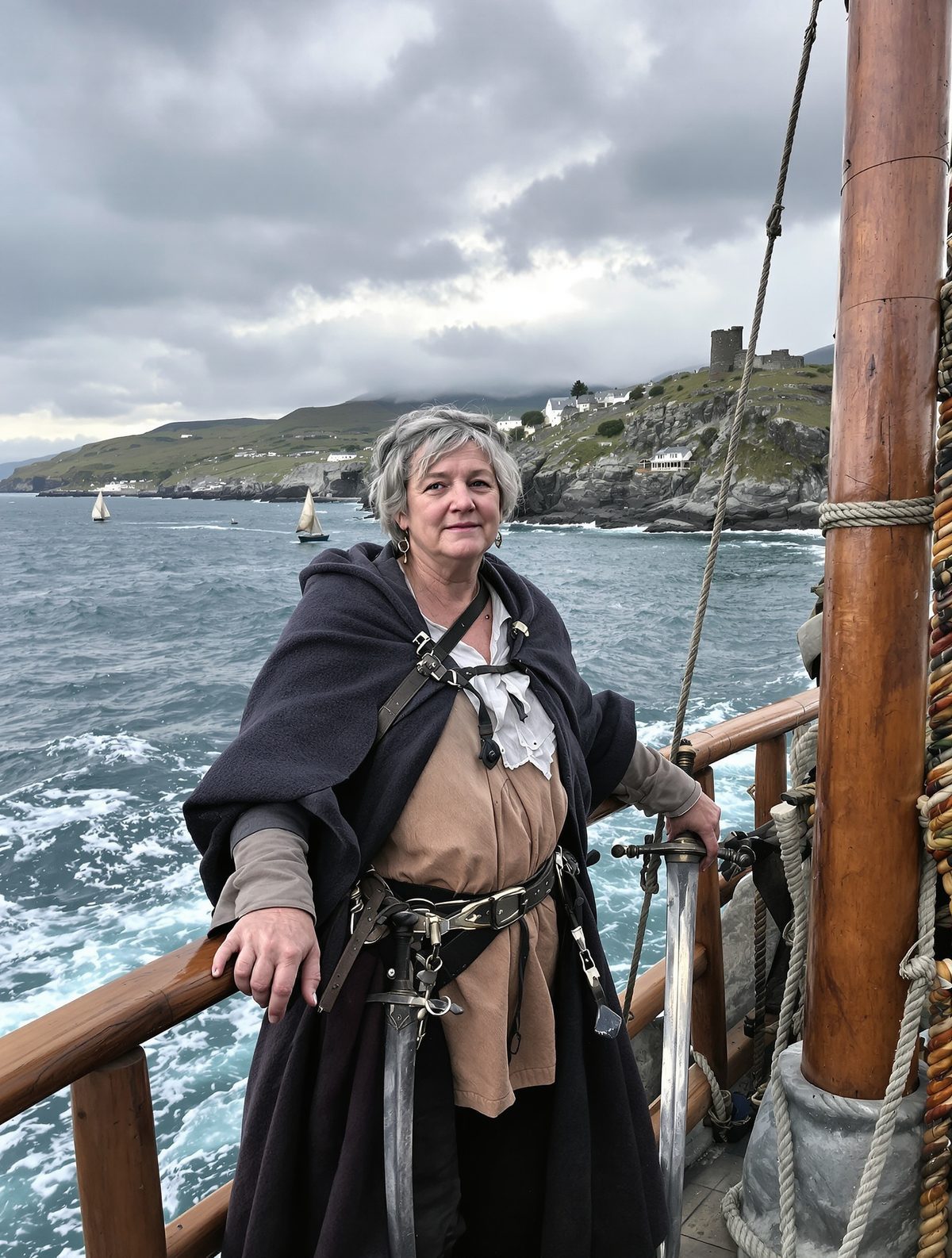
Grace O'Malley commanded 20 galleys from her island fortress. The Pirate Queen of Connacht raided English ships for decades. In 1593, she sailed to Greenwich Palace to negotiate face-to-face with Elizabeth I herself.
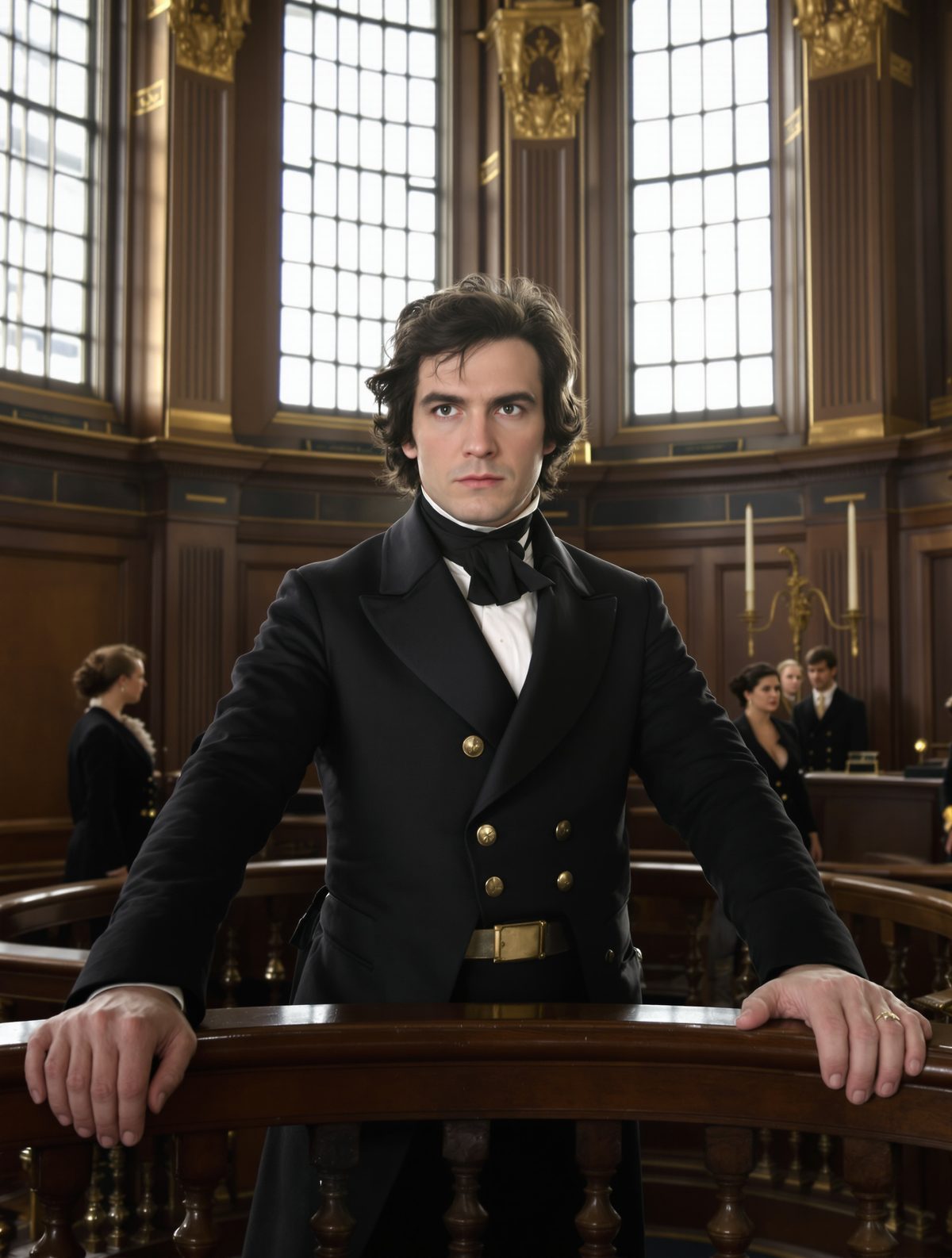
The Young Ireland leader raised his pen like a sword. His newspaper called for armed revolt against British rule. The Crown charged him with treason felony. At his trial, Mitchell smiled. 'The British Empire is too weak to hang an Irishman for loving Ireland.'
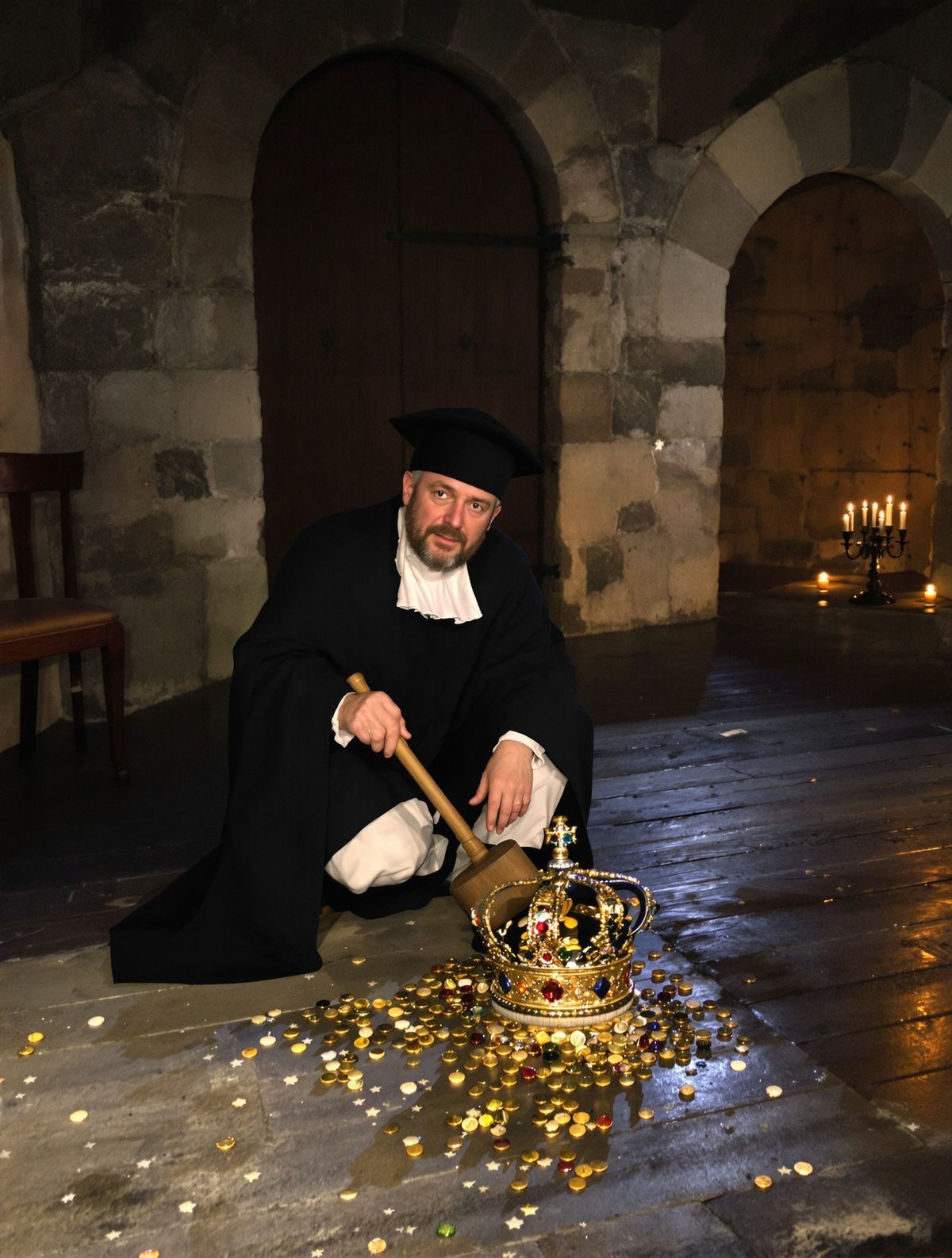
Captain Thomas Blood disguised himself as a clergyman. He befriended the Tower's Keeper for weeks. On May 9th 1671 he flattened the Crown with a mallet. Stuffed it under his coat. Nearly escaped with England's most sacred treasure.
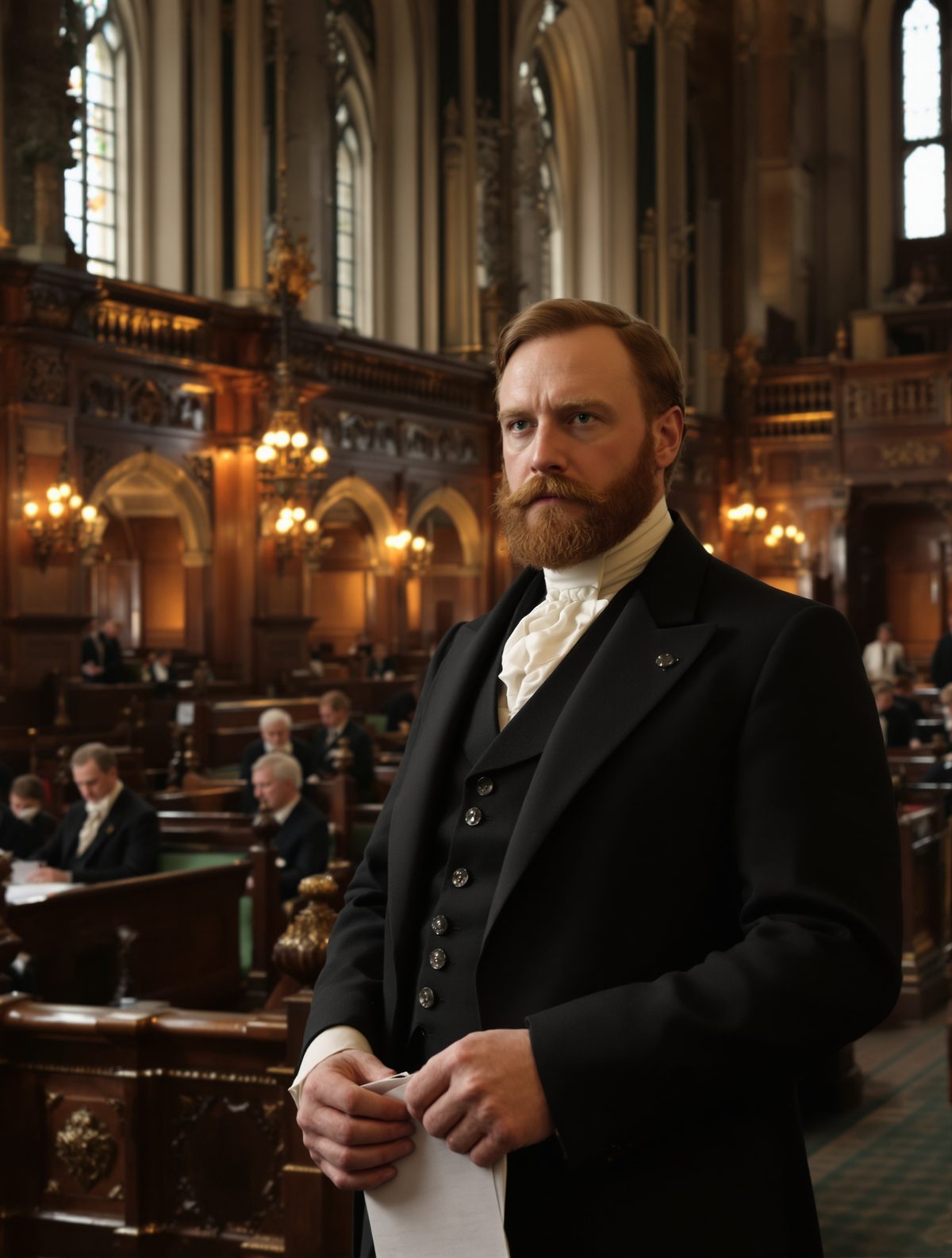
December 1885. The British election results are in. Neither party has a majority. One Irish MP holds the balance of power. Charles Stewart Parnell commands 86 votes. His decision will make or break governments. Home Rule hangs in the balance.
A blacksmith from Kent marched 100,000 peasants to London's gates. They demanded freedom from serfdom. For three days, they controlled the capital of England.
A Kentish blacksmith named Jack Cade raised 40,000 peasants against corrupt nobles. They marched on London. Seized London Bridge. Executed the King's treasurer in Cheapside. For three days, peasants ruled England's greatest city.
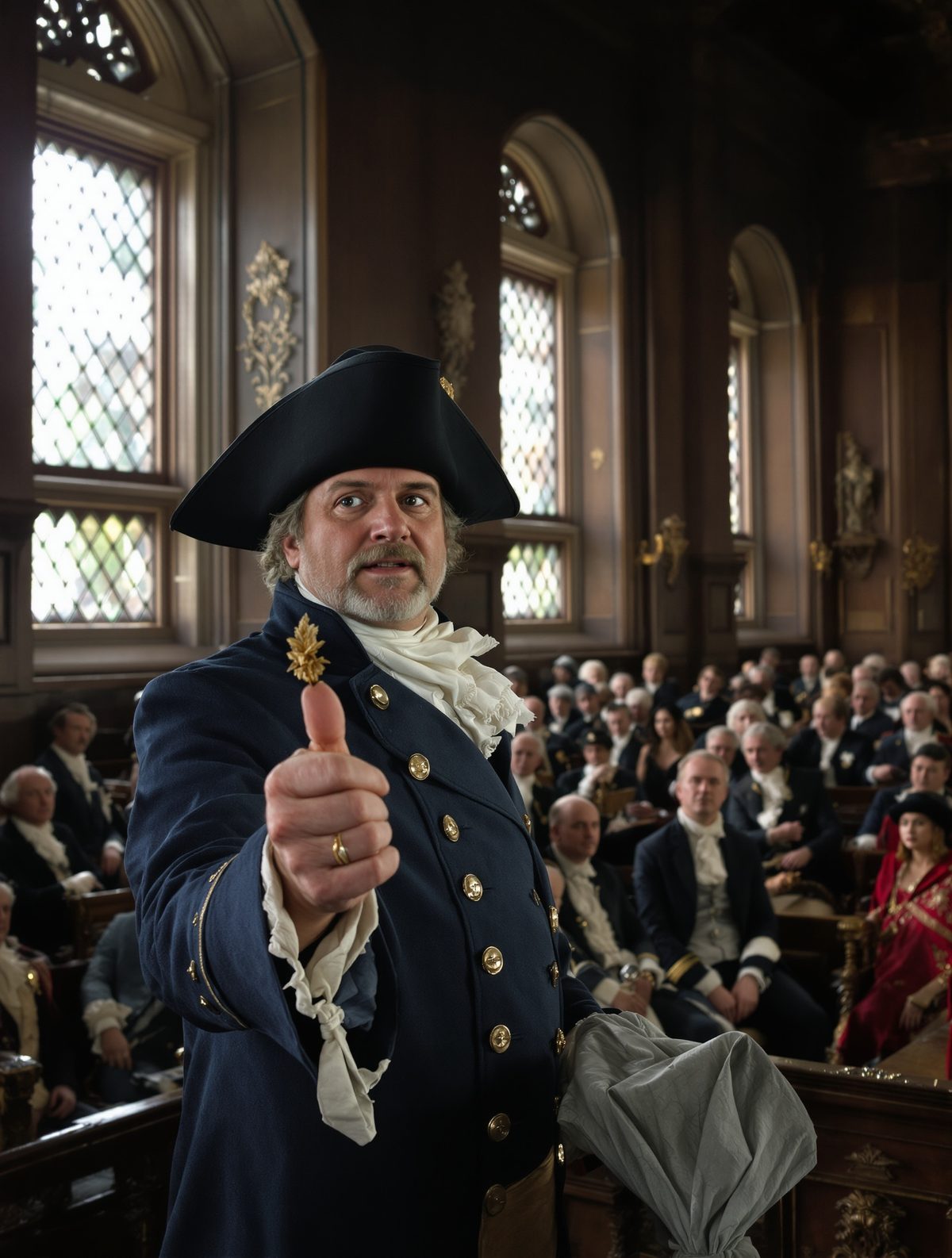
Spanish coastguards boarded Jenkins' merchant ship in 1731. They accused him of smuggling. Cut off his ear with a cutlass. Seven years later he showed the severed ear to Parliament. Britain declared war on Spain the next day.
In 1549, Norfolk tanner Robert Kett tore down his own enclosure fences. Within days, 16,000 peasants followed him. They seized Norwich, England's second largest city. For six weeks, they ruled from the castle.
Six million workers signed the People's Charter demanding votes for all. Feargus O'Connor planned to march 150,000 Chartists to Parliament. The government called out 85,000 special constables. London braced for revolution.
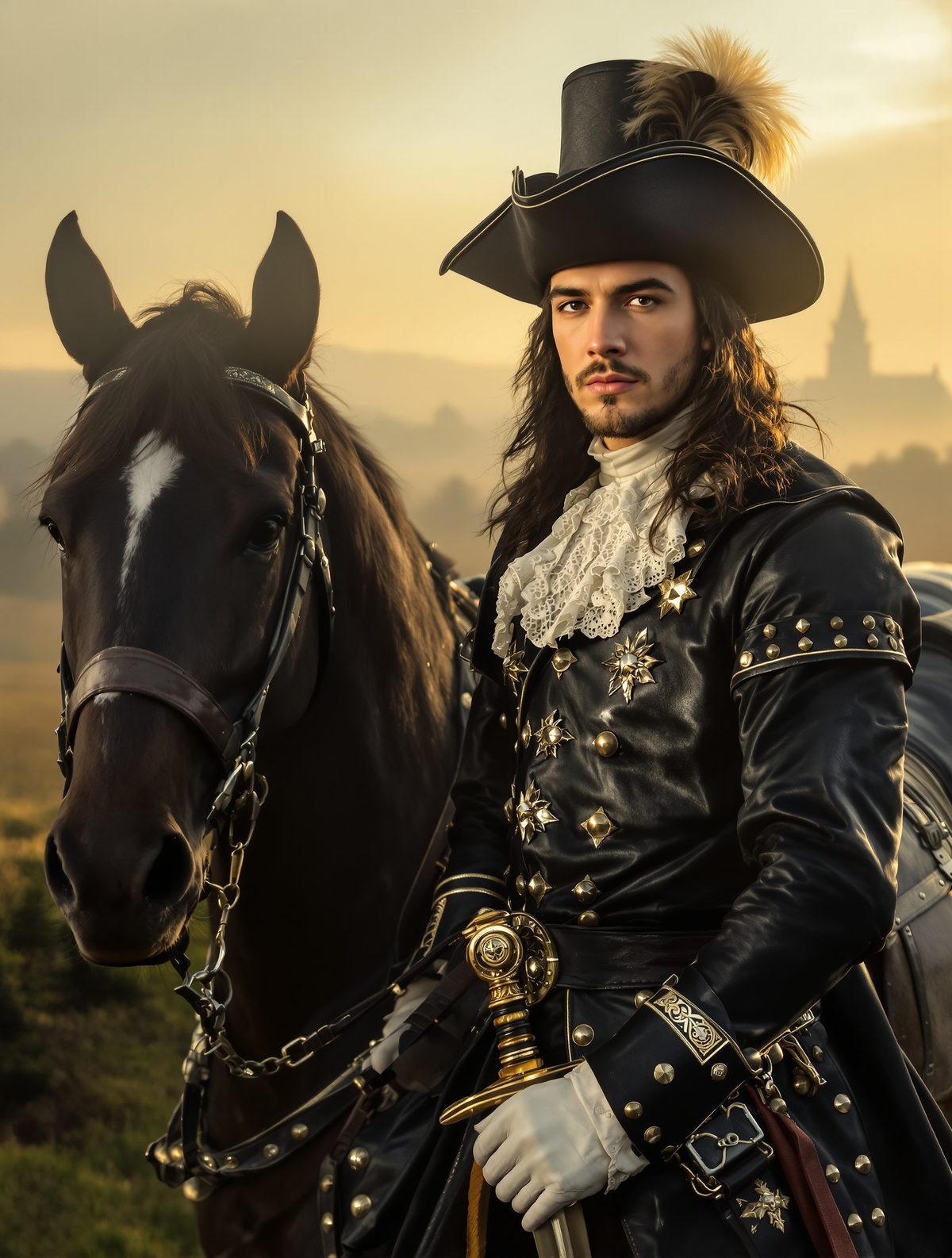
Prince Rupert of the Rhine brought military genius to his uncle King Charles. At 23, he revolutionized cavalry tactics. His charges broke Parliamentary lines across England. But his greatest weapon wasn't his sword—it was his scientific mind.
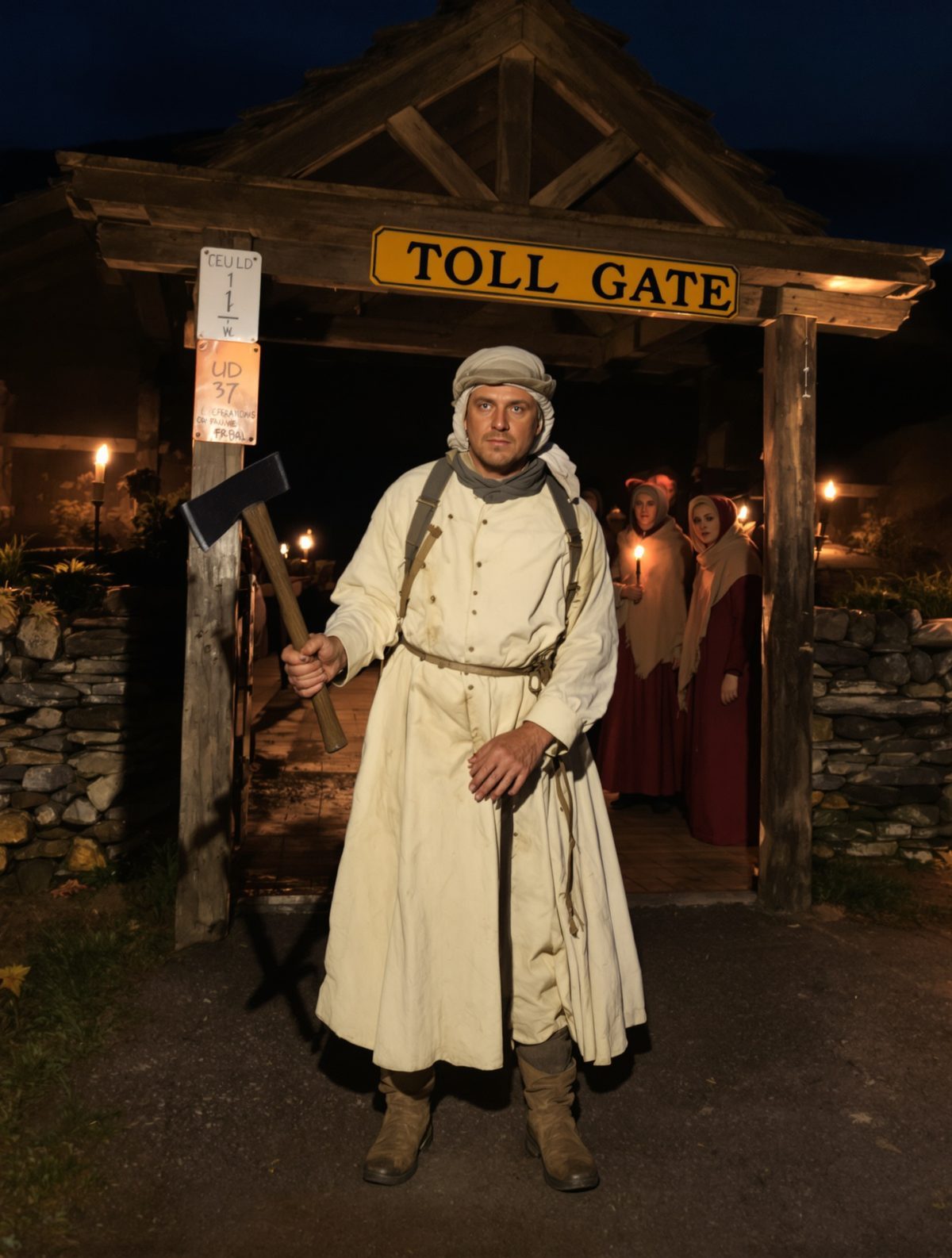
1843. Welsh farmers dressed as women to destroy toll gates. They called themselves the Daughters of Rebecca. Their leader wore a white gown and bonnet. By night they rode to free Wales from crushing road taxes.
Farm workers across southern England rose in secret revolt. They called themselves Captain Swing. No such captain existed. But his army burned 400 threshing machines in six weeks.
Lady Constance Lytton knew the prison guards treated aristocrats gently. So in 1910 she disguised herself as 'Jane Warton', a working-class seamstress. She got herself arrested for suffragette protests. The brutal force-feeding she endured exposed the class system's hypocrisy.
No one knew his real name. No reward could catch him. For two decades, 'Captain Rock' led Ireland's most feared secret society. His underground army of peasants struck by night. Burning estates. Threatening landlords. Defying the Crown.
Lady Constance Lytton had a heart condition. Prison doctors treated her gently because of her title. So in 1910 she returned as 'Jane Warton' - a working-class seamstress. This time they force-fed her brutally.
After the 1798 Rising failed, Michael Dwyer vanished into the Wicklow Mountains. For fourteen years he evaded 10,000 British troops. Local farmers fed him in secret. He became Ireland's most wanted man.
Thomas Addis Emmet watched his brother die for Irish rebellion in 1803. Napoleon offered him command of the Irish Legion in 1804. Instead he sailed to America. Became New York's top lawyer. Chose exile over revenge.
A 17-year-old girl dragged coal carts through mine tunnels on her hands and knees. When Parliament asked about her life, she spoke just four words. Those words sparked a revolution that freed 250,000 children from Britain's darkest depths.
February 1820. A radical shoemaker rented a stable in Cato Street. His plan: assassinate every Cabinet minister at dinner. Blow up the government. Start a revolution. One anonymous tip changed everything.
1798. Revolutionary Wolfe Tone returned from French exile with enemy ships. His mission: liberate Ireland from British rule. Captured in French uniform off the Irish coast. Faced treason trial in Dublin. Chose death over the hangman's rope.
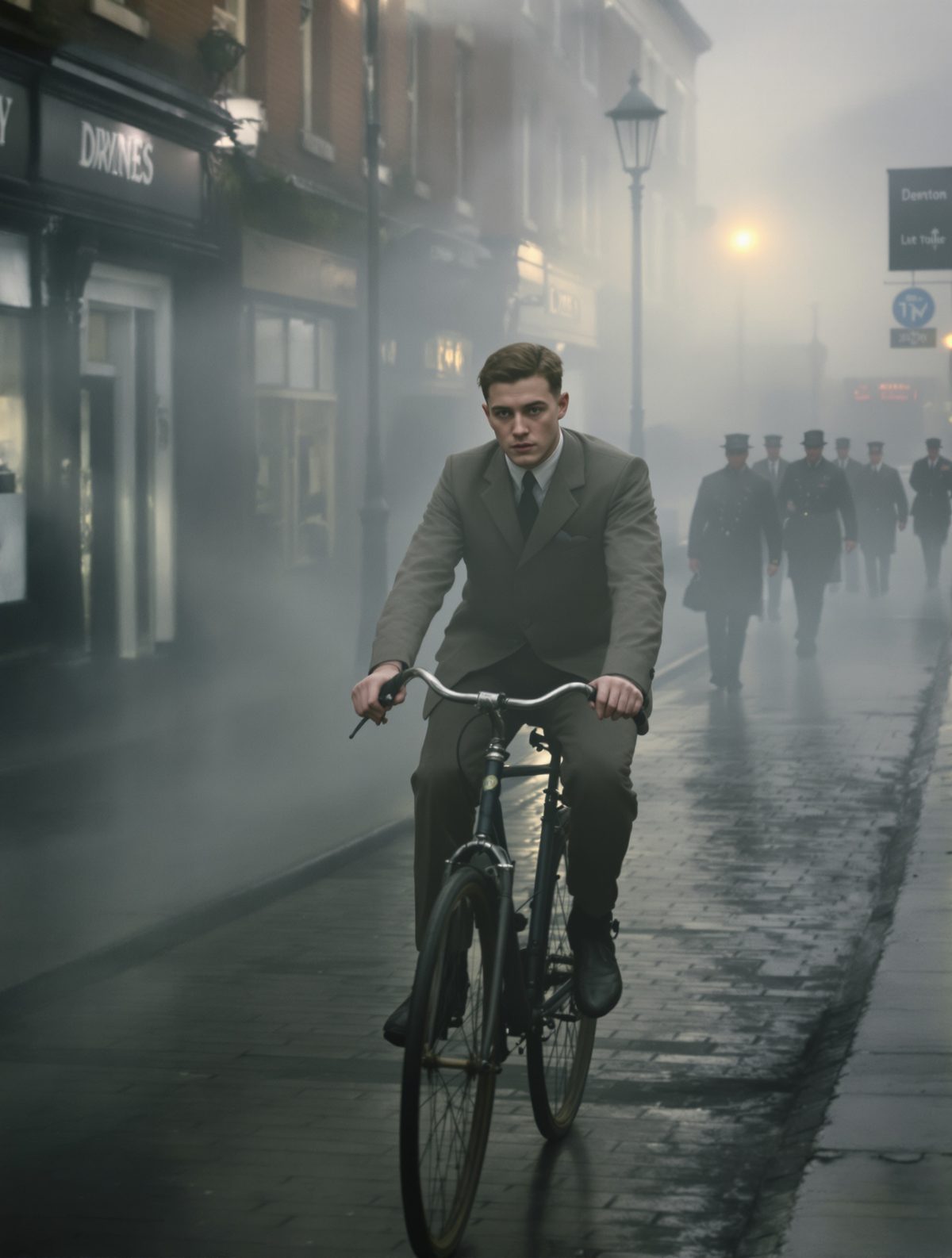
Michael Collins had a £10,000 bounty on his head. British forces searched Dublin daily. He cycled past checkpoints. Attended meetings in government buildings. Even had tea with searching officers.
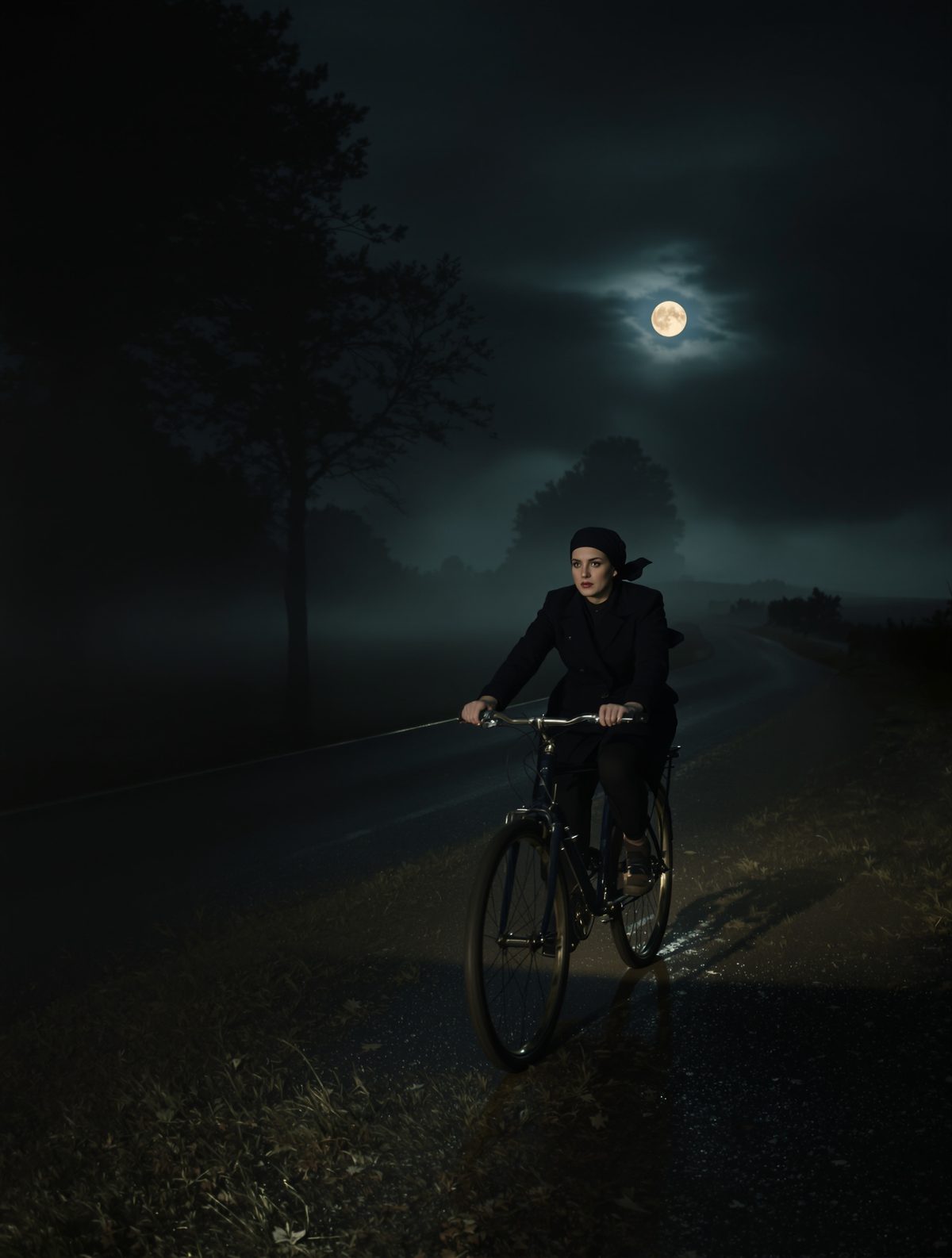
April 1944. The Gestapo's most wanted woman needed new radio codes. Nancy Wake grabbed a bicycle. She pedaled 300 miles through occupied France in 71 hours. Past Nazi checkpoints. Through enemy territory. To save the French Resistance.
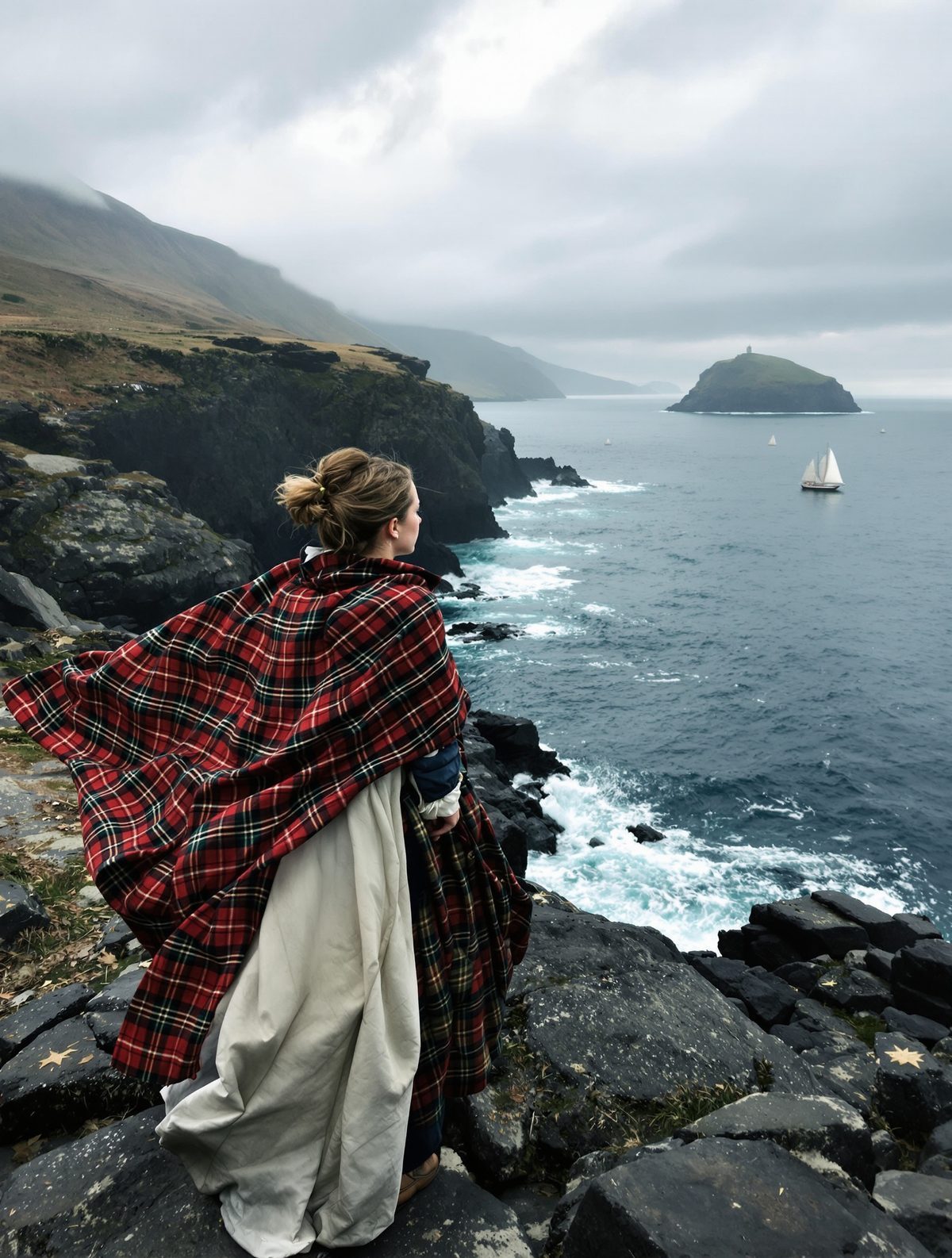
After Culloden's defeat, Prince Charles was hunted across Scotland. Flora MacDonald disguised him as her Irish maid. They sailed through British warships to safety. She risked her life for a lost cause.
Hand-picked from Britain Untold's archive. The stories you weren't taught at school. 3-minute read.
No spam. Unsubscribe in one click. We hate spam too. Privacy Policy.