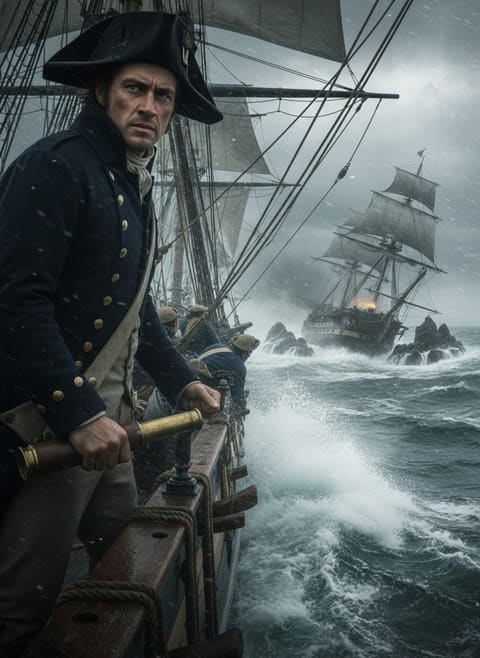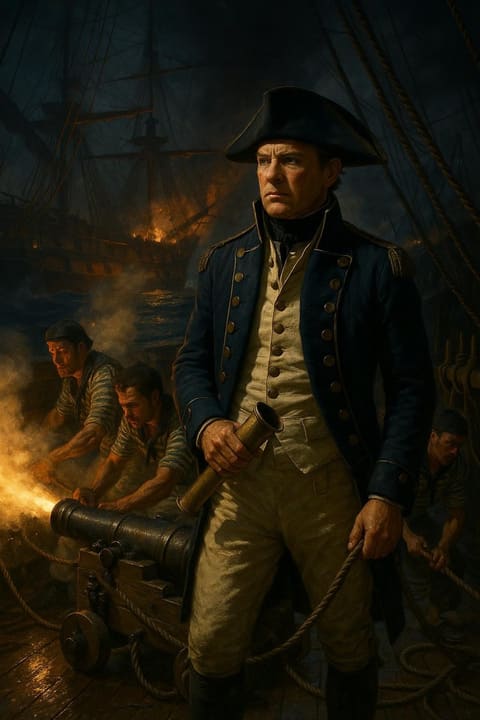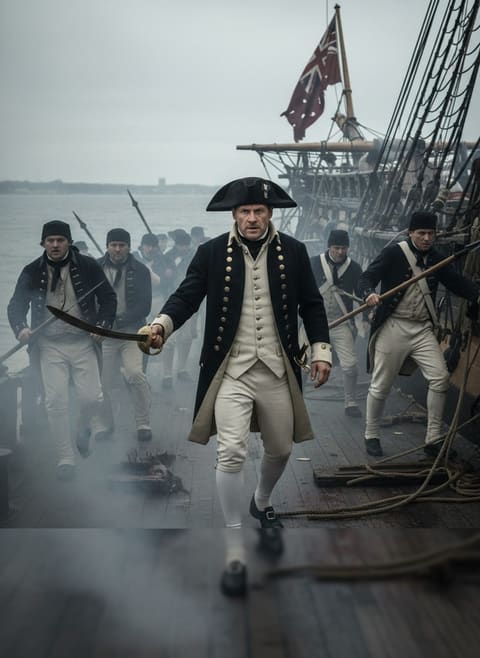
The Atlantic thrashed and churned with relentless fury, as nature whipped the ocean into a chaotic froth under a sky haze-grey with storm clouds. Waves towered and crashed with a booming chorus, as chilly winds howled their dominance over the seas. Amid this tumult, the British frigate HMS Indefatigable swayed with intrepid resilience, its sails furled tight, its crew gripping the gunwale, peering grimly into the tempest. October 1797 would not see pleasantries between long-standing foes. Yet, surprisingly, Edward Pellew, captain of the Indefatigable, ordered a daring act of mercy that would weave a tale of uncommon valor into the rich tapestry of naval history.
A Cry Amidst the Waves
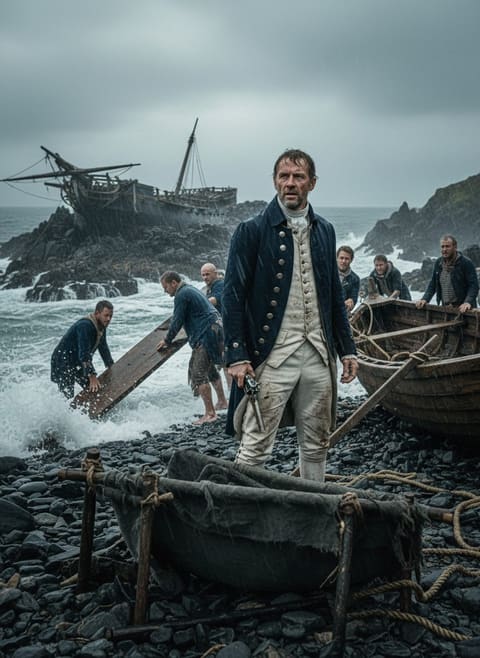
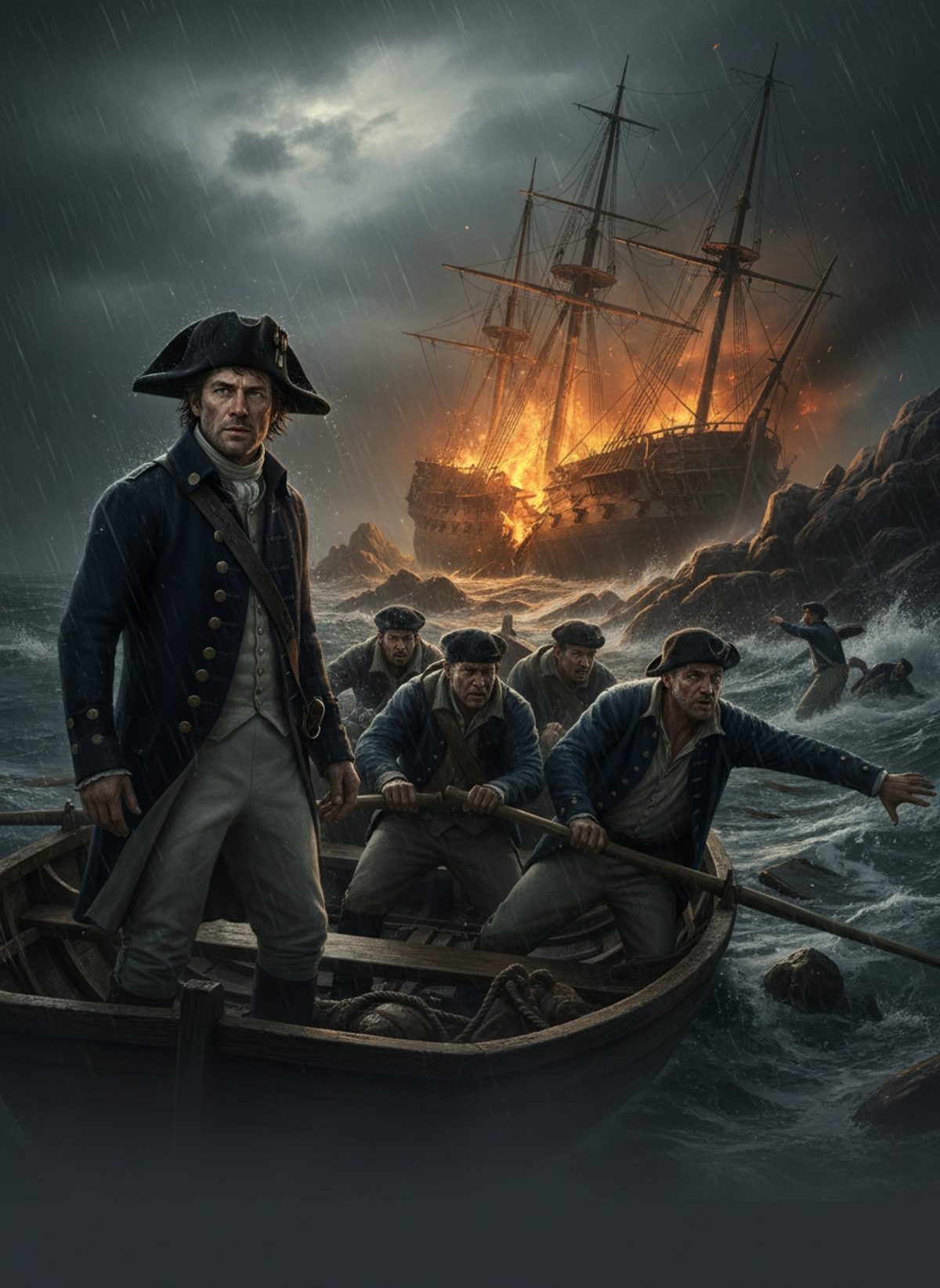
The roiling Atlantic had not been kind to the French fleet withdrawing from an unsuccessful campaign. Among them, the French ship of the line, Droits de l'Homme, battled both the tumultuous sea and pursuing British vessels. Crippled by fierce engagements and merciless waves, it found its end not on the seas, but on unforgiving rocks. Thrashed by relentless waves against the crags, the ship became a furnace—a bleeding wound of fire amidst the torrent.
As night fell on that terrifying scene, the French sailors found themselves clinging to fading hope—trapped not just between life and death, but amidst the crushing jaws of enemy and storm. For those on the rocks, cries were swallowed by the roar of the churning sea, their frailing vessel no longer recognizable, morphed instead into the wreckage of dreams scattered across the water.
Despite such ferocity and far from friendly shores, an unlikely flicker of humanity emerged. Captain Pellew watched the chaos unfold, calculating the risk even as his heart dictated haste. Orders barked across the decks of the Indefatigable—it was a call to arms not against flesh, but to defy the sea itself. What followed was a courageous undertaking only few in history could imagine, let alone attempt.
Read next: When Piper Findlater Played On With Two Bullets in Him, 1897
The Race Against Neptune
Under Pellew's resolute command, boats were launched into the raging sea, manned by determined sailors who rowed with the fortitude of their proud naval traditions. The task was nothing short of Herculean—each man braved waves that loomed like cruel titans poised to devour them whole. Surging plumes of saltwater drenched them, testing their resolve as muscles strained against nature’s brawn.
The sight was frighteningly beautiful—twisting hulls, splintered wood, and masts jutting awkwardly from the pierced skin of a ship whose sails were once full of ambition. Yet, courage thrummed beneath the surface chaos, a beacon more potent than the brightest lighthouse. Row by punishing row, the British sailors pulled men from the freezing embrace of the Atlantic, grasping hands that trembled with fear and fatigue.
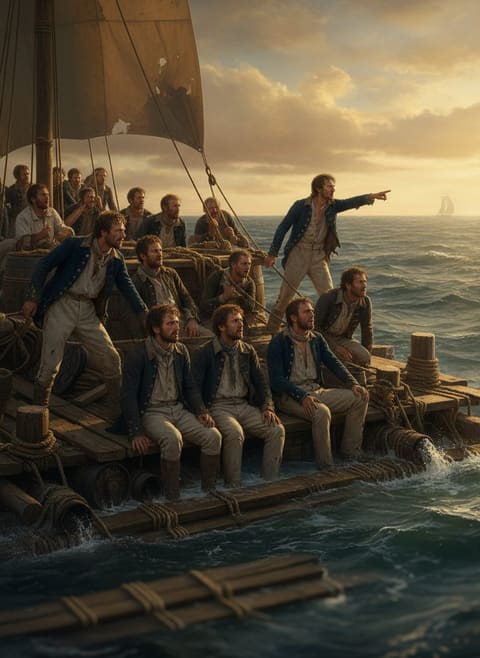
One by one, French sailors were dragged from Neptune’s grip, the wine-dark sea reluctantly surrendering its claim. With each soul brought aboard, the Indefatigable became an ark—floating not in defiance, but in communion with a sworn foe. The British sailors' uniforms were drenched not with combat, but heroism wrought through empathy, marking this night a chapter in naval folklore.
Read next: When Cochrane Bluffed a Fleet With a Single Frigate, 1801
The Bonds Forged in Tempest
Morning brought a softer light, the sun peeping through the dissipating clouds, revealing the aftermath of a night like no other. The figures who had once been adversaries stood now as brothers, bonded by shared trauma and salvation. As they caught their breath, weary arms cast lines that once knew steering but had grown skilled in saving. Of the crew from the Droits de l'Homme, an awe-inspiring 278 souls owed their lives to the hands of those they had called enemy.
This tale of courage amidst calamity became a whispering amongst sailors and statesmen alike, an echo down the corridors of naval history not saturated with battles and bloodshed, but with humanity and heroism. Pellew's act of mercy exhibited the rarest jewel in the crown of wartime ethos, a refusal to let enmity extinguish empathy.
Why delve into this untold chapter tucked amongst legends of cannon fire and naval supremacy? Because it recounts a moment when the tides of hostility were stilled by the simple bravery of saving lives. It reminds us that even at the height of conflict, compassion can chart a course as profound as victory. When Pellew's sailors pulled a burning fleet from the sea, they sketched rare humility upon the canvas of history—a vignette where courage took the helm, steering humanity ever closer to its noblest self.