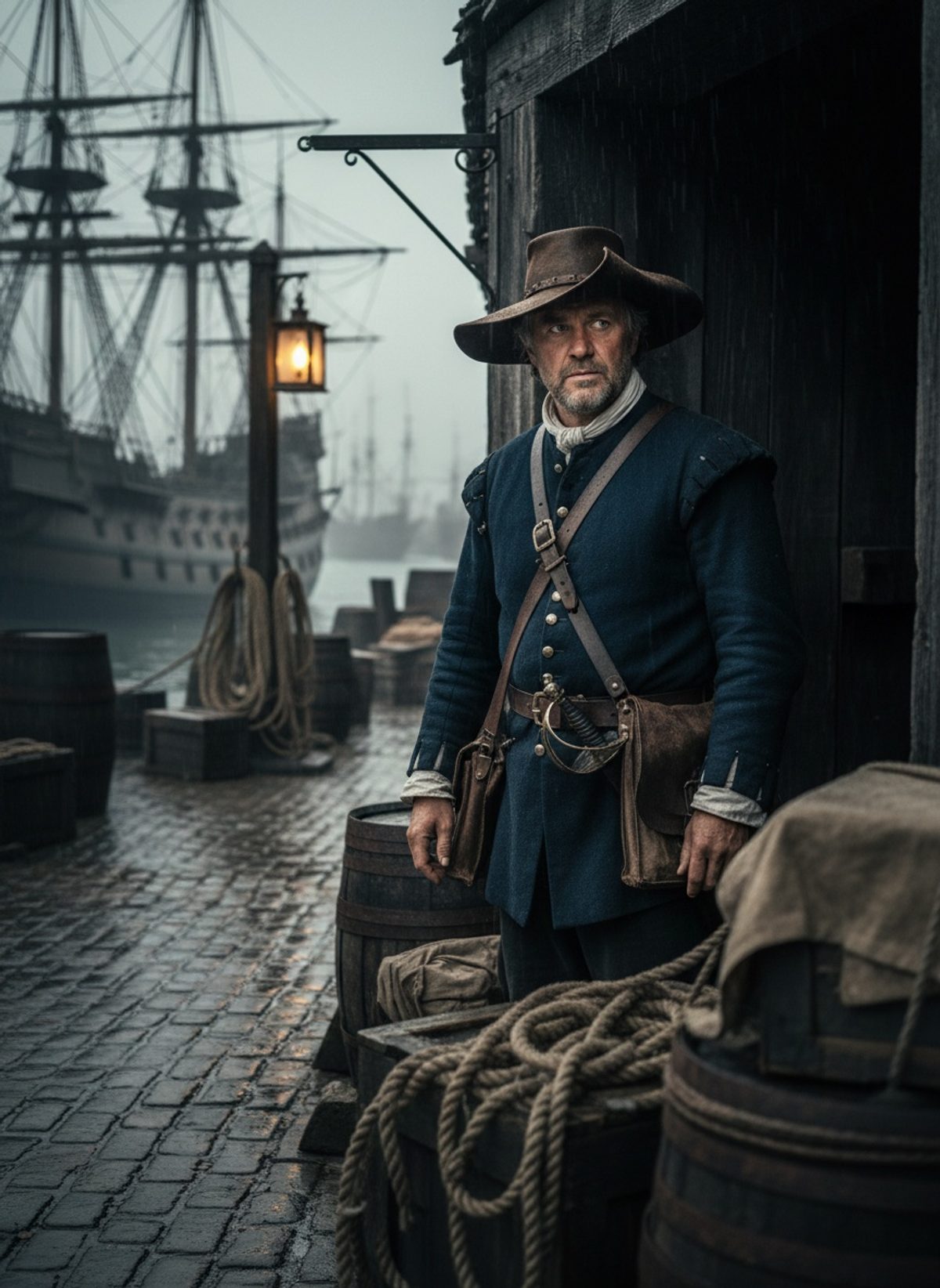
Amid the frostbitten wilderness of the Russian hinterland, a solitary horse-drawn sledge carved its path across the icy plains. The air was brittle with an unforgiving chill, and the overcast sky cast a dull silver light across the snow-covered expanse. A distant echo of sleigh bells, muted and eerie, whispered of a lonely voyage. It was here, in the heart of a landscape untouched by time, that an Englishman named Richard Chancellor pressed onward, driven by the relentless tides of ambition and survival. In the year 1553, against the formidable theater of the Arctic's frozen stage, a new chapter of history unfolded. Chancellor was on a fateful mission to forge links between two vast, burgeoning empires: Tudor England and Tsarist Russia.
Beyond the Horizon's Edge
It all began with the murmurs of England's hunger for trade expansion, a relentless quest to enlarge influence. With the conventional routes to the East infested with political and maritime treacheries, a daring plan emerged from the chambers of London's trading magnates: trace a northern route to the wealth of Asia. Richard Chancellor, amongst steadfast sailors aboard three ships, was chosen to lead this audacious venture into the icy unknown.
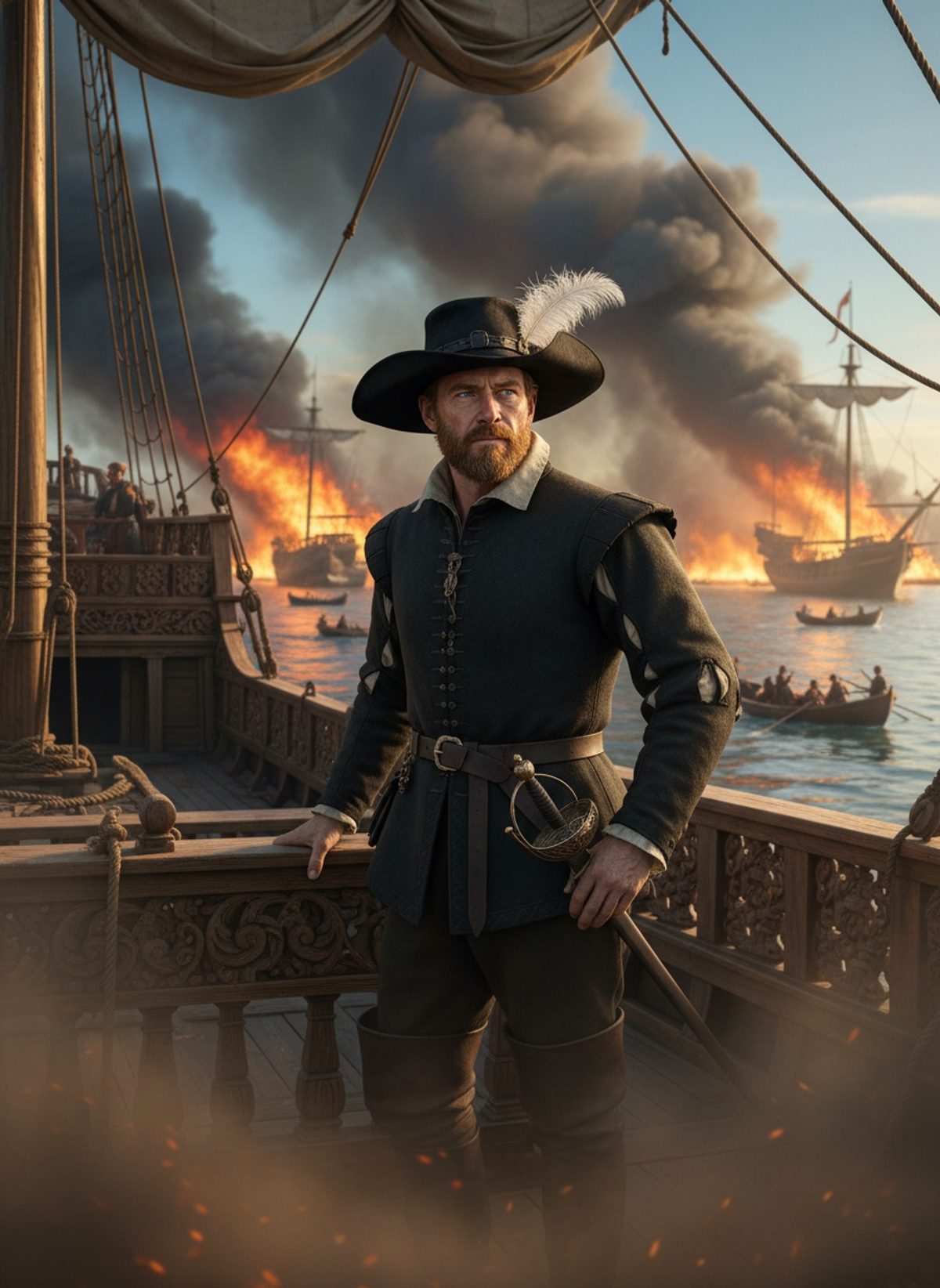
The voyage began as summer waned, departing from the clamor of the English coast to traverse the harsh labyrinth of the Arctic. The atmosphere was volatile; an ominous palette of storm and silence surrounded them. But the Arctic was merciless, the sea itself turning into an impenetrable wall of ice. Ships were swallowed by the unforgiving blizzard of frozen storms, leaving Chancellor, with sheer determination burning in his chest, to continue alone on the treacherous northern passageway.
The forlorn silhouettes of Chancellor's lost vessels haunted the icy expanse. With his company of soul-stricken men dwindled, each mile forward etched with grim resolve, Chancellor's journey became one of survival — not just for him, but for England's aspirations to open a backdoor to the world's riches.
Read next: When William Adams Built Japan's First Western Warship, 1604
Moscow: The Gilded Mirage
After arduous weeks battling the frost and hunger, the vast city of Moscow finally emerged from the white shroud of winter like a resplendent apparition. Here stood an epicenter of grandiosity, clad in illustrious shades of gold amidst the bleak grey sky. It was an improbable contrast to the frozen wastelands he had known; Moscow's opulence spoke of a powerful empire thriving amid Siberia's wilderness.
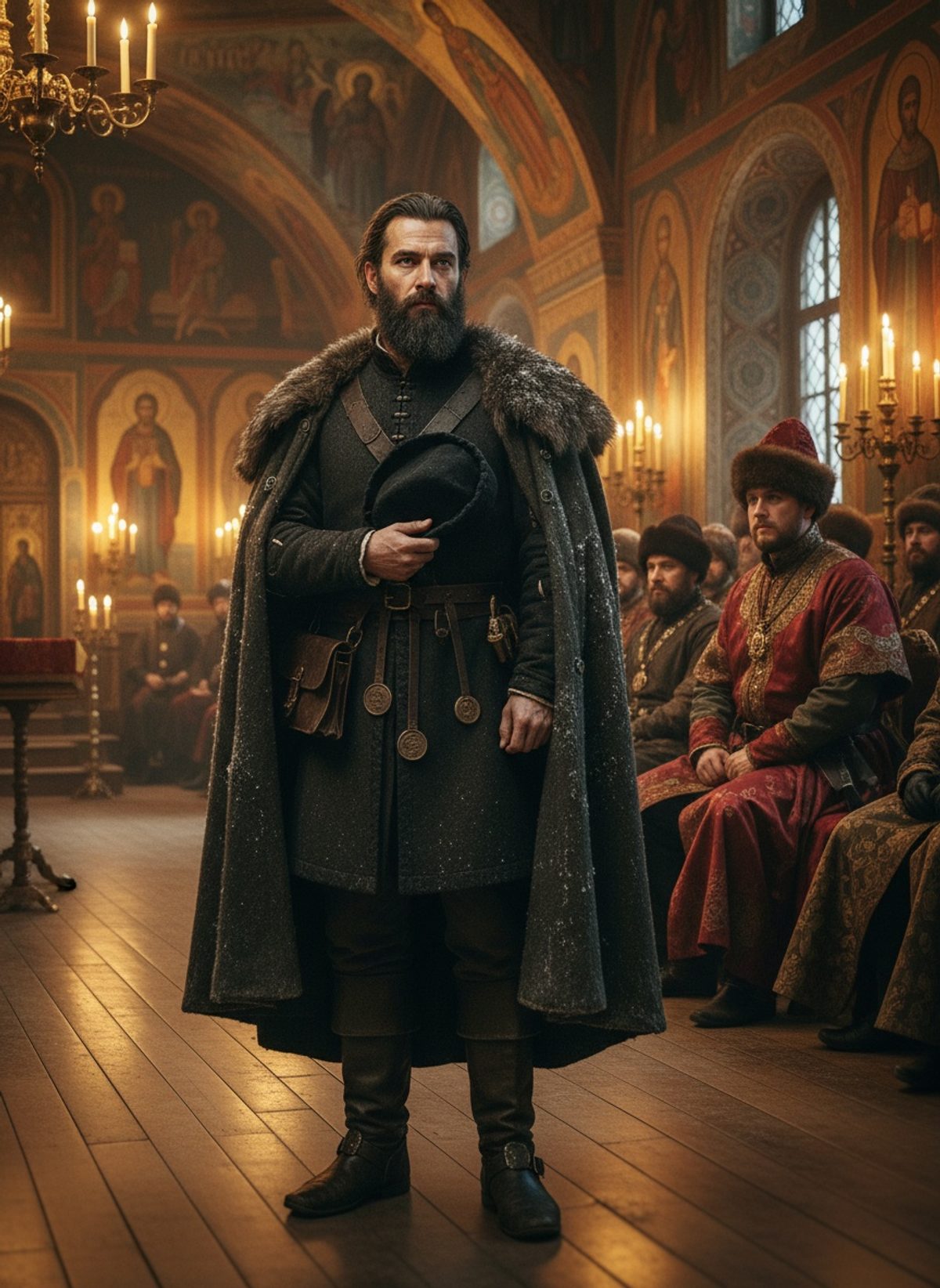
When Richard Chancellor passed through the imposing gates of the Kremlin, it wasn't just England's reach that had extended far beyond its shores; it was the first encounter that spanned the breadth of two worlds. The anticipation was palpable, a crescendo of diplomatic overture punctuated by the thrumming heartbeat of Moscow's imperial pulse. Chancellor stood ready to confront the formidable figure at Russia's helm — Tsar Ivan IV, known to history's echoes as Ivan the Terrible.
Under vaults adorned with gold leaf and silken tapestries, Chancellor was ushered into a hall where opulence was a declaration of sovereignty. The grandeur of the setting belied the tension within. Ivan, with eyes as piercing as the icy depths and a mind sharp with unforgiving resolve, was a ruler of unparalleled authority. He received Chancellor cordially, both aware that they stood before a significant crossroads of alliances.
Forging an Unlikely Alliance
In a world splintered by shifting power dynamics, this pioneering encounter between Chancellor and Tsar Ivan IV held the promise of mutual prosperity. Yet, it was also shrouded in undercurrents of skepticism and strategic calculation. Chancellor, embodying England's surging mercantile ambitions, broached the substantial prospects of establishing direct trade links between England and Russia. It was nothing short of revolutionary for both realms.
The discussions unfolded amid feasts that mirrored the splendors of Ivan's court. Platters laden with Russian delicacies and goblets brimming with mead served not just as lavish offerings, but as symbols of burgeoning diplomatic intentions. Chancellor, with poised rhetoric and the weight of England's expectations, presented gifts of superior English craftsmanship to the Tsar — a pledge of the quality and promise of future exchanges.
Ivan, ever astute and inherently mistrustful, considered the proposition with penetrating scrutiny. Yet, beneath the pageantry of diplomacy, an understanding was forged. The prospect of alliance represented not merely commerce, but the promise of strategic depth in a fractured Europe. This unwritten pact would grant England the much-coveted passage through the Russian hinterland, ushering in a new era of trade and exploration.
Ripples Across the Frozen Threshold
As Chancellor's venture into Moscow concluded, the echo of his footsteps rang with the promise of a strengthened England. It was the dawn of an era where the bonds of trade would amplify the ambitions of empires, bridging the formidable barriers of geography and climate that once stood insurmountable.
Richard Chancellor's expedition was an act of extraordinary endurance and vision, a humble seed planted amidst the harsh and unyielding soil of Arctic peril. It would grow into channels of trade that reshaped English economy, broadened its worldviews, and underscored the nation's emerging identity as a formidable maritime power.
The encounter between Chancellor and Ivan the Terrible remains a testament not only to human resilience but to the underlying currents that forever redefine relationships between distant lands. In the icy embrace of an Arctic venture, England had discovered its back door to the world — a transformation that irrevocably altered the course of history, rippling across the horizons where borders once stood unbreachable.