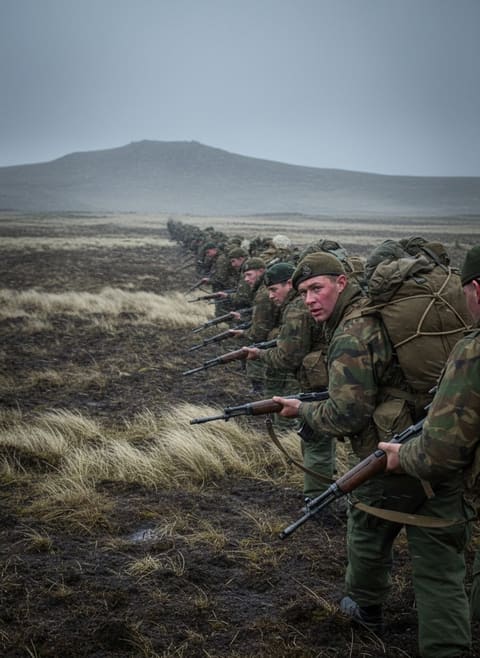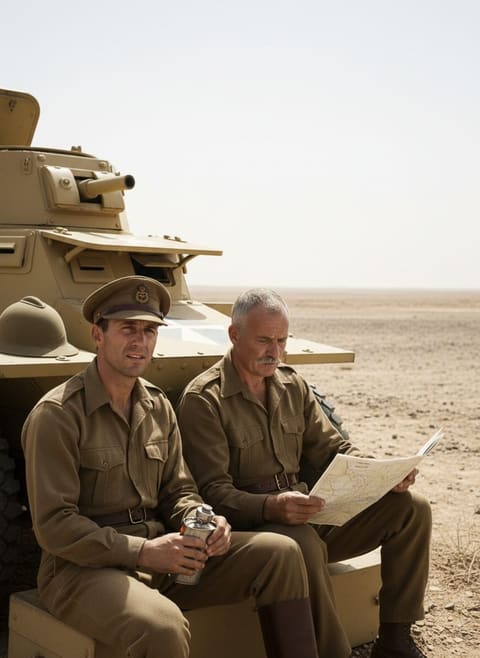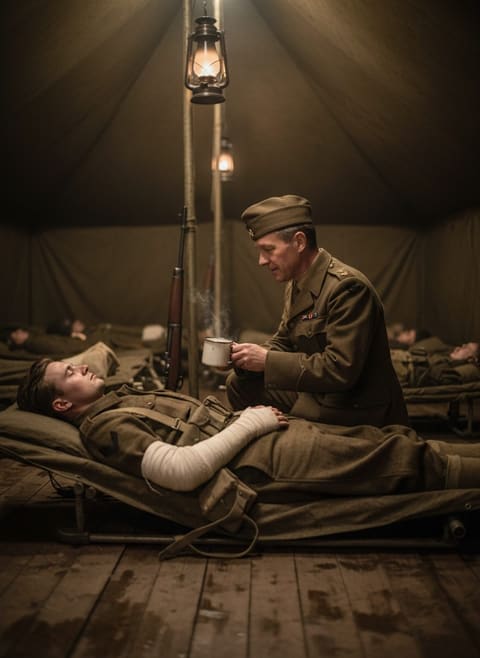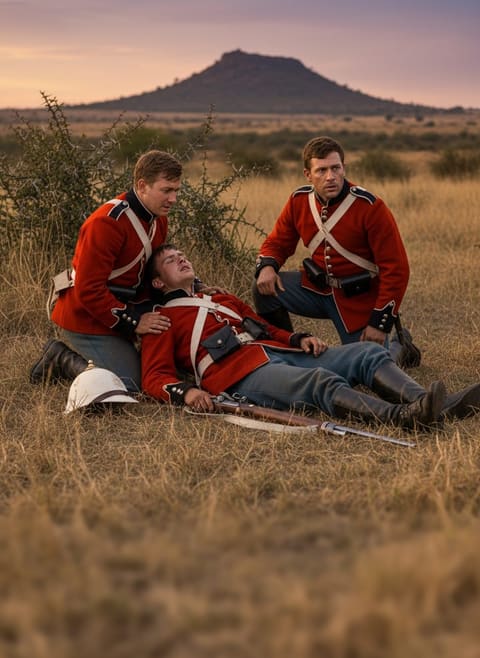
December 3, 1816. The cold wind cut sharply through the valleys of Nepal.
The Shadow of War
The Anglo-Nepal War lingered less in memory and more as a visible scar across the regions it touched. For two years, the British East India Company had engaged in combat against the Kingdom of Nepal, an arduous conflict that tested the mettle of both forces across the fortress-laden hills and dense jungles. The Nepalese Gurkhas, renowned for their valor and tenacity, stood resilient against British advancements, creating a mutual sense of respect among once-bitter adversaries. When the Treaty of Sugauli was signed in March 1816, few anticipated what lay ahead. It was a resolution born not of overwhelming victory but of grudging recognition of each side's steadfastness.
The soldiers of Nepal had defended their land with such tenacious ferocity that the British officers found it hard not to admire their spirit. Of these defenders, the Gurkhas emerged as figures of legend. The words of one British officer summed it up: "They are formidable soldiers in whom is found the perfect fusion of resolve, skill, and an indomitable spirit." These words, penned amidst heated skirmishes, would land not on the ears of the conquered but the floors of British clubs and council meetings. No sooner had the ink dried on the peace treaty than British thoughts turned from conquest to recruitment. The very men who had been their foes could become their greatest allies.
By autumn 1816, whispers that had carried through mess tents turned to loud requests. Letters streamed from British officers stationed in India to the administration in Calcutta, extolling the virtues of the Gurkhas. The idea of incorporating them into the ranks of the East India Company stemmed from a keen appreciation of their martial prowess and an understanding that these men could secure the often precarious borders of British India. It was a spark of foresight that would forge a storied legacy.
Read next: When Eleven Victor Tankers Carried One Vulcan to Stanley, 1982
A Test of Loyalty and Valor
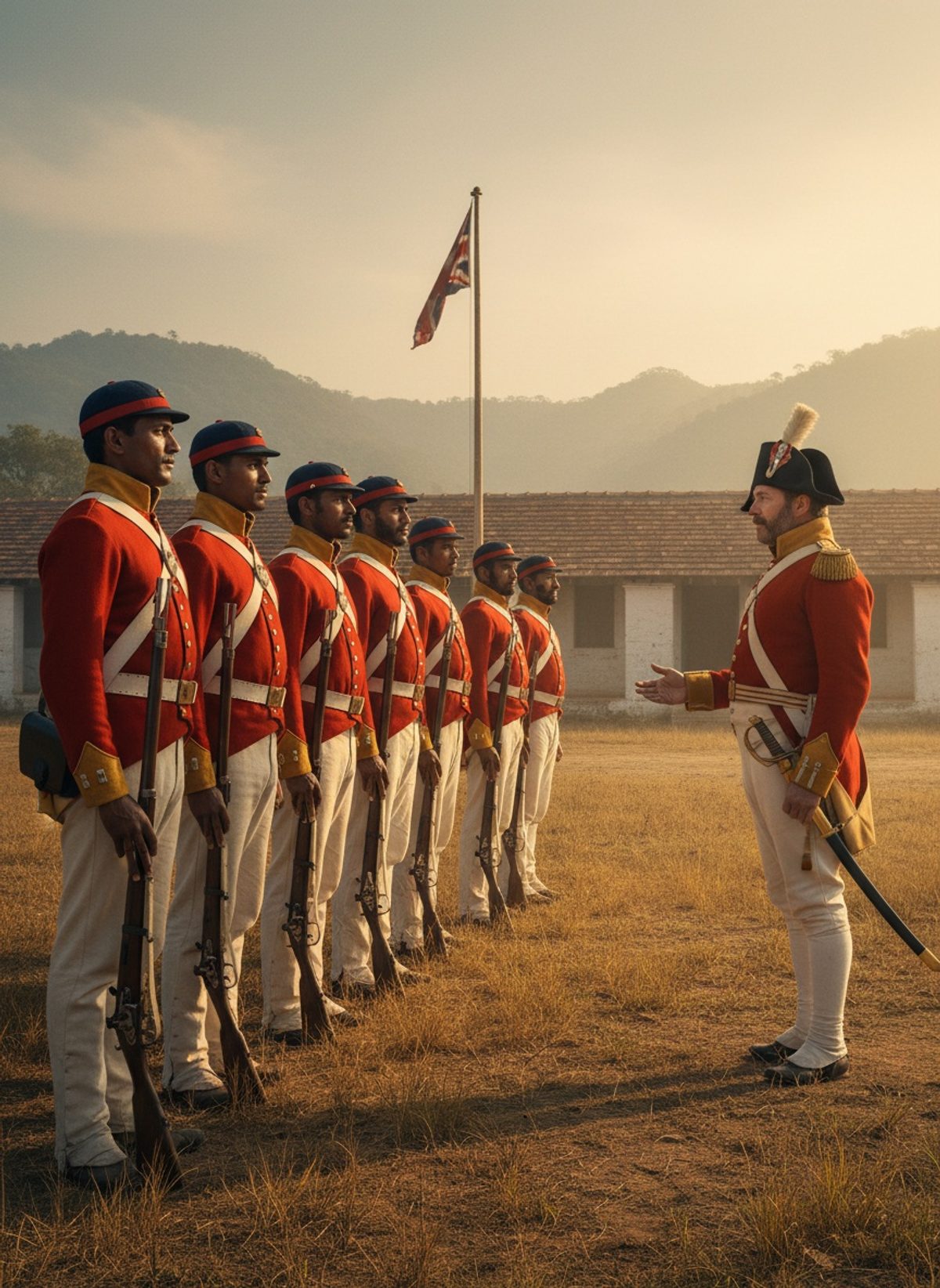
In the chaotic aftermath of the war, many Gurkha soldiers sought stability. The British promise of regular pay and the prospect of serving under a respected banner appealed to them. It was an opportunity not only for livelihood but to maintain the dignity of their martial heritage. Hence, when the East India Company formally called for recruitment, it was not an idle offering tempered by desperation. Instead, it was a structured enlistment that respected the valorous traditions the Gurkhas held dear.
The transition was not without its hurdles. Initially, skepticism abounded on both sides. The Gurkhas, having just resisted British imperialism, were understandably cautious. Meanwhile, several British officers, unfamiliar with the complexities of Nepalese society, harbored lingering doubts about their erstwhile enemies' loyalty. This was not to be a mere nominal integration but an earnest partnership on the battlefields. A careful process of selection was initiated. Recruits had to demonstrate not only physical prowess but also a commitment to the unique set of values that would dovetail with the disciplined environment of the British military.
The rigorous induction encapsulated a symbolic transformation of foes into comrades-in-arms. Those who passed endured arduous trials—both physical and strategic—that took them from mountain challenges to engagements resembling the fluidity of the campaign fields where they’d once fought the British. It was said among the officer ranks that a mere glance at the determined gaze of a Gurkha recruit was enough to assure even the most dubious commander of their unwavering dedication.
Read next: When the 15th Scottish Division Crossed the Odon at Dawn, 1944
The Legacy Forged
By the end of 1816, the first cohort of Gurkha soldiers stood not as an anomaly but as a cherished embodiment of the fierce companionship born of respectful rivalry, now wearing their cap badges with unparalleled pride. These furrowed paths marked the beginning of a relationship that would run deeper than mere military alliance. The introduction of Gurkhas into the British fold became an enduring testament to mutual respect forged in conflict and later strengthened through unity in purpose.
Their integration set a precedent, lending a new dimension to British military strategy in the region. Over subsequent decades, Gurkhas' exemplary service would become a linchpin not only in maintaining colonial security but also in shaping military ethos. Their distinctive blend of valor, humility, and resilience beneath the khaki of an esteemed regiment would echo across future conflicts, underpinning each with unwavering loyalty and unmatched skill.
This tale of transformation and cooperation is not merely a narrative of bygone days but a reminder of how perceived adversaries can, through deep-seated respect, become invaluable allies. In learning from their greatest challengers, the British found strength not just in arms, but in hearts and minds bound by enduring honor. It's a lesson gleaned from history, possibly left out from textbooks but etched indelibly in the annals of one of history's most fascinating military incorporations. As the crackle of cold December winds fades into history, so too does it carry the whispers of Gurkha legends, embodying a rare brotherhood that transcended the tumultuous echoes of war.