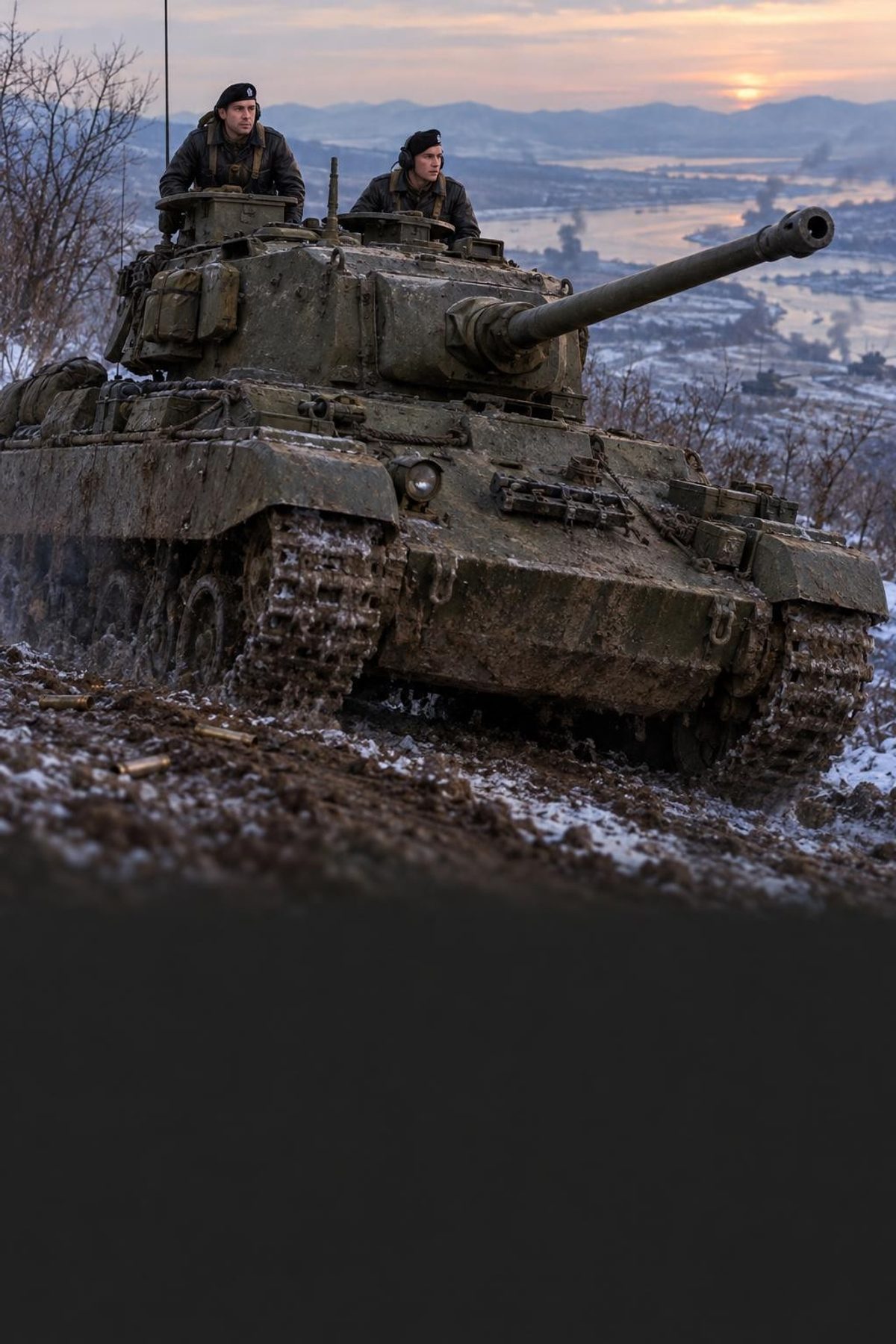
It was late April of 1951. The Centurion tank had never fired a round in combat before that week. Against staggering odds, its crews would forever change history on the bank of the Imjin River.
The Calm Before the Storm
The Korean Peninsula, in the early 1950s, was a crucible of conflict, with the forces of the United Nations clashing with those of North Korea and China. Peace seemed a distant hope, with the war entering its second year. Amidst this chaos, Britain's 29th Infantry Brigade prepared for a grim assignment on the Imjin River.
For the British, April brought a stark contrast of serenity and foreboding. The river, winding through the lush Korean landscape, masked the silent approach of one of the war's largest offensives. Under its peaceful exterior, 30,000 Chinese troops were poised to strike, ready to cross at a moment's notice. The British sat on the precipice of what could be a decisive stand.
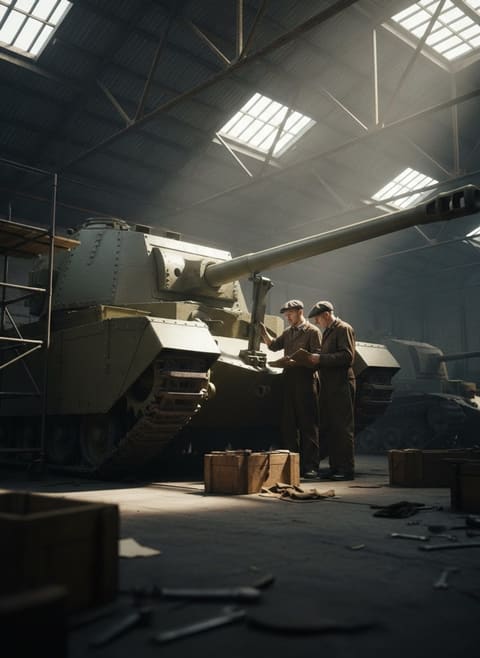
The Centurion tank, fresh from British factories, was barely five years old. Despite its modern design and potential, many of its crews were untested, having never handled a battle scenario in these formidable machines.
Read next: When Fiji's Soldiers Bled for the Crown and Got Nothing Back
The Battle Begins
As night fell on April 22, the eerie stillness broke with the rumbling tide of massed Chinese infantry. Entering the battlefield, like specters in the mist, they aimed to smash through the Commonwealth lines with sheer numbers and unrelenting force. The Centurions, grounded and ready, met them head-on.
The clash was one of desperate intensity. With their radios crackling with urgent commands, tank commanders maneuvered their behemoths with precision, their cannonfire lighting up the night. Shells roared across the river, tracing arcs of destruction as they found their targets amid the swarm of advancing troops.
In these early hours of engagement, each minute seemed an eternity. Tank crews worked tirelessly, rotating duties of aiming, firing, and maintaining their machines. Despite the inexperience of some, a stoic discipline held. These tanks, with their thick armor and powerful 20-pounder guns, stood their ground, becoming the backbone of the defense.
The Tide of Battle
The battle raged on with fearsome intensity. Each Centurion became a bastion amidst a sea of chaos. While shells battered their armor, the crews inside remained steadfast, focusing their fire with grim concentration. The tide appeared unrelenting—a human wave that threatened to overwhelm through sheer force of numbers.
Amid the pounding artillery and erupted earth, the Centurions proved their mettle. Their design, innovative for the time, allowed them to swivel with rapid precision, tracking targets amidst encroaching enemy lines. With each shot, they inflicted heavy losses and disrupted the invaders' momentum.
Yet, it was not just the mechanical prowess of these tanks but the valor within them that made the difference. In the early hours of the assault, as the smoke cleared and dawn approached, the once-overlooked machines had given their allies a fighting chance.
A Legend Forged in Fire
By morning's light on April 25, the Centurions emerged not only intact but triumphant. The Chinese offensive, though vast and unwavering, had been blunted. Thanks to the tanks holding the line, the Commonwealth Brigade had been preserved to fight another day.
Read next: When Britain Built a Tank Nobody Could Stop, 1917
The impact of this stand resonated far beyond the Korean Peninsula. In that intense crucible of smoke and sound, the Centurion had transitioned from a new model into a seasoned legend. Its role at the Imjin River highlighted its resilience, setting the standard for the modern battlefield, showcasing what technology combined with human resolve could achieve.
The 29th Brigade, though significantly outnumbered, had been saved from encirclement and destruction by the steel giants that opposed the massive Chinese assault. The Centurion tanks, many battered yet still operational, returned home with scarred but serviceable exteriors, symbols of defiance under impossible odds.
The Lesson of Imjin
The Battle of Imjin River offers more than just a reflection on military strategy or technological advancements. It is a tale of adaptability, demonstrating how new instruments of war can turn the tide when employed with courage and ingenuity. It is a testament to the potential within unproven tools when wielded by those who rise to the occasion.
The stand of the Centurions remains a powerful reminder of the unpredictable landscapes of conflict and innovation. Much like the quiet banks of the Imjin, waiting to erupt into fervent battle, this story continues to challenge our modern understanding of warfare, resilience, and the enduring spirit of those who face impossible odds.