Most people assume the vast armies of the British Empire were paragons of organization. They weren't always.
The Army That Conquered an Empire
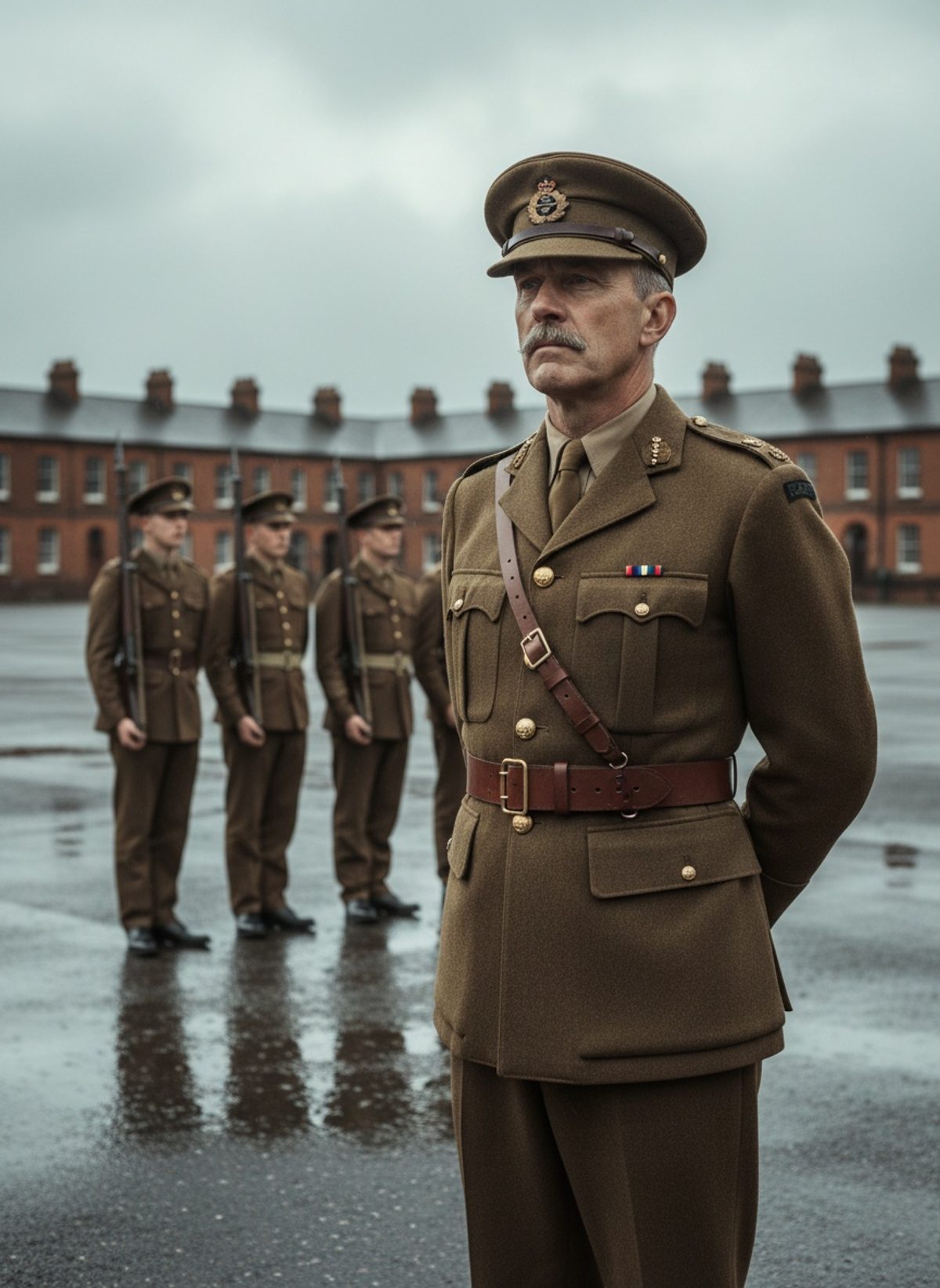
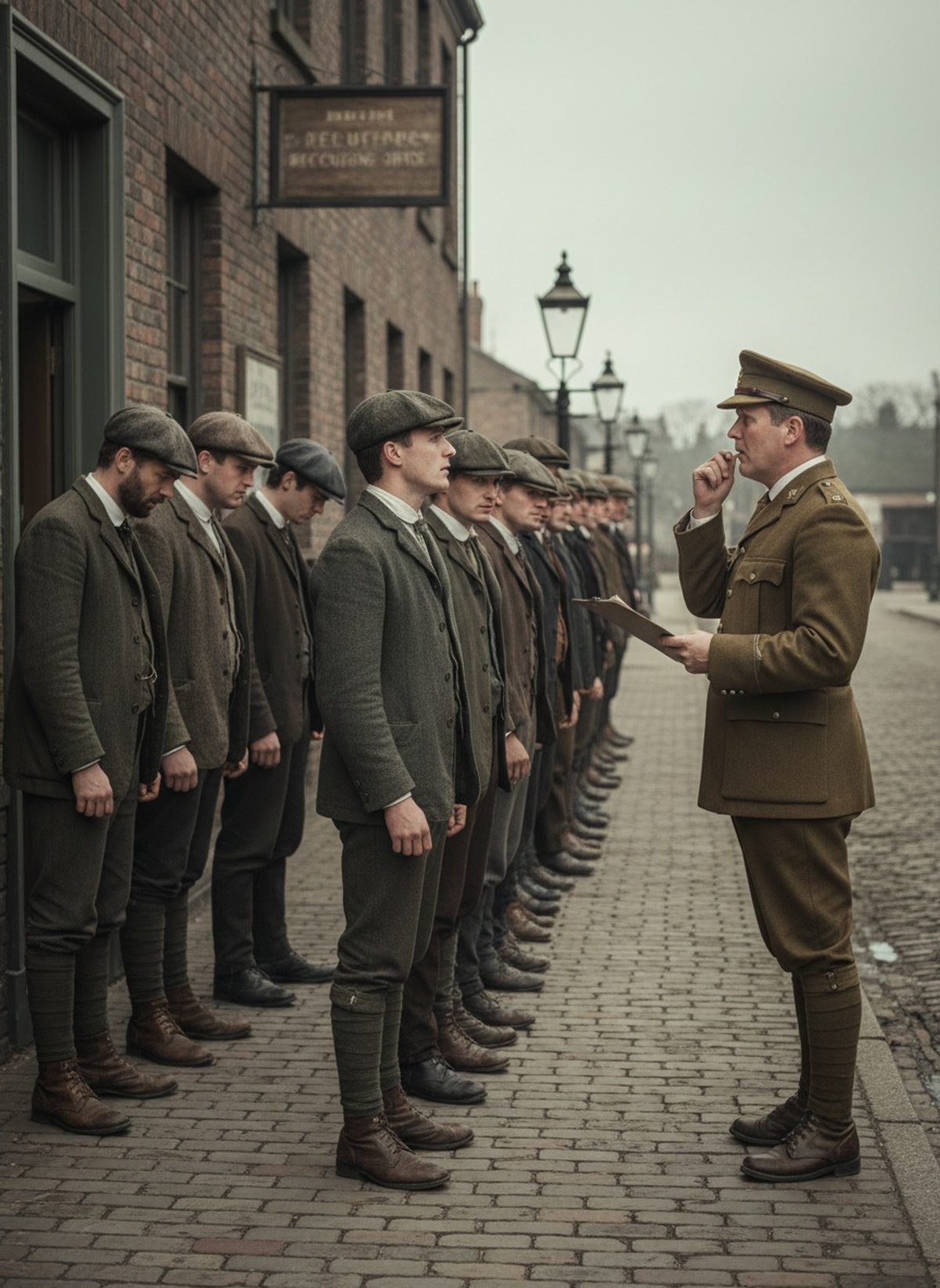
In 1899, the British Empire found itself embroiled in a brutal conflict on the southern tip of Africa. The Boer War, as it came to be known, was a clash over gold, diamonds, and control, drawing Britain into one of the most challenging campaigns it had faced. Over the next three years, the British military swelled to a staggering 450,000 men, a force unprecedented in its size for the island nation. Each soldier was a critical component in the machine driving British imperial ambitions. But once the dust settled and peace treaties were signed in 1902, few anticipated just how difficult it would be to transition these men back into civilian life.
Demobilisation Without Design
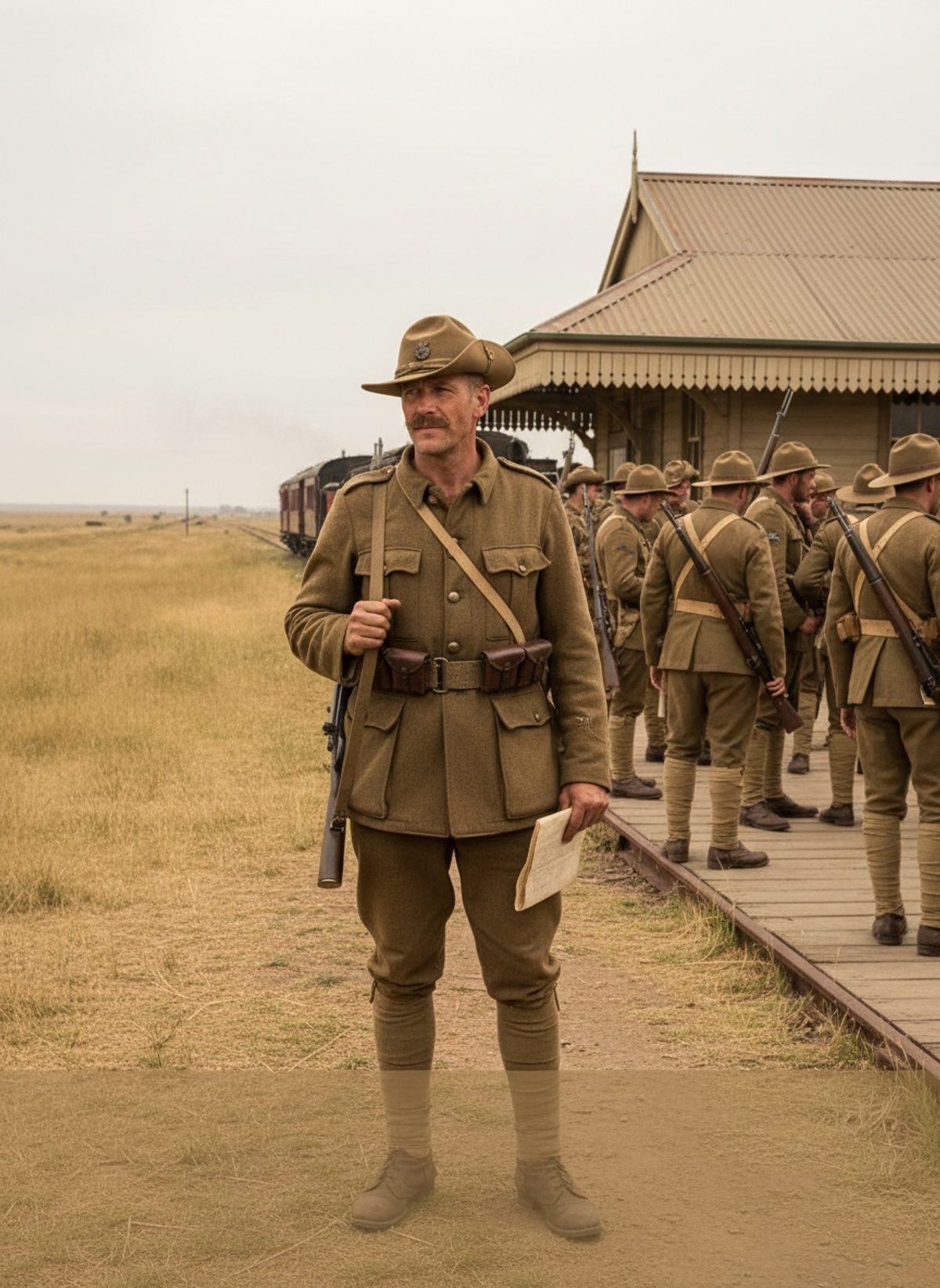
As the war concluded, the British military commenced what should have been a meticulously planned demobilisation. Instead, it was a hasty affair lacking any semblance of order. With a handshake and a train ticket, soldiers were sent home by the tens of thousands, dissolving into the vast expanse of the Empire without tracking, little more than a name on a hastily compiled list, if that. The process saw the intricate web of the largest British army up to that point disintegrate overnight into a diaspora of veterans spread from Cornwall to Cape Town.
It was a curious episode, given the social and economic implications of such a drastic reduction in military presence. Other nations faced similar challenges with foresight and planning. Yet, in its rush to demobilize forces, the British War Office ignored lessons learned from past conflicts, such as the Napoleonic Wars. The empire's military men vanished into civilian ranks with no reserve system, no comprehensive records, and thus, no way to call them back should they be needed again.
Read next: When Britain Called Up Every Man It Had Left, 1917
Displaced Soldiers, Unplanned Futures
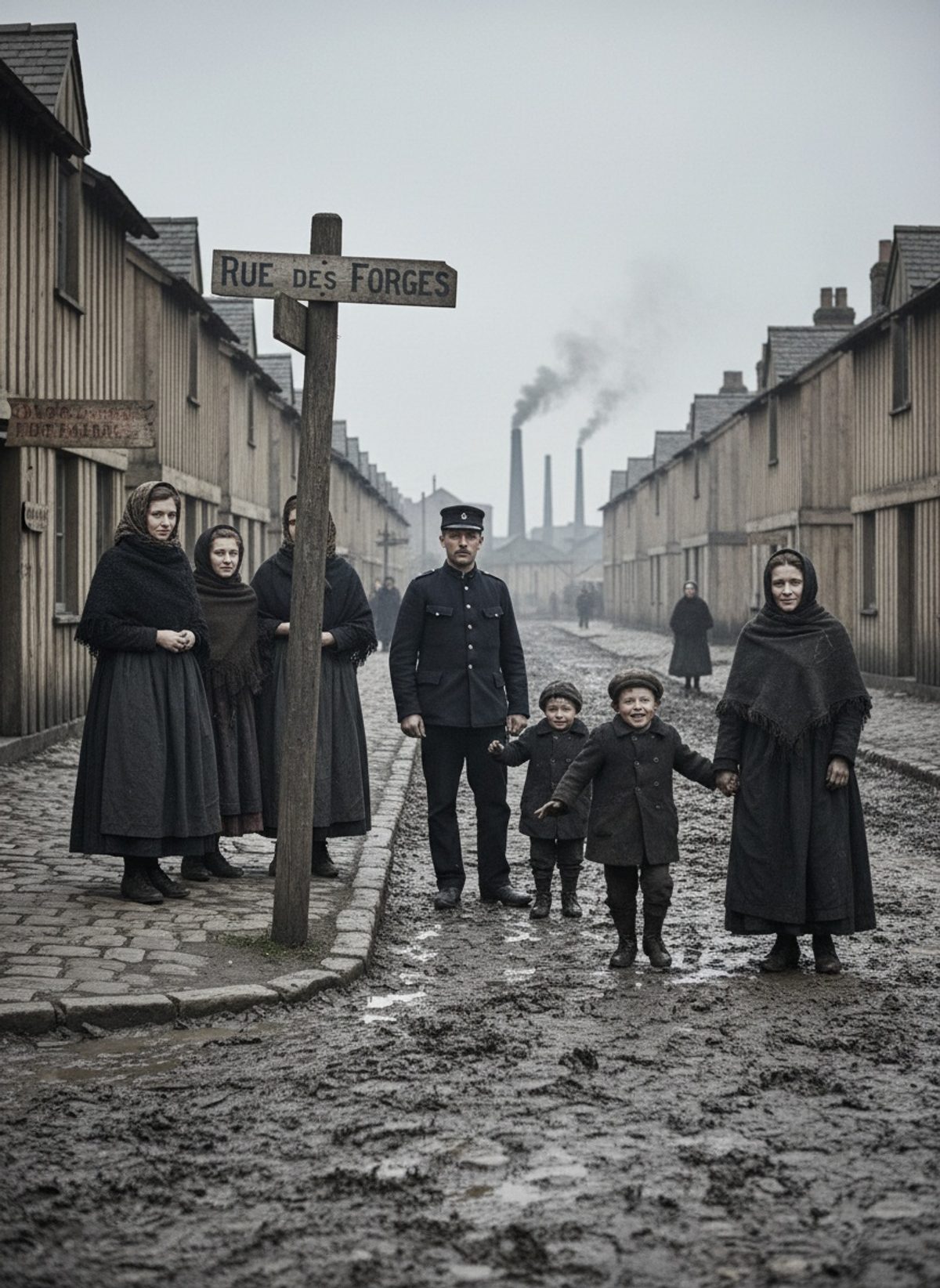
The ramifications of this demographic upheaval were immediate and profound. Britain's bustling cities swelled with men seeking employment, swelling an already precarious job market. The rural areas, home to more of these discharged men, saw an influx that strained local economies almost as much as the war had strained the public coffers. The lack of communication or planning left many veterans to fend for themselves, leading to stories of destitution and hardship upon their return.
Remarkably, many of these soldiers had skills and experiences that could enrich any community. However, the systemic failure to reintegrate them effectively meant that much of this potential went untapped. It was a lesson in how neglecting the transitions between war and peace uproots lives and disrupts the social fabric, rippling across the empire at a time when industrialization and urbanization were already changing society's map.
The Sins of Omission
The lack of foresight became glaringly apparent when British interests faced new threats shortly after. As tensions rose leading into the First World War, the War Office attempted to rally experienced soldiers, only to find that the records tracking such valuable human resources were non-existent or woefully inaccurate. They had inadvertently allowed a valuable contingent of trained and battle-hardened men to slip through their fingers.
Historians have since pondered why such negligence prevailed at the War Office. The rapid expansion and subsequent contraction of the armed forces was without historical precedent, perhaps partially excusing the oversight. However, it was equally true that systemic changes in record-keeping and reserve management might have mitigated much of the chaos. Britain would not ignore these lessons in future conflicts, but the oversight left a mark on the Empire's strategic fabric.
A Lesson Carved Into History
For an empire mastering the art of war, it was ironic to falter in peace. The episode underscores a critical lesson: the management of an army extends beyond victory on the battlefield. It layers into the socio-economic landscape of its time, shaping lives for decades. As the world stands on the brink of understanding post-war transitions and their socio-political impacts, Britain's experience in 1902 offers insights into the cost of oversight and the necessity of rigorous strategic planning. The soldiers of the Boer War, lost to time and administrative neglect, remind us that a soldier's role does not end with the cessation of conflict—it transforms, requiring the nation to adapt as it embraces peace.