He was a soldier for only six months — and already a veteran of the British Army's toughest campaign. The Gurkhas had been the enemy they couldn't defeat, but in 1815, everything changed.
The Mountain Warriors Who Refused to Yield
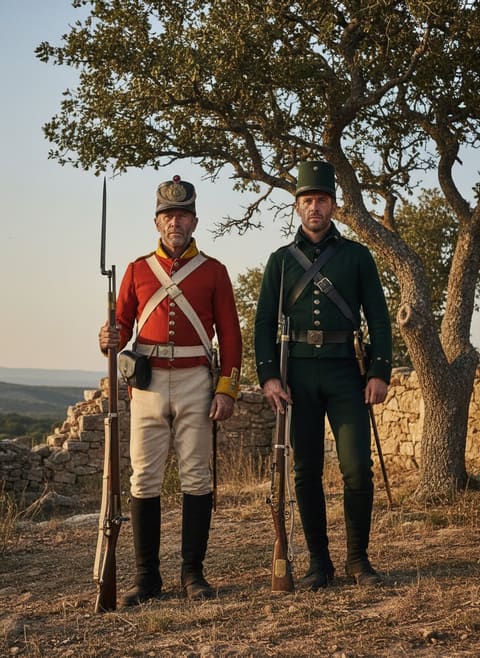
When the British East India Company declared war on Nepal in 1814, they anticipated a swift victory. After all, the British were accustomed to overwhelming their adversaries with superior numbers, technology, and discipline. What they encountered instead was a formidable opponent with unmatched tenacity and grit — the Gurkhas. The terrain of the Himalayas proved to be as relentless as the warriors who called it home. Gurkha fighters, renowned for their ferocity and strategic mastery, knew every ravine and peak like the lines of their palms. For two years, the Gurkhas tested the limits of British endurance and resolve, turning every engagement into a grueling test of will.
The British, accustomed to more straightforward conquests, soon found themselves pushed to the brink. Stories of the Gurkhas' unyielding spirit began to spread across the ranks, painting a portrait of an enemy that was as honorable as it was implacable. Battles did not merely unfold in line formations, but rather in ambushes, retreats, and sudden maneuvers amid the jagged mountains and tangled jungles.
The Realization in Defeat
As the war dragged on, British officers found themselves caught in a paradox — deeply impressed by the very men they sought to subdue. Accounts from the time reveal a growing admiration for the Gurkhas' discipline, courage, and loyalty to their leaders and land. British patrols that ventured into the unforgiving terrain often returned not only weary but also in awe of the fighting prowess they had witnessed. As much as they resented the resistance, they grudgingly respected the Gurkhas' mastery of irregular warfare.
Read next: Flintlock vs Rifled Musket — Which Would You Choose?
This recognition culminated in the signing of a peace treaty that not only ended the hostilities but also paved the way for an unprecedented alliance. The British had come to realize that these fierce mountain warriors would be invaluable allies rather than insurmountable foes. Convincing the Gurkhas to join their ranks required more than an ordinary diplomatic exchange; it necessitated respect and understanding.
A Gamble on Mutual Respect
The decision to incorporate the Gurkhas into the British Army was a audacious gamble grounded in mutual respect. For the Gurkhas, the offer meant an opportunity — a way to ensure a stable livelihood and the continued service of their martial traditions under the aegis of one of the world's most formidable military powers. For the British, it was a chance to harness the might of an invincible warrior class that had proven its worth in battle against them. In 1815, these elements converged into a unique proposition: to march under the British flag.
The integration was not without its challenges. Scepticism from within both camps needed addressing. British soldiers, initially wary of their former enemies, soon recognized their new allies as brothers-in-arms with shared values of honor and bravery. Meanwhile, the Gurkhas had to reconcile their fierce independence with the discipline demanded by a foreign army. Training was rigorous, but the natural aptitude of the Gurkhas for military life quickly dispelled any doubts about their suitability for British service.
The First Battalion Steps Forward
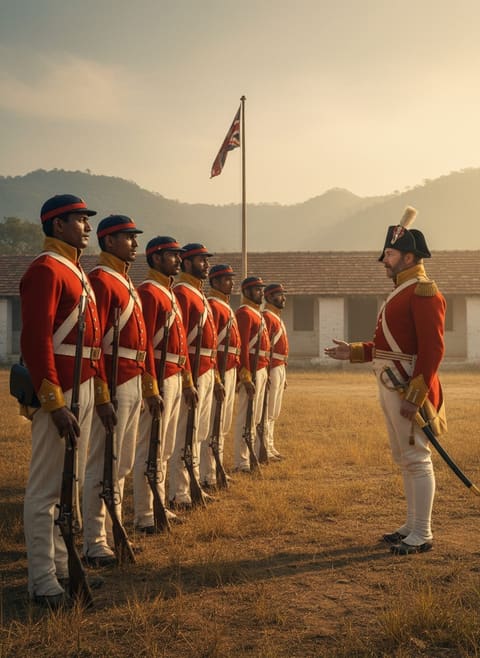
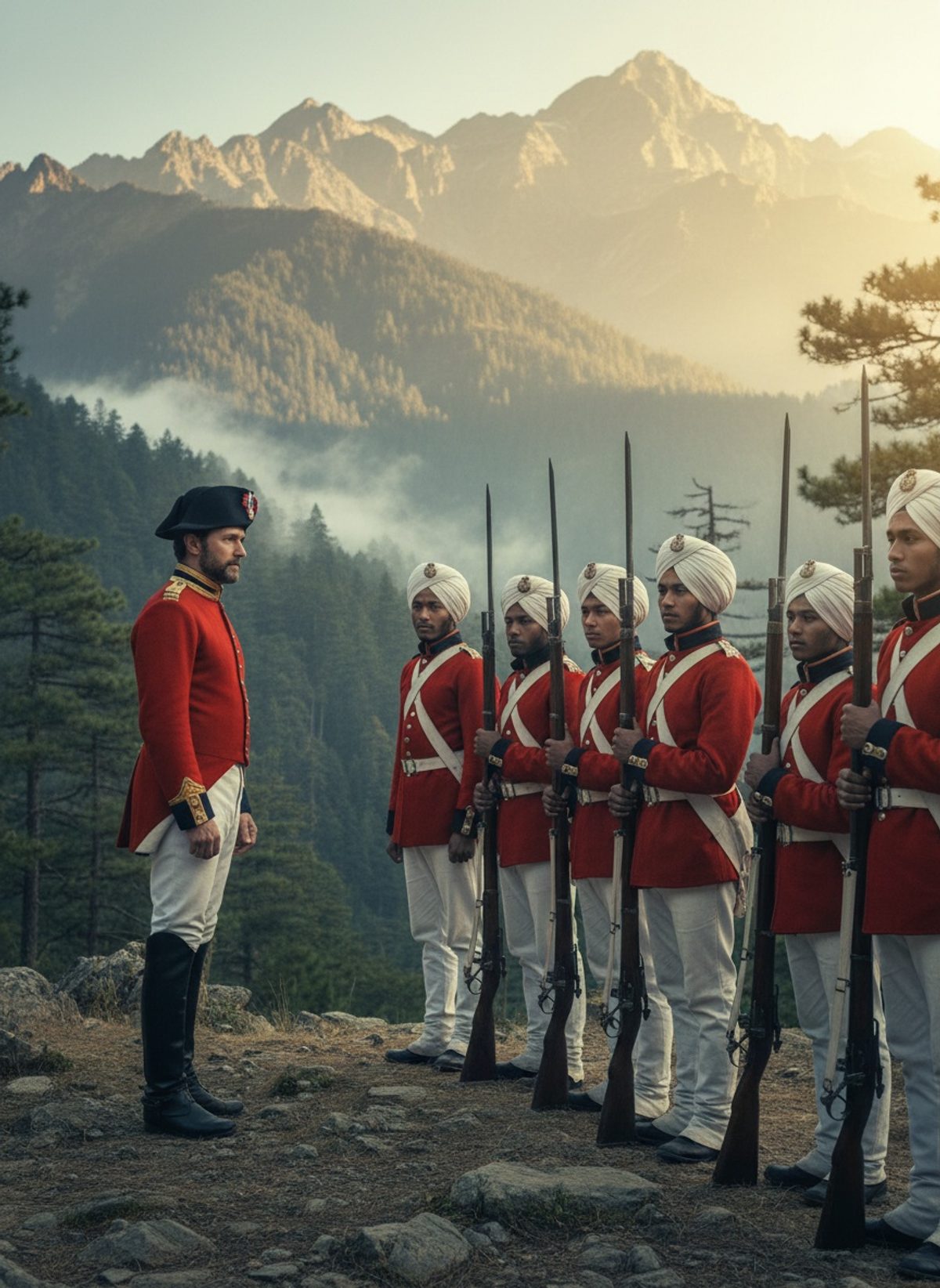
In the spring of 1815, the newly formed Gurkha battalion, clad in uniforms now adorned with British insignia, was prepared for its first marching orders. Their discipline and distinctive kukri knives remained unchanged, yet their mission henceforth was to serve an empire they had previously fought against. The formation of these early battalions marked the beginning of a relationship that would span centuries, one that saw Gurkhas become icons of bravery and resilience within the British military theater.
Read next: When 45 SAS Men Raided the Airstrip on Pebble Island, 1982
The presence of Gurkhas in British ranks became a symbol of unity through shared respect and acknowledgment of valor. Marching through towns, their very presence sparked curiosity and admiration, as well as an unspoken understanding of the unique bonding that had transformed adversaries into allies. It wasn’t merely the establishment of a military regiment but the founding of a legacy based on authenticity and shared convictions.
A Legacy Carried Forward
The decision to integrate Gurkhas into the British Army was a landmark moment, one that echoed beyond mere military strategy. It reshaped perceptions and demonstrated that respect could overcome enmity, forging bonds stronger than those built through coercion or force. Over the years, the Gurkhas went on to serve in numerous fields of combat across the globe, earning a place of deep respect and affection for their courage and loyalty. Their impact continues to resonate, not just as soldiers, but as emblematic figures of cross-cultural brotherhood. The partnership endured through history, an emblem of trust and exceptional courage under a singular banner, and remains one of the most celebrated alliances in military history.
In a world where histories often pivot on power and control, the story of the Gurkhas and their integration into the British forces speaks of a rare moment of mutual respect and wisdom. It challenges our understanding of alliances, reminding us that the greatest strengths often come from unexpected and once-fraught connections. This tale, hidden within the folds of time, serves as a silent admonition of the treasures awaiting discovery beyond the limits of enmity and at the edges of admiration.