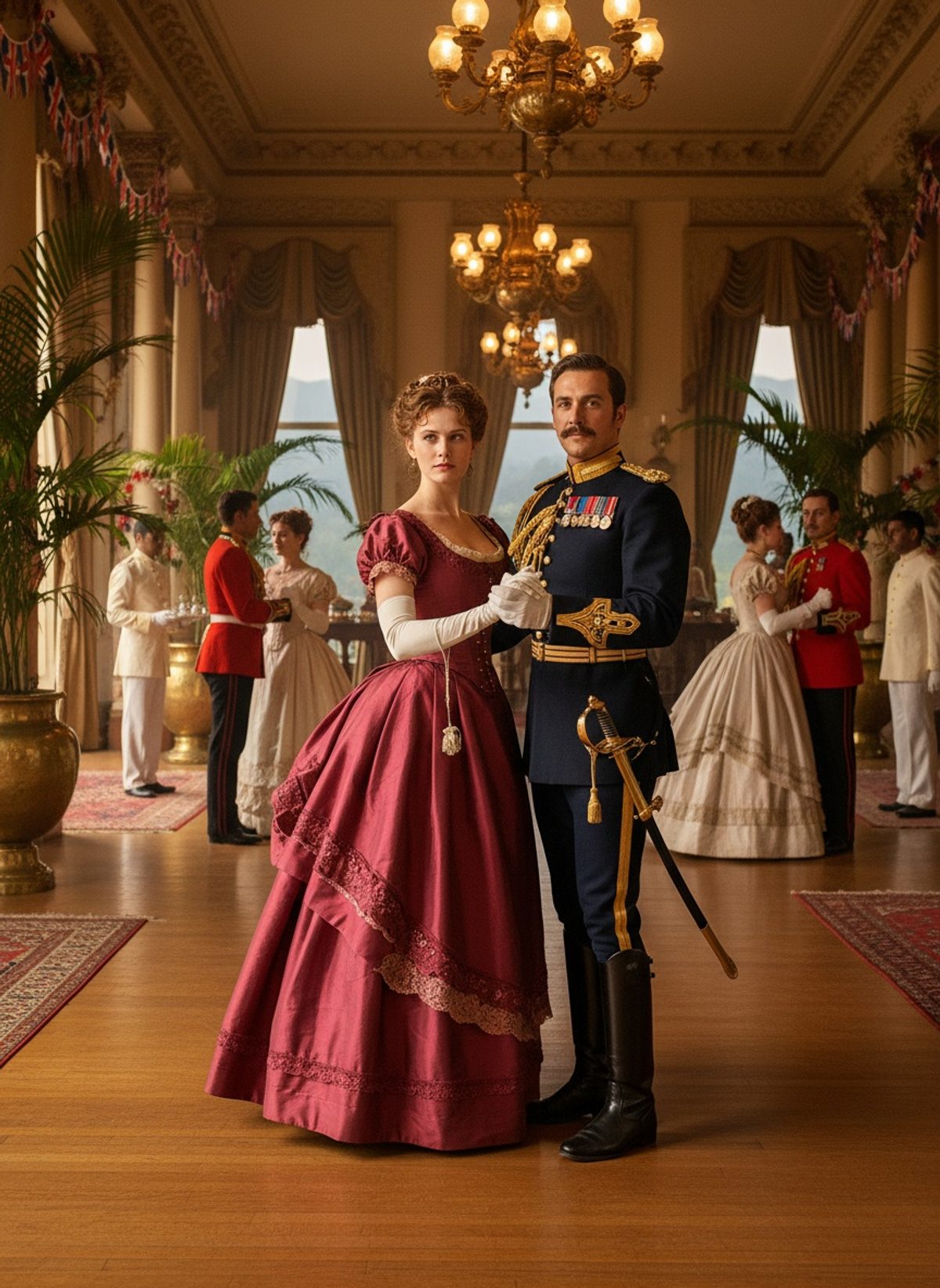
Silk skirts twirled vividly above the polished wood, their hems barely grazing the floor as laughter and music intertwined. Simla's Grand Ball was a glittering oasis amidst the looming, verdant hills of the Himalayas, offering respite from the sweltering plains below. Here, in this makeshift "Little England," the air was crisp and clear, the lantern-lit night a balm to sun-drenched foreheads. Young women from the Fishing Fleet, fearless and hopeful, now danced with officers in resplendent uniforms, each swirl and leap marking a daring venture into an exotic new life.
The Journey to New Prospects
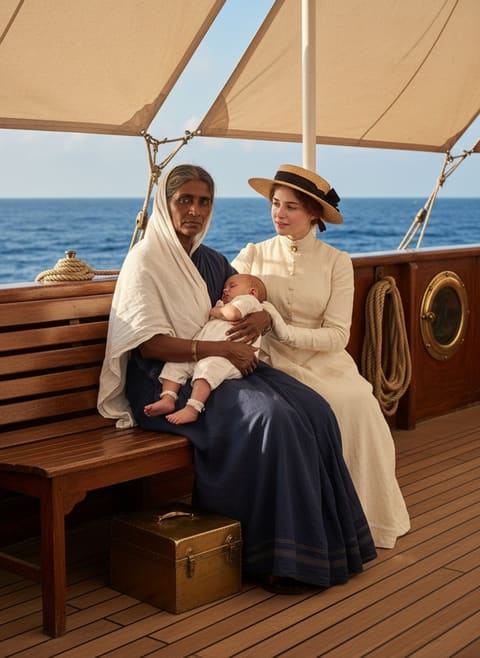
These young women, often referred to as the Fishing Fleet, embarked on a voyage across oceans that could take several months. Their destination was British India, a land rich in opportunity, with promises whispered through letters of glittering prospects among the officers and gentlemen of the Empire. The trek itself was not for the faint-hearted. Nevertheless, with each mile covered, England's familiar shorelines faded from sight, leaving behind the comforts of home yet ushering in the promise of adventure.
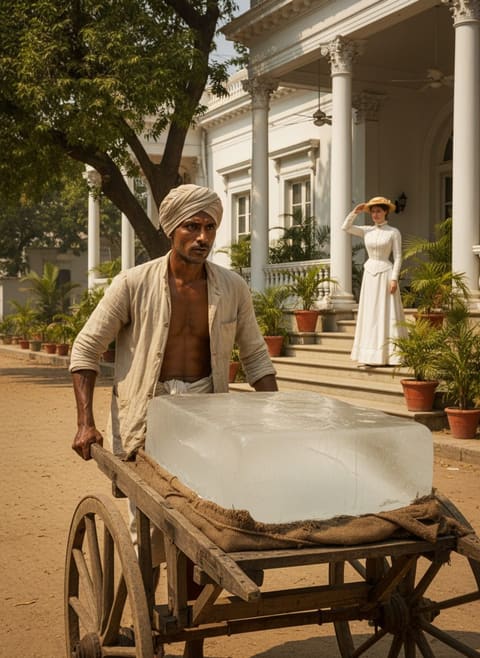
For some, the journey by sea mirrored the novels of their age—endless expanses of azure, punctuated by whimsical cloud patterns, tales of maritime whispers spreading below decks as whales danced in the distance. Their arrival in India heralded the start of a new chapter. As the steaming haze of Bombay or Calcutta embraced them, the strangeness of their new surroundings tested their Victorian sensibilities.
But it was Simla where the true magic unfolded. This hill station, awash in temperate breezes and framed by verdant tea estates, became their summer sanctuary. As the Viceroy's government made its annual migration to Simla, so did the Fishing Fleet girls, swept up in a crescendo of social invitations and genteel gatherings. The ballrooms, elegantly coiffed and bedecked in luxurious drapery, awaited their eager presence. Here, for the span of a summer, their dance cards were filled, and every spin on the polished parquet could spell the next chapter of their life story.
Read next: When the Dhobi Wallahs Kept the Empire's Armies Clean
Elegance Under the Lanterns
As twilight cloaked the hills of Simla, the Grand Ball began. The ballroom glittered like a star-strewn sky, lanterns suspended on golden chains casting a soft glow. The walls vibrated with the sound of a military band expertly laying down a waltz. Arms intertwined, heads held high as British officers, their polished medals glinting under the lantern light, led fresh-faced maidens across the dance floor in mesmerizing patterns.
The thrumming of violins, the majestic sweep of skirts, and the sharp scent of polished leather shoes wove a tapestry of sound and motion. For the women, each dance was a chance—a whisper of shared secrets, a brush of hands, or a pointed look. The subtle courtships, carried out under the watchful eyes of chaperones, were woven deftly among the steps of each quadrille or cotillion.
Yet, the lighthearted gaiety masked the trepidations that lay beneath the surface. For every partner turned away, another chance slipped through their fingers. Back in England, societal expectations had narrowed their prospects; here, in this empire-buffered microcosm, the script could be rewritten. The tableau vivant played out not just in dance but in delightful picnics on lush lawns, in charming exchanges over garden parties, and in the nooks of verandas where the climate offered a more forgiving hand.
Read next: When Syed Ross Masood Made Forster See India Whole, 1906
A New Empire, A New Life
As dawn’s first light crept over the emerald hills of Simla, the previous night's jubilation echoed softly in hearts that now longed for both certainty and adventure. For these young women, their ultimate goal was marriage—a partnership that would anchor them in the social standing and stability the Empire uniquely offered. Yet, unlike at home, they could step outside societal straitjackets here and choose partners from warriors who conquered lands and safeguarded realms. It was the romance of fiction nestled within the nuances of reality.
For many, this migration to India's distant shores expanded not just their geographical boundaries but their cultural and personal ones as well. Some found themselves not only brides but also officers of new households, rulers of their intimate domestic empires, defining Victorian womanhood against a backdrop both foreign and fascinating. And while England felt like a distant dream, this "Empire's drawing room" created a new narrative where a woman might carve a unique place, often with more agency than their counterparts back in the British Isles.
The Fishing Fleet girls, once strangers to these lands, often became linchpins of colonial society. Their legacies persisted, not just in progeny or possessions but in the cultural tapestry they wove through engagement with local customs, languages, and landscapes. This was no simple dance in Simla; it was a commitment to a life of complexity, where fortune, fate, and adventure converged in spectacular fashion—that untold legend, left lightly penciled in the margins of history’s textbooks.