He had never fired a shot in anger. The vast fleet he commanded had never been defeated. Rear Admiral Ludwig von Reuter found himself at the center of one of history's most dramatic, yet unsung naval events: the surrender of the mighty German fleet to the British in 1918. But what unfolded in the lonely, windswept islands of Scapa Flow was hardly a mere act of submission—here was an unexpected act of defiance against the tides of history.
The Silent Spectacle in the Firth of Forth
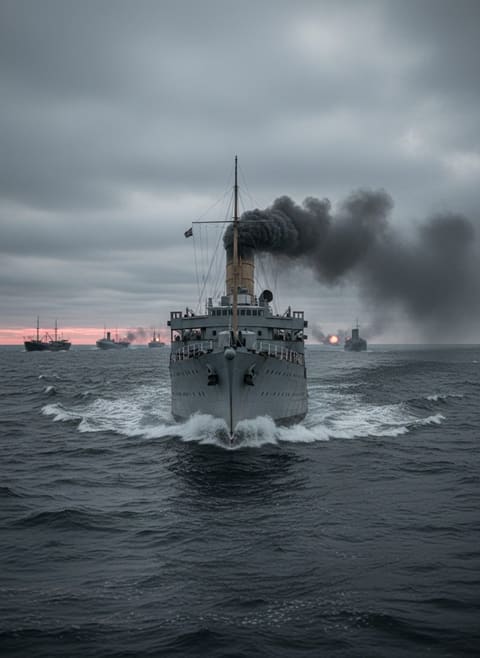
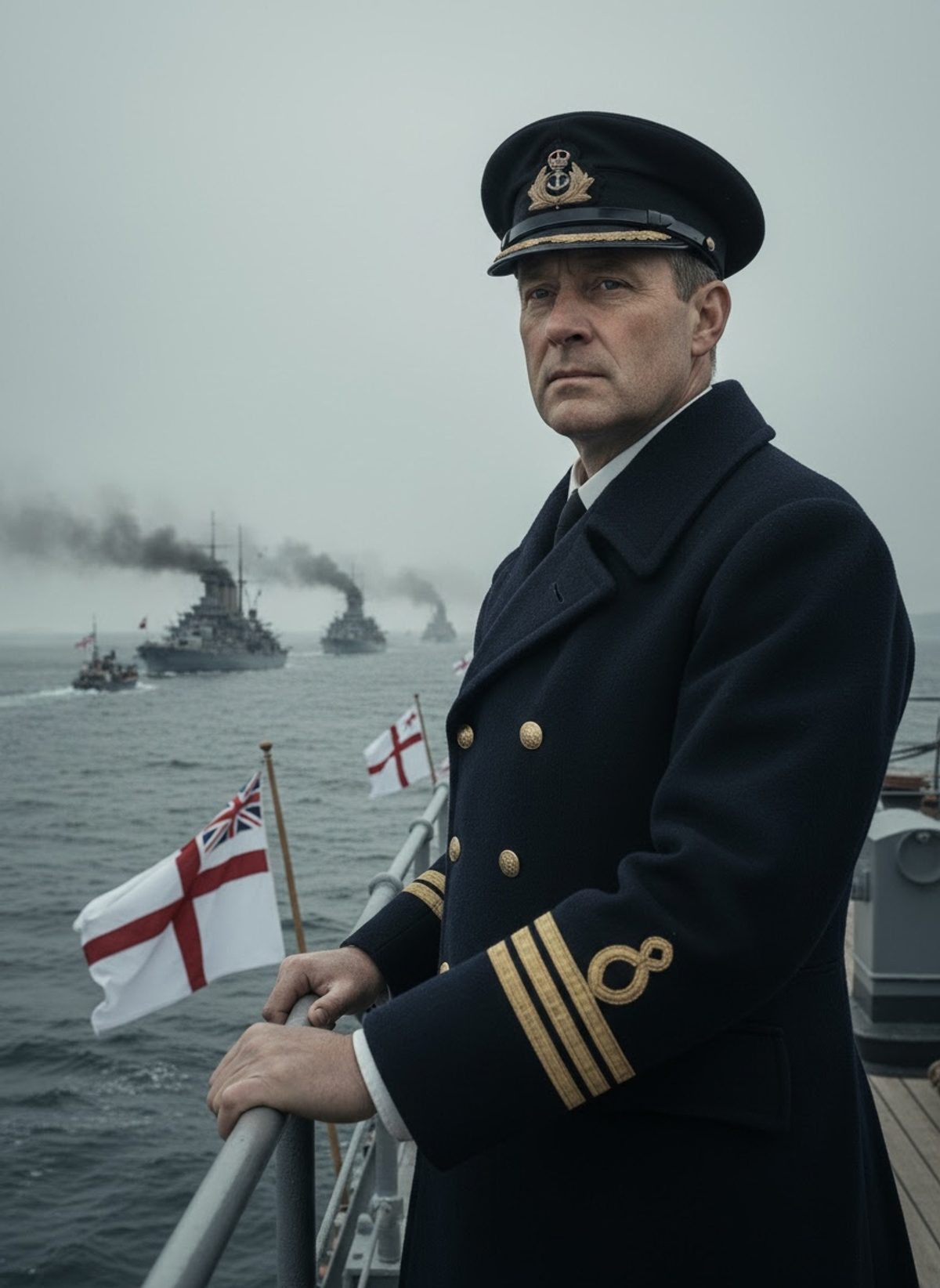
November 21, 1918, marked a day that seemed almost surreal in its gravity. As seventy German warships, symbols of imperial ambition and martial might, glided into the Firth of Forth under a gloomy sky, the world bore witness to its greatest naval surrender. The British Grand Fleet, under the stern command of Admiral Sir David Beatty, stood ever vigilant, ensuring that the final act of surrender was as mute and orderly as demanded by duty.
The German sailors, ghosts in gray and black uniform, felt the sting of surrender as they entered British waters. These men, whose lives had intertwined with these floating fortresses, faced the reality of handing over their pride without so much as a muzzle flash exchanged. Although they had avoided annihilation in combat, the raw humiliation and quietude of their surrender weighed heavily.
For the British observers, the scene was a mix of triumph and disbelief. Here was an armada that had evaded their clutches for years, now appearing impotent and fettered under escort. As the nation that had long prided itself on naval supremacy, the opportunity to witness such a comprehensive surrender was rare and intoxicating. The waters of Firth of Forth became, however briefly, a theater of power and paradox.
Read next: When HMS Warspite Fired Her Last Guns at Walcheren, 1944
Yet, beyond the pageantry of surrender and the solemn silence, these mighty vessels held secrets and stories unbeknownst to those who watched from afar. They bristled not just with guns and machinery, but with memories of battles fought and comrades lost—a legacy of a war that had reshaped Europe in every conceivable manner.
Marooned at Scapa Flow
Scapa Flow in the Orkney Islands became the setting of an uneasy maritime captivity. Here, the German High Seas Fleet was anchored, surrounded by British watchfulness and Atlantic winds. They were held in limbo as diplomats wrangled over the destiny of these warships—a symbol of a greater, geopolitical puzzle that was the Versailles peace negotiations.
For seven long months, the German crews remained on their vessels. They lived stifled lives amid the rolling gray waves and the stark remote beauty of Scapa Flow, disconnected from their homeland and any news of their future. Rear Admiral Ludwig von Reuter watched over this uneasy peace, grappling with uncertainty and a responsibility that had shifted from command in war to guardianship in waiting.
Signal flags whispered in the wind while messages fumbled their way between Berlin and the British authorities. The German sailors kept to their routines—polishing brass and scrubbing decks—as tensions simmered beneath the surface. The mood was like the sea itself: calm but capable of sudden, violent change.
On the horizon, vigilant British ships maintained their watch. Their presence was a constant reminder of victor's justice and the delicate balance of power that hung in post-war negotiations. Yet amongst the clarity of sovereignty, questions shrouded what lay ahead. Uncertainty loomed like storm clouds on the Scottish horizon, casting shadows over the sailors' hearts.
The Last Act: Scuttling the Fleet
When word came to von Reuter that might signal the breakdown of negotiations, he made the decision that only a few could imagine. If the fleet could not sail under a German flag once more, it would not sail for anyone else. On a misty June morning in 1919, he gave the discreet order that set history turning in a new direction.
Read next: When HMS Inflexible Turned Her Guns on Alexandria, 1882
The scuttling of the fleet at Scapa Flow was no scene of chaos or dramatic destruction. Instead, it was an act of methodical resolve. Valves and seacocks were opened, water rushed into the bellies of the giant dreadnoughts, and the great vessels slowly settled at their graves. One by one, the German Imperial Navy's pride found sanctuary in the depths, beneath unseeing waves.
In the scramble that followed, the British forces could only salvage a fraction of the fleet. As thick coils of black smoke curled upward and the creaking bodies of warships tilted, an old era of naval dominance started to dissolve into history. The Germans had self-determined their fleet's fate—not through defiance at the cannon's roar, but through a silent, profound act of self-sabotage.
The outcome spun international conversations anew. Here lay a tale of dignity maintained amidst humiliation, an act that forced the victors to confront their illusions of total control. The waves of Scapa Flow now cradled not just hulks of steel but a legacy of defiance, pride, and historical reckoning.
In examining these events, we understand why such moments, omitted from the traditional narrative, deserve remembrance. The quiet defiance at Scapa Flow reveals the power of choice even amidst forced surrender—an enduring lesson on the nuances of power, autonomy, and the unfathomable depth of human resolve when facing the tides of change.