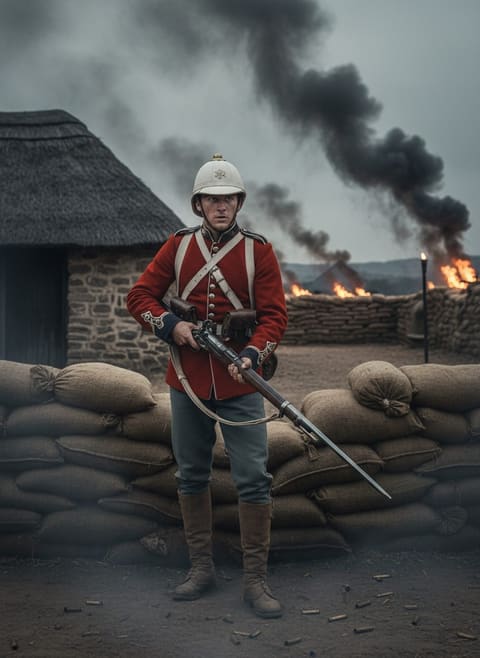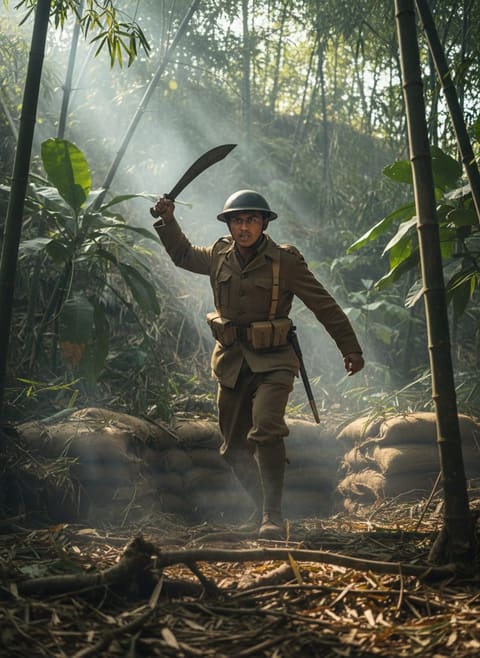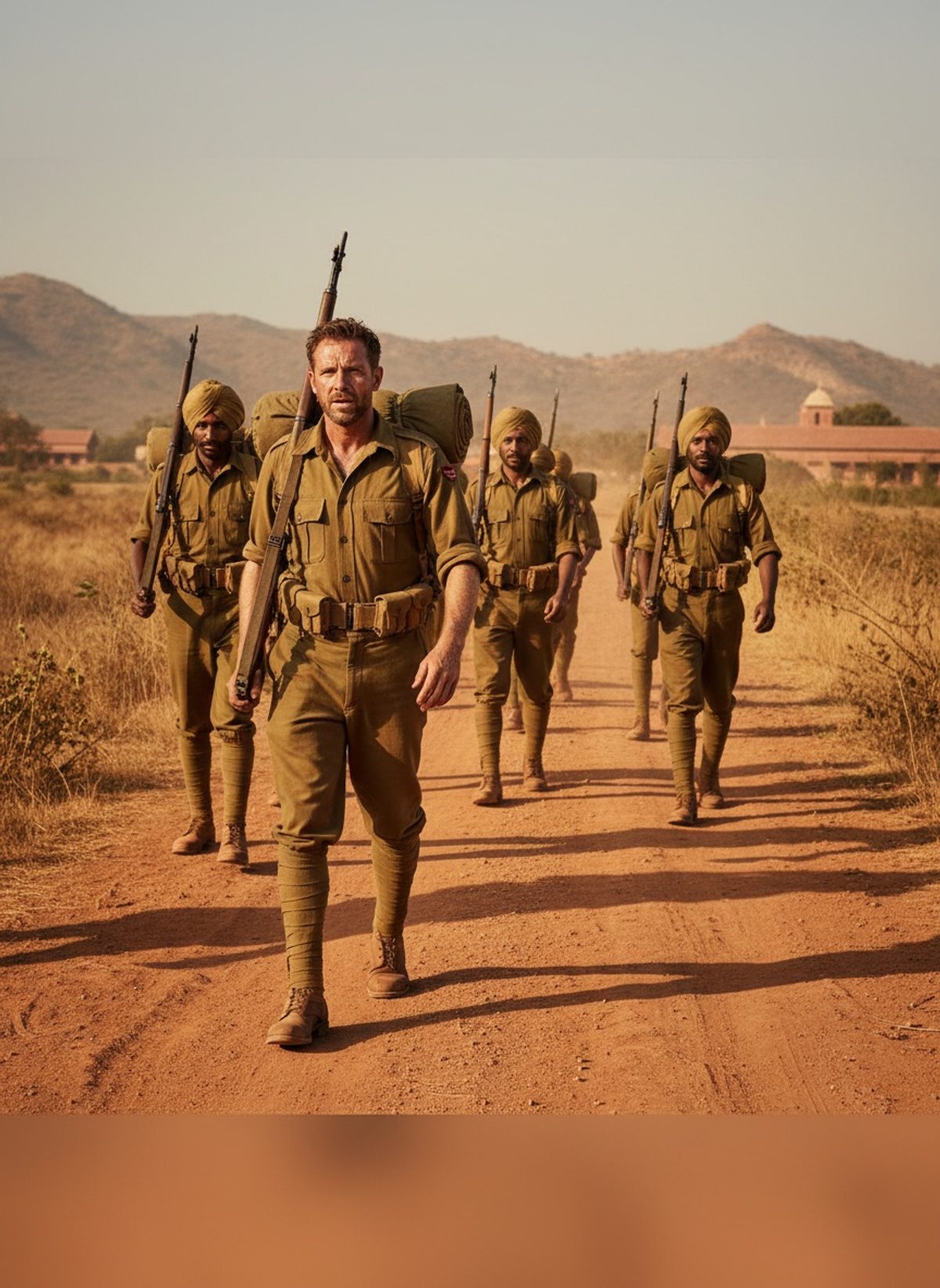
August 1942. Dust hung heavy in the air, settling in layers on the weathered boots of a British officer turned ordinary soldier.
The Radical Experiment
As the world convulsed in the throes of the Second World War, the British Empire faced unprecedented challenges. Among the turmoil, a radical experiment unfolded within the Indian Army, an institution traditionally steeped in hierarchical structures and British imperial doctrine. In a move that astonished many, officers were stripped of their commissions, stripped of their privileges, and reduced to the status of privates. Sent into the grueling conditions of military drills, these men, accustomed to commanding from a position of authority, were thrust into the muddy trenches of the Indian subcontinent, armed with little more than rifles and the packs on their backs.
This exercise, officially termed a 'leadership course', sought to transform officers into leaders who understood and shared the burdens of their men. But it was more than just a test of physical endurance — it was a test of humility and empathy in the crucible of war.
Breaking Ranks
The stripping away of rank and privilege for these officers was a psychological campaign as much as a physical one. Tasks that once sat beneath a commissioned officer, such as latrine duty or cooking, became everyday assignments. Living as equals among the ranks, these officers faced the harsh realities of life as soldiers. They learned firsthand the myriad discomforts that accompanied long marches, the mind-numbing fatigue, and the searing heat that could sap the spirit of the steadiest men.
Read next: He Was 58, Dying, and He Still Led the Charge
The impact of this exercise was profound. Officers like Major James Smith — a fictional alias, as specific names aren't cited in historical records of this unique effort — returned from the experience with a renewed perspective. These men came to understand the importance of every cog in the vast machine of war, appreciating the backbreaking labor endured by those who served under them. No longer did they issue commands from a dispassionate distance. They had shared meals, pain, and laughter with the very soldiers they once would have simply ordered, fostering respect from those ranks.
A Shift in Dynamics
The decision to blur the lines of authority within the Indian Army was not without its detractors. There were those who criticized it as a dangerous gamble, potentially undermining discipline and morale. Yet, as the weeks wore on, something remarkable began to happen. The traditional barriers that separated officers and enlisted men started to erode, replaced by genuine camaraderie and a shared sense of purpose.
The role of the Non-Commissioned Officer (NCO) became pivotal. NCOs, who once had to stand aside silently when officers issued orders, now found themselves commanding former superiors. This reversal challenged not only the officers but the NCOs, who had to enforce discipline and uphold standards without showing preferential treatment. For many, it was a revelation to discover that effective leadership was reciprocal; respect and trust were equally crucial elements in directing men.
The Unseen Outcomes
While the physical and psychological rigors of the experiment were evident, the long-term effects of this course were more subtly profound. Officers who completed the program underwent a transformation in perspective — many cited how it tempered their leadership styles, fostering a more inclusive and empathetic command approach. Such changes resonated through the ranks, boosting morale and unity at a time when these qualities were desperately needed.
Read next: He Stepped Forward in Lucknow and Offered His Life
The implications of this initiative rippled beyond immediate military effectiveness. It began to influence broader strategies in training and interaction within the Commonwealth forces. The insights gained from this exercise demonstrated that strength in arms was not just about tactics or the brute force of numbers, but also about unity, companionship, and mutual understanding among the ranks.
Lessons for Future Generations
In the fog of war, decisions once considered folly have sometimes forged the strongest steel. The Indian Army's audacious decision in 1942 served not only as a bold military tactic but as an enduring lesson about leadership. It enriched the fabric of military doctrine with tales of resilience and adaptability that continue to inspire.
This experiment echoes down the corridors of military history as proof that breaking traditional molds can yield remarkable results. The officers who emerged from the experience were more profound leaders because they had walked, quite literally, in the boots of their men. Their stories remind us that true leadership requires more than authority — it requires empathy, humility, and an unwavering commitment to those they lead. This profound insight, born from the dusty fields of the Indian subcontinent during wartime, is the legacy of the men who marched together, officers and privates alike.