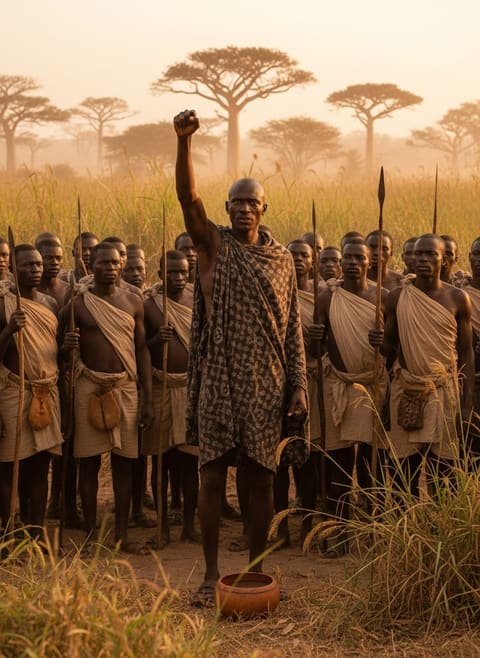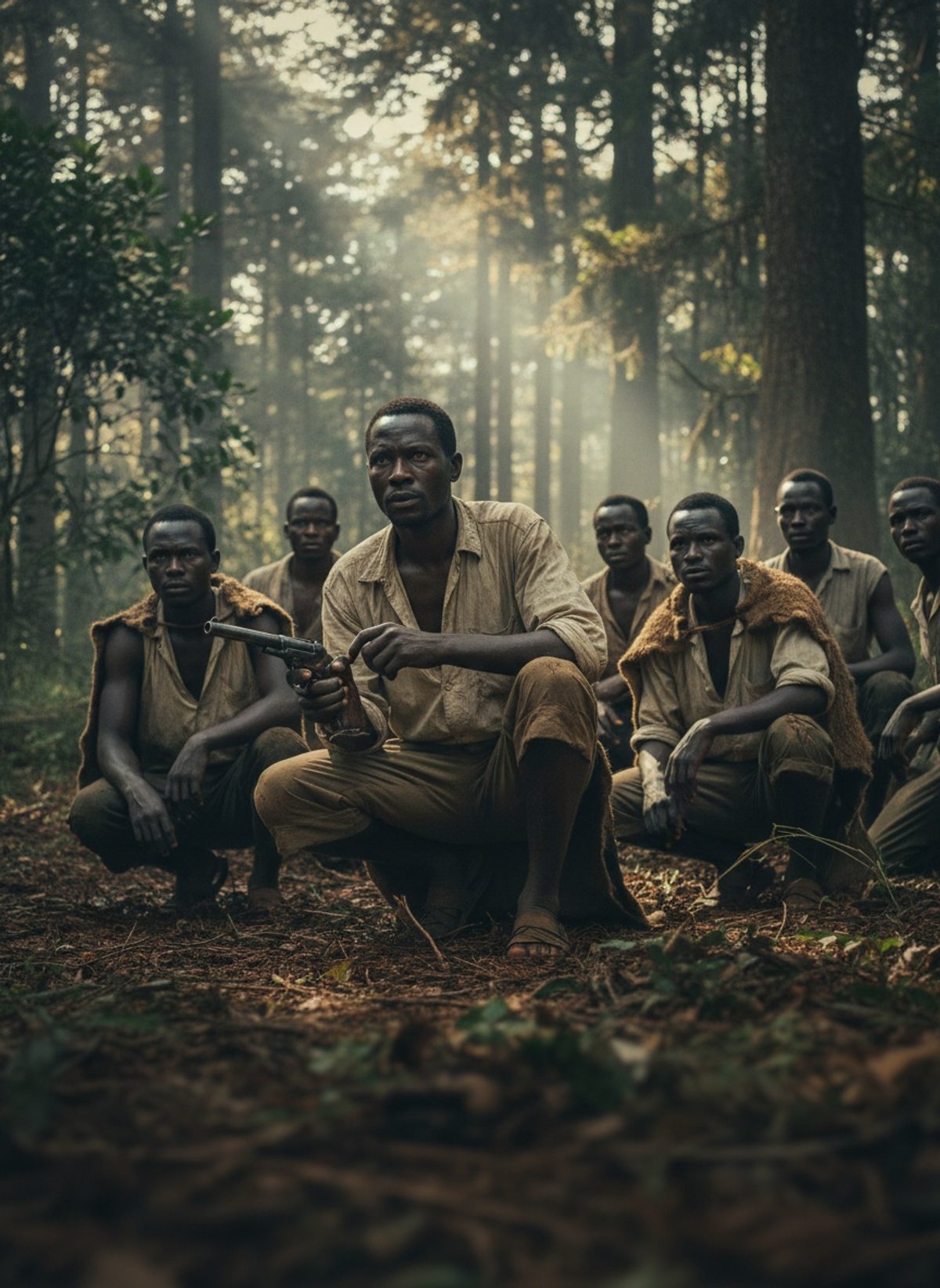
The morning mist clung to the dense canopy of the forest encircling Mount Kenya. The air was thick with the scent of damp earth, punctuated by the occasional call of a distant bird echoing through the trees. In this primeval embrace, where the mountains stood like ancient sentinels, a sense of unease and determination permeated the ground beneath. It was in these shadowed woods, hidden from the prying eyes of the British Empire, that the Mau Mau rebellion was quietly gathering strength, preparing to send shockwaves across a world that thought it knew the limits of colonial defiance.
Kenya in 1952 was a land simmering with discontent. The green belts of lush highlands bore witness to the spread of colonial plantations, where once Kikuyu villagers tended their crops. This fertile ground, impossibly rich with promise, had been appropriated over the years by European settlers under the banner of the Crown. To the British, it was an agricultural paradise; for the Kikuyu, it was a scar of dispossession and displacement, igniting whispers of rebellion that the colonial administration could scarcely comprehend or contain.
Many Kenyans had quietly endured the injustice, others chose the path of negotiation and peaceful protest. But for some, endurance had reached its limit. Singing songs of past glories and swearing secret oaths under the cover of night, these men and women became the builders of a covert resistance, vowing to reclaim their land and dignity by any means necessary. The forests became their sanctuary and stronghold, their paths trodden by secrets kept and shared among the initiated, known simply as the Mau Mau.
On a nondescript day in 1952, the first gunshot of the Mau Mau Uprising shattered the illusion of peaceful colonial rule. It was a sharp, defiant crack amidst the rustling leaves, telling the story of a people ready to seize their narrative. This inaugural act of armed resistance was not the first rebuttal to British authority, but it was emblematic—a coded announcement to the world that an underground network held cohesion and courage in equal measure.
Read next: When Wat Tyler Faced the King in Smithfield, 1381
What confounded the British authorities was the depth of organization and the breadth of support that the Mau Mau seemed to command. The movement's enigmatic structure drew from both traditional and modern influences. At its core lay the oath ceremonies, a fusion of cultural initiation and political inculcation. These rites bound participants in loyalty to the cause with a potency that colonial decree could not easily unbind.
The British reaction to this mounting threat was both predictable and ruthless. Enacting a state of emergency, they unleashed a campaign to root out what they described as an anarchic uprising. The colonial government underestimated both the level of support the Mau Mau enjoyed and the tenacity of their commitment. Waves of crackdowns ensued—each crackdown further fueling the drive for liberation among the aggrieved Kenyan populace.
For those involved, the stakes were nothing less than existential. They were battling for cultural survival and for the right to self-determined destiny. Using all they could muster—from guerrilla tactics in the forests to strategic sabotage of infrastructure—the Mau Mau sought to make occupation costly and stability illusory for the British establishment. Although modern weaponry was sparse, ingenuity and knowledge of the land were vast, allowing the fighters to stand resilient amidst overwhelming odds.
Read next: When Disguise Carried a Fugitive Through Empire's Heart, 1876
As the world beyond Kenya watched, the emergent narrative was one of power and colonization being contested in unpredictable, visceral ways. The Mau Mau's struggle resonated with anti-colonial movements worldwide—inspiring some, intimidating others, and forcing a reconsideration of what resistance could achieve against a supposed superpower. Observers and commentators began to reassess assumptions about empire and the subjugated—perhaps the sun was indeed setting on the British dominion as it tangled with the unseen but unyielding forces beneath the surface.
The chaos in Kenya signaled more than just a local conflict; it embodied a critical juncture in the story of the British Empire and decolonization. Each skirmish and encounter added to a momentum that became impossible to arrest, revealing the vulnerability and immorality of distant governance over enthralled peoples. That first shot fired by the Mau Mau heralded not just conflict but conversation, a telling reminder that every region, every rebellion, carries with it countless stories of struggle for identity, justice, and freedom.
For contemporary audiences revisiting this chapter of history, the Mau Mau movement offers a window into the complexities of resistance and its far-reaching impacts. As the world grappled with reevaluations of global power structures, the Mau Mau uprising uncovered truths deeper than the forest shadows of Mount Kenya. It urged a reckoning with land ownership, human rights, and the enduring quest for autonomy—transforming, irreversibly, how empires viewed the subjects they once ruled unequivocally. In the stillness following that first shot, the echoes continue to reverberate, reminding us that behind the matter-of-fact accounts of history lie fervent tales of courage and the relentless pursuit of freedom.