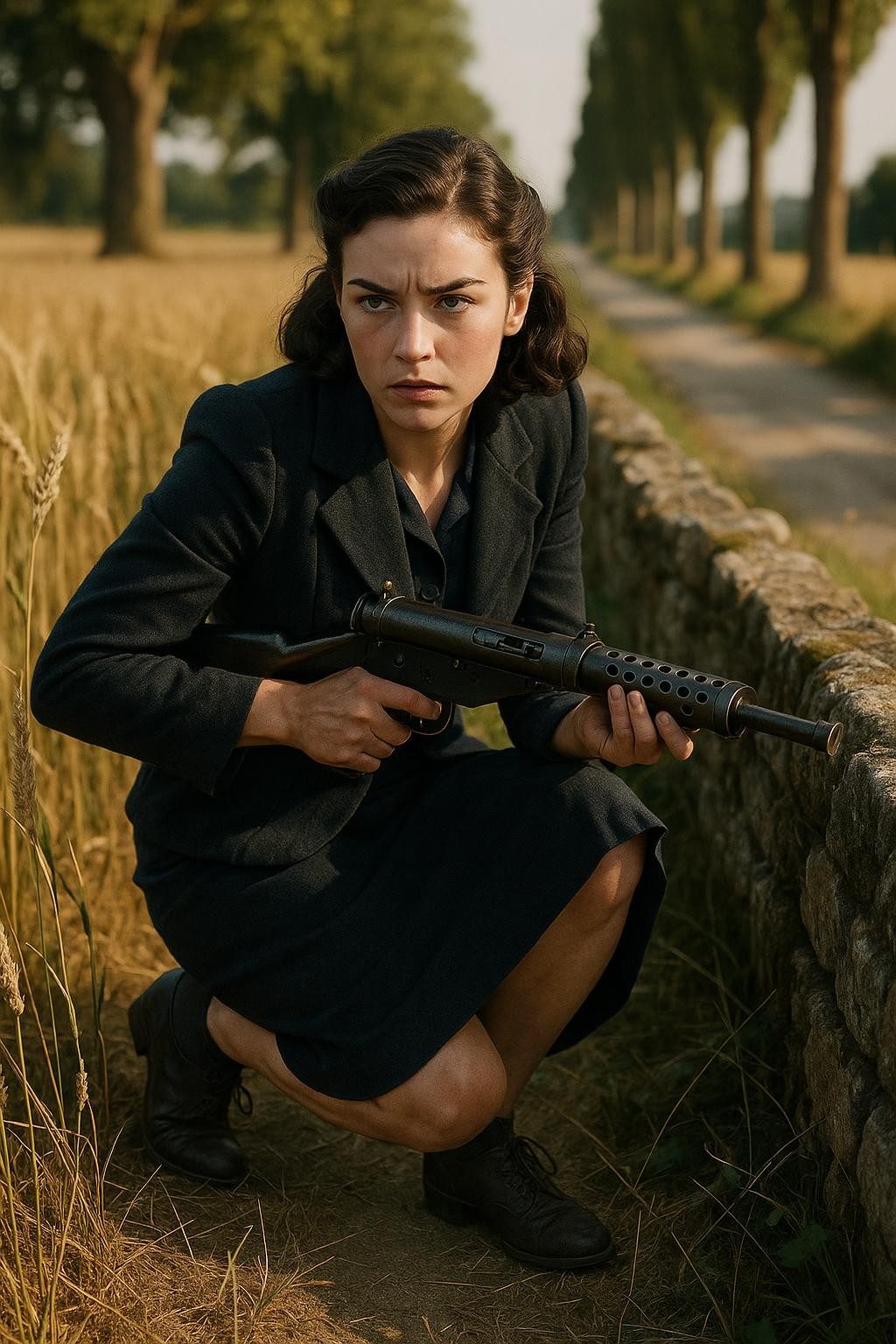
The sharp crack of gunfire echoed through the trees as Violette Szabo felt the rough earth beneath her boots, each footfall deliberate and daring. Her petite frame was a sharp silhouette in the dusky forest, darting between the shadows cast by the dense foliage. She was on the run, her breath mingling with the cool air and her heart pounding a relentless rhythm of adrenaline and fear. Clutched in her hands was a Sten gun, its metal cold despite the warmth of her grip, ready for a fight she knew might be her last.
The Call to Arms
Born to a French mother and an English father, Violette Bushell — later to become Szabo — was as compelling as any heroine from wartime folklore. Her life began in the vibrant streets of Paris, where laughter and language were shared as freely as the city’s soft pastries. Yet, it was London's earnest cobblestones that shaped her teenage years during a time that would unravel into global conflict. Having married a handsome French officer, Étienne Szabo, the war's tragedy soon found her a widow, left to care for their young daughter, Tania, with the burden of loss shadowing her every move.
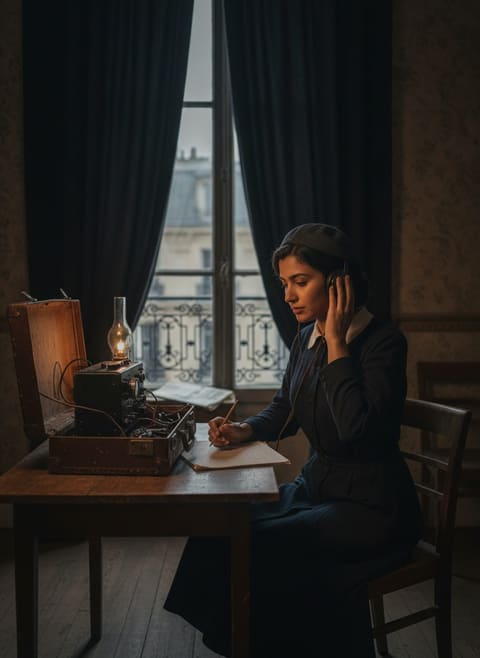
It was her profound grief and simmering fury at the occupation of her mother’s homeland that pulled her into the clandestine corridors of the Special Operations Executive (SOE). Her remarkable ability to speak perfect French coupled with her fiery determination made her the perfect recruit. The SOE trained her in unarmed combat, Morse code, and the dark arts of espionage. Here was a woman who, in another life, might have confined her ambitions to the nurturing confines of home and hearth. But history had different designs for Violette Szabo.
Into the Brink
With the bravado of one who has stared personal loss in the eye, Violette crossed into occupied France under the cover of night. Beneath the vivid blue skies that punctuated the oppressive grey of war, she moved as if she had always been a breeze unnoticed by those who depended on tyranny for strength. Her first mission met with success, a flicker of hope for the Resistance forces. It was her second mission that would etch her name into the annals of wartime legacy.
Read next: He Was 58, Dying, and He Still Led the Charge
The French soil was under her feet again, as familiar and treacherous as an old friend with a secret grudge. She carried with her codes and connections vital to the networks that wove silently through the land, plotting the downfall of the occupiers. Yet, this mission unfurled with the sudden drama of history's greatest tales. Ambushed near Limoges, Violette had the presence of mind and audacity of spirit to engage the enemy, providing the crucial minutes her comrades needed to escape. Her resolute stand in that solitary field became an echo across time, merging into the symphony of resistance that defied the iron grasp of the Gestapo.
Silence and Shadows
But the Gestapo's grasp was relentless, and Violette was eventually captured. The path from spirited solider to prisoner was one marked by cruelty and courage. At Ravensbrück concentration camp, even the grim bleakness could not quell her indomitable spirit. Fellow captives caught glimpses of her resolve through whispered tales; Szabo's bravery never faltered despite the darkness that threatened to engulf her.
Read next: He Stepped Forward in Lucknow and Offered His Life
Her life, however, was extinguished too soon, leaving behind an unfinished story marked by war's cruel cessation. Yet, to her friends and fellow agents, her legend carried on. They passed along tales of her courage like lifelines of hope, weaving into their stories the vivid essence of a life lived fiercely, though singularly short.
The Voice That Finds Us
Violette Szabo's story unfolds beyond the corridors of history books, challenging the confines of what we come to expect from tales of war. She was not simply a figure of resistance, but an embodiment of the profound complexity that the human spirit can hold - the delicate threads of love, grief, and defiance interlacing through the tapestry of time.
This account of courage and sacrifice is more than an anecdote of a bygone era; it's a summon for reflection. It reminds us of a humbling truth — the past is not lost, but a whisper in the rooms where decisions are made, where freedoms are balanced on knife-edges. Violette’s history, carried down through resilient voices, is an invitation: to remember, to empathize, and most importantly, to act with the courage that she herself wielded so deftly against the shadows of her time.