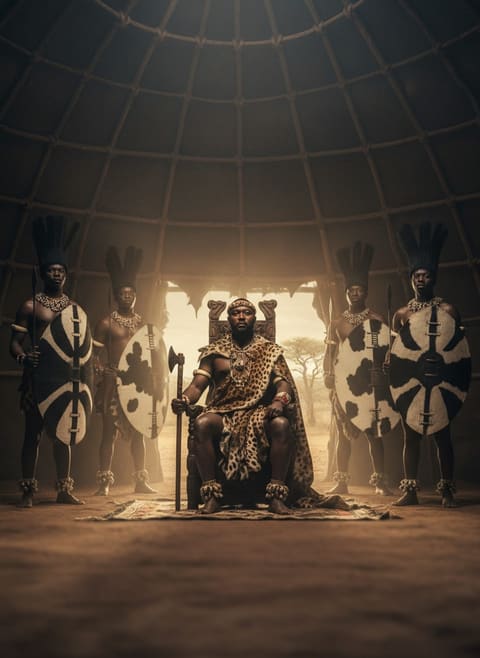
Bhambatha kaMacinza was a Zulu chief who made a bold stand against the British Empire. Fewer know his story, and even fewer grasp its significance in the closing chapter of Zulu defiance.
The Imposition of a Burdensome Tax
The year was 1906, and the setting was the Colony of Natal, a region steeped in the legacy of both imperial ambition and African sovereignty. The British colonial authorities had decided to impose a poll tax on the indigenous Zulu populace, a move designed to strangle an already struggling community under the growing weight of colonial rule. To many Zulus, this tax was not just a financial burden but a reminder of their reduced status and a challenge to their dignity.
Bhambatha kaMacinza, the chief of the amaZondi clan, found himself in a morally complex situation. On one hand, colonial administrators demanded compliance; on the other, his people faced an economic strain that could no longer be tolerated. For those who called the fertile lands around Nkandla home, the tax was a bloodletting. It eroded what little autonomy they had left, demanding payment where there was barely sustenance. Bhambatha's decision to resist wasn't just rooted in rebellion; it was an act of survival and identity.
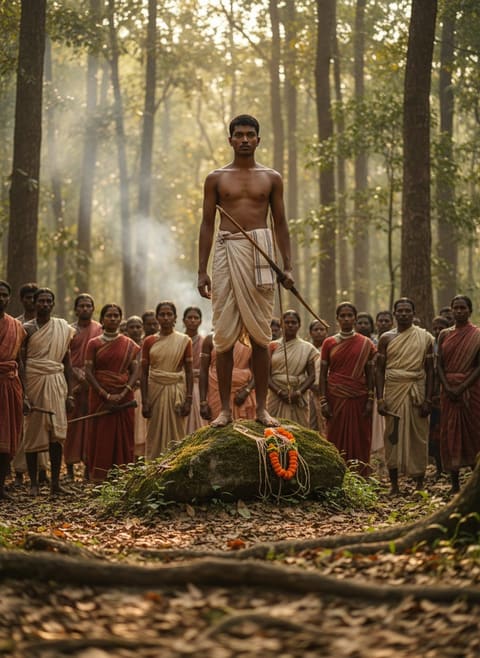
The Nkandla Forest, with its thick canopy and ancient ways, offered more than just concealment. It was a spiritual refuge and a strategic bastion, full of the folklore and wisdom of Zulu ancestors. Here, Bhambatha gathered his band of warriors, uniting them with a shared purpose—defiance against the oppressive demands of the crown. The forest became their fortress, a natural ally in a landscape of contention and strife.
Read next: When Komagata Maru Turned Back and Canada Held the Line
The Crafting of Rebellion
Bhambatha was not alone in his dissent. His cause quickly gained traction among other chiefs and local agitators who were equally disillusioned by colonial policies. The Zulu leadership, once the architects of a mighty empire under the likes of Shaka and Cetshwayo, now faced the reality of fragmented resistance. Theirs was a fight against not just physical impositions, but a suffocating psychological dominion over their historic lands.
As word spread through the river valleys and the hills, Bhambatha’s movement swelled with volunteers, each carrying with them tales of suppression and hopes for liberation. The imposition of the poll tax had inadvertently unified disparate sections of Zulu society in a shared cause. Families whispered tales of warriors past as they watched loved ones join Bhambatha’s impi—men armed not just with spears, but with the spirit of a storied heritage.
In planning his stand at Mome Gorge, Bhambatha demonstrated not just bravery but tactical acumen. The place was well-chosen. Mome Gorge was narrow, a craggy crucible where larger British forces would find themselves unable to fully exploit their numerical and technological superiority. Here, in this confined space, Bhambatha and his men could level the playing field, drawing upon the ancient art of guerrilla warfare that had served Zulu warriors for generations.
There was something almost elemental about this gathering of warriors in a gorge overshadowed by towering cliffs and echoing with the roars of untamed nature. As warriors danced and sang their war cries under the sun-filtered light through the canopy, you could sense that they wove themselves into a tapestry far greater than any colonial ambition—one of enduring culture, identity, and resistance.
The Ambush at Mome Gorge
The ambush, when it came, was swift and fierce. The British column, unsure of enemy numbers or positions in the gorge’s mist-shrouded depths, soon found itself beleaguered. Using the terrain to their advantage, Bhambatha’s forces struck with speed, a flurry of spears slicing through humid air. The screams of battle were matched only by the cries of struggle and survival as the narrow path became a theater for Zulu valor.
Read next: When Bhikaji Cama Tore the Union Jack in Half, 1907
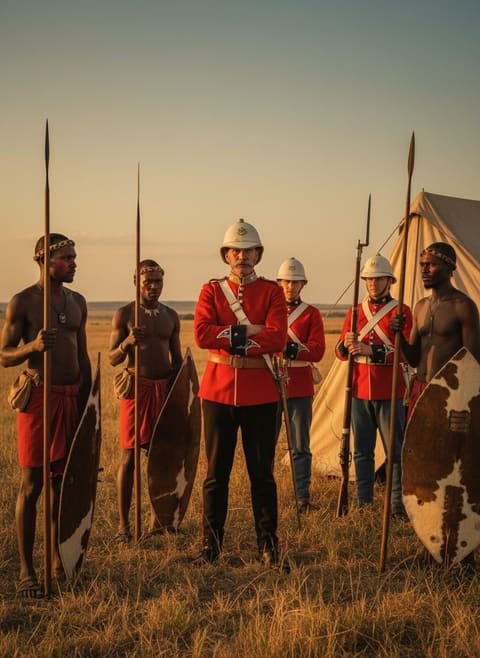
Flanked by the forest that had nurtured their uprising, the Zulu combatants exhibited resilience that echoed across the centuries. For the British forces, the passage through Mome Gorge was a lesson in the kind of warfare they had not anticipated, a clash of sheer willpower against organized might. The Zulu warriors, vivid in traditional regalia against the contrasting khaki of the British, painted a picture that was both timeless and transient.
This encounter at Mome Gorge marked the last significant military engagement of Zulu resilience against the British empire. It was a final expression of a storied martial tradition rebelling against an intruding modernity. The fight was, of course, doomed from the beginning; British resources greatly outmatched those of Bhambatha’s followers, and eventually, the power of colonial machinery crushed the rebellion.
Still, these events in 1906 laid bare the complexities and contradictions of empire. They revealed an enduring truth about the human spirit’s struggle for dignity and autonomy. Such narratives don’t merely populate our past but thread through to the present, reminding us of histories and legacies that cannot easily be silenced, regardless of the forces wielding the pen or the sword.
In the heart of Mome Gorge, among the twisting trees of the Nkandla Forest, Bhambatha’s defiance lives on as a poignant reflection on the nature of resistance and the high price of sovereignty. This story isn't just one of rebellion; it’s a testament to personal agency in a world increasingly shaped by external powers. Each retelling anchors it deeper in the collective memory—a whisper from history that carries profound lessons for future generations.