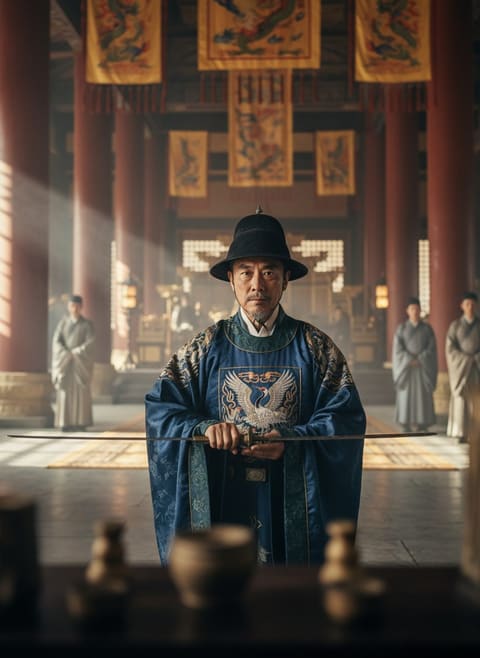
The air was thick, clinging to the skin like a damp shroud, as Liu Zongyuan stood resolute among the fever swamps of Liuzhou. The land was wild and unforgiving, a realm where existence felt like penance. Malaria buzzed in gnats around his head, but he remained unbowed, eyes on the verdant horizon. Exile, they called it. A status that crushed most men was, for Liu, a mere beginning.
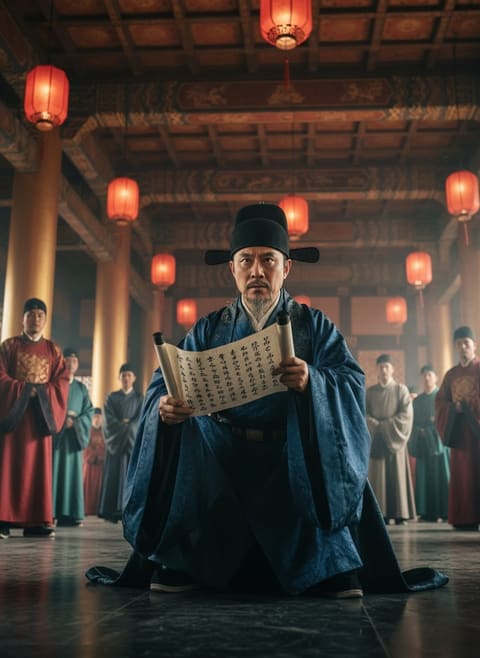
Once again, Liu found himself at odds with the powerful Tang imperial court. The year was 815 AD, and the emperor raged against him, the very act of this challenge echoing an earlier defiance that had marked him as a man to watch—and to silence. Liu's crime was one of courage; he dared to speak on behalf of those forgotten by an empire that stretched its breadth across Asia, arrogant in its grandeur. He championed the causes few would hear, offering his voice to the voiceless, with a tenacity that knew no safe retreat.
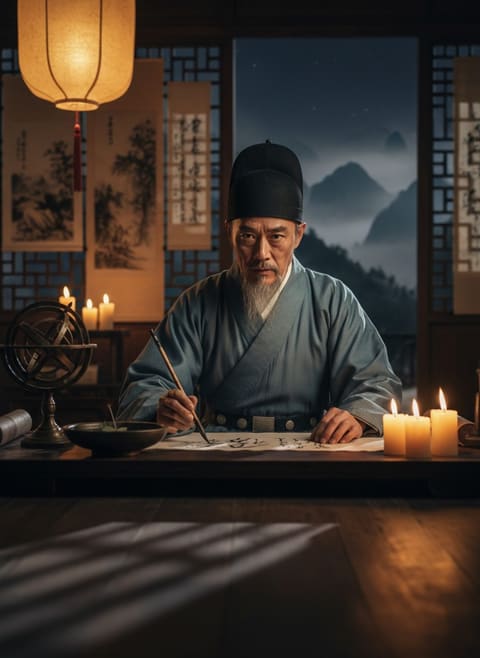
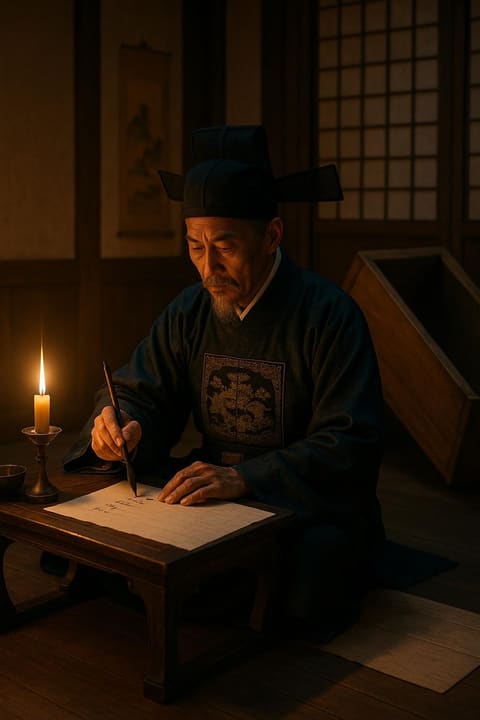
His audacity was first met with exile to Yongzhou, a minor city considered punishment for those who crossed the imperial line. There, among the granite outcrops and whispering bamboo, Liu proved his mettle. Undeterred, he immersed himself in the studies and philosophies that would craft his enduring literary legacy. But it was his return to the fray, his refusal to remain silent, that sealed his fate and sent him to this edge of nowhere, to Liuzhou.
Ordained by imperial writ, Liuzhou was not just remote; it was a place suspected to be fate's final hand. Rumors swirled of spirits in the swamps, of heat that stole a man's strength, and illness that struck without warning. The Tang Dynasty might have been brushing him away, but Liu saw no oblivion. Instead, he saw opportunity. He took the measure of its struggles and found within them a community in need of guidance, a land in need of nurturing.
Read next: He Held the Emperor's Pen. He Used It for the Poor.
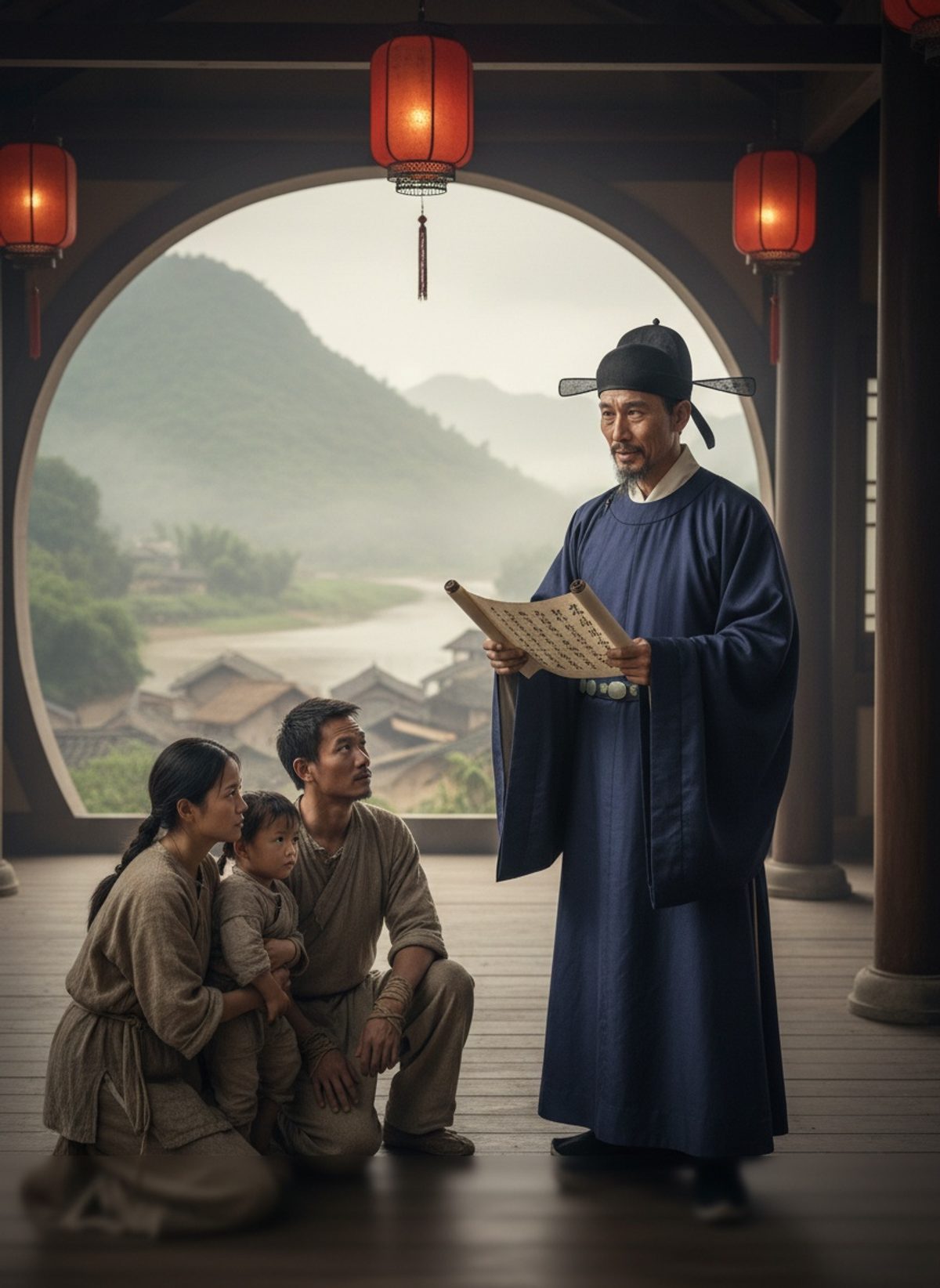
Living amongst the stones and shadows, Liu Zongyuan became a talismanic figure of hope in this forsaken outpost. The schools he built started not as grand academies, but in the cleared spaces among trees. Guides for minds eager to absorb learning, these humble institutes served as bastions of knowledge—small, yet bright flames of wisdom against the backdrop of Liuzhou's wild terrain.
The enslaved families of the region found in Liu a curious anomaly; an official who did not cling to the entitlements of his position but who considered governance a sacred trust. Through subtle maneuvers and heartfelt advocacy, he worked to ease their bondage, granting them a taste of freedom many believed forever out of reach. In doing this, Liu's actions whispered defiantly against the ethos of an empire that rarely valued lives so far from its shining capital.
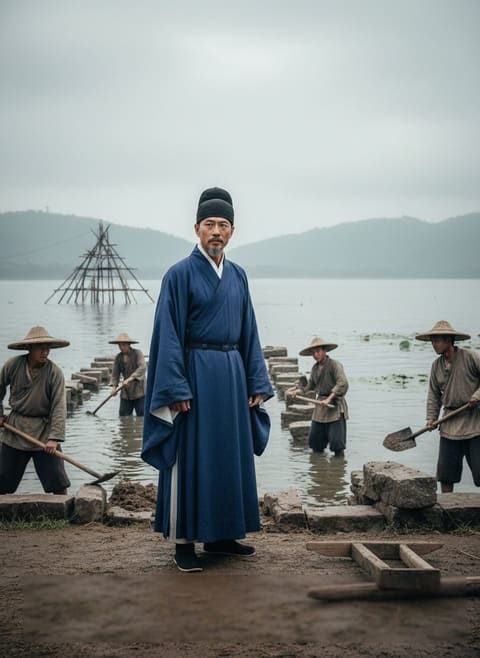
Even the landscape, mutable and harsh, seemed to bend to Liu’s will over time as he promoted agriculture and innovation in water management, mitigating the harmful floods that would regularly claim lives and livelihoods. Bent backs and weary hands found relief, not just in the change of fortune, but in the justice of a leader who walked among them, valuing their toils and their dreams.
Read next: He Served the Emperor for Decades. Then He Told the Truth.
Every act and every word was a tapestry woven from the threads of resilience and empathy. Anecdotes of Liu’s wisdom, his teachings, and his tailored approach to govern were carried on the lips of those who would listen, spreading far beyond the boundaries of Liuzhou. In a time when great walls divided more than they protected, his legacy was a bridge anchored by deeds grounded as firmly in reality as in philosophy.
The emperor who had mandated Liu’s removal might have expected silence from the insignificant south. But instead, it echoed with narratives of reform and compassion, reverberations of a legacy which refused to be extinguished in the distant lush confines of Liuzhou. Despite the pronouncement to vanish, Liu had found a way to inscribe himself into the annals of time, not with swords or blood, but with benevolence and wisdom.
In a world relentlessly shifting under the edicts of emperors and the tides of war, Liu Zongyuan's life invites reflection. The fates he altered, the systems he refused to simply sustain; these whisper across time to a modern echo chamber of change. His story is not merely historical footnote but an invitation to acknowledge the walls humanity builds in error —and the bridges that courage and intellect can build in their place.