1043 AD. A muted air hung over the imperial court of the Song Dynasty.
An Anomaly in the Glorious North
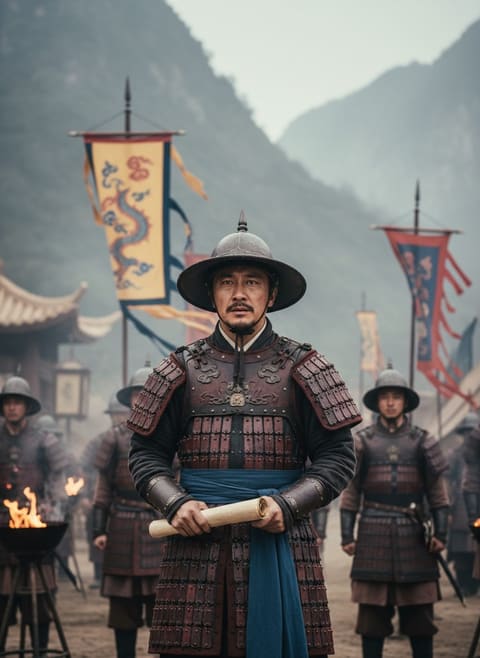
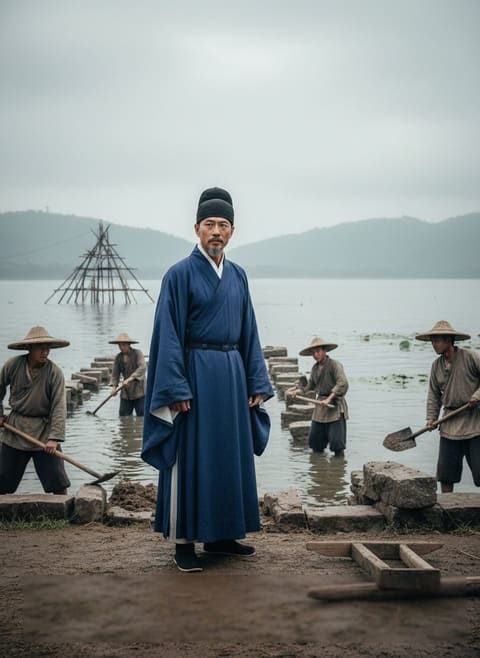
In the autumn of 1043, the northern provinces of the Song Dynasty, usually lush with harvests, lay emaciated. Fields that should've been golden with ripened grain were barren. The whispers of the famine spread far, like the chilling winds that dried up the farmland. The peasants, the very backbone of this agrarian society, struggled under a cruel reprieve. Food was scarce, hope even more so. Yet, within the grandeur of the court in the Kaifeng, the political elite turned a blind eye to this encroaching disaster. Officials, dressed in their sophisticated robes of silk, were able to brush off the cries of the starving. To them, the privileged assurances of the state mattered more than the reality of the suffering beyond palace walls.
The Voice in the Silence
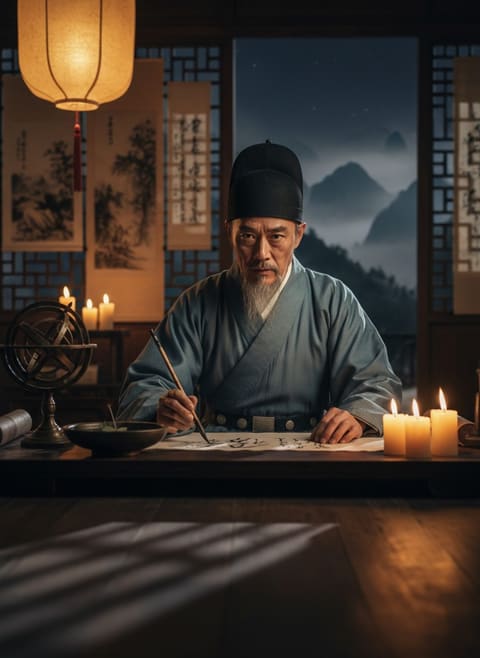
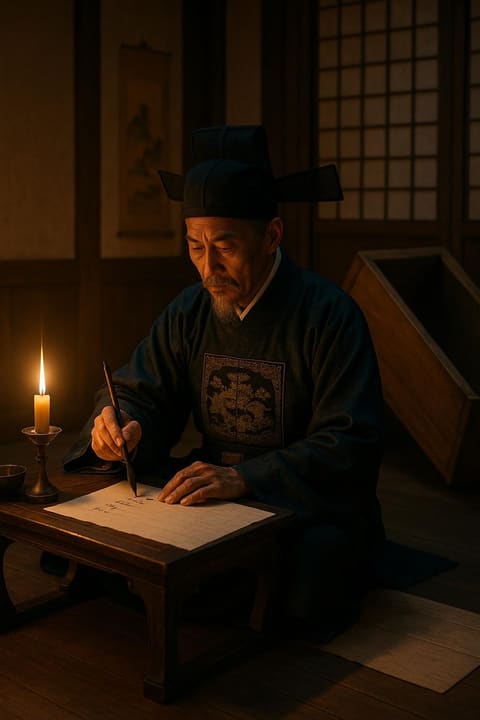
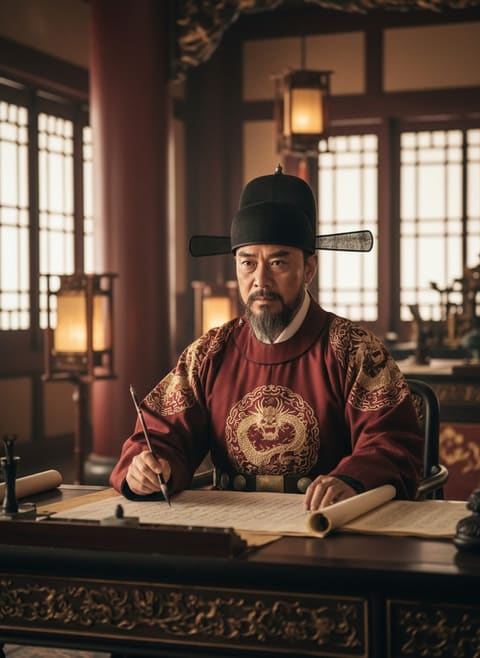
Amidst this indifferent silence walked Ouyang Xiu, a seasoned official known for his unyielding integrity. In stark contrast to the opulence of the court, Ouyang's presence was modest, his face taut with the burden of truth he carried. Serving the emperor faithfully for years, he'd earned a reputation for both eloquence and candor — a rare duality in the cutthroat world of court politics. It was this reputation that emboldened him to report a truth that others deemed too dangerous.
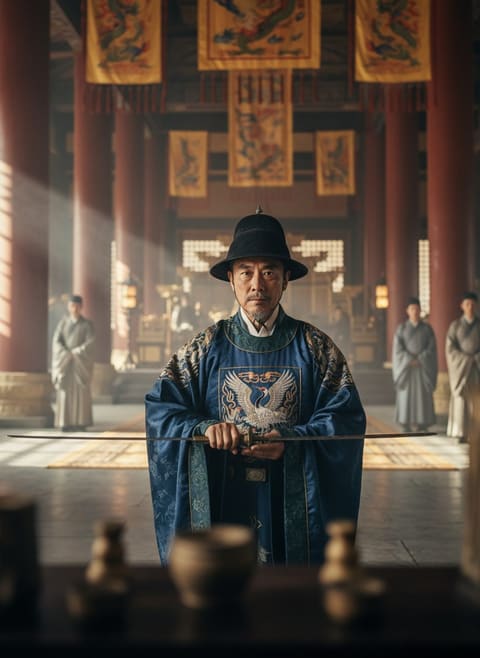
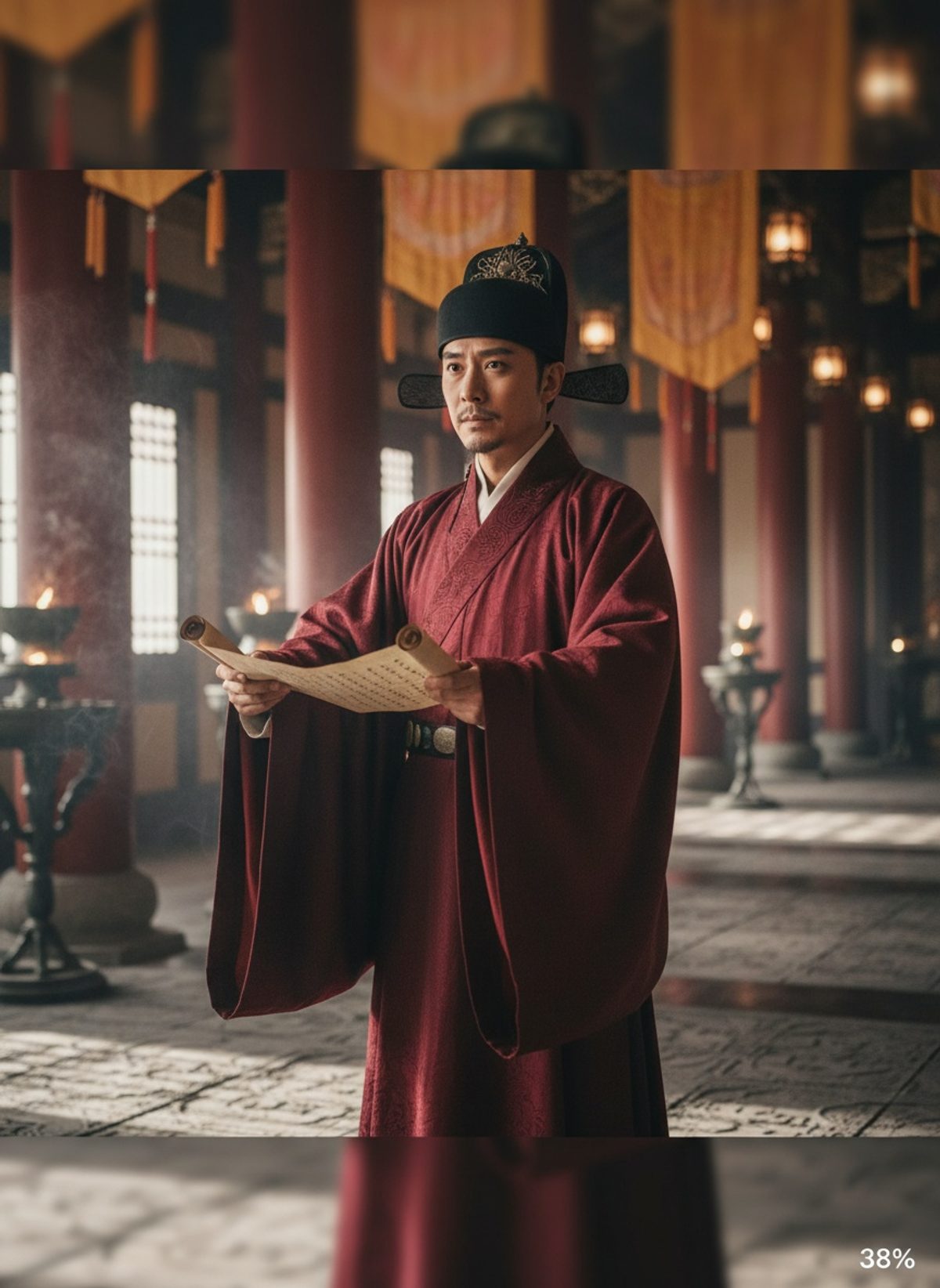
As Ouyang stood before the throne, his voice carried the weight of thousands who could not speak. He detailed the plight of the northern provinces with unequivocal clarity, drawing gasps from those who preferred their comforts over confrontation. Defying the serenity expected of the court, he laid bare the deceitful assurances of officials who had reported all was well. As the names were read aloud, the tremors of his words reverberated across the hall. It was a moment of profound defiance.
Read next: He Served the Emperor for Decades. Then He Told the Truth.
Names in Infamy
Ouyang Xiu's reading was not just a report; it was a reckoning. Each name he pronounced was an indictment of the very foundation of bureaucratic loyalty. The air thickened with tension as he spoke, naming the officials who had sworn that the grain stores were full and no hunger plagued the land. Those names, once associated with power and status, became synonymous with betrayal.
While many courtiers looked away in discomfort, a few watched in awe, recognizing an act of bravery that would likely cost Ouyang dearly. The emperor, caught between the allegations and the accused standing before him, displayed a visage of conflict. Traditions depicted emperors as divine figures untouchable by mortal shortcomings. But Ouyang's testimony cast a shadow on this divine perfection, offering an unwelcome glimpse at the burgeoning divide between the haves and have-nots within the kingdom.
The Price of Truth
Honesty, as Ouyang well knew, came at a steep price. The imperial court, a place where favor could pivot in a heartbeat, was quick to react. Ouyang Xiu was stripped of his rank — his status, once a badge of honor, now a tool for his undoing. Yet, he met this outcome not with bitterness but with resolve. His removal was meant to serve as a cautionary tale of dissent, a reminder to keep personal regard above public duty. But for Ouyang, it was a liberation from the silks of silence that wrapped tightly around the dreams of the emperor's subjects.
Read next: He Walked Into the Emperor's Court. He Said No.
He might have lost his courtly position, but he continued to lend his voice to those without one. His unwavering dedication was emblematic of Confucian ideals, focusing not on his own fall but the welfare of society. Beyond the confines of ornate halls, Ouyang's message spread amongst the populace, echoing through village communities as a beacon of hope to those who suffered unseen.
Why Voices Matter
In many ways, the famine of 1043 was more than a mere historical footnote; it was a litmus test of integrity, loyalty, and the responsibilities of power. Ouyang Xiu's decision to stand up and speak for the voiceless champions the idea that sometimes, the heaviest mantles are not the gilded robes of power but the simple acts of truth and conscience.
His story transcends its historical confines to remind us of the enduring necessity for accountability. When those who wield power shirk it for personal gain, it takes a solitary voice to spark a reckoning. Ouyang’s unyielding stand against complacency and corruption in the face of great personal cost is a lesson in courage that resonates vividly even today—a whisper from the past that challenges us to speak out against injustice in all its forms.