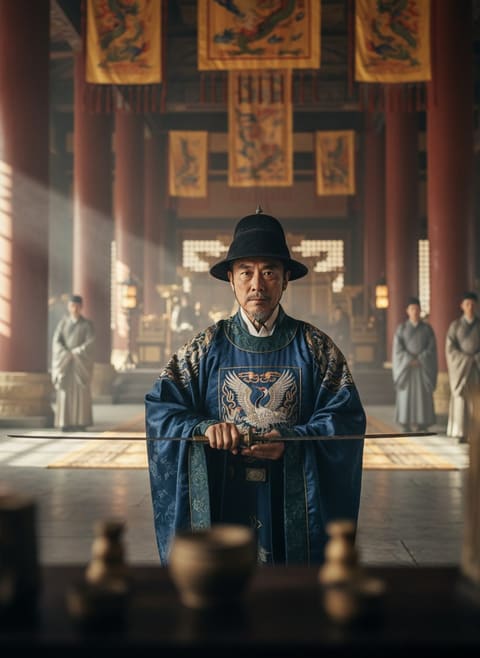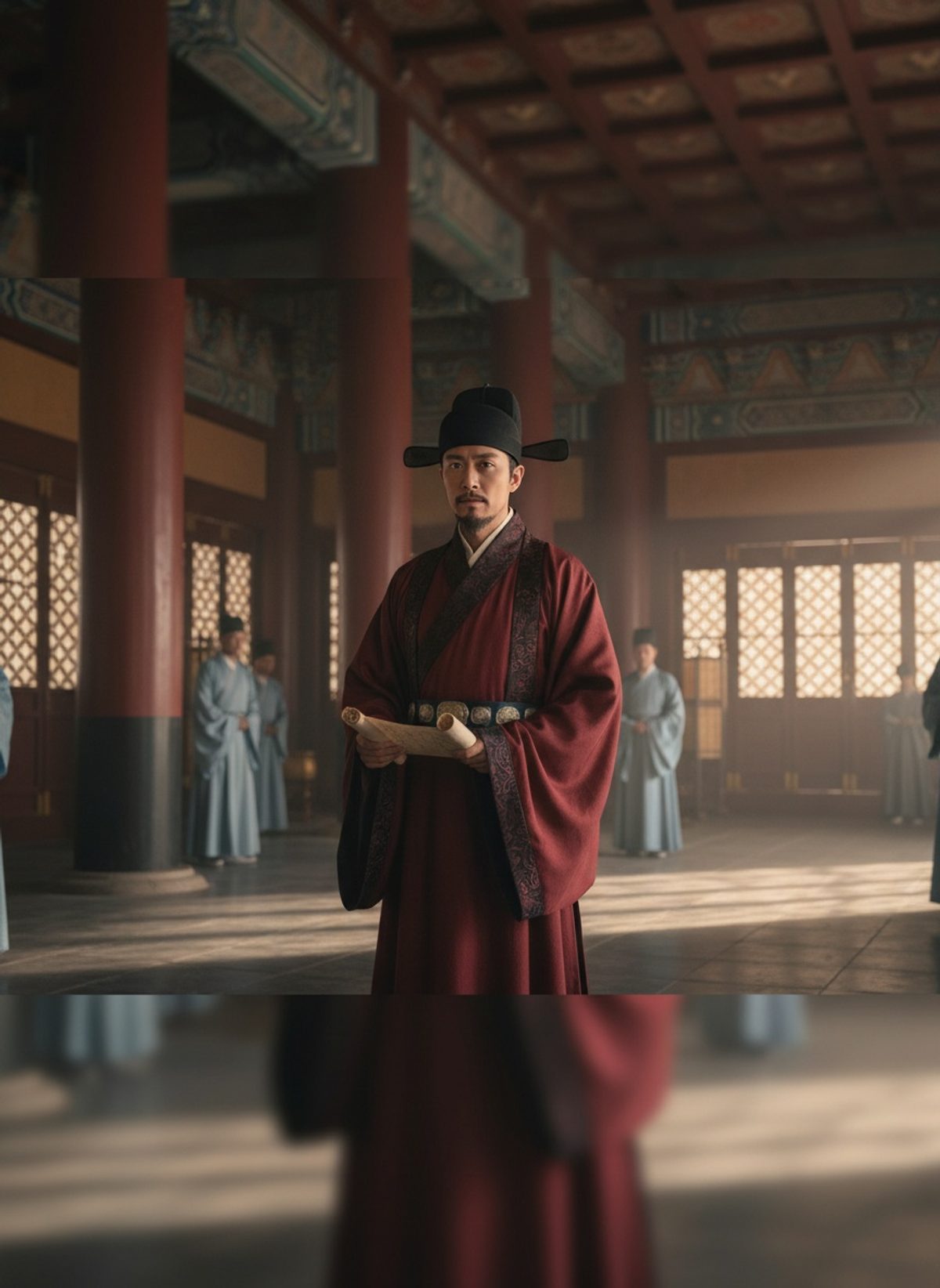
The sound of Ouyang Xiu’s polished shoes resonated in the hushed court, a somber cadence echoing through the marbled halls. He stood, poised yet resolved, before the imperial throne, his heart pounding like a drum in the silent tension of the room. The flickering lamplight cast shadows that danced across the austere faces of assembled ministers, their eyes fixed sharply upon him. No one dared to shuffle; no whisper cut the air. Here he was, the venerable scholar, prepared to shatter the veneer of compliance, to speak the unspeakable truth.
For years, Ouyang Xiu had been a loyal servant to the emperors of the Song Dynasty. Esteemed across the empire, his intellectual contributions had shaped the landscape of Chinese literature and history profoundly. Yet today, these achievements offered no solace to his enemies, those within the court who would see him silenced. Trusted by the emperor, admired and revered, he was now the only bulwark standing between truth and tyranny. The flicker of a wry smile touched his lips as he began to address the assembled nobility. In this dignified anchorage of power, his words would either bring clarity or cast him into ruin.
Pandemonium had erupted weeks earlier when allegations of corruption surged through the emperor's bureaucracy like a wildfire. Anonymous charges had singled out several high-ranking officials, sowing chaos among the court's elite. These men, Ouyang knew, were as innocent as the day is long. Trumped-up accusations served only to destabilize the administration and facilitate the clandestine objectives of more sinister agendas. In silence, he had watched as the innocent were purged, one by one, through a trial by fire orchestrated by unseen hands.
The air felt thick with tension as he recalled those fateful days. The palace grounds, once imbued with the fragrance of blooming magnolias, seemed to reek of deceit. The accused clung to last strands of dignity as they were paraded through the whispers and contempt of onlookers. Ouyang, however, refused to be swept along by the undertow of delusion. Although stillness hung over the grand halls where he worked, he had resolved to make the waves.
Read next: Shen Kuo Mapped the Stars. The Emperor Exiled Him.
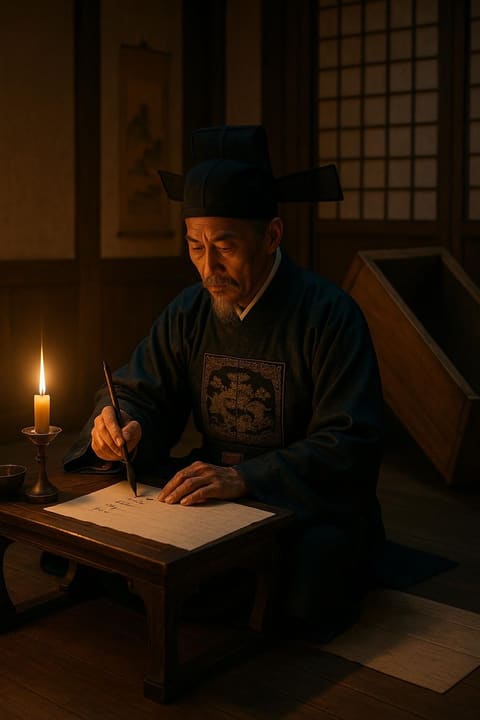
Now, standing resolute, his words carried the weight of conviction. It took every ounce of his scholarly acumen to assemble the ironclad missive he had prepared specifically for this audience with the emperor. His voice neither faltered nor soared; it was a steady stream that cut through the oppressive silence, like the steady flow of the Yangtze dispelling shadows. "Your Majesty," he began, "I bring neither deceit nor ambition, but the unvarnished truth." His parchment, rich with the clumsy scrawl of midnight musings and assured transcriptions alike, lay like a sacred text in his hands.
Each name he read out bore the mark of exhaustive determination. Beyond the ragged lines of ink lay the lives and families of men he believed innocent, wrongly condemned by misguided zeal and shadowed ambition. The emperor, renowned for his wisdom, leaned forward ever so slightly, his attention captured by the quiet force of Ouyang's revelation. Murmurs began to circulate among the gathered officials, a scant reminder of the vulnerable heartbeat beneath the court's decorous façade.
Ouyang Xiu's testimony carried a triple burden: the lives of the condemned, the sanctity of truth, and the justice embodied by the dynasty's sovereign aspirations. Each name was a pendulous stroke of the brush, striking anew against the backdrop of the vibrant tapestry that was their lives and the lives of their kin. The court was a stage, and his voice the narrator moving the plot. This was not merely a recitation for Ouyang, but a moral imperative and a call to righteousness.
The dusk of truth settled over the royal chamber as he presented his case with unwavering rigor. Here, the conjuring of words forged bonds between righting the injustices done to those wrongly accused and restoring the integrity and acumen of the court. It was as if time paused, granting respect to the gravity of his invocation, each breath a rejuvenation of principles and honor. The room seemed to exhale in unison, releasing tensions long stifled by the unknown currents of intrigue and conspiracy. Ouyang's singular courage emerged as the ripple destined to alter the very fabric of the court's values.
Read next: Yue Fei Was Winning. The Emperor Called Him Back.
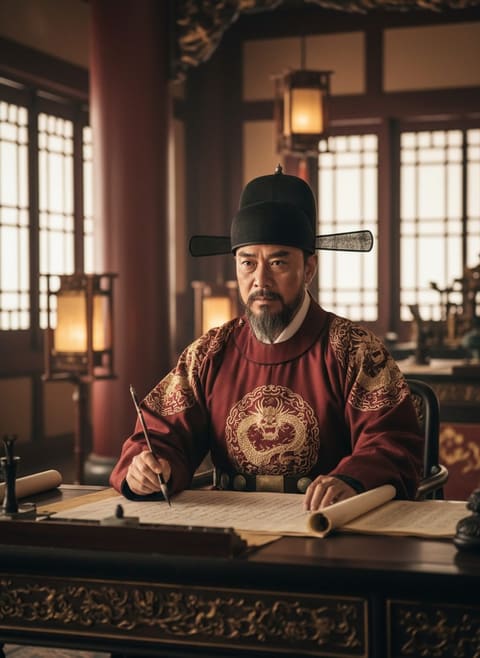
The emperor, bearing the heavy mantle of dynastic responsibility, turned towards his scribe. Eagerly capturing Ouyang’s words for posterity, the scribe's quill worked with renewed vigor, documenting a rare moment in Chinese history—a potent testament to the enduring power of honesty and scholarship shielded against the expediency of lies.
Ouyang Xiu stood silent, awaiting judgment least seen nor given in such grandeur: would benevolence prevail within the favor of the emperor? In the quietude that preceded the verdict, he grappled with the sprawling nature of history itself—untold sides, unspoken truths, and seldom-chosen courage. For the essence of the past does not dwell in immutable stones or forgotten tomes, but in the stories of those who dared carve a future against the given grain.
To this day, 1044 AD remains not only a quiet mile marker along China's storied past but a resounding reminder of Ouyang's resonant courage. The truth, he showed the court, is a flame that cannot be snuffed by darkness, however vast. As memories echo through each hall, swept away by endless winds of change, the will to stand for what is right leaves an indelible, timeless imprint.