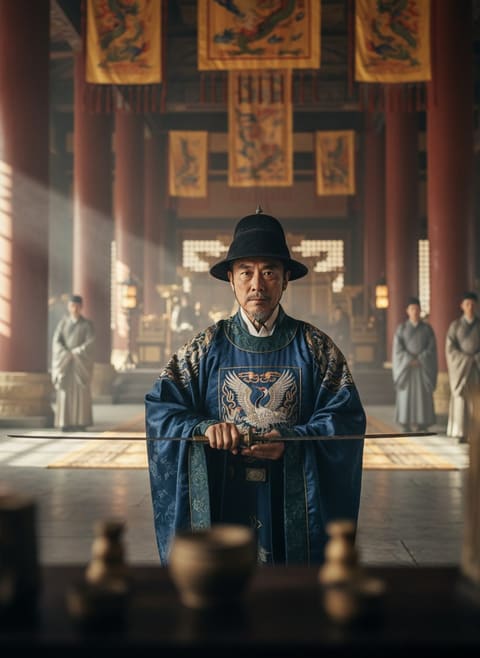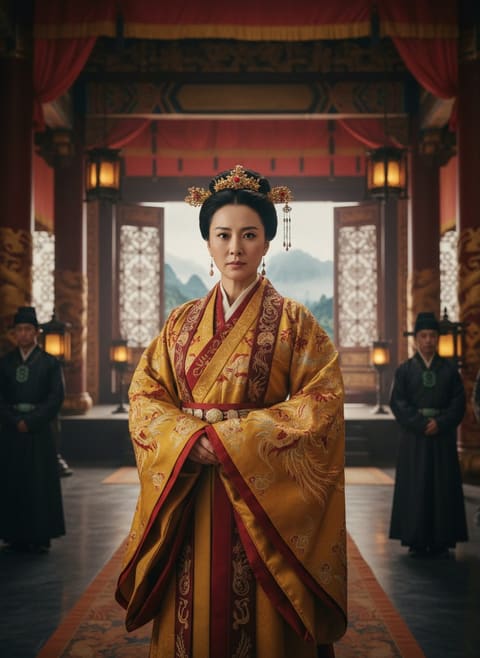
The air hung thick with incense, its tendrils weaving through the swirling dust kicked up by the eager crowds lining the streets of Chang'an. The summer sun bore down, casting long, shimmering shadows on the cobblestones, turning them into a patchwork of light and dark. As the anticipation grew, a drum beat began, its rhythm reverberating off the ancient walls of the city's palaces, calling all to attention for the event that would soon unfold. In the heart of the capital of the Tang Dynasty, the hustle and bustle of imperial pageantry reached a fever pitch. It seemed as though the entire empire had come to witness an unparalleled spectacle: the arrival of a relic believed to belong to the Buddha — a singular bone, now paraded through the capital by decree of the Emperor Xianzong himself.
The Emperor had declared that all in attendance — ministers, officials, even the common folk of the city — must pay homage to the relic. It was no ordinary object; it was to be a bridge connecting the divine with the mortal, a testament to the emperor's piety. The processions were grand, filled with color and life, the air vibrated with chants and the scents of exotic spices burned in deference. Yet amid this grand theatre of devotion, a whisper grew louder, a contentious murmur that would soon erupt into defiance.
In a world where obedience was not merely expected but demanded, Han Yu, a scholar with an unassailable reputation for intellect and virtue, stood resolute against the tide. Han Yu's name was synonymous with Confucian scholarship, a beacon of rationalism in an era increasingly veiled with superstition. As he saw it, this public genuflection was nothing short of an affront to the traditions that had long sustained the majesty of the Chinese state. For him, this bone was no divine relic, but a symbol of superstition overwhelming the reason.
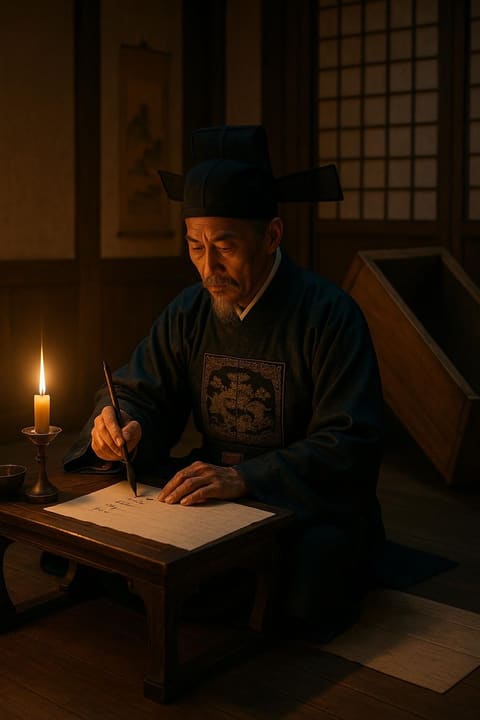
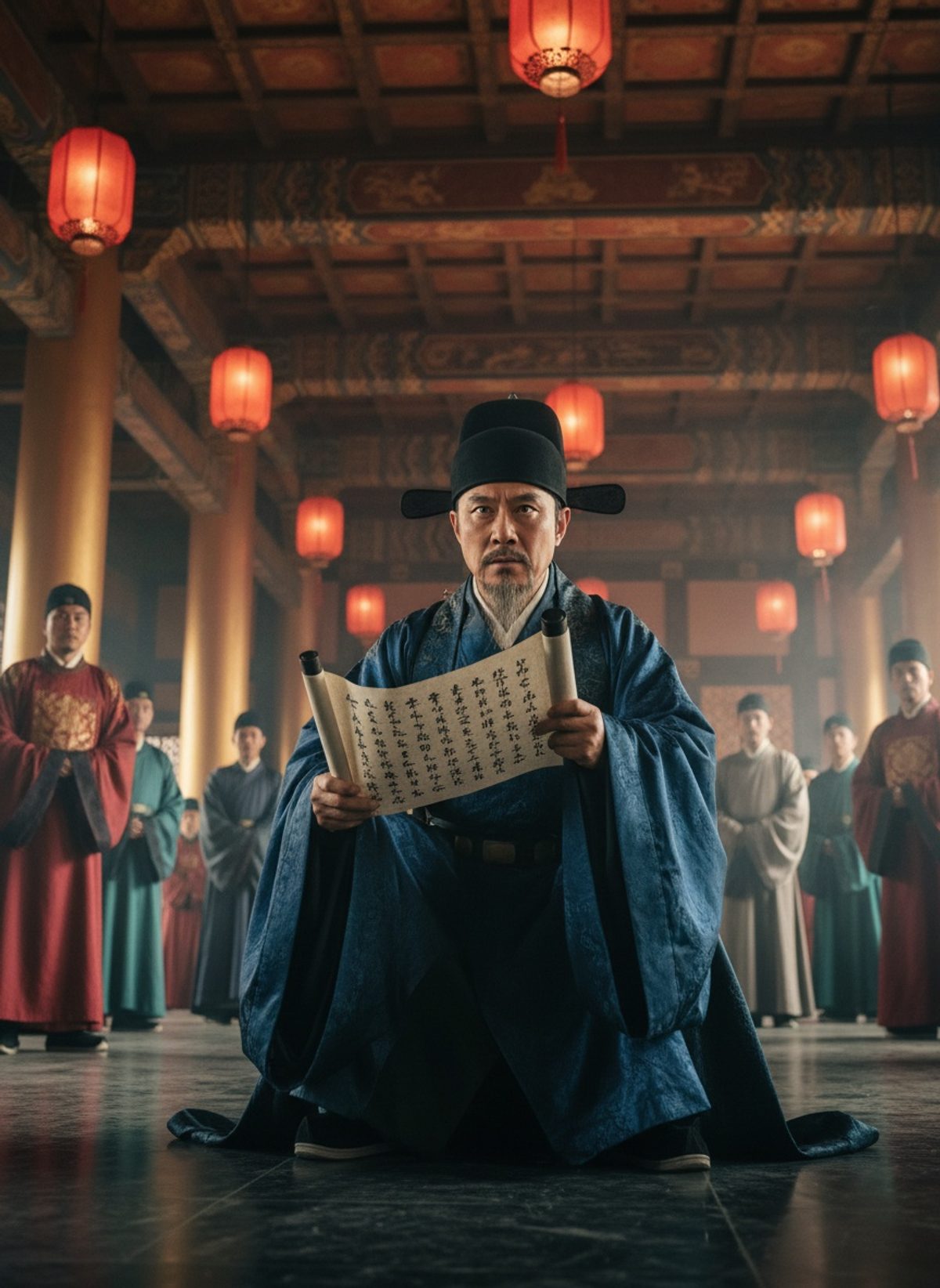
Defiant in his commitment to principled reasoning, Han Yu penned a letter to Emperor Xianzong, one that would soon ripple through the annals of history. His words were imbued with conviction, challenging not just the authority of the bone but implicitly questioning the emperor's judgment. "Your servant," Han Yu began, appealing to the Confucian traditions that shaped his moral compass, "believes that a bone from the Buddha should have no place in our court." His letter was a calculated risk, akin to standing on a cliff's edge, aware that every brush stroke could spell his demise.
Read next: Yue Fei Was Winning. The Emperor Called Him Back.
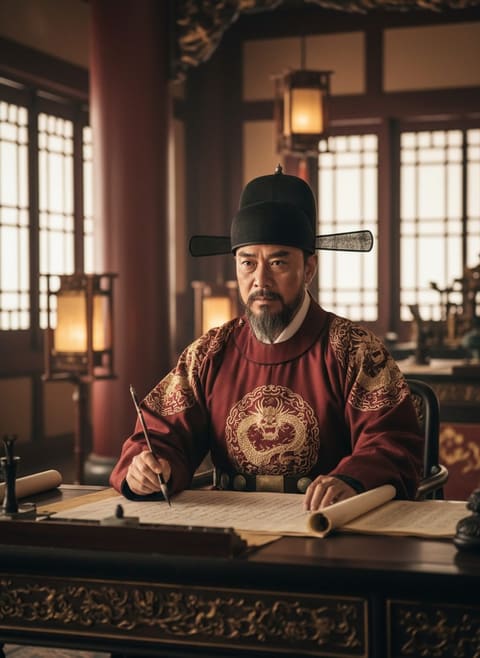
As the parchment moved through the courtiers' hands and finally reached the emperor's desk, the weight of Han Yu's words pressed heavily upon the imperial conscience. In the shifting landscape of Tang politics, such direct defiance was rare and, more often than not, brutally quashed. The initial reaction was as Han Yu might have expected — swift and severe. Emperor Xianzong, perceiving an attack not just on his piety but on his authority, ordered the immediate execution of the scholar. The capital buzzed with the news; a renowned intellectual was to meet his end.
Fate, however, had different strands to weave. Perhaps it was the strength in Han Yu's argument, his reputation as an incorruptible voice of reason, or merely the whispers of more moderate advisors that swayed Xianzong. As the execution loomed, the emperor reconsidered. The decree was retracted; instead of death, Han Yu was sentenced to exile, a punishment still grave but merciful compared to the alternatives. Thus, Han Yu lived, his letter surviving to become a testament to the power of conviction in the face of overwhelming authority.
Read next: Su Dongpo Was Exiled. He Fed the Hungry Anyway.
This episode, a brief flicker in the grand timeline of the Tang Dynasty, offers more than a story of a scholar and his emperor. It reflects the perennial struggle that continues to shape societies across the world — the tension between tradition and change, between blind faith and reasoned argument. Consider the Tang Dynasty not merely as an ancient backdrop to this drama but as a mirror reflecting today's challenges: the clash between modernity and tradition, the role of state overreach into personal faith, and the courage it takes to speak truth to power.
The survival of Han Yu's letter, its words resonating over a thousand years, reminds us of the fragile — yet indomitable — nature of truth. It underscores the responsibility each generation holds to question the world around them, to sift superstition from science, and to safeguard the values they hold dear in the face of tyranny. History tells us that human courage, enshrined in the ink upon parchment, is alchemical. It can transform the course of events, and against all odds, it can persevere time's corrosive passage. In 819 AD, Han Yu did not merely question an emperor; he championed the enduring pursuit of truth.