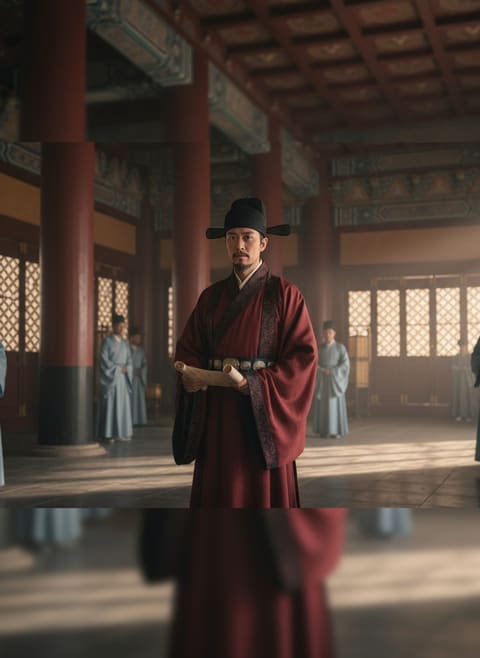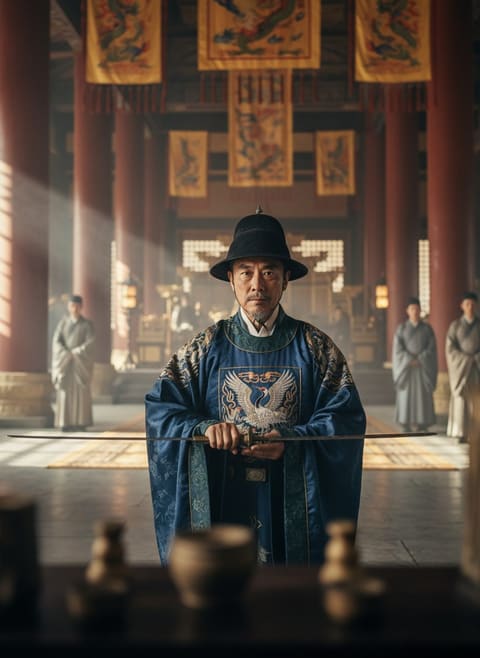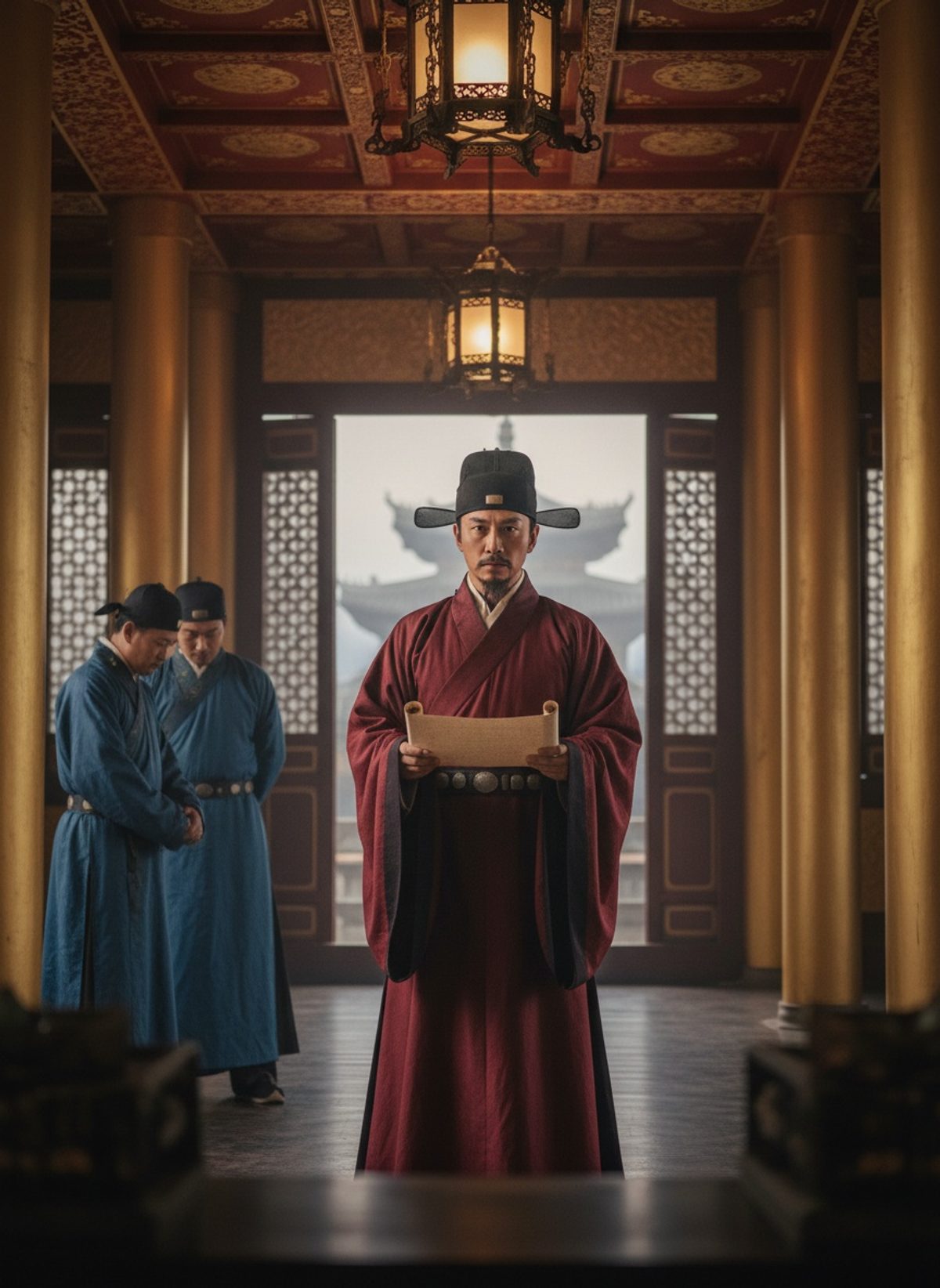
He was a Confucian scholar. His stern opposition to Buddhism nearly cost him his life.
The Parade and Its Cost
In 819 AD, the bustling city of Chang'an, the heart of the Tang dynasty, found itself caught in the grip of an extraordinary spectacle. It wasn't just any celebration; it was an affair marked by opulence, a tribute to an artifact that had traversed centuries. Emperor Xianzong had decreed that the sacred relic, a finger bone believed to belong to the Buddha himself, be paraded through the capital's streets. The emperor’s mandate prompted unparalleled commotion as he aimed to align his reign with divine auspices through the veneration of this relic.
Every corner of Chang'an resonated with the sounds of festivity. Streets were adorned with silk banners and fragrant with incense, drawing vast crowds that gathered to witness history unfurl. The atmosphere thrummed with anticipation as citizens strained to catch a glimpse of the relic. Such religious exuberance, though, came at a steep cost. The monumental procession, requiring vast sums from the imperial treasury, triggered quiet unease among more discerning members of the court. It was against this backdrop that an unusual figure emerged, his opposition a rare voice amid the chorus of approval that surrounded the emperor’s ambitious display.
The Courageous Dissent of Han Yu
Han Yu, a noted scholar, philosopher, and staunch Confucian, chose to stand in stark contrast to the prevailing tide. While his contemporaries basked in the spectacle and praised the emperor’s decision, Han Yu saw an extravagance that contradicted the principles he held dear. For Han Yu, the Buddha’s finger bone was not a sacred object but a symbol of religious excess that challenged the very core of Confucian values.
Read next: He Stood Before the Throne. He Spoke for the Starving.
In a move as bold as it was reckless, Han Yu penned a letter directly addressing Emperor Xianzong. His words, steeped in Confucian philosophy, struck with an audacity that few contemporaries dared to muster: a direct condemnation of the emperor’s actions. Han Yu’s letter eloquently articulated his deep concerns over venerating the relic, suggesting it diverted attention from the Confucian values of governance and moral integrity that he believed should guide the state. Yet where others saw mere words, the emperor saw an affront to his authority and vision.
The Sentence and the Exile
The response from Emperor Xianzong was nothing short of severe. Han Yu's outspoken defiance could not be ignored, and the emperor's trust had been shaken. The Confucian scholar's fate was sealed with a swift sentence: death. It was a harsh decree, yet one reflective of the emperor's determination to stifle dissent and maintain the sanctity of his rule.
However, luck, or perhaps the lingering whispers of Han Yu's intellectual prowess, staved off this ultimate punishment. Despite the initial sentence, Han Yu’s life was spared. Instead, he faced exile—a fate that saw him removed from the political and intellectual heart of the empire, ensconced in a distant province where his influence could be tempered, if not entirely erased. But exile, rather than silencing Han Yu, became a new chapter in a life defined by intellectual fervor.
The Written Legacy of Han Yu
Banished but unbroken, Han Yu continued to write, his exile transforming into a prolific period of reflection and composition. Removed from the heart of political discourse, he found a new lens through which to observe the world and the workings of the Tang dynasty. His writings during exile were infused with a distinct clarity and conviction, forever etching his thoughts into the annals of history.
Read next: He Held the Emperor's Pen. He Used It for the Poor.
The themes of Han Yu’s later works underscored the Confucian ideals he championed, a continual rallying cry for moral integrity and a governance that eschewed superfluous displays of wealth or religious distraction. His essays, letters, and poetry not only critiqued the follies of court life but also offered insights into a greater philosophical discourse—one that argued for a return to morality and ethical leadership.
The tale of Han Yu holds a mirror to the tensions and dichotomies of Tang-era China—a time when religious fervor coexisted uneasily with Confucian orthodoxy. His story illustrates the power of the pen to challenge authority, even within an imperial system where dissent could easily bring down harsh reprisals. Han Yu’s resilience in the face of exile and punishment remains illustrative of the enduring conflict between personal conviction and political necessity, a narrative as old as history itself.
As we delve into Han Yu's story, we uncover more than a mere historical footnote; it becomes a dialogue on the importance of principled dissent and the timeless struggle to balance tradition with change. His life and legacy spur us to consider the value of standing firm in one's beliefs, even as the world around demands compromise. The power of Han Yu's story endures—it is a testament to the strength of the ideas we choose to defend.