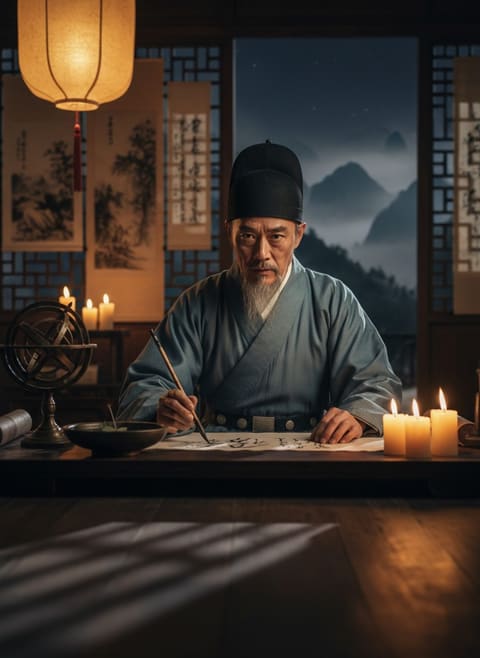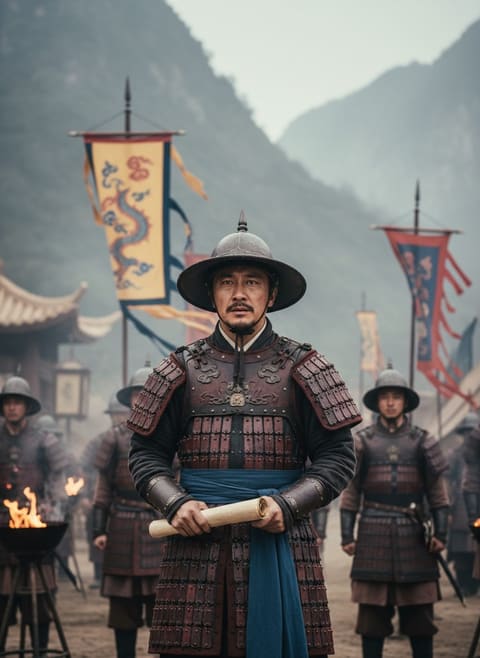
The morning mist clung stubbornly to the low, rolling hills of Kaifeng, the Song Dynasty's grand capital. River breezes carried the scent of damp earth and the distant clamor of the bustling city just stirring to life. Amidst this serene backdrop, the atmosphere within the city’s imperial court was tense and charged. The century was marked by power struggles and intrigue, where whispers could dictate fates, and paper edicts bore the weight of death. In 1043 AD, one such decree was about to irrevocably alter lives — unless a singular act of defiance could prevent it.
The Unyielding Uprightness of Kaifeng
In the heart of the ancient city, where dusty scrolls held sway over justice and morality, stood a man known as Bao Zheng. Renowned as a paragon of integrity, Bao's very name epitomized the ideal of fairness. He was a figure woven into the fabric of the Song era's bureaucratic tapestry, a living nod to Confucian virtue amidst the excesses and corruption rampant in the imperial court. Yet, unlike many who succumbed to the lure of power or riches, Bao fortified his reputation with an aversion to personal gain.
During this period, the emperor’s decrees were seldom questioned, let alone defied. They were seen as extensions of heavenly will, their authority absolute. But on the fateful day when Bao Zheng received the brutal decree sentencing thousands to a grim fate, his conscience was ablaze. These were not the sentences of a just sovereign; they were incensed scribblings framed by malice and misguided zeal. Bao Zheng, though only one man without army or political clout, resolved not to let the order pass unchallenged.
A Decree Delivered, A Destiny Denied
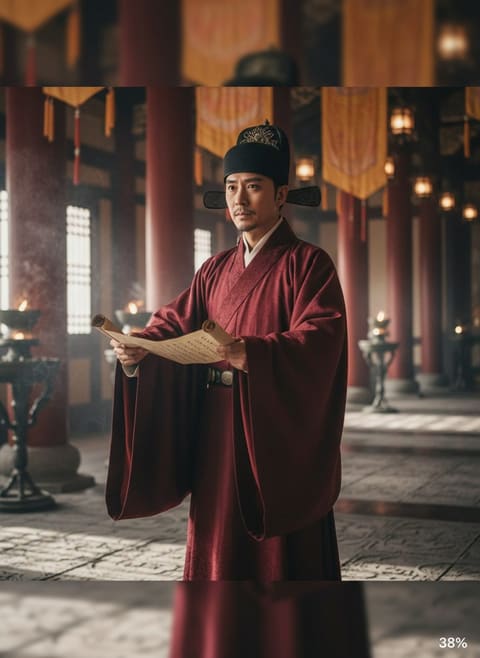
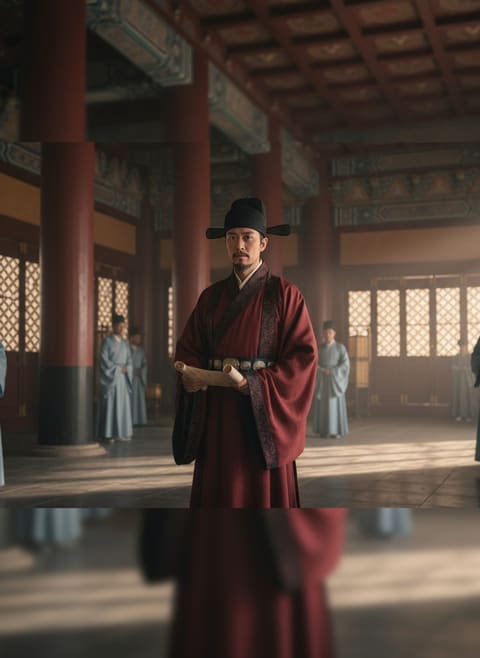
As the court gathered, layers of excruciatingly fine silk twitched in the afternoon breeze, the room was alive with whispered speculations. This atmosphere of silent anticipation shrouded the courtyard as Bao Zheng received the imperial edict. It was a moment punctuated by the creak of wooden sandals against stone and the rustle of silken robes that disguised whetted daggers of ambition.
Read next: He Held the Emperor's Edict. He Tore It Apart.
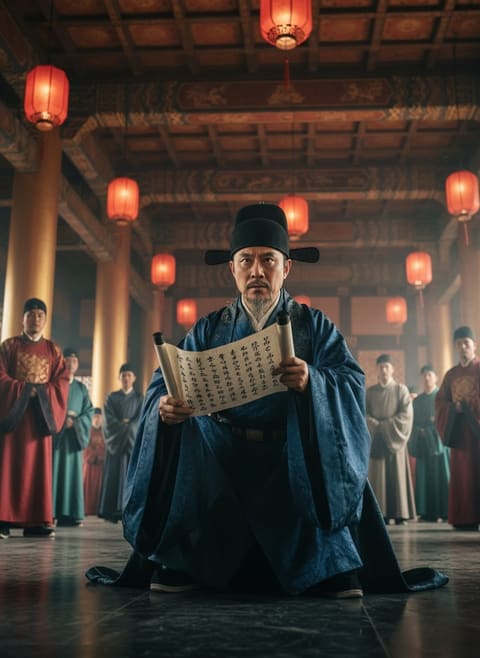
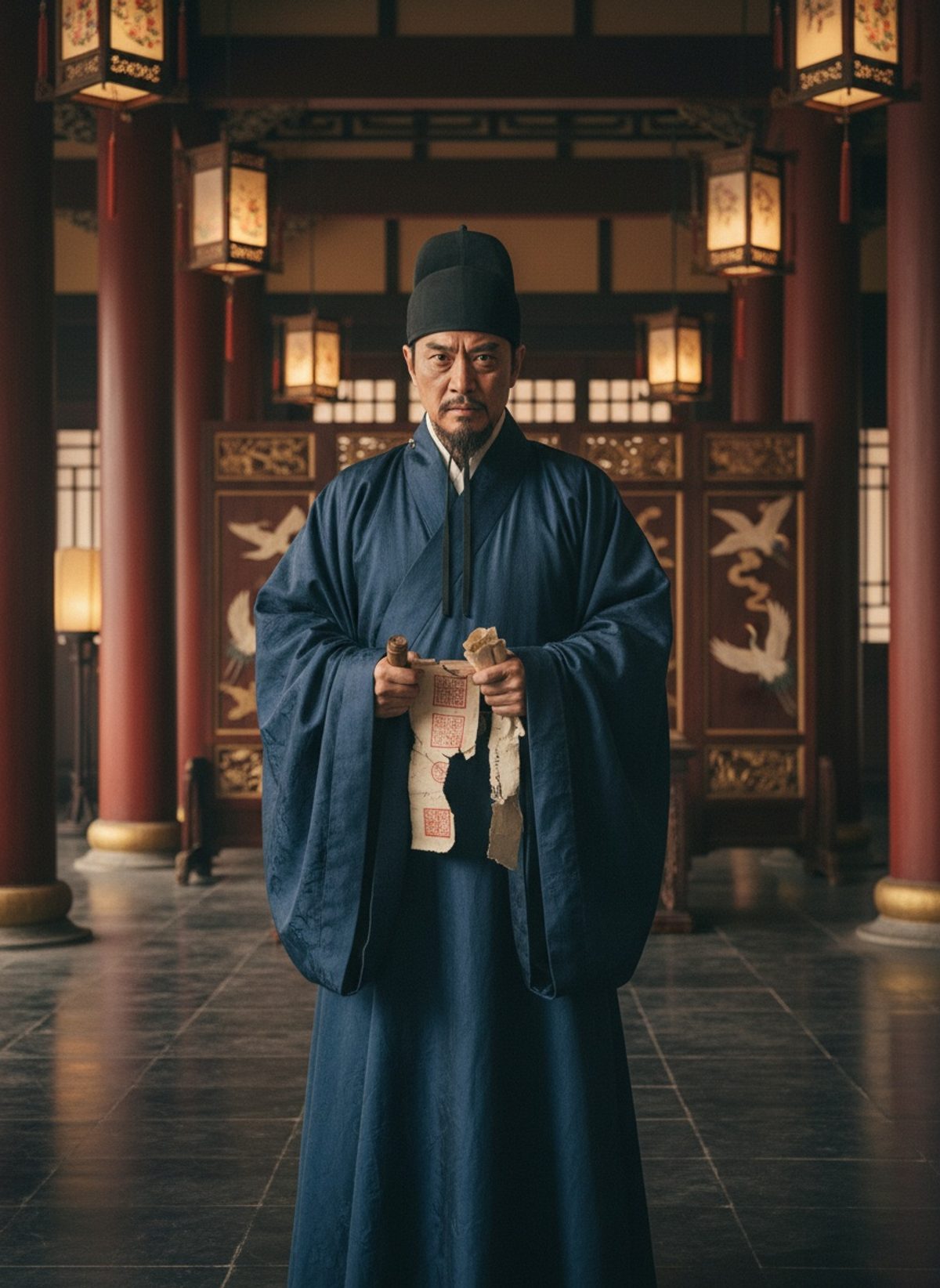
Bao unfolded the paper, his expression a portrait of stoic resignation slipping into boiling outrage. The decree called for the execution of innocents, mere pawns in a larger game of power. With careful deliberation, Bao Zheng did the unthinkable. Resolve reflecting in his eyes, he tore the decree in half, the paper’s rip a shockwave through the court's solemnity. Gasps echoed off the chamber walls as his hands moved with unwavering certainty, handing back the sundered pieces.
The decision was bold and bordered on self-destructive. It was defiance at its purest, a victory call to humanity amidst the hewn paths of treachery and indifference. His act was a gamble; a measure not of success but survival, backed by nothing but moral exactitude and uncanny bravery.
The Ripple of a Single Tear
The implications of Bao Zheng's audacity radiated through power corridors as swift as wildfire. His action was akin to throwing a stone into a still pond, the ripples disturbing the genteel surface decorum of the court. The emperor, though outraged by what others might deem insolence, faced a dilemma; Bao's reputation was ironclad, and to punish him harshly could arouse the public’s ire. Bao had, in a breath, traded the oppressive weight of silence for the lighter burden of justice.
His courage, seemingly a lone beacon of defiance, became a fulcrum around which other reform-minded officials gathered inspiration. In sparking the potential for change, Bao Zheng not only protected those condemned by the decree but perhaps opened the emperor’s eyes to the rot within his circle. This action taught a vital lesson — integrity in governance was worth fighting for, even in the face of insurmountable odds.
Read next: He Faced the Emperor's Wrath. He Would Not Move.
The Legacy of Bao’s Unbreakable Spirit
Bao Zheng’s daring defiance left an indelible imprint beyond his years, his legacy garbed as much in myth as it was in truth. Romanticized tales of the man who dared to defy imperial decree have transformed Bao Zheng into a cultural icon within Chinese folklore, synonymous with justice and honesty.
His story, cast in oral tradition and popularized in operas, inspired countless future generations to challenge an unjust status quo. Bao became a timeless symbol, reminding those who wielded power of their duties and repercussions of immorality. His legacy was interwoven with the enduring fabric of Chinese society, steadfast proof that one voice - tempered by righteousness - could echo throughout history.
Beyond the Ripples: A Lasting Impression
History often turns on moments of quiet courage. Bao Zheng’s refusal to accede to a life-ending decree extended beyond saving lives; it underscored a fundamental struggle for integrity within a corrupted framework. When faced with the tyranny of power, Bao’s story encourages reflection on the moral responsibilities of those in leadership, continuing to resonate through the centuries that followed the Song Dynasty.
The tale of Bao Zheng is more than just a record from a bygone era; it is an invitation to reflect on the moral compass that steers us. In an age where voices were muted by the weight of courtly protocol, Bao Zheng dared to stand, to act, and to remind us that even the softest whispers of justice can challenge the roaring currents of indifference.