The air was heavy and still. The looming presence of smoke clouded the horizon, coiling around the fractured skyline of Bianjing, the capital of the Song Dynasty. As the Jin army approached, their march resonated like a distant thunder gathering force. In 1127 AD, everything the Song Empire held sacred was teetering on the edge of obliteration. But amid the chaos that should have ended an empire, a single act of defiance breathed life back into its wavering heart.
A City on the Brink
Bianjing, once vibrant and bustling with the chatter of markets and scholars discussing the tenets of Confucius, had fallen silent. The haunting cries of battle loomed ever closer, as the Jin forces breached the outer walls of the once-mighty city. Day turned to night under the haze of smoke, and the acrid scent of burning wood and flesh choked the streets. The Song dynasty, which had flourished through art, innovation, and relative peace, faced its darkest hour.
The emperor himself lay captured, a powerless pawn in a game orchestrated by their northern invaders. The royal palace, stripped of its usual opulence, was merely another conquest for the Jin invaders. With fear gripping the hearts of its inhabitants, Bianjing was teetering on the brink of an abyss.
The Keeper of the Seals
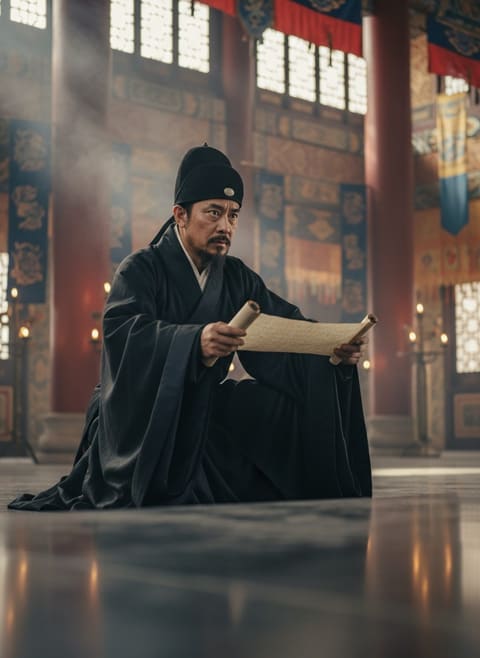
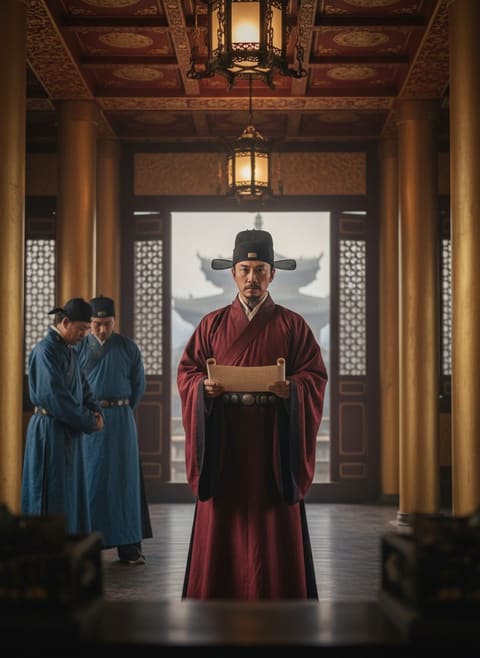
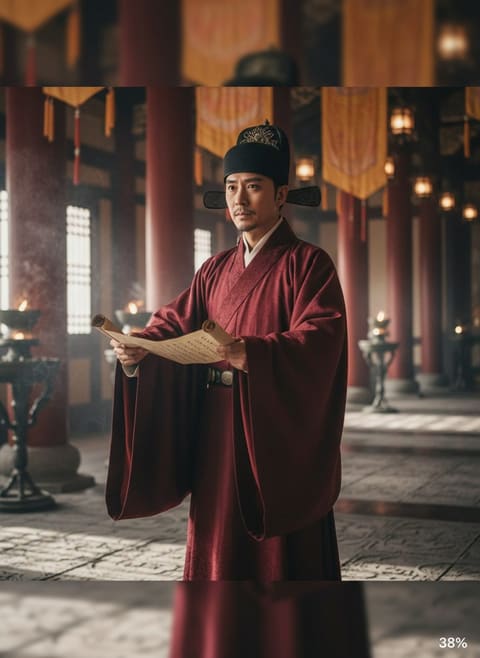
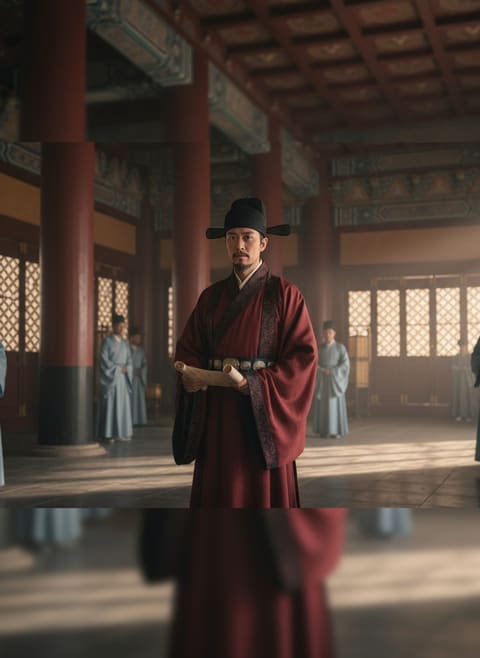
In this desperate hour, when escape seemed the only rational choice, an official of the Song court stood as a beacon of resolve. Charged with the custody of the imperial seals—symbols of the divine right to rule—he carried both the weight of these sacred objects and the future of an empire. Despite the chaos around him, he did not flee. He understood that these seals were more than mere artifacts; they represented legitimacy and the continuance of their lineage.
Read next: He Faced the Emperor's Blade. He Read the Letter Anyway.
Through the smoke-filled corridors and past the echoes of approaching enemies, he gathered these seals under his robe. The seals, meticulously carved and imbued with the weight of generations, burnished with the dust of antiquity, were cradled against his chest like an unyielding promise.
A Stranger's Ascension
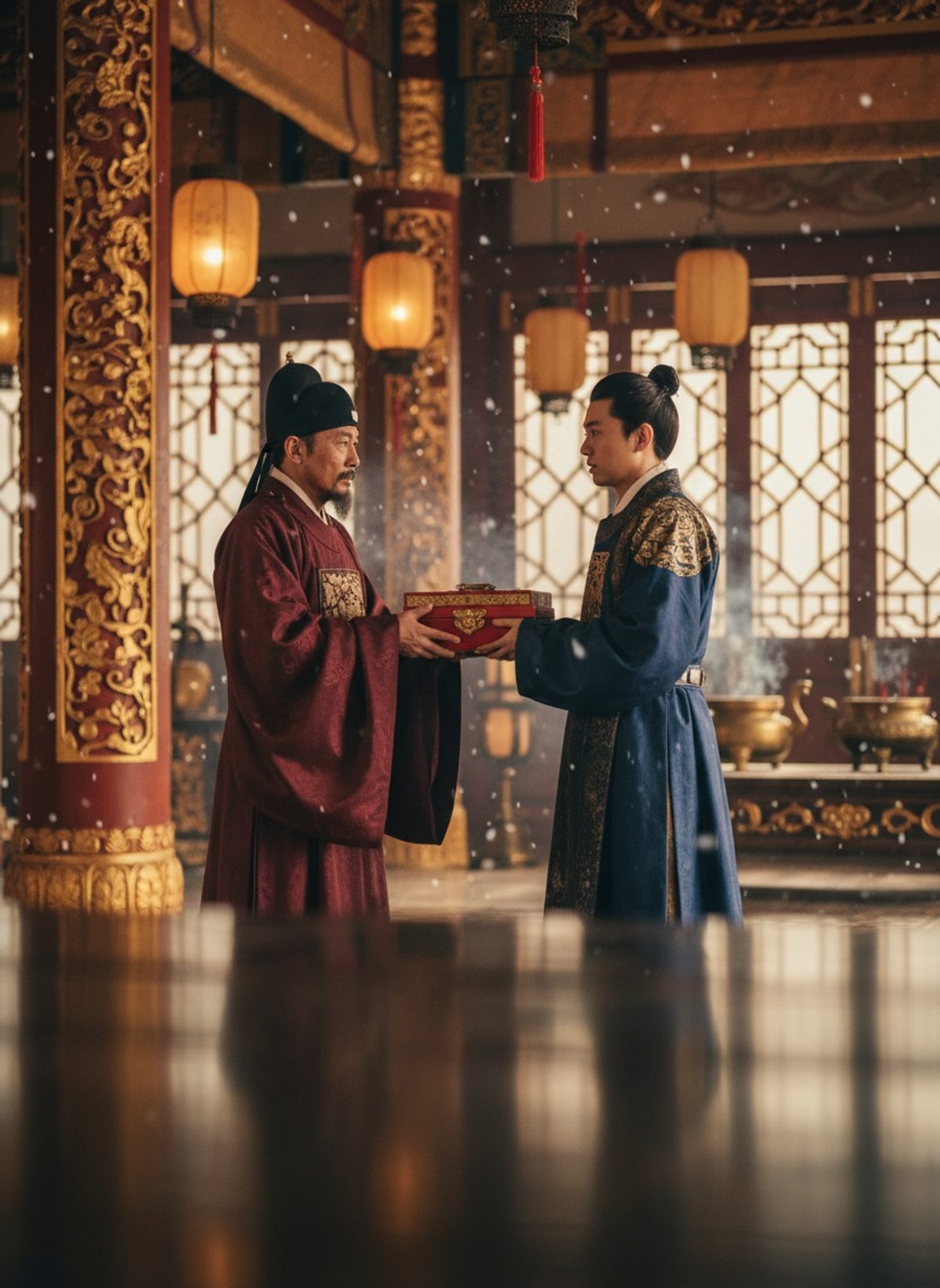
The fate of the Song dynasty now hinged on a most unexpected figure: a prince without a throne or army, one whom no one had chosen. This prince, faced with a legacy tainted by what seemed like irrevocable defeat, was offered the seals in an act of audacious hope. The official, stoic and resolved, placed the seals in his hands, eyes steady with belief that defied reason.
In accepting the seals, the prince, now Emperor Gaozong, was thrust into a reality shaped by burdens heavier than the imperial court had ever borne. Yet, it was this seemingly frail ember of authority that would rekindle the flames of resistance. While the Jin might have captured Bianjing, they failed to extinguish the resolve of the empire that Gaozong and his loyal officials would fortify anew.
The Survival of a Dynasty
With the Jin occupation establishing itself over Bianjing, Gaozong and his loyalists retreated southward, carrying with them not only the seals but the unbreakable spirit of the Song. Establishing a new southern capital at Lin'an (modern-day Hangzhou), Gaozong defied the odds, resurrecting the Song dynasty like a phoenix from the embers of its northern ashes. Through diplomatic finesse and strategic marriages, Gaozong stabilized his reign.
Read next: He Held the Emperor's Order. He Tore It in Half.
Under his leadership, the Southern Song Dynasty emerged, a period marked by flourishing economic prosperity and cultural flourishing. This resurgence was not only a period of survival but a rebirth. As artisans and intellectuals sought refuge in the south, they contributed to a surge in culture and technological invention, developments which would leave a lasting mark on Chinese history.
A Lesson from the Ashes
Reflecting on that pivotal moment in 1127, one finds the heart of the Song Dynasty's endurance not merely in the symbols it cherished but in the resolve of those courageous enough to carry them forward. The choice to hand the seals to a seemingly inconspicuous prince was bold, risky, and laden with uncertainty. Yet, in that decision lay a profound understanding of power, one that transcended mere control of land or wealth: the cultivation of an unyielding legacy.
This tale from the annals of ancient China isn't simply about emperors and conquests—it's an enduring narrative of resilience and foresightedness that echoes across the ages. In a time when chaos reigned supreme, the actions of a single official and an unexpected prince remind us that the course of history can pivot on moments of bravery and conviction. Even in the face of overwhelming adversity, possibility endures as long as there are those who dare to grasp it.