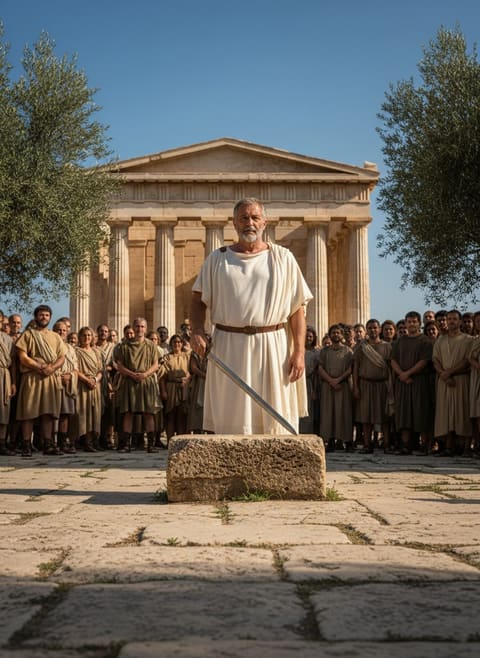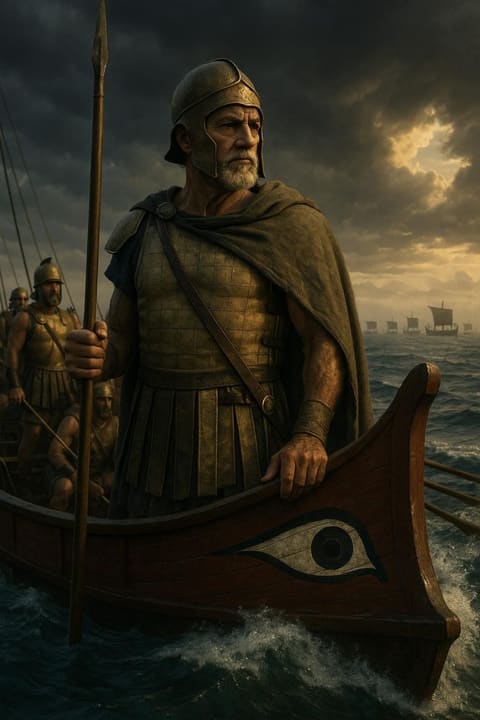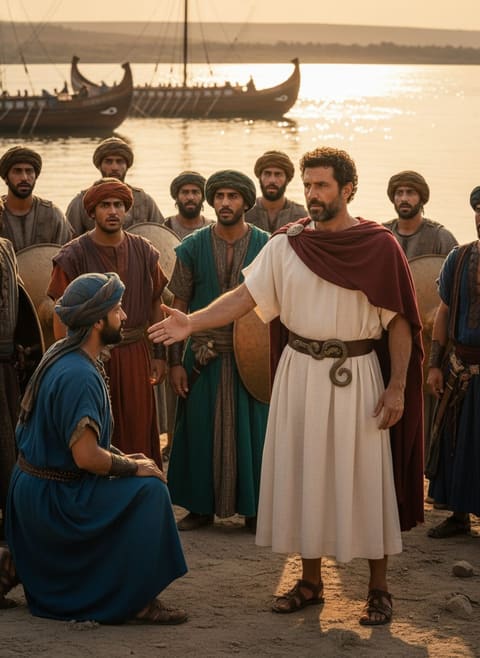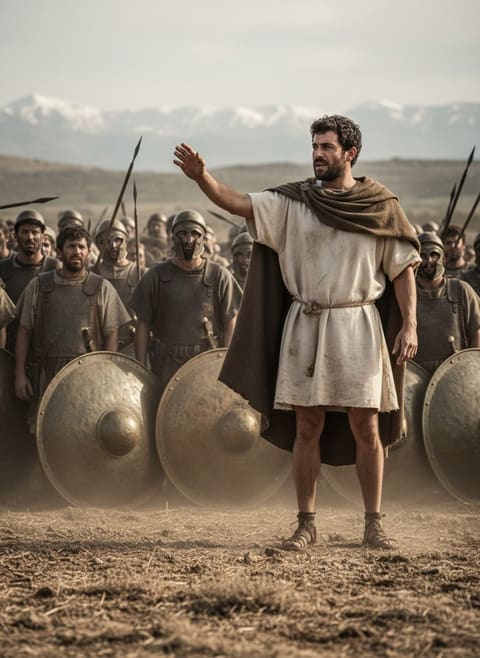
Phocion was a consistent pillar of Athenian leadership. Yet, he walked to his death without anger, betrayed by the very city he served for over four decades.
A General's Legacy
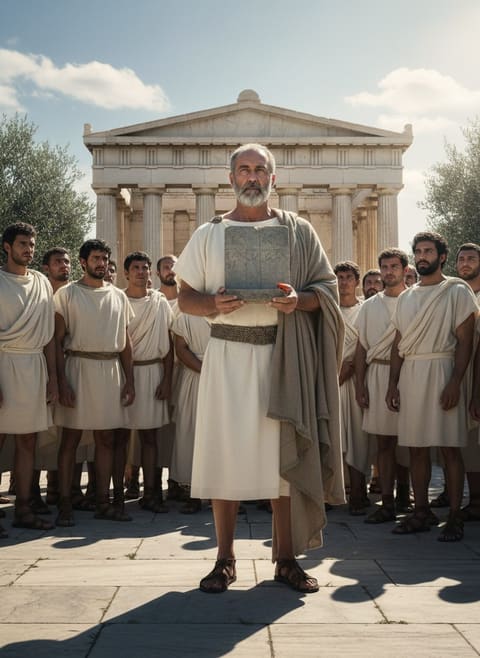
Phocion of Athens was born around 402 BC, and history remembers him as ho khrēstos — "The Good." This Athenian statesman and strategist found his calling in both military and political arenas. Over a lifetime, he ascended to the prestigious post of strategos — or military general — a staggering 45 times across his 84 years, a testament to both his tactical acumen and his reputation for integrity. Clad not in opulent robes but in the understated garb of a philosophical disciple, Phocion's convictions led him to live a life of moderation and frugality, a rarity in the often lavish circles of governance.
Though his demeanor was a reflection of his commitment to virtue, it was in the theatre of war that Phocion first commanded respect. A young Phocion served under the remarkable yet turbulent General Chabrias, an experience that helped shape his strategic brilliance. Leading the left wing to victory at the Battle of Naxos in 376 BC, Phocion's name would find its place among Athenian heroes, immortalized on the pivotal day of the Eleusinian Mysteries.
A Statesman at Odds
Despite his military prowess, Phocion's political life was fraught with opposition. By consistently prioritizing what he believed was best for Athens over popular sentiment, he often stood as the solitary dissenting voice in the Athenian Assembly. Many admired his steadfastness and wisdom, but few were willing to follow his uncompromising principles.
Read next: Pytheas Sailed Beyond the Edge of the World. He Was Right.
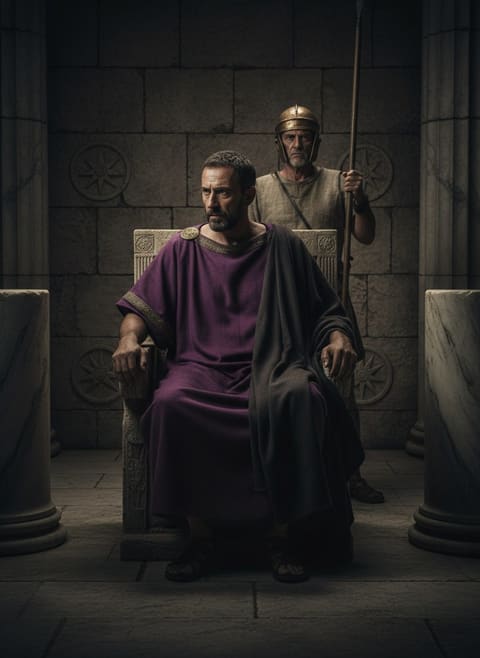
Phocion's advocacy for restraint and caution was exemplified by his opposition to the reckless wars and populism that sometimes dominated Athenian politics. Yet, even as he carved out a formidable and respected position, Phocion's career was mired in contention and division. In particular, his interactions with Macedonian power proved fateful. As power dynamics shifted under the burgeoning dominion of Macedon, Phocion found himself in a precarious position — caught between maintaining Athenian dignity and avoiding provocation.
Despite Athens falling under the shadow of the Macedonian regency led by Polyperchon, Phocion strove to defend his city, advocating for pragmatic engagement rather than futile resistance. It was a delicate balance that increasingly alienated him from both his countrymen and Macedonian leaders.
The Ultimate Betrayal
318 BC saw a political upheaval in Athens. The tide of public opinion, stirred by the antagonism of a restored Assembly and animosity from Macedonian influences, turned violently against Phocion. Accusations of treason — unfounded yet damning — were levied upon him, and the once-revered general found himself on trial for his life. His reputation, once a shield, now rendered him a target.
Read next: Leonidas Was Dead. Eurybiades Held the Line.
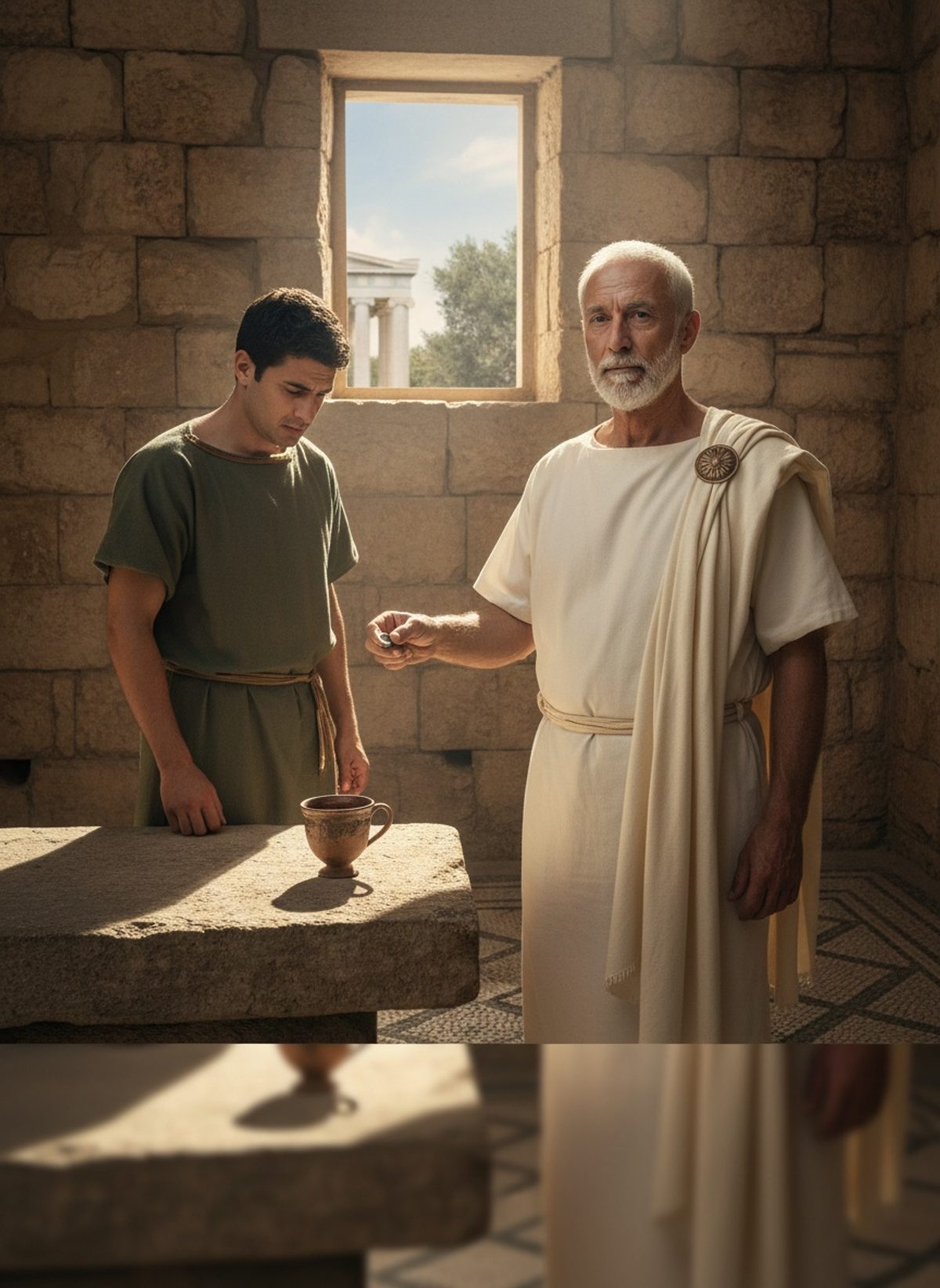
Condemned to death by the same assembly that had long honored him, Phocion’s participation in the trial was marked by dignity and stoicism. He faced his fate without bitterness, perhaps finding solace in the integrity he had maintained throughout his life. As he walked toward his execution, led to drink the fatal hemlock, Phocion did not rebuke the city that turned against him. Instead, his final concern was a practical one — he borrowed a coin to pay his executioner, for he had none left. It was a poignant and surreal moment, illustrating his adherence to principle, even in his last act.
Echoes of Memory
Phocion’s death would haunt Athens. His story underscored the fickleness of public favor and the tragedy of principled leadership amid political unrest. The city that had thrived under his defense came to see his execution as a profound injustice. Even the executioner sought no glory from the task, becoming an unwitting participant in the narrative of shame Athens would bear after Phocion's passing.
In the serene finality of Phocion’s last gesture, there lies a reminder — not merely of an individual’s legacy, but of a societal responsibility towards integrity and gratitude. His willingness to forgive a city that condemned him demonstrates a steadfast commitment to virtue, a lesson that resonates through time. Phocion remains an exemplar of the enigmatic balance between civic duty and personal morality, challenging us to reconsider the worth of those who stand opposed to popular tides yet remain unwavering in their dedication to the greater good.