Most people have never heard of Ward 20 in Glasgow Royal Infirmary. They should have. It was here, amidst the cries of the wounded and the stench of infection, that a blacksmith’s son set the stage for modern antiseptic surgery.
The Grim Reality of Victorian Surgery
In the 1860s, surgery was often a last resort, a desperate gamble against the likelihood of death. In Glasgow Royal Infirmary, a Victorian-era hospital bustling with the chaos of a growing industrial city, the odds were even grimmer. Patients who survived the knife frequently succumbed not to their original ailment, but to the invisible spectre of infection. The bustling wards were home to sights and smells of suffering—gangrenous wounds, flies buzzing, the persistent tang of bodily fluids lingering in the air. It was the kind of place that left even the hardiest souls wary.
Half of those who underwent operations perished—not due to their injuries, but from postoperative infections that spread through the wards like wildfires. Surgeons worked with neither the benefit of sterilized instruments nor the faintest understanding of germs. Into this nightmarish theatre of suffering stepped Joseph Lister, a man who saw no reason to accept the status quo.
From a Blacksmith's Workshop to Medical Revolution
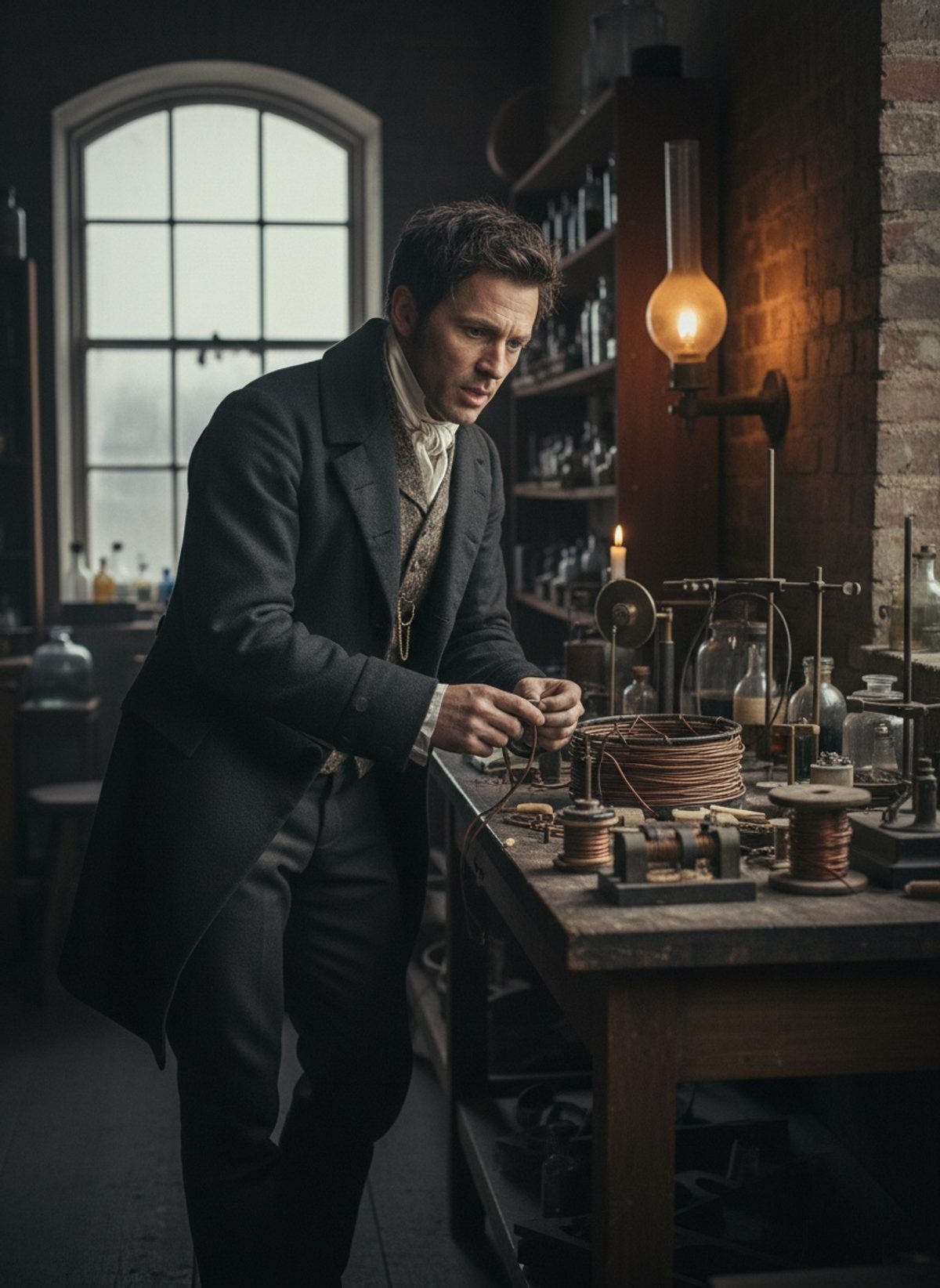
The son of Joseph Jackson Lister, a pioneering blacksmith turned scientist, young Joseph had grown up navigating between the clang of metal and the precision of lenses. This unusual upbringing in the town of Upton, Essex, provided him with a unique perspective—a fervor for practical solutions and an appreciation for minute details. His father was an influential figure in the development of the achromatic lens, pivotal in advancing the field of microscopy. The elder Lister's work was not only technical but transformative, instilling in his son the belief that observation and innovation could change the world.
Read next: The Day a Brewer's Son Lit the World's First Electric Light
After completing his medical education, Joseph Lister found himself captivated not by the surgical triumphs of his contemporaries but by the persistent tragedy of postoperative infections. This was a man who recognized that the key to healing lay in not merely cutting but understanding, in asking why patients faltered despite apparent success.
A French Revelation
In the midst of his restless pursuit for answers, Lister encountered the groundbreaking work of the French chemist Louis Pasteur. Pasteur’s studies on fermentation and spoilage had unearthed the crucial role of microorganisms. The invisible agents of decay and disease were no longer out of sight, out of mind. It was a revelation, a turning point that blew the doors wide open for Lister, linking the decomposition observed by Pasteur with the rampant infections in hospitals.
Inspired, Lister sought a substance that could annihilate these microscopic foes yet remain safe for human tissue. His keen mind alighted upon carbolic acid, a substance then used in municipal works to deodorize fields of raw sewage. To Lister, this foul-smelling compound held potential not just to banish odors, but to save lives. The stage was set for an experiment that would change medical history.
The Experiment That Changed Everything
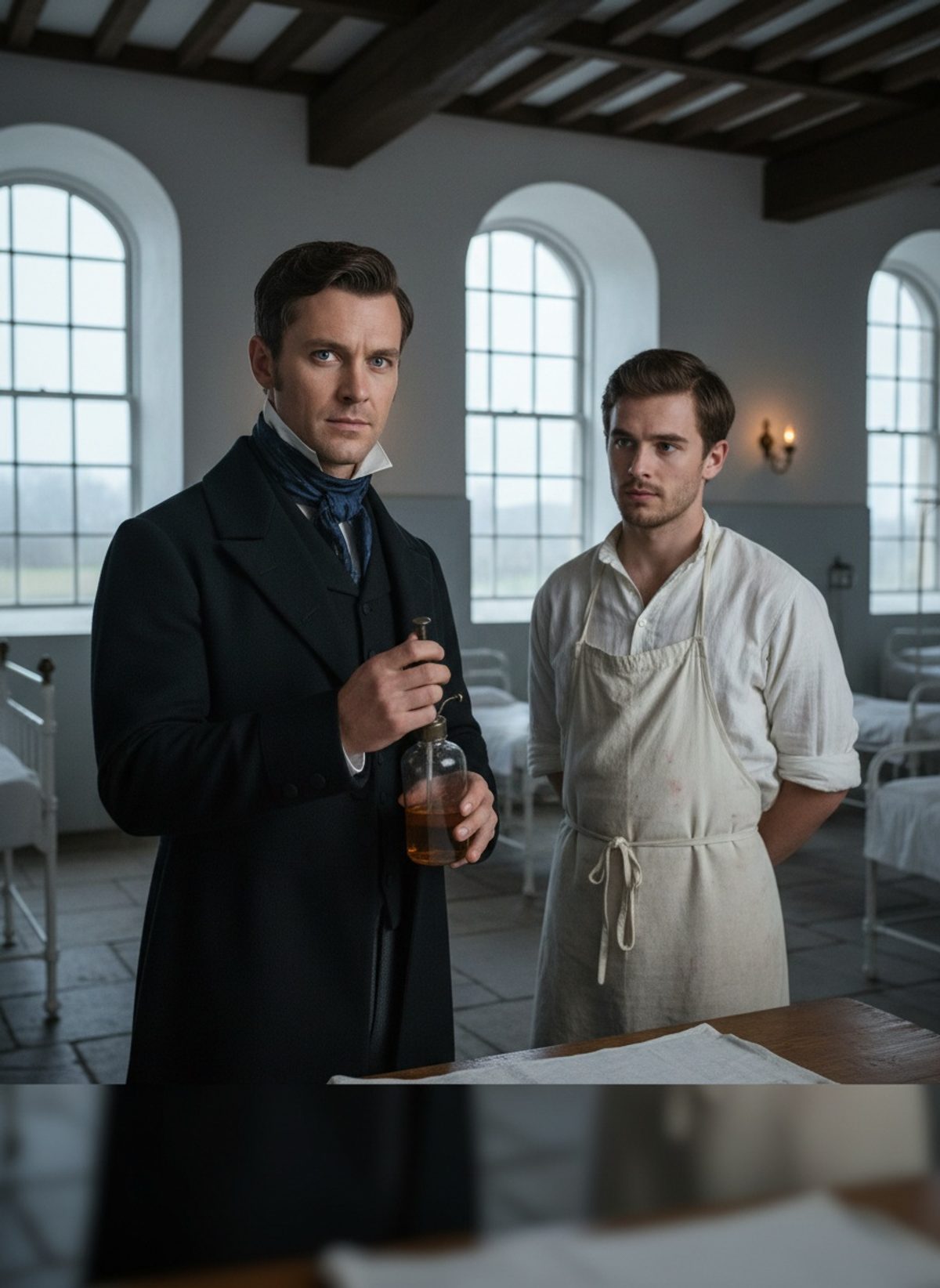
In 1865, Lister embarked on a bold experiment. He applied carbolic acid directly to surgical wounds, reasoning that its purifying properties could stave off infection. It was in the hallowed yet harrowing confines of Ward 20 that Lister first put his theory to the test. Imagining the scene, one can picture an austere room with walls standing as silent witnesses to the flow of life and the spectre of death. Amidst the usual clatter of surgical proceedings—hasty orders, clinking instruments—Lister brought forth his stinging, scented ally.
The results were nothing short of miraculous. Patients who, by all expectations, would have succumbed to sepsis began to recover. The proof lay in the gradual emptying of the ward of its usual procession of clergymen and mourners, replaced by the bustling excitement of discharges and the chatter of convalescents. He had stumbled upon a new era of antiseptic technique, paving the way for modern surgical hygiene and transforming the once-desperate world of medicine into a realm of potential recovery.
The Silent Hero of Surgical History
Joseph Lister's pioneering work with antiseptics was more than a medical breakthrough; it was a ripple that reshaped the future. This blacksmith’s son had carved out a legacy that would save innumerable lives and endure beyond the bounds of even his own visionary imagination. The shadowed wards of the Glasgow Infirmary became not just a testament to suffering, but a flourishing crucible of life and mending.
Yet Lister's contributions remain, for many, a footnote in the grand saga of medical history. To revisit his story is not merely an act of remembrance but a reminder of the power of curiosity, perseverance, and the profound impact of daring to ask, "Why?" In a world still grappling with invisible afflictions, Lister's legacy offers hope and inspiration, a timeless testament to humanity's relentless quest to lift the veil of ignorance and illuminate the path to healing.