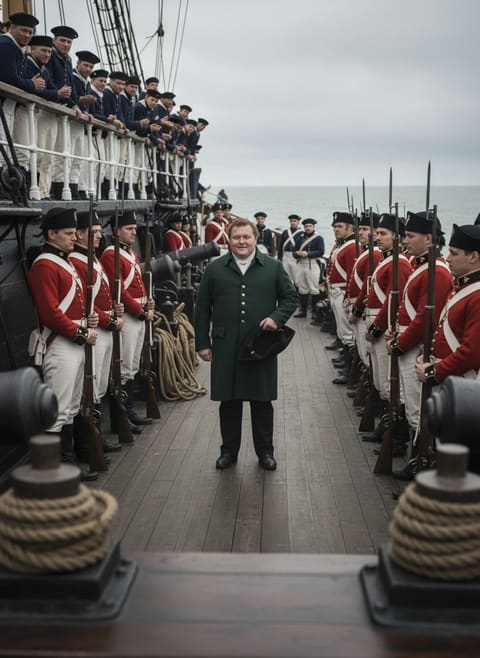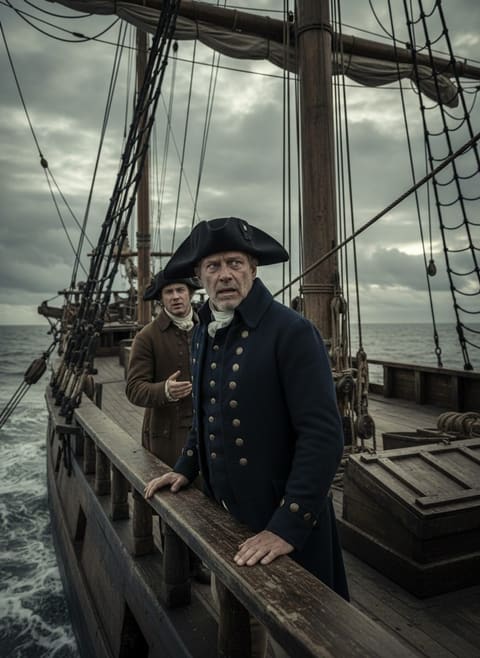
November 1805. The wind howled like a relentless banshee across the troubled sea.
The Calm Amidst Chaos
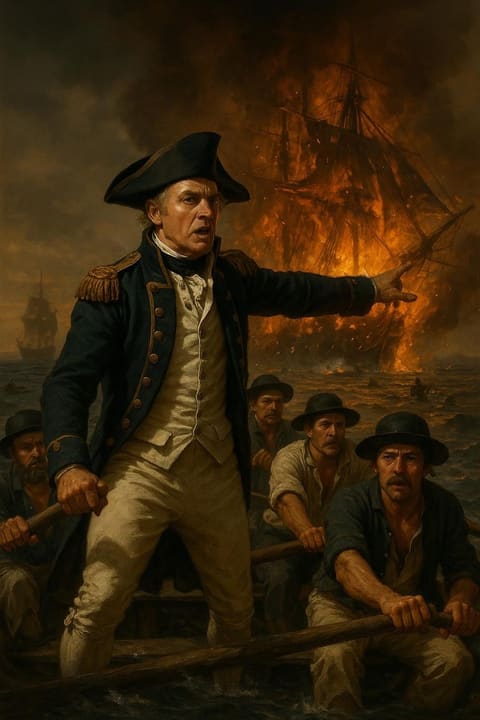
The Battle of Trafalgar had concluded a few days earlier, leaving the sea strewn with the wreckage of what had once been the mightiest fleet France could muster. Broken masts and tattered sails bobbed alongside pieces of shattered hulls. Amid this morbid flotsam, sailors clung to whatever remnants might keep them from the abyss below. Captain Benjamin Hallowell, aboard his ship, peered out into the Atlantic's unforgiving expanse. While victory celebrations were rife aboard most ships, his gaze was fixed on the horizon and what lay between England and the vanquished remains of France.
A Matter of Honor
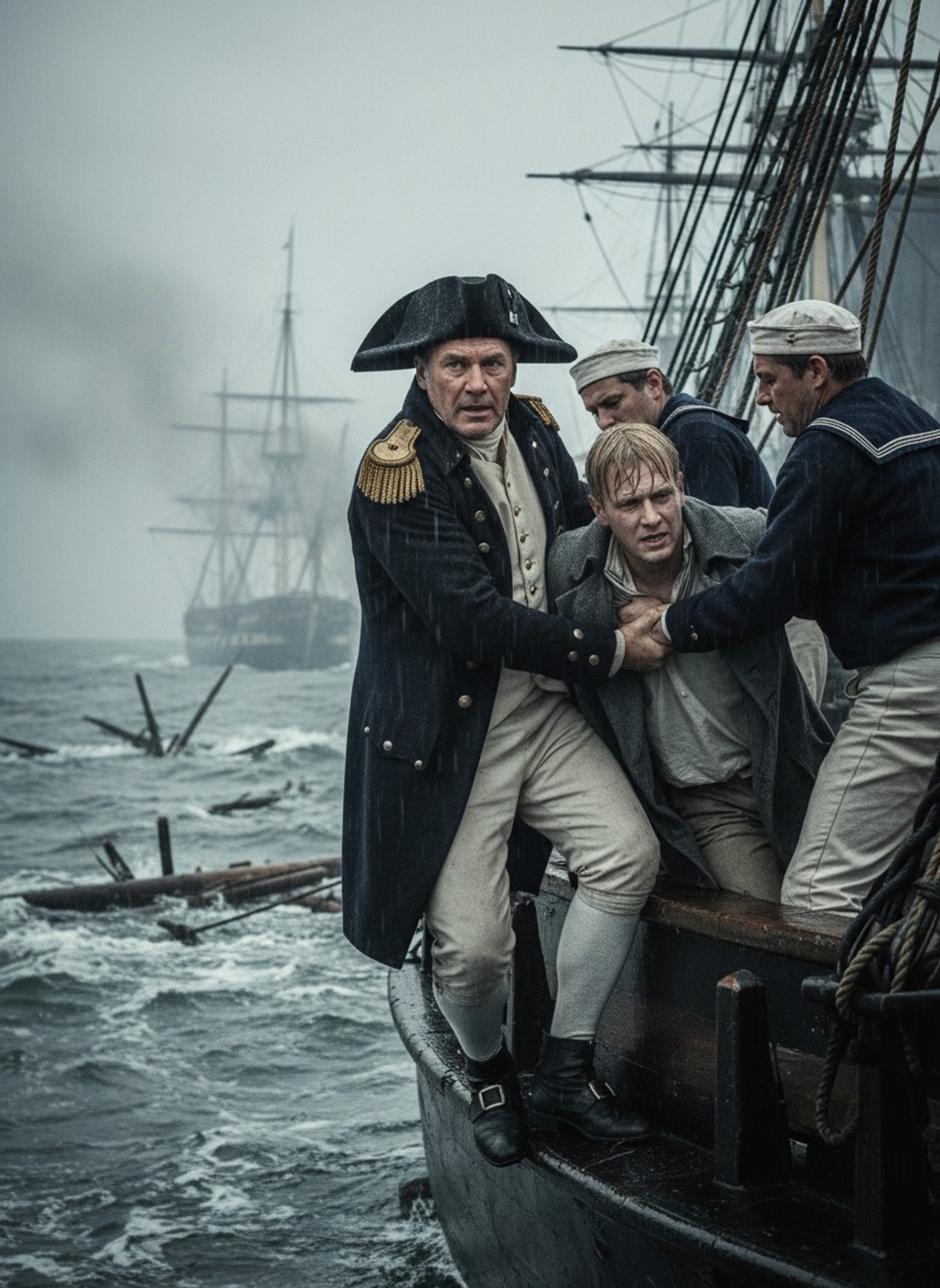
Captain Hallowell was no stranger to the rigors of maritime warfare. Born into a family with deep naval roots, he understood the harshness of combat on the waves. Yet the sight of men—French, Spanish, or otherwise—drifting helplessly in the cold Atlantic waters fired a sense of duty in him that transcended allegiances. These men, mere hours ago enemies, were fellow seafarers now at the mercy of wind and wave. Against orders and the conventions of wartime, Hallowell ordered his ship to turn back, navigating carefully through the debris-strewn sea.
This wasn't simply an act of mercy or strategy; it was, Hallowell believed, a required code of seafaring honor that superseded the dictates of war. In those moments, amidst tumult and the snapping of sails against the gale, he chose compassion over victory’s hubris.
Read next: The Night the British Ate the President's Dinner
The Rescue
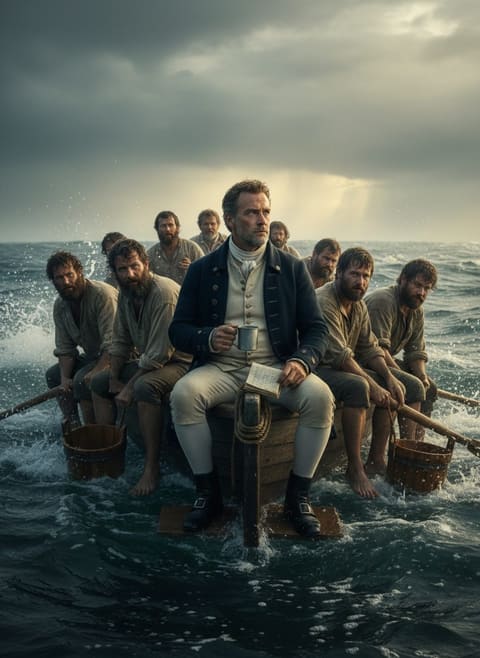
Hallowell’s ship cautiously navigated the cumbersome and perilous waters, approaching the scattered clusters of French sailors. His crew, seasoned in the arduous tasks of naval engagements, now found their expertise redirected to saving lives rather than extinguishing them. With ropes, blankets, and sheer strength, they hoisted the shivering, exhausted mariners from their precarious plight. Some were unconscious and required immediate aid; others, grateful yet wary, found warmth and temporary safety aboard the British vessel.
As these rescued men were hauled aboard, now far removed from their ships and allies, a peculiar camaraderie unfurled. Language barriers and nationalities faded against the shared relief of survival. The British sailors, moved by their captain’s unexpected compassion, treated their newfound guests with the utmost care. Food, water, and dry clothes were dispensed, gestures of humanity unthinkable only hours before.
Reactions of War’s Agents
News of Hallowell’s actions was met with mixed reactions upon reaching both shores. Within his own ranks, there were those who questioned the prudence of salvaging enemy crews. Yet, fellow officers and even adversaries acknowledged the nobility and courage it demanded. Hallowell’s decision sparked debates within naval circles, weighing the costs of compassion against expected wartime measures. The press on both sides barely reported these rescues, intent instead on the grandeur of Trafalgar’s strategic implications.
Read next: The Day a One-Eyed Admiral Sailed Into the Line of Fire
However, the tale spread through word of mouth, carried by the sailors who bore witness. Stories circulated in ports and among ships, portraying Hallowell not just as a captain, but as a man of principled valor. For those French survivors who found themselves unexpectedly allied with their foes aboard a British ship, the experience left a profound awareness of their shared humanity.
The Greater Narrative
In the grand tapestry of history, Captain Benjamin Hallowell’s choice might appear as just a ripple amidst the ocean of clashes that defined the Napoleonic Wars. Yet, it represents a deeper narrative—that amidst the tumult of war, individual acts of kindness and bravery illuminate paths to understanding and reconciliation. His story reminds us that even under the banner of enmity, moments can arise where lines blur, revealing the fundamental ties that bind all seafarers and, indeed, all people.
In reflecting on that November day, one is challenged to consider the power of compassion as a force potent enough to redefine battles, shape perceptions, and etch enduring legacies. For, in the wake of destruction, it is often these acts—subtle yet profound—that echo through the ages, offering lessons in empathy that resonate even in peacetime.