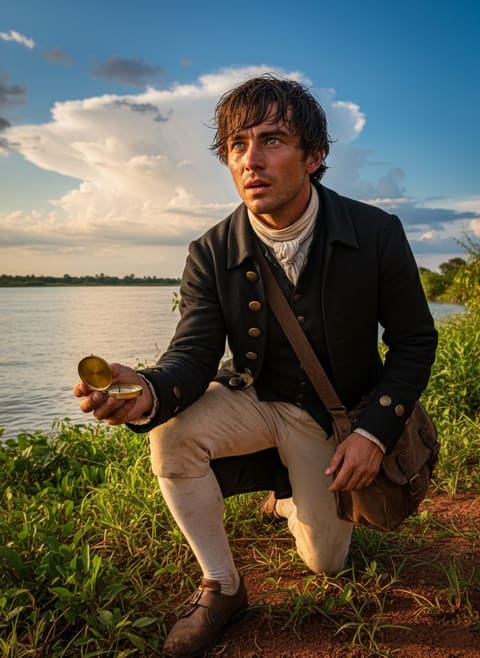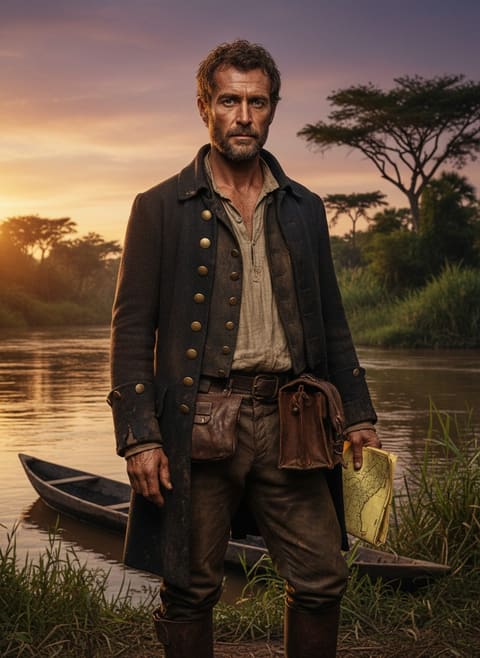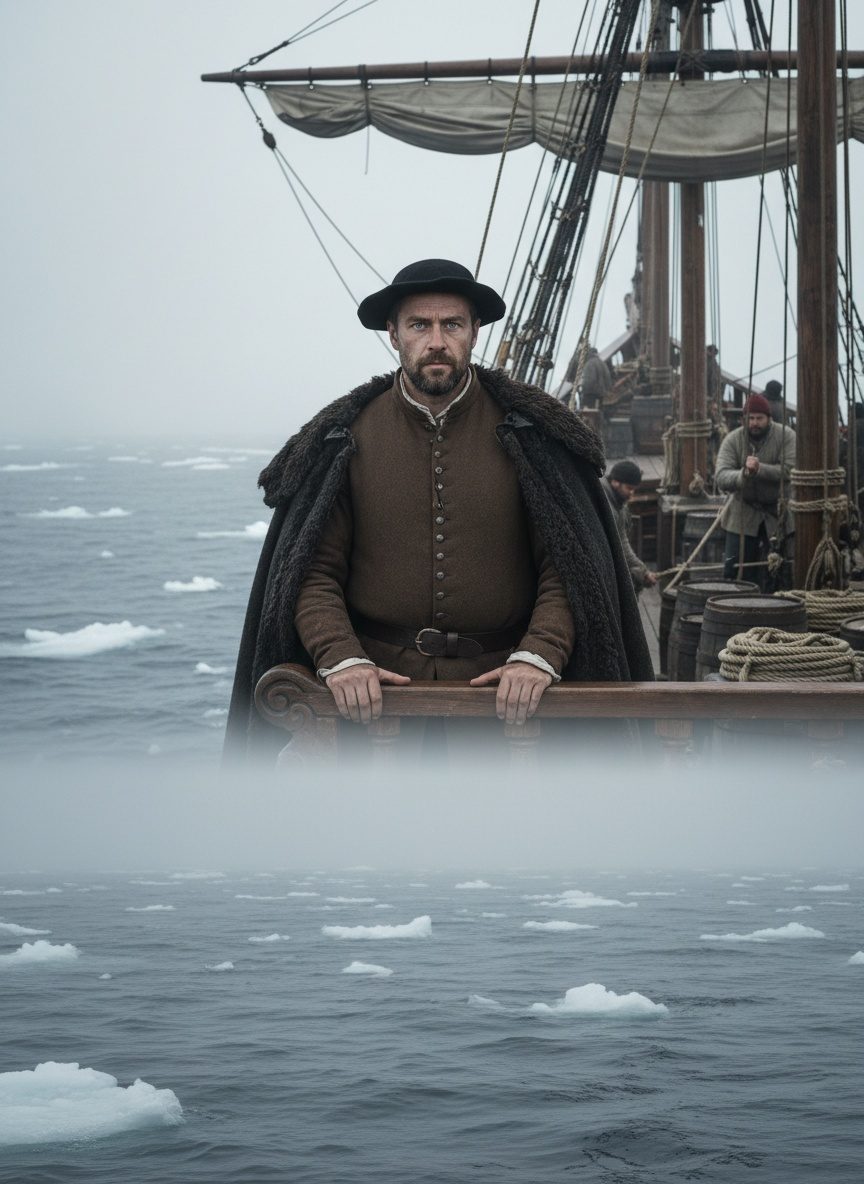
Three ships departed from London in 1553, seeking a new route to Asia through the frozen Arctic. Two crews met their end in icy Russian waters. One captain returned, and another forged a path that altered the relationship between two empires.
The Quest for a Northeast Passage
The mid-16th century was a time of burgeoning exploration, as European powers sought to expand their influence and wealth by discovering new trade routes. The English, inspired by their maritime precursors, were eager to compete with the Iberian dominance at sea. The Muscovy Company, helmed by veteran navigators and backed by adventurers, launched an audacious expedition northward, an uncharted path through the Arctic promising a faster route to the riches of Asia.
On this daring expedition were three ships: the Edward Bonaventure, the Bona Esperanza, and the Bona Confidentia. Sir Hugh Willoughby captained the latter two, while Richard Chancellor led the Edward Bonaventure. Willoughby, known for his determination, and Chancellor, celebrated for his navigational prowess, embodied the hopes of a nation keen on entering the lucrative spice trade and rivaling the successes of their southern neighbors.
Into the Icy Unknown
As the ships traversed the seas, the crews faced harsh conditions seldom encountered by English sailors. They navigated waters treacherous with ice floes and shrouded in fog, where even the bravest of hearts quivered. Willoughby's ships, after a remarkable struggle against nature's ferocity, disappeared from Chancellor's sight after a violent storm, swallowed by the cruel Arctic mists. Their fate remained a mystery until much later when their frozen remains were discovered on the Lapland coast, a chilling testament to the perilous endeavor.
Read next: The Day a Devon Captain Charted the Pacific and Changed the World
Undaunted, Richard Chancellor pressed on alone. His was a voyage marked by uncertainty, steering through regions uncharted and utterly foreign. The stark beauty of the Arctic landscape, with its glacial expanses and haunting silence, laid before him a new world that tested both his fortitude and his resolve. It was a place where time seemed suspended, a realm untouched by the advancement of man.
A Surprising Discovery
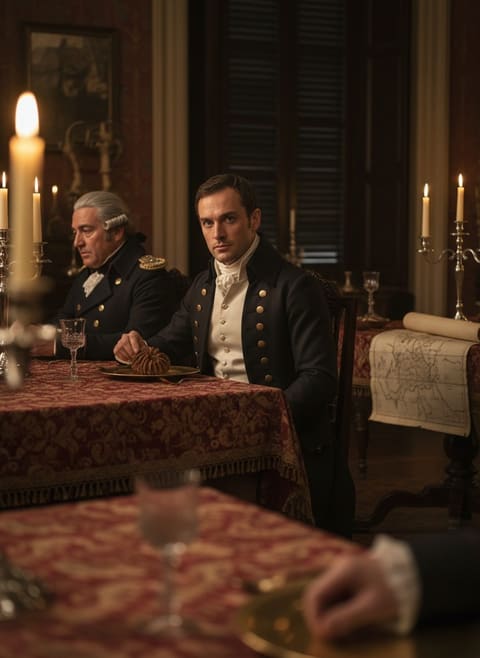
Instead of finding a passage to Asia, Chancellor arrived at the mouth of the Dvina River, leading to the White Sea. It was here he forged a path to an unknown land to the English: Russia. Welcomed initially by local fishermen, Chancellor's relentless curiosity propelled him onwards, all the way to Moscow. There he stood before Ivan IV, the formidable Tsar of Russia, in a momentous encounter that would lay the foundation for Anglo-Russian relations.
Read next: The Day a Devon Sailor Mapped the Roof of the World Alone
The Tsar, intrigued by the Englishman's tale and the potential benefits of trade and knowledge exchange, received Chancellor warmly. It was a meeting that crossed cultural and linguistic divides, resonating with an element of mutual curiosity and respect. Chancellor, enthralled by the lavish display of the Russian court, negotiated an agreement that would allow for mutual trade, marking the first English foothold in Russian territories.
A New Dawn for Two Nations
Richard Chancellor's return to England did not go unnoticed. His accounts of Russian life captivated the imagination of England's merchants and adventurers alike. The unexpected success of his journey inspired further voyages and the establishment of the Muscovy Company’s trade monopoly over Eastern Europe, igniting a relationship between England and Russia that would flourish in the centuries to follow. Amidst the backdrop of icy obliteration endured by his fellow captains, Chancellor's achievement presented an alternative narrative of exploration: one not of conquest, but of diplomatic discovery.
The tale of this journey into the Arctic epitomizes the complex nature of exploration during the Elizabethan era—a venture woven with risks of the unknown, navigated by an indomitable spirit, and culminating in an outcome unforeseen. Indeed, Chancellor's odyssey beckons reflection on how singular events can diverge the course of history, as it was his unexpected Russian detour that would open channels between the Western world and the vast expanses of the Russian Empire.