The Pacific was a place of mysteries. It became a map.
The Call of the Unknown
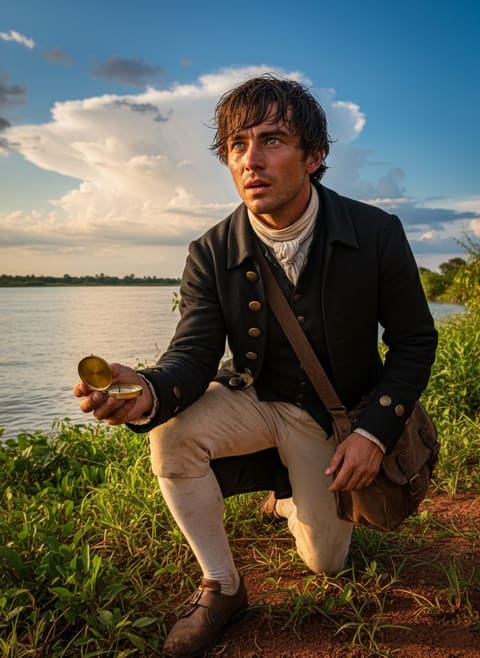
In 1768, a vessel set sail from Plymouth, England, with no fanfare or parades. It was a Whitby-built coal ship named HMS Endeavour, led by a man with no aristocratic lineage or naval prestige. Captain James Cook, a self-made mariner from a small Yorkshire farming family, was tasked by the Royal Society to observe the transit of Venus across the sun. Yet Cook harbored a mission both grander and graver—an endeavor to chart a continent rumored to exist but never seen by European eyes.
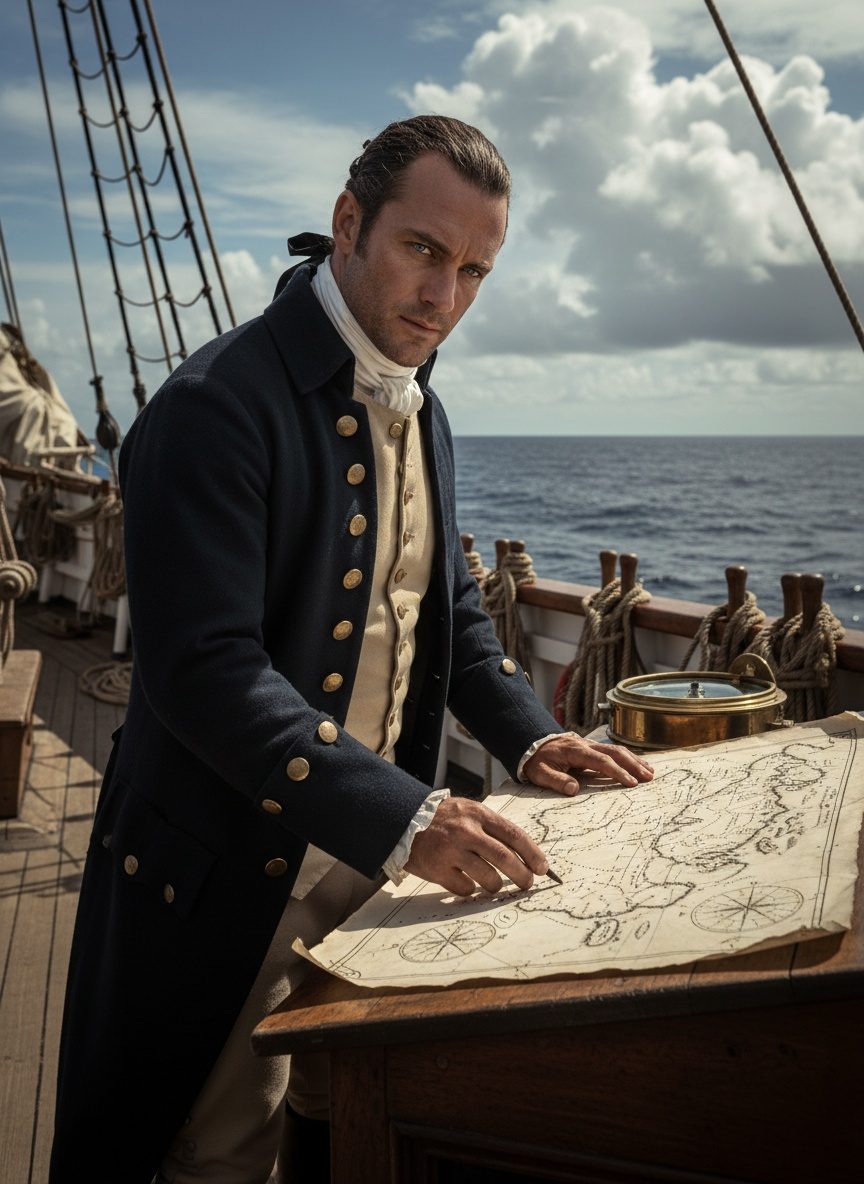
The Pacific was vast and mysterious, a blue expanse that swamped even the mind’s imagination. It held whispers of a legendary southern continent—a place concocted by speculation and scant evidence. Cook was chosen, not because of his laurels, but for his ability to navigate these unquenchable seas with scientific accuracy and honest reckoning. In his cabin, he held the tools of a seafarer’s trade: rusty, iron-bound charts, a sextant of brass, and the immense courage that borders on folly.
The Voyage
Carving a course across the Atlantic and rounding Cape Horn, Cook’s journey into the Pacific was fraught with challenges that belied its simple aim. His ship, not much more than a refitted coal carrier, creaked under the strain of open water. Nevertheless, Endeavour ploughed through waves, guided with aplomb by Cook’s steady hand and the seasoned crew who trusted his unique brand of leadership.
Read next: The Day a Devon Captain Charted the Pacific and Changed the World
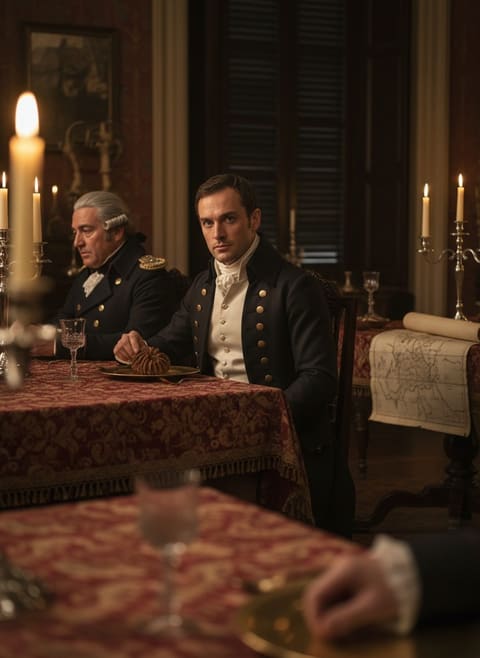
The voyage tested the limits of human resilience. Weeks turned to months, with the ship surviving on stale provisions and salted meats. Many aboard fell prey to scurvy, the dreaded scourge of sailors, yet Cook’s insistence on scouring the coasts for greens and fruit kept its ravages at bay. The ship’s library—a makeshift collection of astronomical diagrams, geographic treatises, and navigational charts—became the captain’s sanctuary, where nights were spent under candlelight, pondering horizons unseen.
The Discovery of Australia
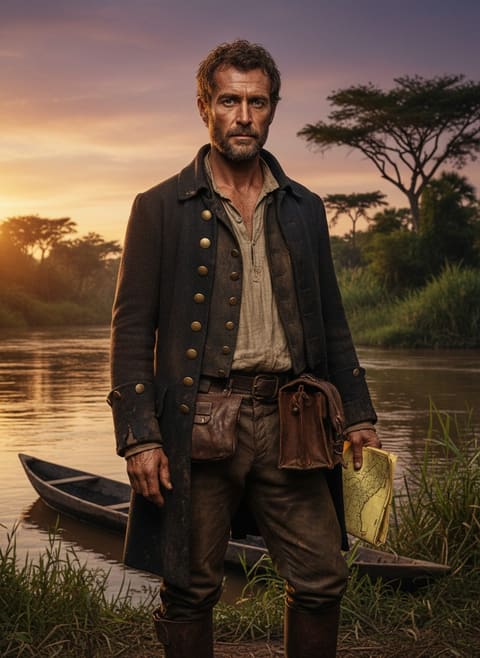
As the Pacific’s secrets unfolded, Cook's dedication to precise cartography revealed the world anew. Unlike seafarers who relied on conjecture and folklore, Cook’s maps were rigorously measured, tirelessly cross-referenced, and meticulously recorded. On April 29, 1770, Cook spied the eastern coast of what would become known as Australia, its lands awash with mysterious fauna and sky-high eucalyptus trees.
Here, the crew stepped onto what marked the dawn of a comprehensive mapping endeavor, where Cook’s resolve to understand geographic truth came to the fore. From Botany Bay, they charted the coastline with unwavering focus, often facing perilous reefs and unpredictable tempests. For Cook, each pen stroke added weight, transforming mystery into mastery, negotiating every cape and inlet with an artist’s vigilance and a scientist’s diligence.
The Legacy of the Mapmaker
Cook’s maps became a gateway to realms, formerly inscrutable to the curious mind—and the ambitious powers—of Europe. More than simple lines on parchment, these maps were comprehensive, speaking both of discovery and the responsibility it endowed. Cartographers later marveled at Cook's precision, astounded that a man in such an age of uncertainty could render trustworthiness with mere compass points and corner notches.
Read next: The Day a Devon Sailor Mapped the Roof of the World Alone
The routes he traced laid the groundwork for future voyages, heralding a new era of exploration that would span far beyond his time. Through his charts, the Pacific came into focus—a space no longer defined by its voids but by its possibilities. It was through Cook's vision that the oceans became much more than barriers; they transitioned into connectors of cultures and continents, the thoroughfares of a burgeoning global age.
Why This Matters
The story of Captain James Cook is not merely a tale of discovery; it is a chronicle of human endeavor that wedded curiosity with courage. His achievement formed the bedrock upon which modern exploration launched itself, always seeking but rarely finding such a perfect confluence of humility and heroism. Cook reminds us that human history is crafted not by those standing upon pedestals or cradled by the privilege of birth but by those who dare to venture into the sublime unknown.
In today's digitized threshold of instant knowledge, as satellite imagery and GPS strip the world of its secrets, remembering Cook’s voyage offers quiet affirmation that precision, patience, and perspective remain our greatest navigators. As we traverse our interconnected frontiers, the farm boy from Yorkshire stands as a quiet prowl in our ethos—our world forever circumscribed by the contours he once bracketed beneath his pencil, open to all who now wander.