They were 740 strong. Most had never seen combat up close this way. In September 1944, a battalion of British paratroopers faced what seemed an impossible task: hold a bridge in Arnhem over the Rhine until reinforcements arrived. The stand would last not for the expected two days, but nine harrowing days against ten thousand German troops.
The Element of Surprise
As Operation Market Garden kicked off on September 17, 1944, Lieutenant Colonel John Frost and his men from the British 1st Airborne Division parachuted onto Dutch soil. Their mission: seize the bridge at Arnhem, a critical point if the Allies were to push deeper into German-occupied Europe. Initially, things seemed to go right for Frost and his men. They moved quickly through the city’s streets, avoiding significant German resistance long enough to secure the bridge's northern end.
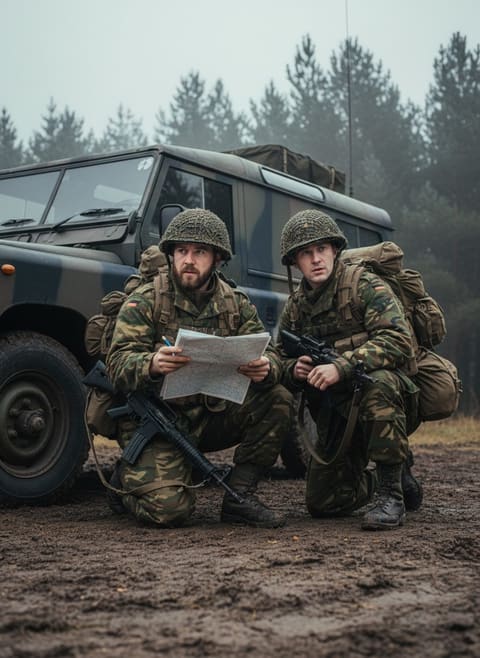
The surprise was paramount. Seizing bridges along the path to the German heartland could expedite the end of the war. The paratroopers knew their role was pivotal. Their helmets, designed with lower-profile shells for reduced wind resistance, were a symbol of their specialized task—jumping in where others could not. Yet, for all the meticulous planning, a sudden stall in communication and coordination would alter their fate irrevocably.
An Unyielding Bastion
Despite initial success, the elusive backing from armored divisions led to a grim realization. Frost’s men were alone. The group dug in at a small enclave near the bridge, transforming civilian structures into defensive strongholds. The urban setting was a maze of opportunities and pitfalls. Familiar surroundings turned hostile as artillery shells screamed down upon the paratroopers with unyielding ferocity.
Read next: The Day a British Padre Fed the Enemy's Wounded First
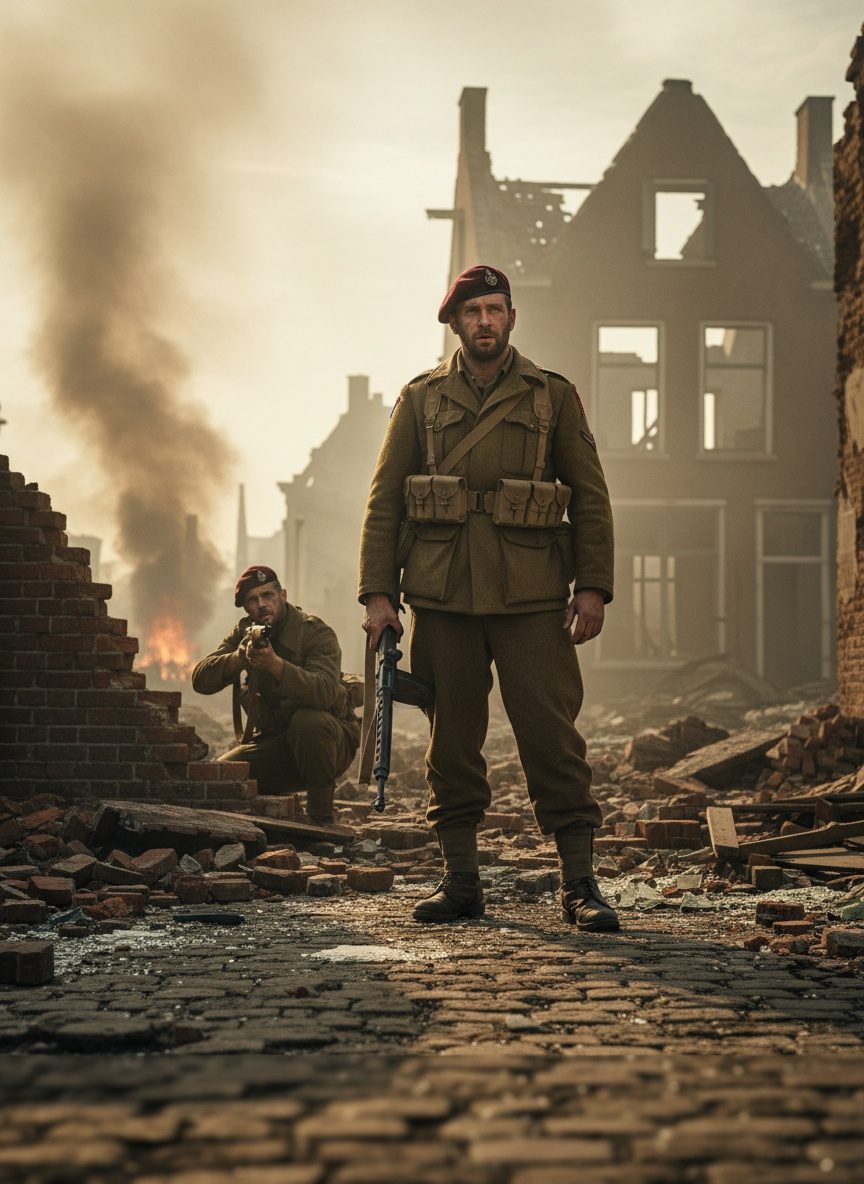
Each building became a makeshift fortress. Paratroopers used debris and furniture to barricade doorways and create vantage points from shattered gables and windows. Remarkably, this environment favored their skills. Their training as airborne forces, adept at rapid, strategic responses, unfolded in real-time complexities. Yet, even as they stemmed multiple frontal onslaughts, the numbers were not in their favor. Every hour brought more German troops, backed by tanks and artillery.
The Agony of Waiting
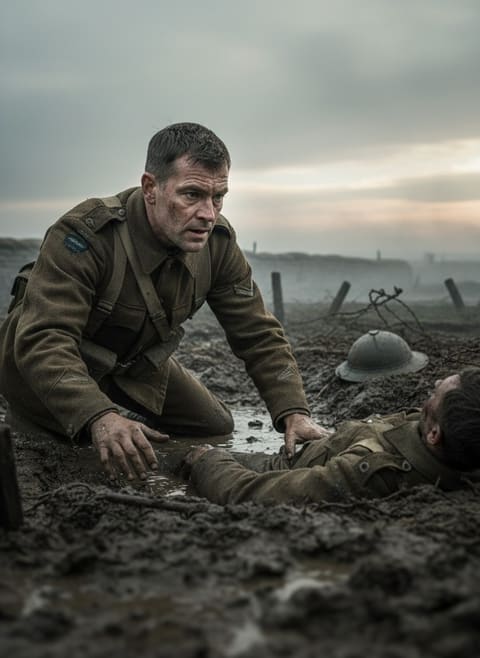
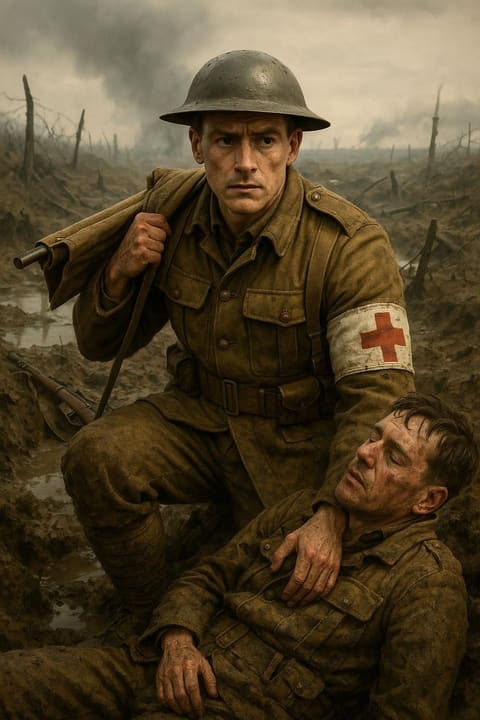
For nine days, Frost and his men awaited reinforcements that never came. They communicated using makeshift radios, keeping their spirits alive by the faint hope their situation was being heard. Each paratrooper clung to rationed supplies, every meal potentially their last. Medical needs soared as injured men outnumbered those able to fight; makeshift first aid stations were delineated by the remnants of battle.
Frustration rippled through the ranks. There was little room for hope as the days bled into each other. It was revealed later that logistical errors and communication breakdowns had hindered the arrival of relief forces. The fighting strength of the once 740-strong battalion dwindled each day. Yet, among the debris and gunfire, tales of harrowed courage emerged. Men shared thoughts and fears, stories of home, and played cards with some remaining vestiges of a pre-war life.
Last Stand at the Bridge
By the time surrender was the only possible course, Frost himself was injured, yet his spirit remained unbroken. Surrounded, outnumbered, and outgunned, less than 200 men managed to withdraw under the cover of darkness on September 26. This strategic retreat was painstakingly organized amidst the chaos. Those who remained at the time of surrender did so without a sense of defeat, for each understood the immensity of their stand.
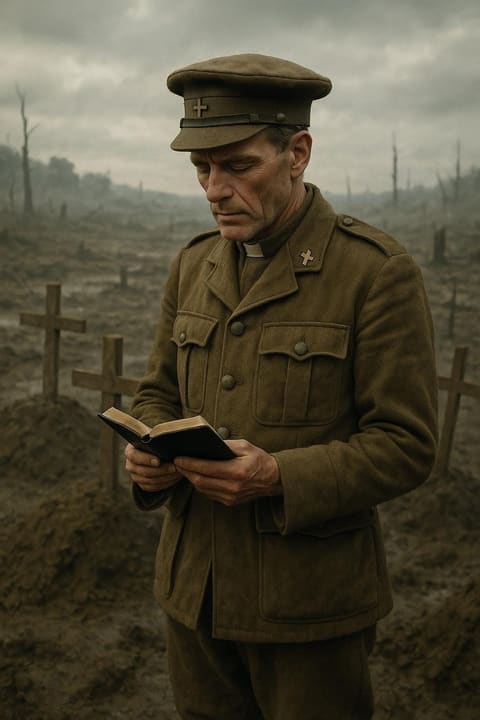
Read next: The Day a British Padre Knelt in the Mud and Saved His Men
The bridge at Arnhem was left in ruins, yet the gallant defense of Frost’s men resonated beyond its immediate failure. Engineers and planners later assessed their fervent defense as having inadvertently drawn in far more German resources than anticipated, thus indirectly aiding other aspects of Operation Market Garden’s far-reaching objectives. The operational cost was high, but their contribution was invaluable.
The Shadows of Unsung Heroes
The story of Arnhem’s bridge, often overshadowed in broader narratives of World War II, serves as a stark reminder of individual valor amidst wider conflicts. It highlights the resilience and sacrifice of those often forgotten in the grand theatre of history. Only a handful of names are etched into public consciousness, yet every paratrooper who stood at that bridge played a crucial role.
As echoes of gunfire drift into history’s annals, the bridge at Arnhem remains a symbol of endurance against overwhelming odds. It beckons remembrance and reflection—of courage, of strategy, and, ultimately, of the deep scars left upon the human spirit in the wake of war. In examining their stand, we are reminded not just of their bravery but of the silent endurance it takes to face the insurmountable and continue, regardless of outcome.