The Napoleonic Wars taught many about the harsh realities of naval warfare. Yet, sometimes, even conflict reveals unexpected compassion.
Dawn on a Fateful August Morning
It was the morning of August 1801, and the sea could have been deceptively still, if not for the thick smoke rising ominously from the water’s surface. Somewhere in the waters surrounding the British Isles, HM ships relentlessly pursued a French fleet dispatched to disrupt trade and challenge British sea dominance. Amidst this chaotic pursuit, one event stood significantly apart, unnoticed by the tactical playbooks and orders exchanged in the focusing eyes of admiralty.
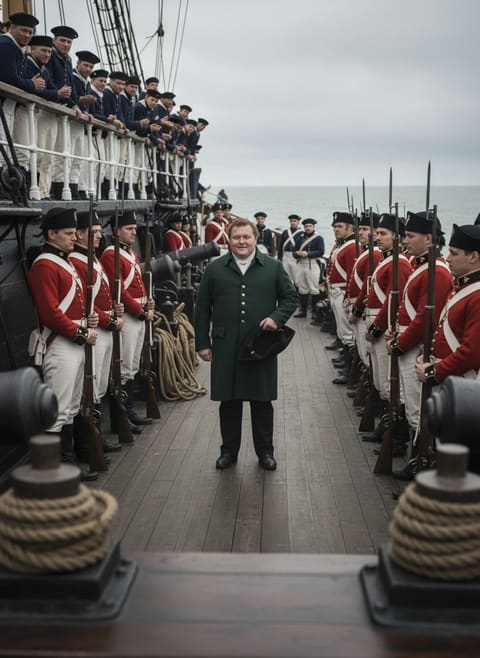
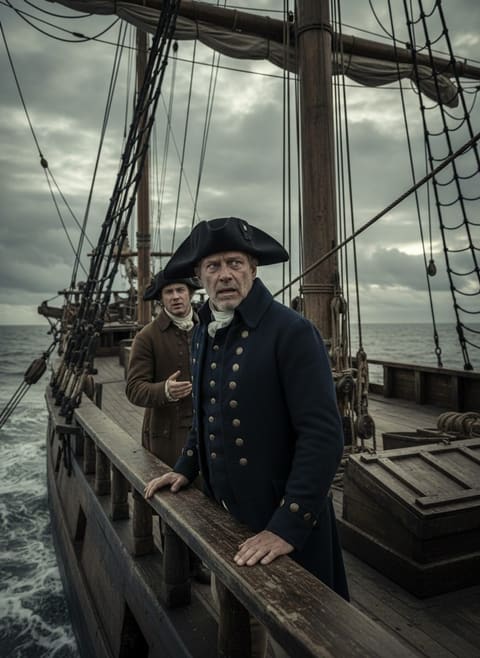
Onboard, Captain Edward Pellew—a name echoed through tales and ballads of naval valor—was prepared for another day of conflict. Known for his strategic brilliance and fortitude, Pellew was a decorated officer, respected by friend and foe alike. As his ship, the HMS Indefatigable, moved into position to attack a French vessel, the decks vibrated with the anticipation of impending battle. The sea around them seemed alive, riled by the presence of two battling nations.
As the cannon fire began to roar, the sky thundered with smoke, and unfamiliar cries mixed with commands stopped short by the sudden explosion of French cannonballs. In those moments, Pellew’s output was determined by tactics bred into his very marrow, sharp and uncompromising. Yet, decisions that would quiver history's tone as indisputably just were not always wrapped in strings of protocol or national fervor.
Read next: The Night the British Ate the President's Dinner
The French ship, weak from the British offensive, began showing signs of chaos. Fires engulfed the prideful galleon, sending blackened masts and shredded sails like dark titans bowing under the gods of war. In less than an hour, delicate balance gave way to fury-filled surrender. And yet, what happened next left a mark not of steel, but of empathy.
A Command Beyond Orders
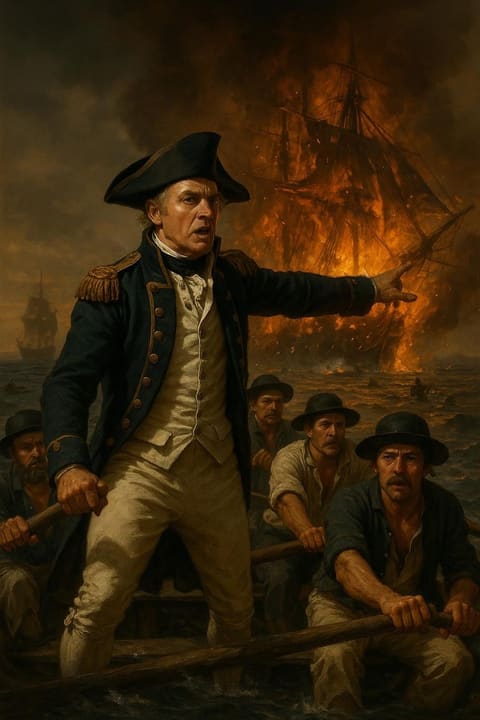
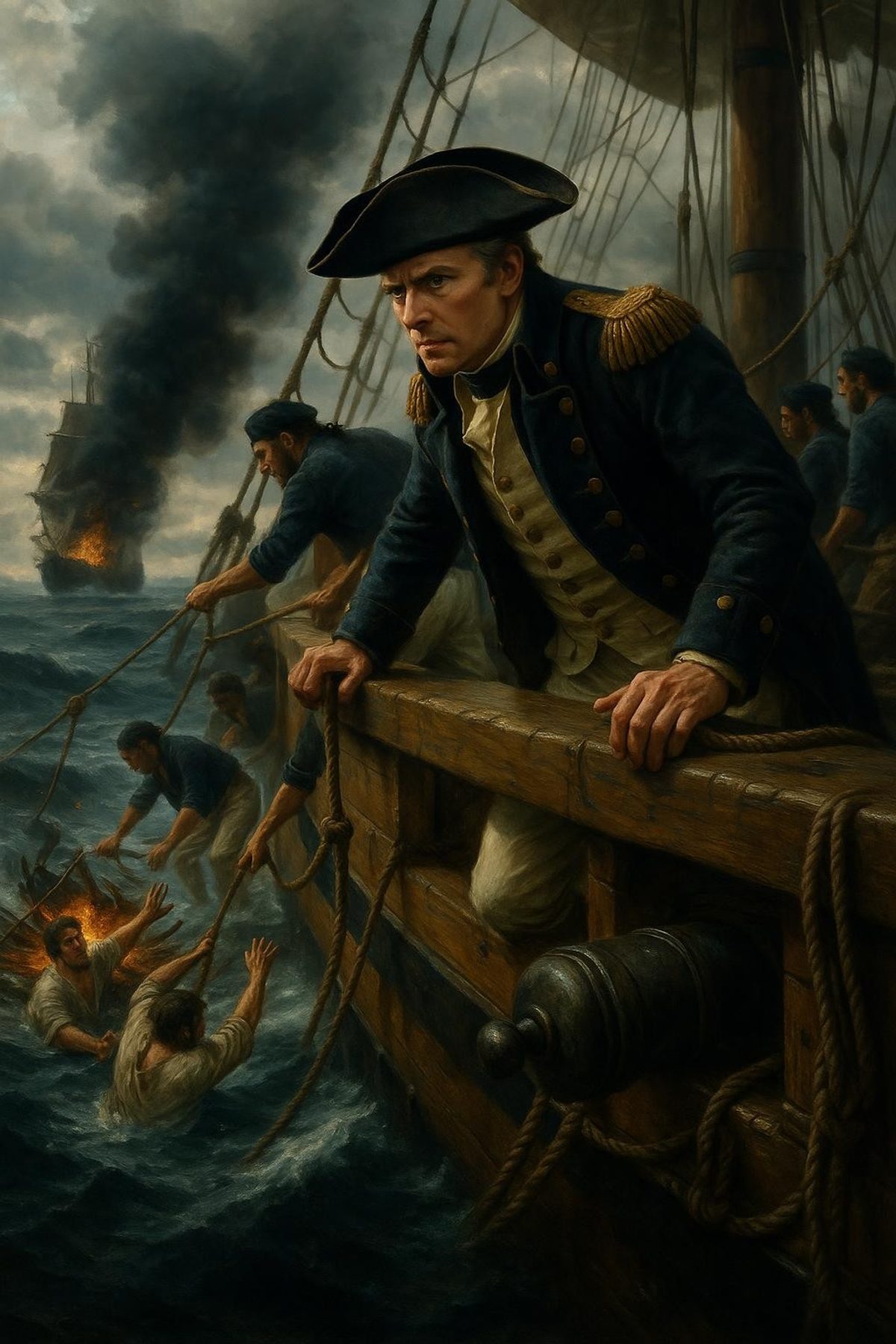
Amidst the desperation on the French deck, men jumped overboard to escape their flaming fate, their cries choked by the sea foam and underlying panic. Captain Pellew’s eyes surveyed the scene with the weight one would expect from leadership forged in countless engagements. And then, as if defying the core of reasoned militarism, Captain Pellew issued an order that altered the essence of the day.
"Launch the boats and save them," he commanded. Such words rarely found harmony in the cacophony of war, yet they resonated with clarity. His crew paused, their adherence to command battling with disbelief. The enemy, now drowning amidst a sea of fire, transformed from foes into souls seeking aid beneath the same sky.
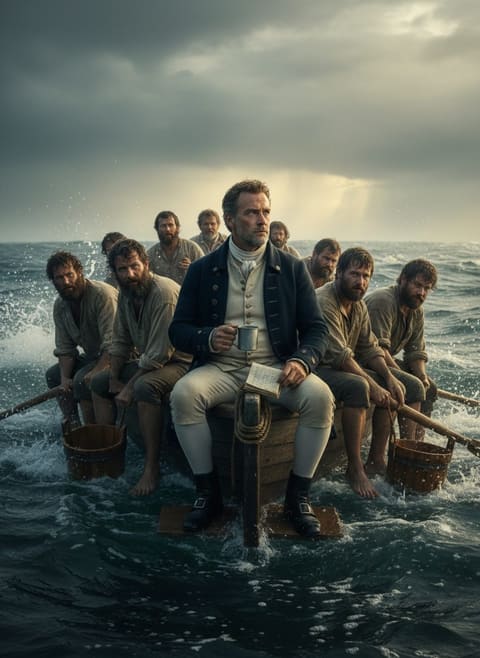
With Pellew’s directive, British sailors descended from their positions and braved the perils of these fierce waters. Each stroke of an oar, each line thrown became a beacon for unity—even amidst enmity. French sailors were pulled from the abyss one by one, forty survivors emerging from potential death cries to breath anew. They grasped the outstretched arms of their rescuer's collective humanity over nation, embodying a poignant truth that valor exceeds the victors' list.
Read next: The Day a One-Eyed Admiral Sailed Into the Line of Fire
The event wasn’t celebrated with towering flags or stern busts, but in the hearts of men who witnessed grace aboard disaster’s mantel. British and French sailors found a rare moment of connection—an understanding that the harshness of the sea pales against the fragility of life.
The Ebb of Battle and Rise of Humanity
As the remnants of battle ambled into memory, the survivors found themselves integrated into the rhythms of ship life aboard the Indefatigable. Captain Pellew’s actions went beyond saving lives; they briefly bridged the chasm created by unyielding political tides. Among those who walked the decks were men who, an hour prior, had sought each other’s obliteration. Now, they shared stories, exchanged humanity unlocked by an enemy’s mercy.
Pellew never sought adulation for this moment; to him, it was perhaps an echo of his character rather than a deliberate defiance of order. But to those who laid eyes upon it, something undeniably profound had transpired. This moment, forged not by strategy, but spontaneous compassion, became a haunting narrative in a commendable career—an undesigned and unheadlined celebration of humanity’s better instincts amidst war.
Life went on, however, as wars rendered their grim conclusions. Yet that day’s essence slipped into deeper waters of memory, a tale only brushed upon by those who sailed with Pellew, and the French grateful for the mercy shown. It leaves us contemplating: in the darkest of times, who do we choose to be? Heroes are not just born amidst victory and defeat. Sometimes, they rise simply in choosing to uplift rather than let sink.